
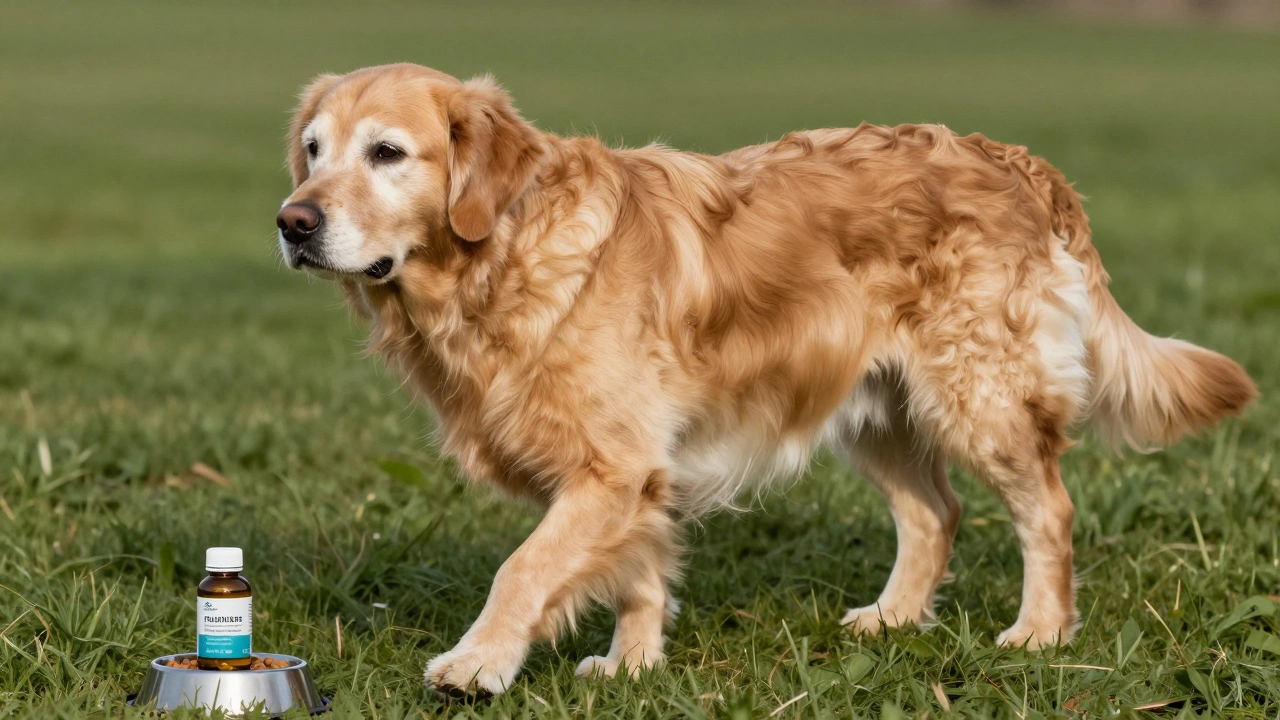
When you’re trying to improve your dog’s coat, ease joint pain, or boost their overall health, you’ve probably heard about coconut oil and fish oil. Both are popular supplements, and both promise big benefits. But which one actually works better? And more importantly - is one safer, more effective, or just plain better for your dog?
What Fish Oil Does for Dogs
Fish oil is packed with omega-3 fatty acids, especially EPA and DHA. These aren’t just buzzwords - they’re active compounds that reduce inflammation, support brain function, and help manage skin conditions. Dogs can’t make these on their own, so they need them from food or supplements.
A 2021 study from the Journal of Veterinary Internal Medicine found that dogs with osteoarthritis given fish oil daily showed a 30% improvement in mobility after eight weeks. Their vets noted less stiffness, better gait, and reduced pain during movement. That’s not a small win - it’s life-changing for older dogs.
Fish oil also helps with allergies. Dogs with itchy skin, recurrent ear infections, or hot spots often respond well to fish oil. The omega-3s calm the immune system’s overreaction, which is often the root cause of those problems. It doesn’t cure allergies, but it makes them way more manageable.
Most fish oil supplements for dogs come from salmon, sardines, or anchovies. Look for ones labeled “purified” or “molecularly distilled” - those remove heavy metals and toxins. The right dose? Around 20 mg of EPA per pound of body weight daily. A 50-pound dog needs about 1,000 mg of EPA total.
What Coconut Oil Does for Dogs
Coconut oil is mostly lauric acid - a medium-chain triglyceride (MCT) that’s easy for dogs to digest. It’s often marketed as a miracle cure: improves coat shine, fights yeast, boosts energy, even helps with digestion.
There’s some truth to that. Many dog owners swear by coconut oil for dry, flaky skin. It can act as a natural moisturizer when applied topically or given orally. Some vets have seen improvements in dogs with mild yeast infections (like those recurring ear issues) because lauric acid has mild antifungal properties.
It also adds calories. If your dog is underweight or has a poor appetite, a spoonful of coconut oil can help. It’s not a nutrient powerhouse like fish oil, but it’s a tasty energy boost.
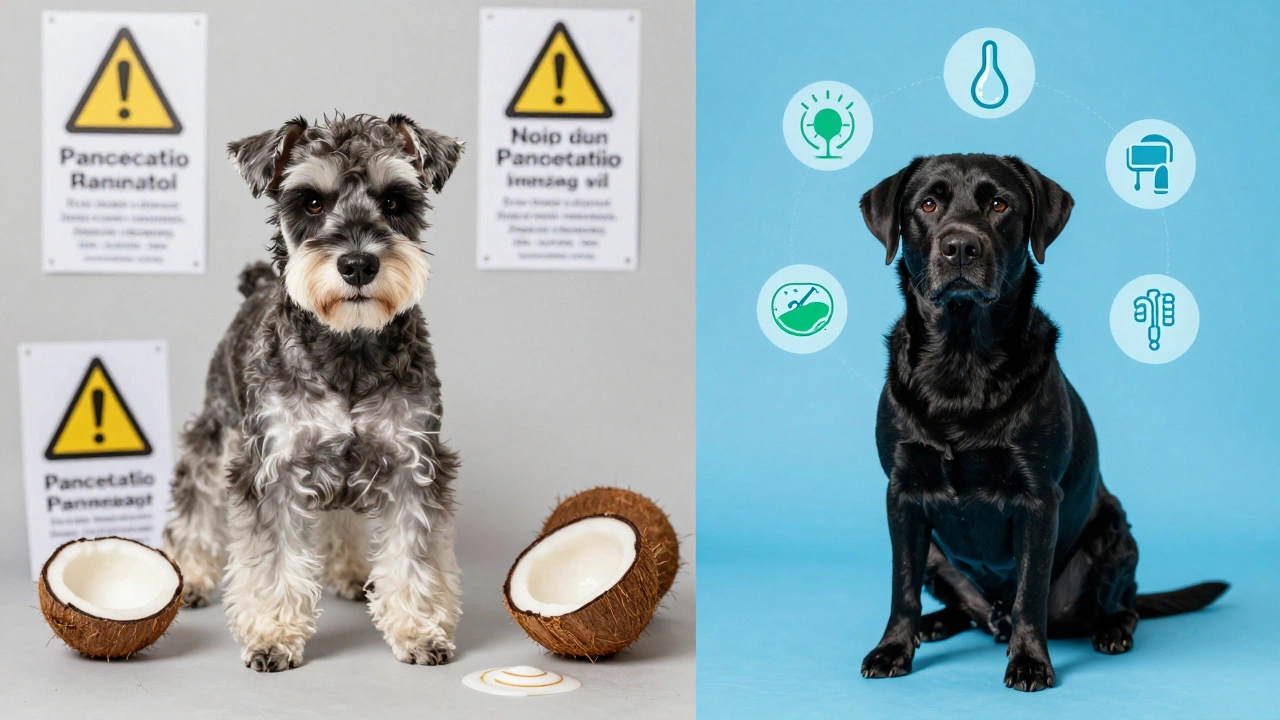
Here’s the catch: coconut oil is 90% saturated fat. That’s more than butter. While dogs handle saturated fat better than humans, too much can lead to weight gain, pancreatitis, or high cholesterol - especially in breeds prone to those issues, like Miniature Schnauzers or Cocker Spaniels.
Start slow. Give 1/4 teaspoon per 10 pounds of body weight once a day. Increase to twice daily if tolerated. More than that? You’re risking digestive upset or worse.
Head-to-Head: What Each One Actually Fixes
Let’s cut through the hype. What can each oil really do for your dog?
| Benefit | Coconut Oil | Fish Oil |
|---|---|---|
| Reduces inflammation | Minimal effect | Strong effect |
| Improves skin/coat | Yes - surface shine | Yes - deeper healing |
| Helps with allergies | Slight help | Significant help |
| Supports joint health | No | Yes |
| Boosts energy | Yes | No |
| Fights yeast | Mild antifungal | Indirect help |
| Safe for long-term use | Caution needed | Yes |
Here’s the reality: fish oil tackles the root causes of common health problems. Coconut oil mostly masks symptoms - or helps in very narrow cases.
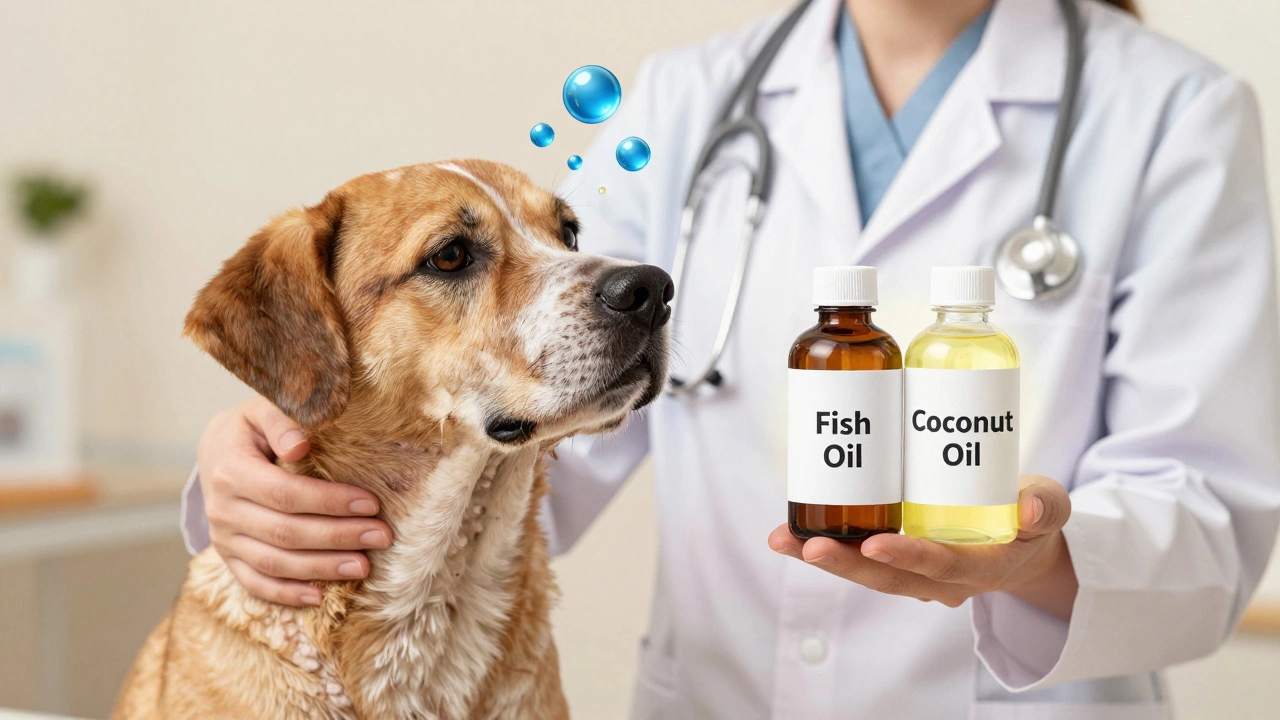
When Coconut Oil Makes Sense
Coconut oil isn’t useless. It has its place.
- If your dog has dry, flaky skin and you want a quick shine boost - try coconut oil topically. Massage a little into their coat after bathing.
- If your dog is underweight or refuses food - a small amount mixed into meals can stimulate appetite.
- If you’re dealing with a mild yeast infection (like smelly ears) and want a natural aid - coconut oil can help as a short-term support.
But don’t expect it to fix arthritis, chronic allergies, or heart issues. It won’t.
When Fish Oil Is the Clear Winner
Fish oil is the go-to for:
- Dogs with arthritis or hip dysplasia - it reduces joint inflammation and slows cartilage breakdown.
- Dogs with allergic dermatitis - studies show it cuts down scratching, licking, and hair loss.
- Senior dogs - DHA supports cognitive function. Older dogs on fish oil show better memory and alertness.
- Dogs with kidney disease - omega-3s can slow progression and improve quality of life.
Many vets recommend fish oil as a daily supplement for most adult dogs - not just those with problems. It’s preventive medicine, not a band-aid.
Can You Use Both?
Yes - but with caution.
If your dog has a dry coat and arthritis, you can use both. But don’t double up. Stick to the recommended dose of fish oil (20 mg EPA per pound), and add only a tiny bit of coconut oil - maybe half the usual amount.
Watch for loose stools or greasy fur. Too much fat in one go = upset stomach. Also, fish oil can thin blood slightly. If your dog is on blood-thinning meds or has a bleeding disorder, check with your vet before combining.
Potential Risks and Mistakes
Both oils have downsides if misused.
With coconut oil: overfeeding is the biggest risk. A tablespoon for a 20-pound dog? That’s 120 extra calories - nearly half their daily need. Weight gain, pancreatitis, diarrhea - all possible.
With fish oil: low-quality products are a trap. Cheap oils oxidize fast and turn rancid. Rancid fish oil can cause vomiting, diarrhea, or even liver damage. Always buy from reputable brands that test for purity. Look for third-party certifications like IFOS (International Fish Oil Standards).
Also, fish oil has a strong smell. Some dogs refuse it. Try freezing the capsules or mixing it into wet food. There are also flavored versions - chicken or salmon - that most dogs love.
What Most Vets Recommend
Most board-certified veterinary nutritionists recommend fish oil as a baseline supplement for healthy dogs over 1 year old. Coconut oil? Only if there’s a specific reason - like dry skin or low appetite.
One vet clinic in Colorado tracked 120 dogs over two years. Dogs on daily fish oil had 40% fewer vet visits for skin and joint issues. Dogs on coconut oil alone? No significant difference.
That’s not an accident. Fish oil has decades of clinical research behind it. Coconut oil? Mostly anecdotal.
Final Verdict
Is coconut oil better than fish oil for dogs? No.
Fish oil delivers measurable, science-backed benefits for the most common health problems dogs face: joint pain, allergies, skin issues, and cognitive decline. Coconut oil? It’s a minor helper at best - useful in small doses for specific situations, but not a replacement.
If you’re choosing one, go with fish oil. If you want to add something extra for shine or appetite, a tiny bit of coconut oil won’t hurt. But don’t expect miracles. Your dog’s health isn’t a TikTok trend - it’s biology.
Start with fish oil. Monitor your dog’s energy, coat, and mobility. Talk to your vet about dosage. And skip the hype - your dog doesn’t need a miracle. They just need the right nutrients.
Can I give my dog coconut oil every day?
Yes, but only in small amounts. Start with 1/4 teaspoon per 10 pounds of body weight once a day. Increase slowly if your dog tolerates it well. Too much can cause diarrhea, weight gain, or pancreatitis - especially in breeds prone to fat sensitivity.
Is fish oil safe for all dogs?
Most dogs tolerate fish oil well, but it’s not for everyone. Dogs on blood thinners, those with pancreatitis, or those with fish allergies should avoid it. Always choose a purified, third-party tested product to avoid toxins. If your dog gets vomiting or diarrhea after starting fish oil, stop and talk to your vet.
How long does it take for fish oil to work in dogs?
You’ll usually see improvements in skin and coat within 2-4 weeks. For joint mobility or reduced inflammation, it can take 6-8 weeks. Don’t give up before then - omega-3s build up slowly in the body. Consistency matters more than high doses.
Can coconut oil help with dog bad breath?
Not really. Bad breath in dogs usually comes from dental disease, not digestion. Coconut oil might slightly reduce oral bacteria due to lauric acid, but it won’t clean tartar or fix gum infections. Brushing teeth and professional cleanings are still the only real solutions.
Should I give my puppy fish oil?
Puppies under 6 months usually don’t need supplements unless they have a diagnosed condition. Their puppy food already has balanced omega-3s. Adding extra fish oil can throw off their nutrient ratios. Wait until they’re adults unless your vet recommends it.