Watermelon Portion Calculator for Dogs
Watermelon is a hydrating, low-calorie treat for dogs when prepared properly. It should never exceed 10% of your dog's daily calories.
Recommended Watermelon Portion
0 cups
Based on 10% of daily calorie intake
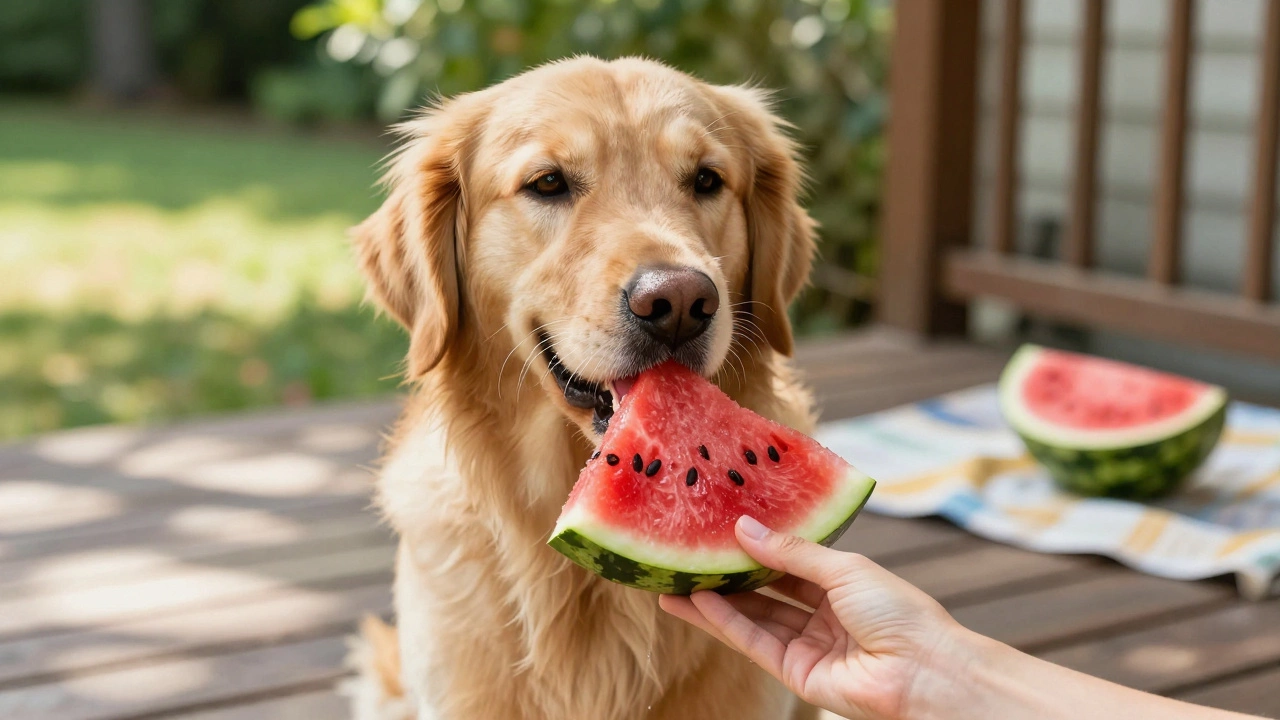
Many dog owners wonder if watermelon is safe for their pups. It’s a juicy, sweet summer treat humans love - but is it okay for dogs? The short answer: yes, but with important rules. Watermelon isn’t just harmless; it can actually be a healthy snack when given the right way. But if you skip the prep steps, you could put your dog at risk.
Why Watermelon Can Be a Good Treat for Dogs
Watermelon is over 90% water, which makes it a great option for keeping your dog hydrated, especially on hot days. It’s also low in calories - just 46 calories per cup - and contains vitamins A, B6, and C, plus potassium and antioxidants like lycopene. These nutrients support skin health, immune function, and even eye health in dogs.
Unlike many human snacks, watermelon doesn’t contain artificial sweeteners, heavy sugars, or preservatives when served plain. That’s a big plus. A small amount can be a refreshing alternative to store-bought treats that are often loaded with fillers. Many vets recommend it as a cooling, low-calorie reward during training or after walks.
How to Prepare Watermelon for Your Dog
Not all parts of watermelon are safe. The rind and seeds are the real dangers.
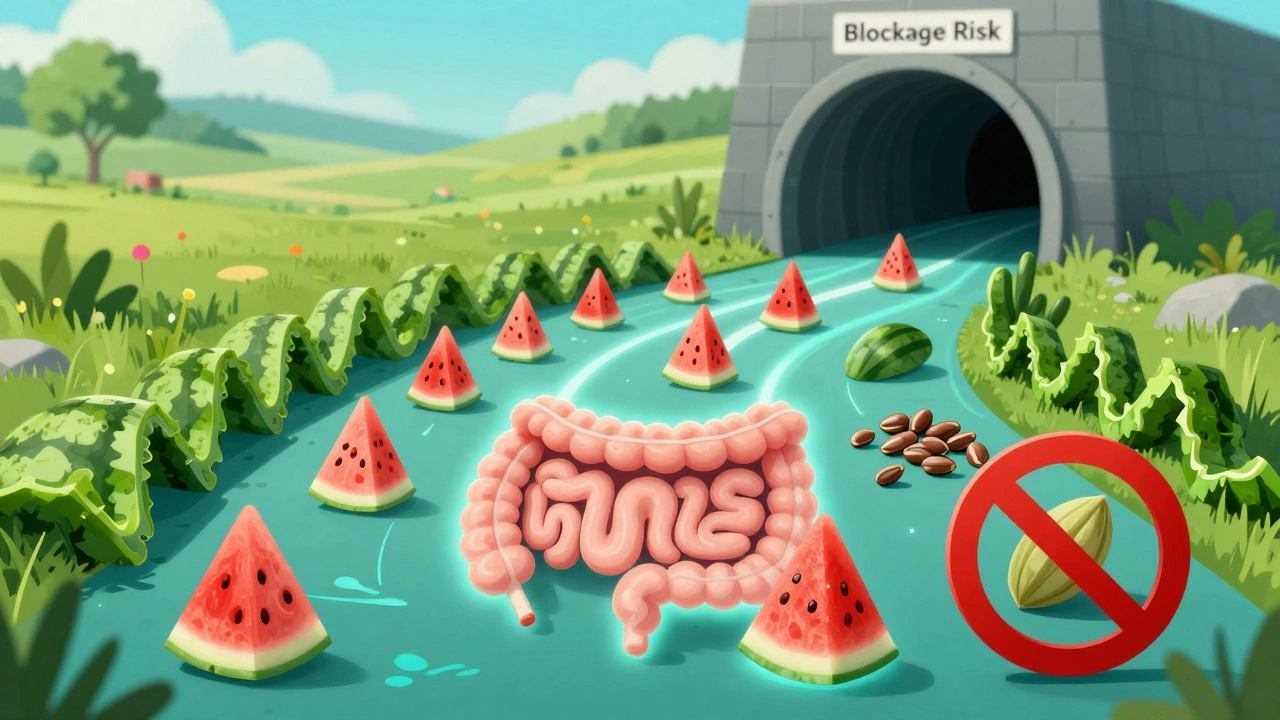
- Remove the rind. The green outer skin is tough to digest and can cause choking or intestinal blockages. Even small pieces can irritate your dog’s stomach.
- Take out the seeds. Black or white seeds can cause intestinal blockages, especially in small breeds. A few seeds won’t hurt most dogs, but it’s not worth the risk. Always scoop them out or buy seedless watermelon.
- Cut it into bite-sized pieces. A few chunks, about the size of a dice, are enough for a medium-sized dog. Too much can lead to diarrhea or an upset stomach.
Freezing watermelon cubes is a great way to make a cool treat for summer. Just skip the sugar or syrup - some people blend it with yogurt or honey, but those aren’t necessary and can add unhealthy sugars.
How Much Watermelon Is Safe?
Portion control matters. Treats, including fruits like watermelon, should make up no more than 10% of your dog’s daily calorie intake.
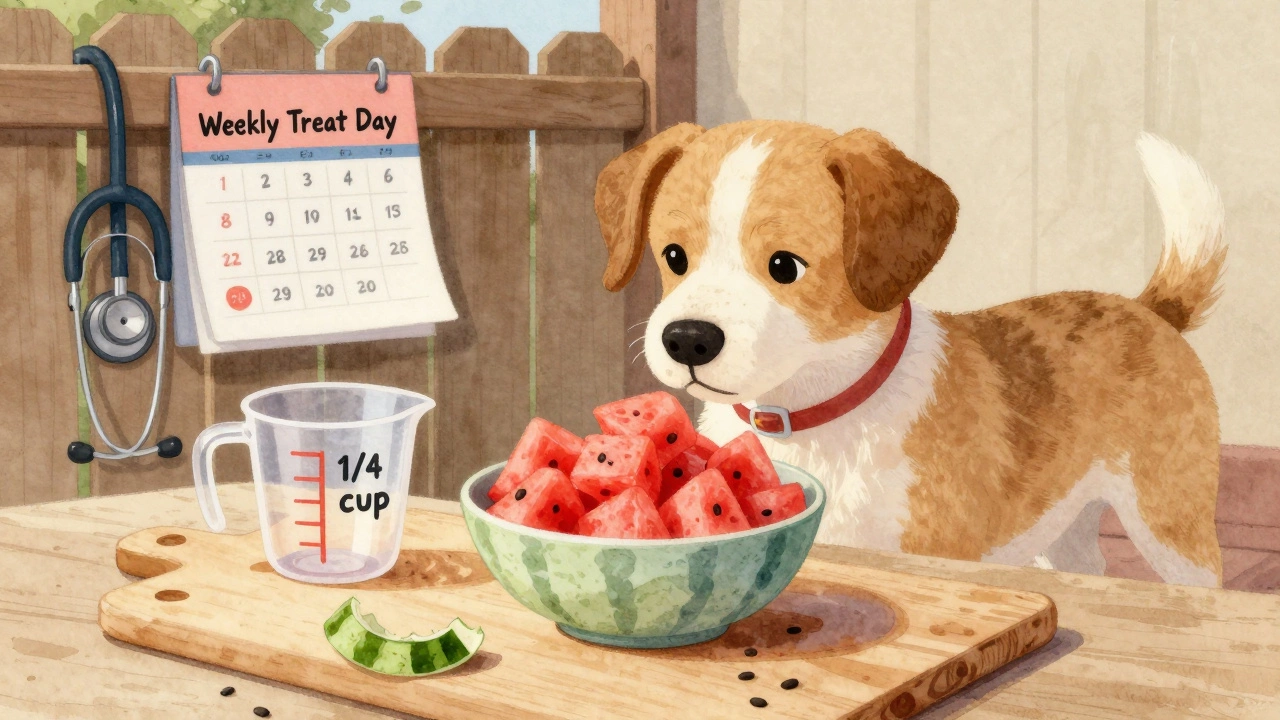
For a 20-pound dog, that’s about 1/4 cup of diced watermelon once or twice a week. For a 60-pound dog, 1/2 to 3/4 cup is fine. Start with a small amount if your dog has never had it before. Watch for loose stools or vomiting - signs your dog’s digestive system isn’t handling it well.
Some dogs have sensitive stomachs. If your dog gets diarrhea from watermelon, skip it. There are plenty of other safe fruits like blueberries, apples (without seeds), and bananas that can be swapped in.
What Happens if Your Dog Eats Seeds or Rind?
Accidents happen. If your dog chews on a watermelon rind or swallows a few seeds, don’t panic - but don’t ignore it either.
A single seed or tiny bit of rind is unlikely to cause harm in a large dog. But in small breeds like Chihuahuas or toy poodles, even a few seeds can lead to blockages. Watch for:
- Loss of appetite
- Vomiting
- Straining to poop
- Lethargy or abdominal pain
If you see any of these signs, call your vet. Blockages can be serious and may need X-rays or surgery. It’s better to be safe than sorry.
Watermelon vs. Other Dog-Friendly Fruits
Watermelon isn’t the only fruit dogs can enjoy. Here’s how it compares to other common options:
| Fruit | Calories per Cup | Water Content | Key Benefits | Prep Notes |
|---|---|---|---|---|
| Watermelon | 46 | 92% | Hydration, lycopene, vitamins A and C | Remove rind and seeds |
| Blueberries | 84 | 84% | Antioxidants, fiber, low sugar | Feed whole - no prep needed |
| Apples (without seeds) | 57 | 86% | Fiber, vitamin C, dental crunch | Remove core and seeds |
| Bananas | 105 | 75% | Potassium, vitamin B6 | Peel and slice - high in sugar |
| Strawberries | 49 | 91% | Vitamin C, enzymes for teeth | Remove stems, cut in half |
Watermelon wins for hydration and low calorie count. Blueberries are better for antioxidants. Bananas are higher in sugar and should be given sparingly. The best approach is variety - rotate safe fruits to keep your dog’s diet interesting and balanced.
When to Avoid Watermelon Completely
Some dogs should never eat watermelon:
- Diabetic dogs. Even natural sugars can spike blood glucose. Talk to your vet before offering any fruit.
- Dogs with pancreatitis. High water content is fine, but the sugar and fiber can trigger flare-ups.
- Overweight dogs. While low-calorie, it still adds unnecessary sugar. Stick to vegetables like carrots or green beans instead.
- Puppies under 6 months. Their digestive systems are still developing. Stick to their regular puppy food until they’re older.
If your dog has any chronic health condition, always check with your vet before introducing new foods - even healthy ones.
Real-Life Example: What Happened When a Dog Ate Too Much
A client in Bristol brought in her 4-year-old Labrador, Max, after he ate half a watermelon - rind and all - during a family picnic. He was vomiting and wouldn’t eat for two days. An X-ray showed a small blockage from rind pieces. He needed fluids and medication, but no surgery. It cost over £500 in vet bills and took a week to recover.
Max’s owner didn’t know the rind was dangerous. She thought since it was a fruit, it was fine. Now she freezes watermelon cubes without seeds and gives them as a weekly treat. She keeps the whole fruit out of reach.
That’s the lesson: it’s not about the fruit. It’s about how you serve it.
Final Verdict: Yes, But Carefully
Watermelon is safe and even beneficial for dogs - if you remove the rind and seeds and give it in small amounts. It’s a hydrating, nutrient-rich snack that can replace less healthy treats. But it’s not a meal replacement. It’s not a cure-all. And it’s not for every dog.
If you’re looking to add more variety to your dog’s diet, watermelon is a smart choice - just not the only one. Pair it with other safe fruits, stick to portions, and always watch for reactions. Your dog will thank you with happy tail wags and a clean bowl.
Can dogs eat watermelon rind?
No, dogs should never eat watermelon rind. It’s hard to digest and can cause choking or intestinal blockages. Always remove the green outer skin before giving watermelon to your dog.
Are watermelon seeds dangerous for dogs?
Yes, especially in large amounts or for small dogs. Seeds can cause intestinal blockages. Always remove them or use seedless watermelon. A few accidental seeds won’t harm most dogs, but don’t risk it.
How much watermelon can I give my dog?
Limit it to 10% of your dog’s daily calories. For a 20-pound dog, that’s about 1/4 cup of diced watermelon once or twice a week. Larger dogs can have up to 3/4 cup. Always start with a small amount to test tolerance.
Can diabetic dogs eat watermelon?
No, diabetic dogs should avoid watermelon. Even though it’s mostly water, it contains natural sugars that can raise blood glucose levels. Stick to low-sugar vegetables like green beans or cucumber instead.
Is frozen watermelon safe for dogs?
Yes, frozen watermelon cubes are a great summer treat. Just make sure they’re seedless and rind-free. Freezing doesn’t change the sugar content, so portion control still matters. Avoid adding yogurt, honey, or sugar before freezing.
What are signs my dog had too much watermelon?
Signs include loose stools, diarrhea, vomiting, or loss of appetite. These usually appear within a few hours. If symptoms last more than 24 hours or your dog seems lethargic, contact your vet. Too much watermelon can upset digestion, even if it’s not toxic.