Shock collars have been used for decades to stop unwanted dog behavior, but they’re not just outdated-they’re harmful. Many pet owners feel trapped: they want their dog to stop pulling on the leash, barking at strangers, or chasing cars, but they don’t want to cause pain. The truth is, you don’t have to. There are proven, science-backed alternatives that work better, build trust, and don’t leave your dog afraid of you.
Why Shock Collars Don’t Work Long-Term
Shock collars deliver an electric pulse to your dog’s neck when they misbehave. It sounds simple: stop the bad behavior, and the pain stops. But that’s not how learning works for animals-or humans, for that matter.Studies from the University of Lincoln and the University of Bristol show that dogs trained with shock collars show higher levels of stress hormones, increased fear responses, and even aggression toward people or other animals. The dog doesn’t learn what to do-they just learn to avoid the pain. That means they might stop barking when you’re nearby, but start barking when you’re not. Or they might freeze up entirely, too scared to move.
Worse, dogs don’t understand why they’re being shocked. If your dog pulls on the leash and gets shocked, they don’t think, “I pulled too hard.” They think, “That hurt. Maybe it was the squirrel. Maybe it was the man in the blue coat. Maybe it was the sidewalk.” This confusion leads to anxiety, not obedience.
What Works Better Than a Shock Collar
The most effective training methods don’t punish-they teach. Positive reinforcement, the cornerstone of modern dog training, rewards good behavior so your dog learns to repeat it. It’s not magic. It’s biology. Dogs (and all animals) are wired to repeat actions that lead to good outcomes.Here are the top humane alternatives to shock collars, backed by behaviorists and veterinary associations like the British Veterinary Association and the American Veterinary Society of Animal Behavior:
- Head halters like the Halti or Gentle Leader gently guide your dog’s head, making it easier to control direction without pulling. They don’t hurt-they redirect.
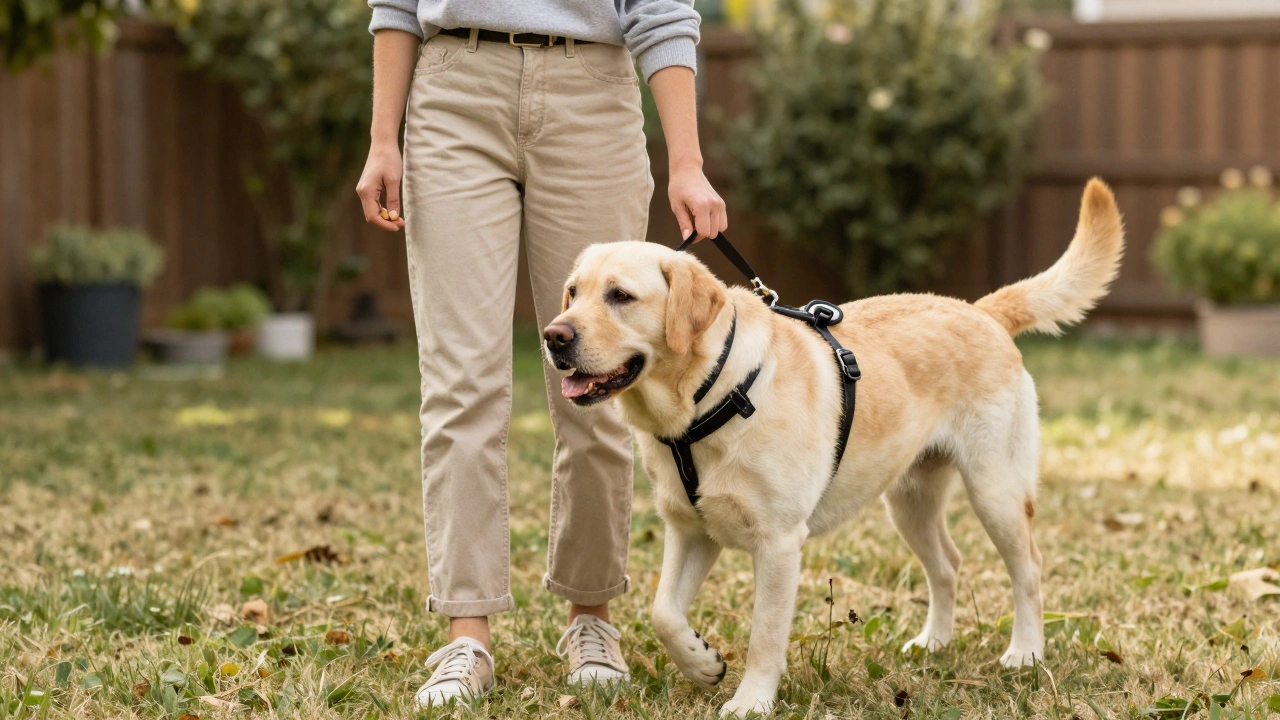
- Front-clip harnesses (like the EasyWalk or Freedom Harness) shift your dog’s balance when they pull, making it uncomfortable to tug forward. Most dogs quickly learn that walking calmly keeps things easier.
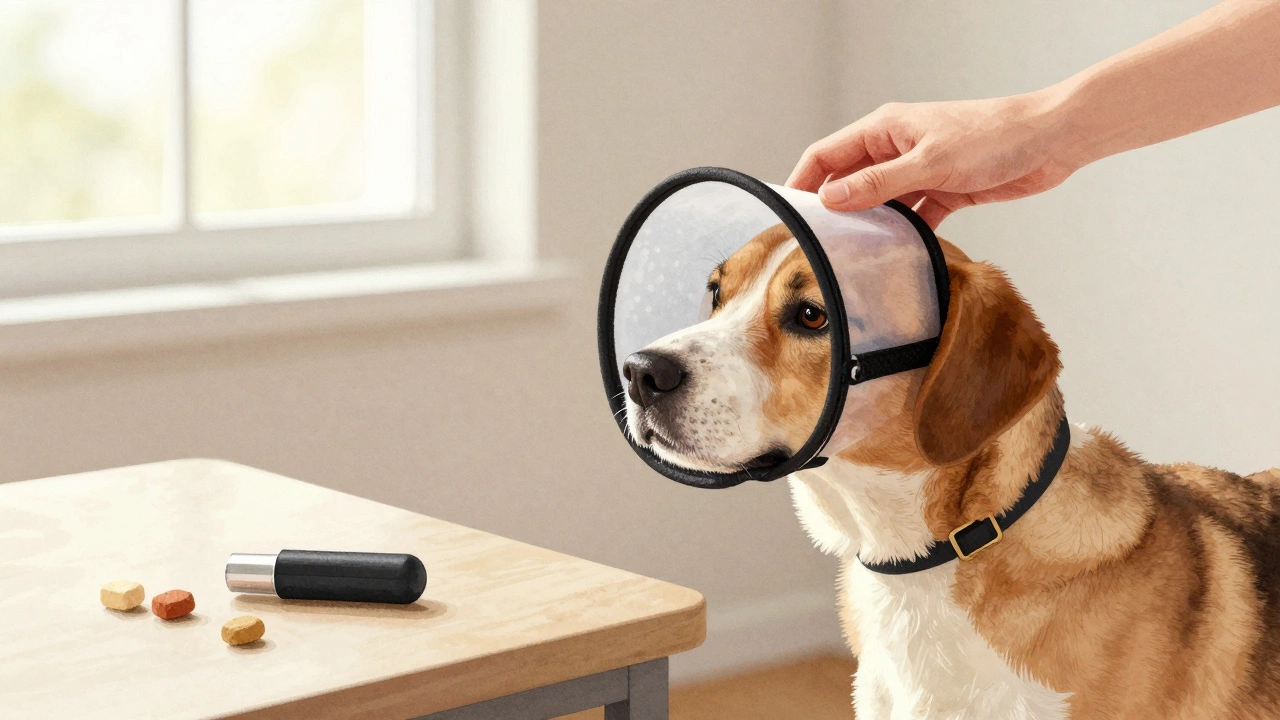
- Citronella spray collars release a puff of harmless, scent-based spray when your dog barks. Dogs dislike the smell, but it’s not painful. Studies show these are as effective as shock collars at reducing barking-with far less stress.
- Vibration collars give a gentle buzz, not a shock. They’re useful for deaf dogs or as a warning cue when paired with clear training cues. Used correctly, they’re a signal, not a punishment.
- Clicker training uses a small device that makes a clicking sound to mark the exact moment your dog does something right, followed by a treat. It’s precise, fast, and builds confidence.
How to Choose the Right Tool for Your Dog
Not every tool works for every dog. A high-energy Border Collie needs different support than a senior Basset Hound. Here’s how to match the tool to your dog’s needs:| Behavior Issue | Best Tool | Why It Works |
|---|---|---|
| Pulling on leash | Front-clip harness | Reduces pulling force by shifting balance; encourages walking beside you |
| Excessive barking | Citronella collar + training | Interrupts barking without pain; works best when paired with teaching "quiet" command |
| Chasing cars or bikes | Long line + recall training | Keeps dog safe while teaching them to come when called, even with distractions |
| Jumping on people | Clicker training + ignore behavior | Teaches dog that calm behavior gets attention; jumping gets nothing |
| Deaf dog | Vibration collar + hand signals | Provides clear tactile cue without relying on sound |
Remember: tools alone won’t fix behavior. They’re aids-not solutions. The real work happens in training. A front-clip harness won’t make your dog walk nicely unless you reward them for staying by your side. A citronella collar won’t stop barking unless you teach your dog what to do instead.

Real Success Stories: No Shock, No Problem
In Bristol, I’ve seen owners turn things around with simple changes. One woman had a rescue terrier who’d bark nonstop at delivery drivers. She tried a shock collar first. The barking stopped-until she wasn’t home. Then it got worse. She switched to a citronella collar and started teaching the "quiet" command with treats. In three weeks, the dog learned to look at her instead of barking. Now, when the doorbell rings, she says "quiet," the dog turns to her, and she gives a treat. No shock. No fear. Just trust.Another owner had a young Labrador who lunged at other dogs on walks. He used a head halter and practiced "look at me" exercises every day. Within a month, the dog started checking in with him before reacting. Now, they walk past other dogs without tension.
These aren’t miracles. They’re examples of consistent, kind training.
What to Avoid When Switching from Shock Collars
If you’re switching from a shock collar, here are the mistakes most people make:- Switching tools but not changing your mindset. If you still yell, jerk the leash, or feel frustrated when your dog makes a mistake, you’re still using punishment-even if it’s not electric.
- Expecting instant results. Shock collars give quick suppression. Humane methods build lasting change. It takes weeks, not days.
- Using multiple tools at once. Don’t put on a head halter, a vibration collar, and a prong collar all at once. That’s sensory overload. Pick one tool, master it, then move on.
- Ignoring the root cause. Is your dog barking because they’re bored? Anxious? Overstimulated? Fixing the behavior without addressing the cause is like putting a bandage on a broken bone.
Getting Started: Your 7-Day Plan
You don’t need expensive gear or a professional trainer to begin. Here’s a simple plan to replace shock collar use in just one week:- Day 1: Buy a front-clip harness or head halter. Avoid anything that tightens or punishes.
- Day 2: Get a bag of small, soft treats. Use chicken, cheese, or commercial training treats your dog loves.
- Day 3: Practice "look at me" indoors. Say your dog’s name, wait for eye contact, then say "yes!" and give a treat. Repeat 10 times a day.
- Day 4: Walk on a leash with the new harness. Every time your dog walks calmly beside you, say "yes!" and treat. Ignore pulling.
- Day 5: If barking is an issue, try a citronella collar. Don’t activate it randomly-only when your dog barks, and only as a cue. Then immediately redirect with a treat and a command like "quiet."
- Day 6: Practice recall. Call your dog in a quiet space. When they come, celebrate with treats, praise, and play.
- Day 7: Reflect. Did your dog seem less anxious? Did they start looking to you for guidance? That’s progress.
By the end of the week, you won’t need a shock collar. You’ll have a dog who wants to work with you-not one who fears you.
When to Call a Professional
If your dog shows fear, aggression, or extreme anxiety-even after trying these tools-it’s time to work with a certified professional. Look for a trainer who uses positive reinforcement and avoids terms like "dominance," "alpha," or "correction."Organizations like the Association of Professional Dog Trainers (APDT) and the International Association of Animal Behavior Consultants (IAABC) have directories of certified trainers who don’t use shock, prong, or choke collars. In the UK, the Pet Professional Guild is a trusted resource.
Training isn’t about control. It’s about communication. And the best way to communicate with your dog is with kindness, patience, and consistency.
Are vibration collars humane?
Yes, when used correctly. Vibration collars deliver a gentle buzz, not a shock. They’re not meant to punish but to get your dog’s attention. Used as a cue-paired with positive reinforcement-they can help dogs who are deaf or easily distracted. But if you use them to correct behavior without teaching what to do instead, they become stressful. Always pair vibration with a reward.
Can citronella collars make my dog sick?
No. Citronella spray is non-toxic and safe for dogs. The scent is unpleasant to dogs, which is why it interrupts barking, but it doesn’t cause harm. Some dogs may sneeze or shake their heads when sprayed, but that’s a natural reaction to the smell, not an injury. Always choose a collar with a refillable, pet-safe canister.
Do head halters hurt dogs?
No, when fitted and introduced properly. A head halter works like a gentle guide, similar to a horse halter. It doesn’t choke or tighten. Some dogs resist at first because it’s new, but with slow, positive training, most adapt quickly. Never force it on. Let your dog sniff it, wear it for short periods with treats, and build up slowly.
How long does it take to train a dog without a shock collar?
It varies. Simple behaviors like walking on a loose leash can improve in 1-2 weeks with daily practice. Complex issues like aggression or fear-based barking may take 6-12 weeks. The key isn’t speed-it’s consistency. Dogs learn best through repetition and positive outcomes, not punishment. Patience pays off.
Is it illegal to use shock collars in the UK?
Yes. Shock collars have been banned in England since 2018 under the Animal Welfare (Electronic Collars) Regulations. Wales followed in 2020, and Scotland banned them in 2021. Northern Ireland is moving toward a ban. Even where not yet illegal, most vets, trainers, and animal charities strongly advise against them.
What’s the cheapest humane alternative?
The cheapest and most effective tool is your time. A standard flat collar, a 6-foot leash, and a bag of treats cost under £20. Pair that with free online resources from the RSPCA or the Kennel Club, and you can train your dog without spending a penny on gadgets. Tools like harnesses or collars help, but the real investment is your attention and patience.
Next Steps: Build a Better Bond
Replacing a shock collar isn’t just about changing a device-it’s about changing how you see your dog. They’re not trying to be bad. They’re trying to communicate. When you stop using pain to control behavior and start using kindness to teach it, you don’t just get a better-behaved dog. You get a happier, more confident partner.Start small. Pick one behavior. Pick one tool. Be consistent. Celebrate the little wins. And remember: the goal isn’t perfect obedience. It’s a relationship built on trust.