Dog Overnight Solitude Safety Calculator
Have you ever stared at the clock at 10 PM, wondering if it’s safe to leave your dog home while you sleep in or head out early? The question of whether it is cruel to leave a dog alone overnight touches on deep instincts, modern living realities, and the specific needs of your furry companion. The short answer is no-it is not inherently cruel-but the long answer depends entirely on how you prepare their environment.
Dogs are social creatures, but they are also adaptable. In the wild, canines rest in dens, often separated from the pack for safety or hunting reasons. Your home is that den. However, unlike their ancestors, domestic dogs have formed profound bonds with humans. Leaving them alone requires more than just locking a door; it demands creating a space where they feel secure, comfortable, and physically supported. This is where the right setup, particularly a high-quality dog bed, becomes critical to their well-being.
How long can a dog be left alone overnight?
Most adult dogs can handle being alone for 8-10 hours overnight without issue, provided they are exercised beforehand and have a comfortable resting spot. Puppies under six months generally cannot hold their bladder this long and should not be left alone for full nights.
The Science of Canine Sleep and Security
To understand if leaving your dog alone is fair, we need to look at how they actually sleep. Dogs are polyphasic sleepers, meaning they nap throughout the day and night. An average adult dog sleeps between 12 and 14 hours a day. When you go to bed, your dog usually does too. If you are sleeping in the same room, they feel the security of your presence. If you are gone, that dynamic changes.
The key factor isn't just the duration of solitude, but the quality of their rest. Stress disrupts sleep architecture. A stressed dog experiences lighter sleep cycles, making them more prone to waking up anxious, barking, or pacing. This is why the physical environment matters so much. A dog left in a cold, hard floor environment will struggle to settle. Conversely, a dog in a warm, familiar, and supportive space mimics the feeling of a den, triggering natural relaxation responses.
Consider the concept of "denning behavior." Dogs instinctively seek enclosed, soft spaces to sleep. This is an evolutionary trait designed to protect them from predators and harsh weather. By providing a proper sleeping arrangement, you aren't just giving them furniture; you are satisfying a biological need for security. Without this, the night becomes a period of vigilance rather than rest, which can lead to fatigue and behavioral issues the next day.
Age Matters: Puppies vs. Adult Dogs
Not all dogs are created equal when it comes to handling solitude. The most critical variable is age. Leaving a fully grown, trained dog alone overnight is vastly different from leaving a three-month-old puppy in the same situation.
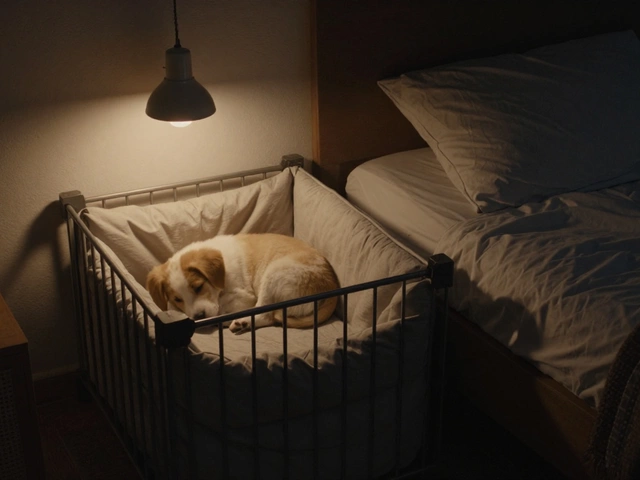
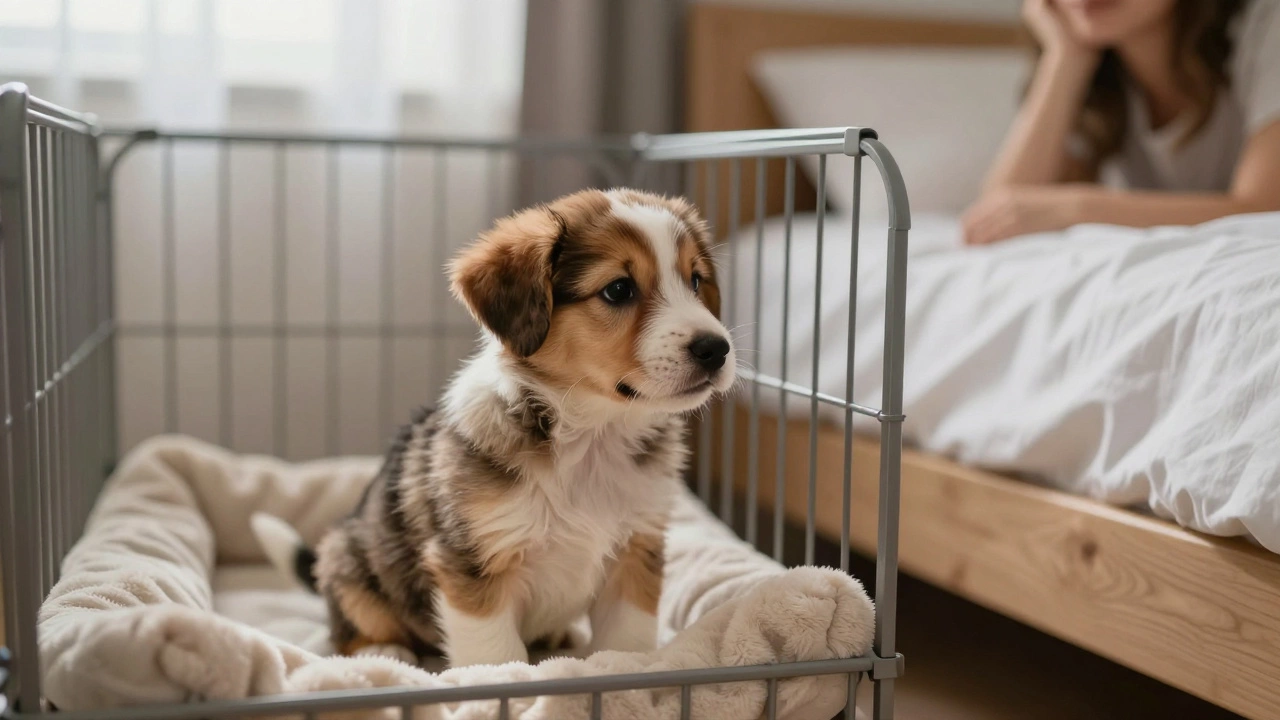
Puppies have tiny bladders and huge social needs. They often cannot physically hold their urine for eight hours. If you leave a puppy alone overnight, you aren't testing their patience; you are setting them up for failure. They will likely wake up, realize they need to go, panic, and eliminate in their sleeping area. This creates a negative association with being alone and damages trust. For puppies, the solution isn't to toughen them up; it's to use a crate near your bedroom or bring them into your bed initially.
Adult dogs, typically those over one year old, have developed bladder control and emotional resilience. Many adult dogs thrive on routine. If they know that after dinner and a final potty break, they get to sleep until morning, they accept this as part of the daily rhythm. Senior dogs may have different needs, such as arthritis pain that makes hard floors unbearable, requiring extra orthopedic support to ensure they don't suffer during the night.
| Age Group | Bladder Control | Social Need | Recommended Setup |
|---|---|---|---|
| Puppy (Under 6 months) | Low | Very High | Crate next to owner's bed |
| Adult (1-7 years) | High | Moderate | Dedicated dog bed in quiet area |
| Senior (8+ years) | Variable | Moderate | Orthopedic bed, easy access to water |
The Role of the Dog Bed in Preventing Anxiety
This is where the topic connects directly to equipment. You might wonder why a simple piece of furniture is relevant to cruelty. It’s because discomfort breeds stress. Imagine trying to sleep on a concrete floor with a stiff back. Now imagine doing it while hearing strange noises in the dark. That is what a poorly equipped dog experiences.
A high-quality dog bed is a specialized resting surface designed to provide ergonomic support, thermal regulation, and psychological security for canines. It serves three primary functions that mitigate the potential cruelty of isolation:
- Thermal Regulation: Dogs lose body heat through their paws and belly. Insulated beds retain warmth, preventing shivering and muscle tension that keeps dogs awake.
- Joint Support: Memory foam or orthopedic materials distribute weight evenly. For older dogs or large breeds like Great Danes, this prevents pain from accumulating during long periods of stillness.
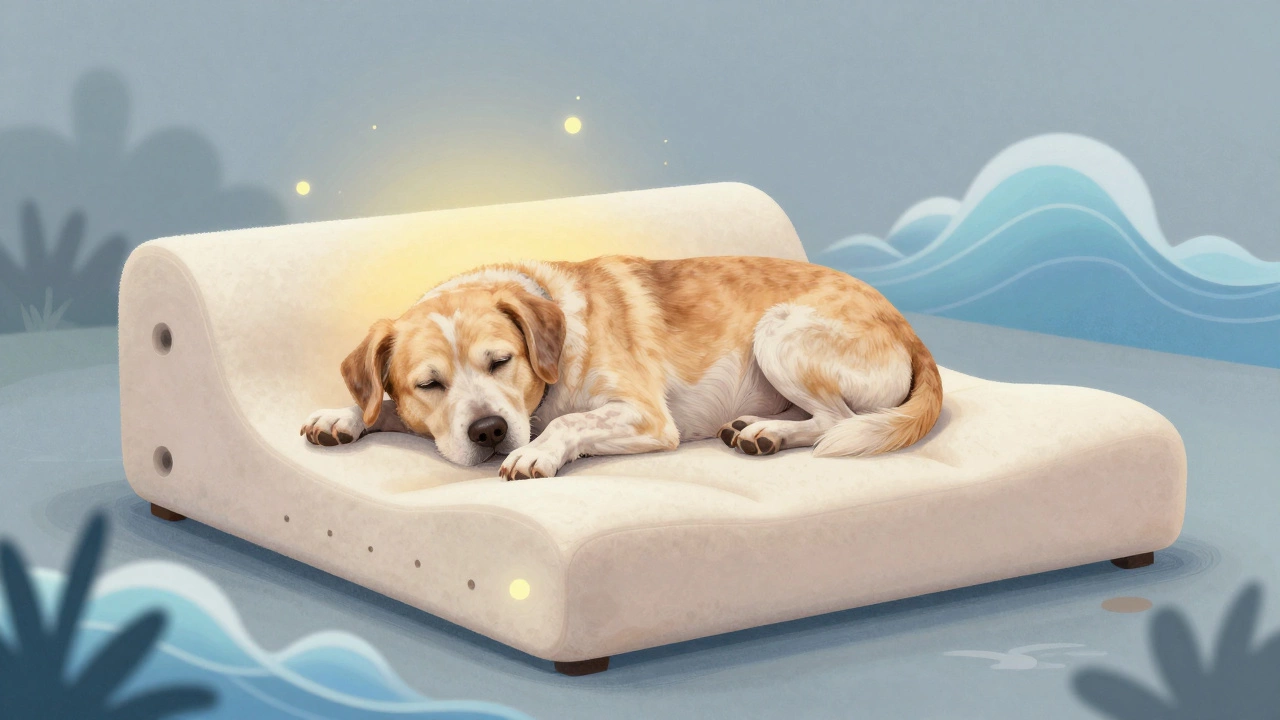
- Sensory Comfort: Plush, raised edges mimic the feeling of being surrounded. This "cave" effect reduces visual stimuli that might trigger alertness, allowing the dog to drift into deeper sleep stages.
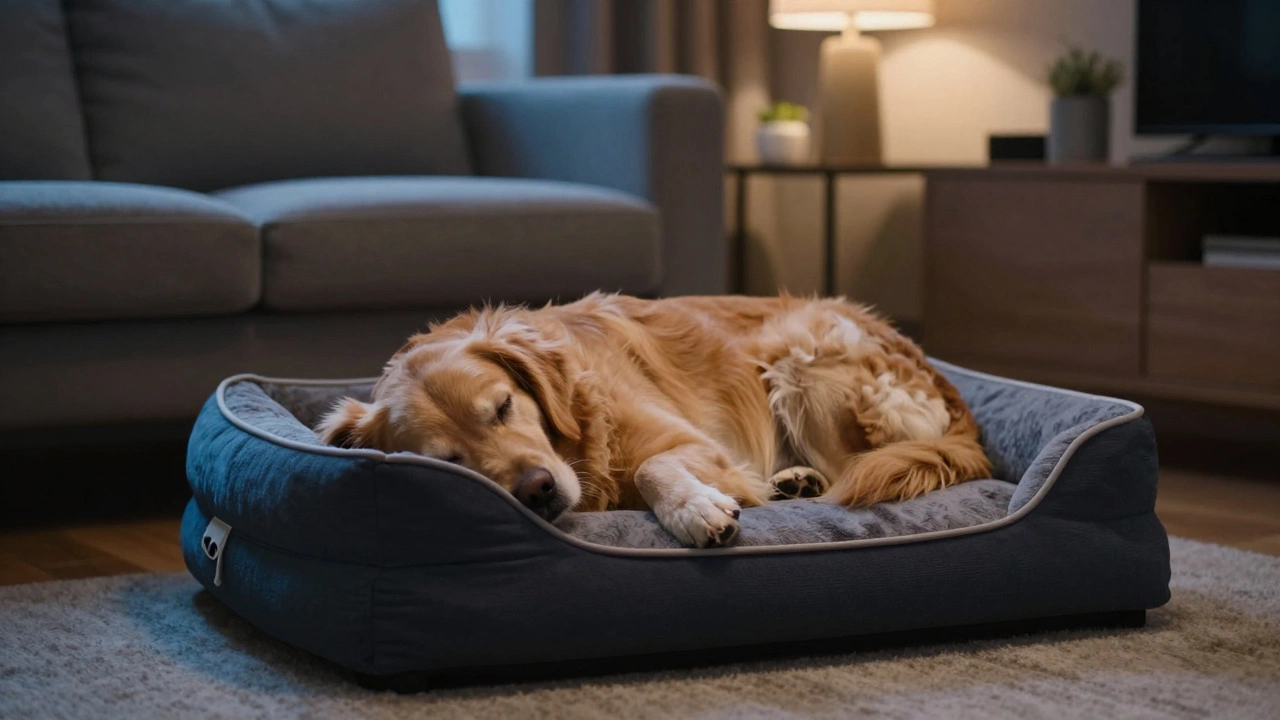
If you leave your dog alone, do not let them sleep on bare tile or hardwood. These surfaces conduct cold and offer zero cushioning. Providing a dedicated, comfortable bed signals to the dog that this is their safe zone. It transforms the empty house from a scary void into a personal sanctuary.
Signs Your Dog Is Struggling
How do you know if you are crossing the line from acceptable solitude to neglect? Watch for these behavioral red flags upon your return or via pet cameras:
- Destructive Chewing: If your dog is chewing baseboards, doors, or their own bed, they are acting out of frustration or anxiety, not boredom.
- Excessive Vocalization: Occasional barking is normal. Continuous howling or whining indicates distress.
- House Soiling: Accidents in a previously house-trained dog suggest they were too anxious to wait or didn't know where to go.
- Refusal to Eat/Sleep: If your dog spends the entire night standing or pacing instead of lying down, their environment is not conducive to rest.
If you notice these signs, leaving them alone overnight may indeed be harmful. In such cases, consider hiring a dog sitter who stays overnight, using a pet daycare that offers sleepovers, or gradually desensitizing your dog to longer periods of separation during the day first.
Creating the Perfect Overnight Environment
To ensure your dog is happy and healthy while you are away, follow this checklist before you leave for the night:
- Exercise Before Bed: A tired dog is a good dog. A brisk walk or play session 30 minutes before bedtime helps burn off excess energy.
- Final Potty Break: Always take them out right before you settle in or leave. Empty bladders mean fewer accidents.
- Comfortable Temperature: Ensure the room is neither too hot nor too cold. Most dogs prefer temperatures between 60-80°F (15-27°C).
- Familiar Scent: Place an unwashed t-shirt with your scent on their bed. This provides olfactory reassurance that you are nearby.
- Quiet Background Noise: Leave a radio or white noise machine on low volume. Silence can amplify every creak of the house, making dogs hyper-vigilant.
By combining physical comfort with mental preparation, you respect your dog's nature while accommodating your lifestyle. It is not about abandoning them; it is about empowering them to rest safely in your absence.
Should I let my dog sleep in my bed if I'm worried about leaving them alone?
Co-sleeping can reduce anxiety for both you and your dog, but it may make separation harder later. If you choose this route, ensure you have a consistent routine so the dog doesn't become overly dependent on your physical presence to fall asleep.
What type of dog bed is best for overnight solitude?
For overnight use, choose a bed with raised edges or a cave-like design for security. Orthopedic foam is ideal for older dogs, while plush, washable covers are best for younger, active dogs who may have accidents.
Can separation anxiety make leaving a dog alone cruel?
Yes. If a dog has diagnosed separation anxiety, leaving them alone for extended periods causes significant psychological distress. In these cases, professional training or medication may be required before they can handle overnight solitude.
Is it okay to leave a dog alone in a crate overnight?
Crate training can be beneficial if done correctly, as it satisfies denning instincts. However, the crate must be large enough for the dog to stand and turn around, and it should never be used as punishment. Puppies should not be crated for more than 4-5 hours continuously.
How can I tell if my dog is lonely at night?
Watch for pacing, excessive drooling, destructive behavior, or vocalization. Pet cameras can help monitor their behavior remotely. If your dog seems restless or unable to settle, they may need more daytime interaction or a change in their sleeping environment.