Dog Grooming Safety & Tool Matcher
Select your dog's characteristics below to receive personalized recommendations for keeping them still and safe during grooming.
Primary Restraint Method
Calming Techniques
Owner Action Checklist
Select options above to see recommended tools.
You’ve seen it at the salon: a frantic terrier suddenly turning into a statue while a clipper buzzes near its ears. Or maybe your own pup goes from zero to hero in three seconds flat when you try to brush their tail. It feels like magic, but it’s actually a mix of physics, psychology, and specialized gear. Dog groomers don’t just hope for cooperation; they engineer it. They use specific tools and behavioral cues to manage movement, ensuring both the dog’s safety and the quality of the cut.
The Foundation: The Grooming Table
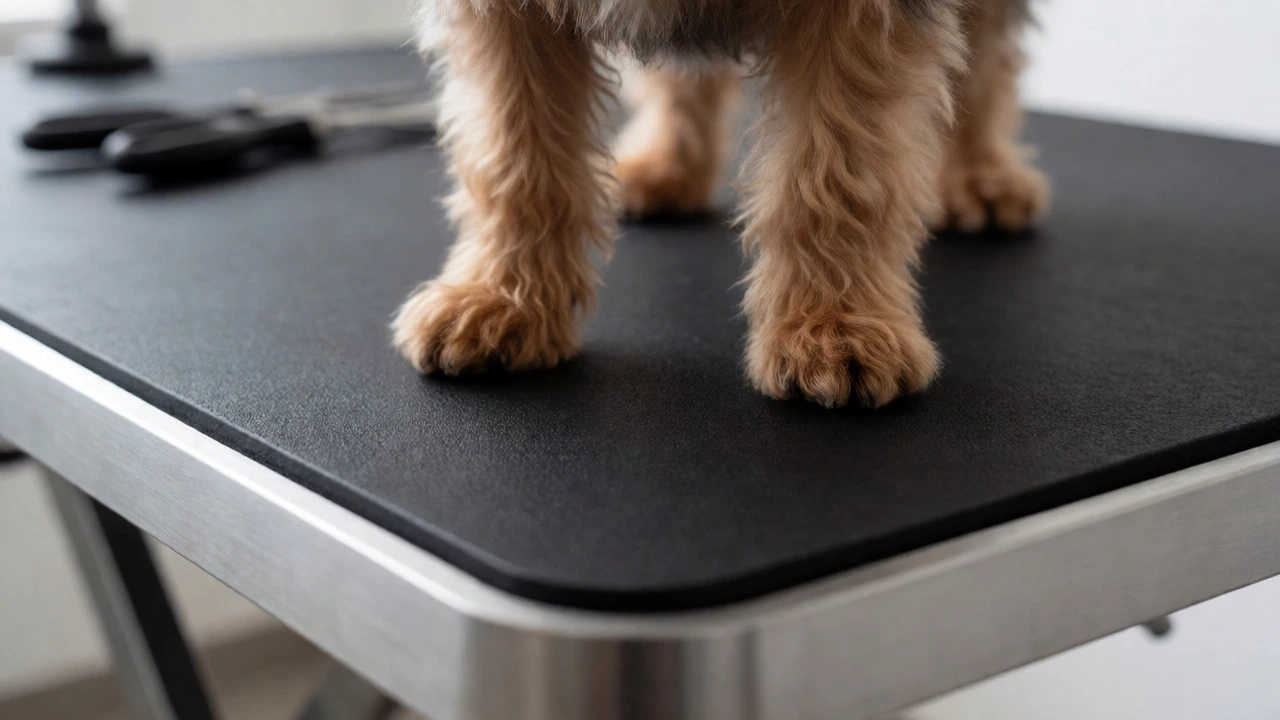
Everything starts with the surface. A standard kitchen counter won’t cut it-literally. Professional grooming tables are designed with non-slip rubber mats. Why does this matter? Think about trying to stand on ice while someone pulls your arm. You’d slip, right? Dogs feel that same instability on slick surfaces, which triggers anxiety and wiggling. The textured rubber gives them traction, lowering their heart rate because they feel secure.
Most tables also feature adjustable heights. This isn’t just for the groomer’s back (though saving your spine is nice). Raising or lowering the table changes the dog’s perspective. For a nervous Chihuahua, being too high up can be terrifying. For a Great Dane, being too low might make them feel cramped. Finding that sweet spot where the dog’s paws feel planted is step one.
Safety First: Loops and Restraints
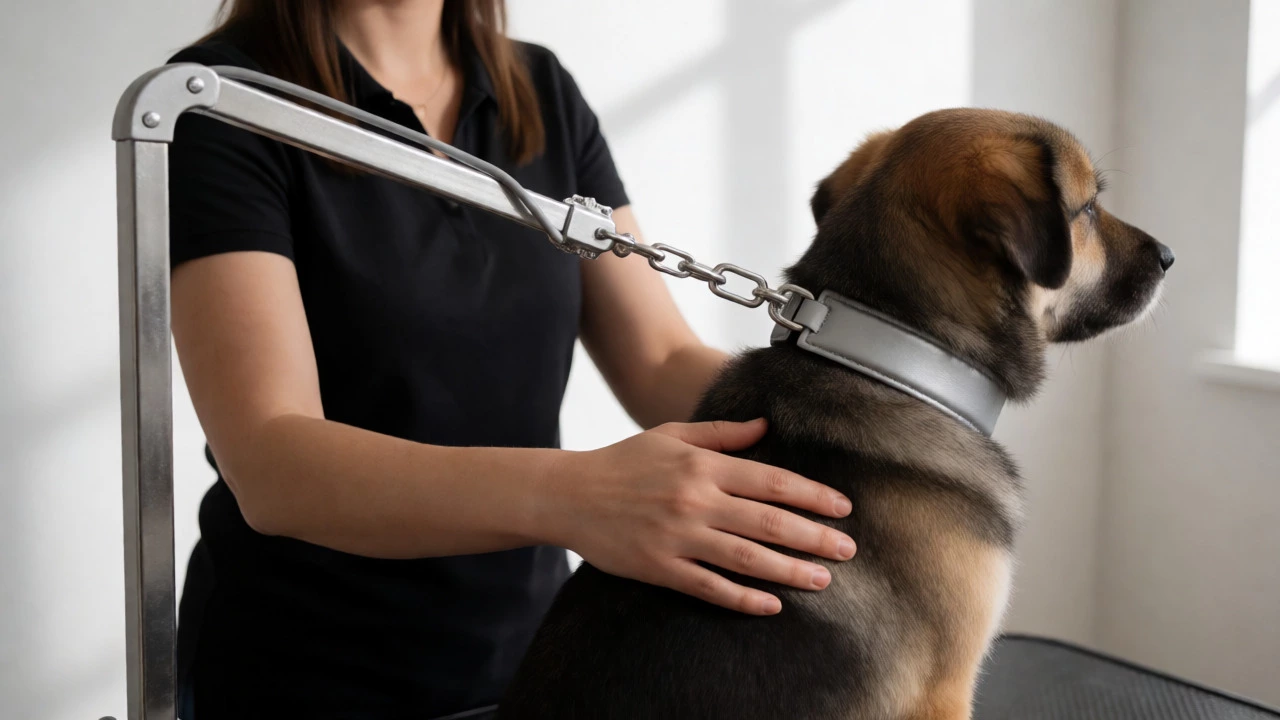
If you’ve ever watched a groomer work, you’ve likely seen a metal arm extending over the table with a soft loop around the dog’s neck. This is called a grooming loop. It looks simple, but using it wrong is dangerous.
The loop connects to a boom arm that clamps onto the side of the table. Its job isn’t to choke the dog, but to limit lateral movement. If a dog tries to jump off, the loop catches them gently. However, here is the golden rule: never leave a dog unattended on a table with a loop attached. If a panicked dog jumps down while leashed by the neck, they can injure their throat or break a hyoid bone. Experienced groomers keep one hand on the dog at all times, even if the loop is tight.
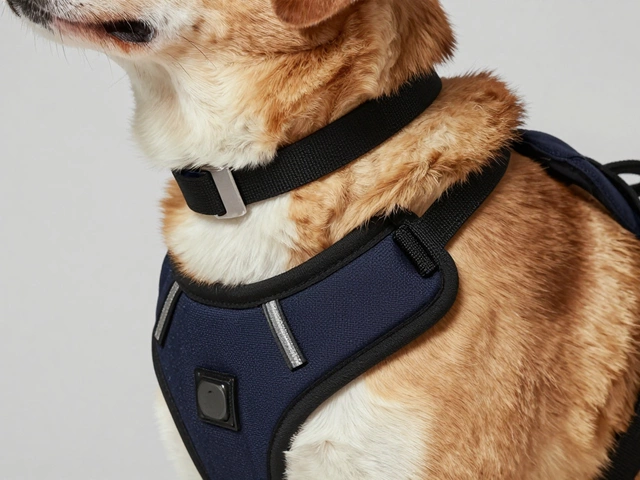
For larger breeds or those who pull forward, some groomers use a belly band or a harness-style restraint. These distribute pressure across the chest rather than the neck, which is much safer for brachycephalic breeds like Pugs or Bulldogs who already struggle with breathing.
Behavioral Tricks: Desensitization and Distraction
Tools only go so far. If a dog is terrified, no amount of rubber matting will stop them from shaking. That’s where human skill comes in. Good groomers read body language before they pick up a clipper. Are the whites of the eyes showing? Is the tail tucked? Those are red flags.
To calm a jittery dog, groomers often start with a "dry run." They let the dog sniff the equipment without turning it on. Then, they turn the dryer on low and point it away from the dog, gradually moving closer. This process, known as desensitization, teaches the dog that the scary noise doesn’t equal pain.
Distraction is another powerful tool. Many salons use peanut butter smeared on a silicone lick mat stuck to the wall or table leg. Licking releases endorphins in dogs, naturally calming them down. Others play classical music or white noise to mask the sound of other barking dogs. If your dog hates the dryer, ask your groomer if they can use a cool setting or break drying into short bursts with treats in between.
The Power of Two: Handling Assistants
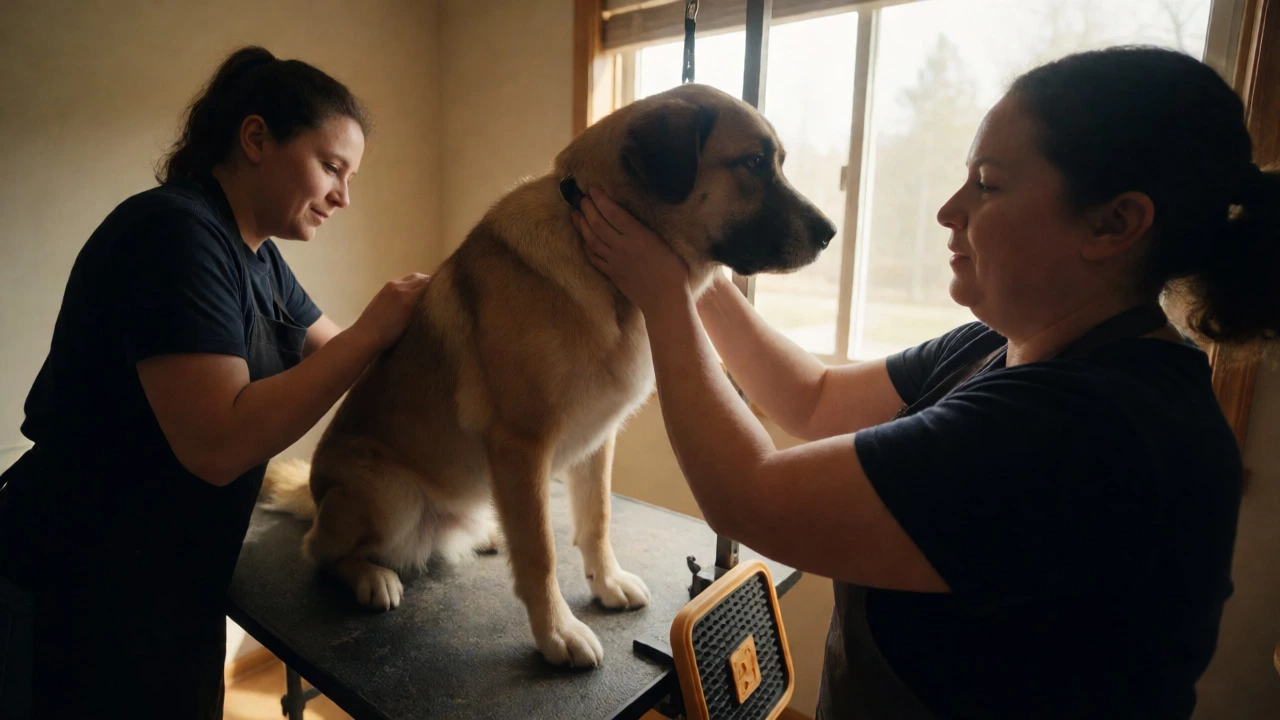
Some jobs require two people. When a dog needs a full shave-down or a bath, having an assistant hold the dog steady makes a huge difference. But it’s not just about brute force. The second person usually focuses on the head and front legs, keeping the dog’s gaze focused on them or offering treats, while the primary groomer works on the back and sides.
This division of labor prevents the dog from feeling overwhelmed. If one person tries to scrub, rinse, and hold all at once, the dog gets confused and fidgets more. With a team, the dog learns that the front stays relatively still while the back gets worked on. It’s a choreographed dance that requires practice and clear communication between staff members.
Special Cases: Muzzle Training and Sedation
Not every dog can be handled with treats and patience alone. Some dogs have bite histories or severe anxiety that makes grooming unsafe. In these cases, groomers may introduce a basket muzzle.
A basket muzzle allows the dog to pant, drink water, and take treats, but prevents biting. The key is introduction. Never slap a muzzle on a stressed dog for the first time during a bath. Try it at home first. Let the dog wear it for five minutes while eating lunch. Once they associate the muzzle with positive experiences, it becomes a tool for safety, not punishment. Remember, a muzzle protects the groomer, but it doesn’t fix the underlying fear. Pair it with extra breaks and gentle handling.
What about sedation? Many owners ask if their dog can be put to sleep for grooming. While veterinarians can prescribe mild sedatives like trazodone or gabapentin for anxious pets, most professional groomers prefer to avoid it. Sedated dogs lose muscle tone, making them harder to position safely on a table. Plus, if a dog is groggy, they can’t communicate pain or discomfort through body language. Always consult your vet before giving any medication, and never assume a sedative will make grooming easier-it might just make it riskier.
Choosing the Right Groomer for Your Anxious Dog
If your dog struggles to stay still, the solution might not be training-it might be finding a better match. Look for groomers who advertise "fear-free" or "low-stress" techniques. Ask them specifically how they handle nervous dogs. Do they offer split appointments? Can you stay in the room? Do they use muzzles only when necessary?
Here is a quick checklist to help you evaluate a potential groomer:
- Trajectory Check: Does the facility look clean and quiet? Loud, chaotic shops can trigger anxiety.
- Consultation: Will they meet your dog before booking a full service? A good groomer wants to assess temperament first.
- Communication: Do they listen to your concerns about biting or slipping?
- Flexibility: Are they willing to do shorter sessions to build trust?
| Method | Best For | Risk Level | Owner Action Required |
|---|---|---|---|
| Non-Slip Mat | All dogs | Low | None |
| Grooming Loop | Medium/Large breeds | Medium | Never leave unattended |
| Lick Mats/Treats | Anxious/Food-motivated dogs | Low | Provide safe treats |
| Basket Muzzle | Bite history/Severe anxiety | Low (if trained) | Desensitize at home |
| Assistant Hold | Large/Strong breeds | Low | Ensure shop has staff |
FAQ
Is it normal for my dog to shake during grooming?
Yes, especially for new clients or sensitive areas like paws and ears. Shaking is a stress response. If it persists throughout the appointment, talk to your groomer about breaking the session into smaller chunks or using calming aids like Adaptil diffusers in the room.
Can I stay in the room with my dog?
It depends on the groomer and the dog. Sometimes, owner presence increases anxiety because the dog wants to follow you. Other times, it calms them. Ask your groomer for their recommendation based on your dog's specific behavior. Often, sitting quietly in the corner without eye contact works best.
Why does my dog bite when we get home after grooming?
This is often "rebound aggression" or redirected frustration. The dog held their tension during the appointment and released it once they felt safe at home. Give them space, offer a chew toy, and avoid forcing interaction immediately after pickup.
Do groomers use sedation?
Professional groomers generally do not administer sedatives unless directed by a veterinarian. Over-the-counter calming chews are common, but prescription sedatives require veterinary oversight due to health risks, especially in older dogs or those with heart conditions.
How long should a dog stay on the table?
Ideally, no more than 15-20 minutes at a time without a break. Even well-behaved dogs fatigue quickly. Frequent breaks allow the dog to reset, stretch, and relieve themselves, making the rest of the appointment smoother.