Dog Walker Access Security Evaluator
Select your current or planned access method to see the security profile, estimated costs, and risk level.
Security Profile
Low RiskImplementation Cost
£0
Tracking Ability
None
Expert Insight:
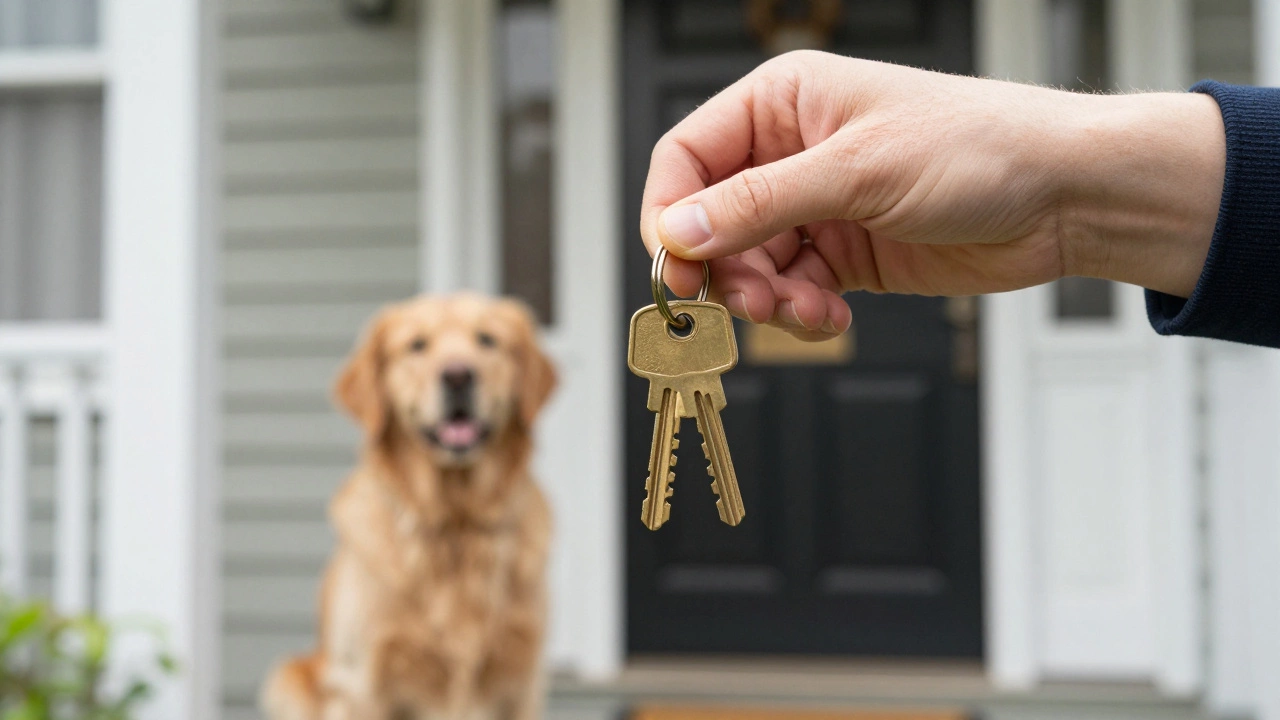
Handing over a spare set of house keys to a stranger feels a bit like gambling with your home security. On one hand, your dog needs their walk; on the other, you're giving someone total access to your bedroom, your jewelry, and your fridge. It's a classic dilemma for pet owners: do you trust the person you've hired, or do you find a way to keep your doors locked tight?
Quick Guide: Key Decisions
- Traditional Keys: Simple, but high risk if lost or copied.
- Lockboxes: Great for temporary access without handing over a physical key.
- Smart Locks: The gold standard for security and tracking.
- Key Exchange: Only for long-term, highly vetted professionals.
The Trust Gap: Should You Actually Give a Key?
Whether you should give a dog walker key access depends entirely on your comfort level and the professional's track record. If you've just found someone on a local app, handing over a key on day one is a leap of faith that might be too big. Most professional walkers are insured and bonded, but a piece of paper doesn't stop a lost key from becoming a security hole in your front door.
Think about the logistics. If you live in a flat with a concierge, the building handles the risk. But if you're in a house with a garden, that key is the only thing standing between your living room and the outside world. Before you decide, ask yourself: if this person lost the key today, how much would it cost to replace the locks? In many UK homes, replacing a high-security cylinder can cost upwards of £150, not counting the call-out fee.
The Risks of Physical Keys
Physical keys are a liability. They can be dropped in a park, swapped by mistake with another client's key, or-in rare cases-copied. If a walker handles ten different homes in one neighborhood, their keyring becomes a chaotic mess. One wrong turn and they're trying to open your door with the key to the house three streets over.
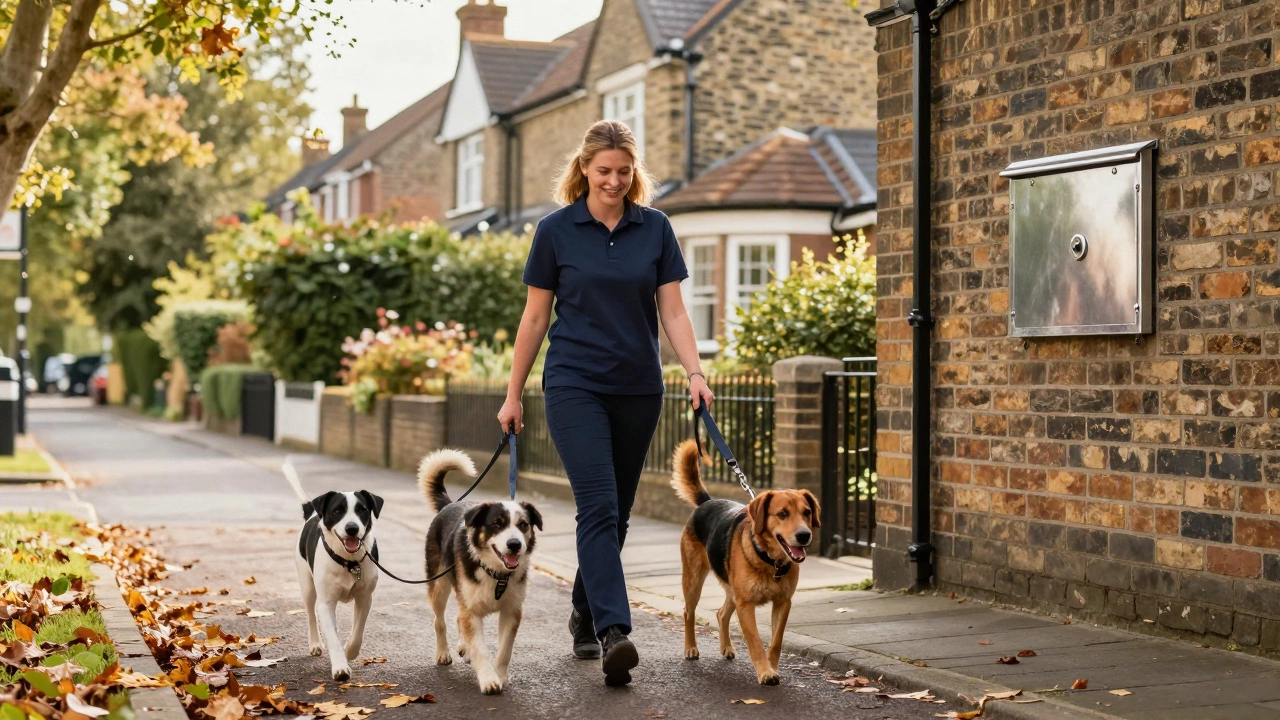
Then there's the "forgotten key" scenario. You go on holiday, the walker loses the key, and suddenly your dog is trapped inside while you're 500 miles away. It's a nightmare scenario that happens more often than you'd think. To mitigate this, some people use Key Safes, which are small metal boxes bolted to the exterior wall. You put the key inside and give the walker the code. This way, the key never leaves your property.
Modern Alternatives to the Spare Key
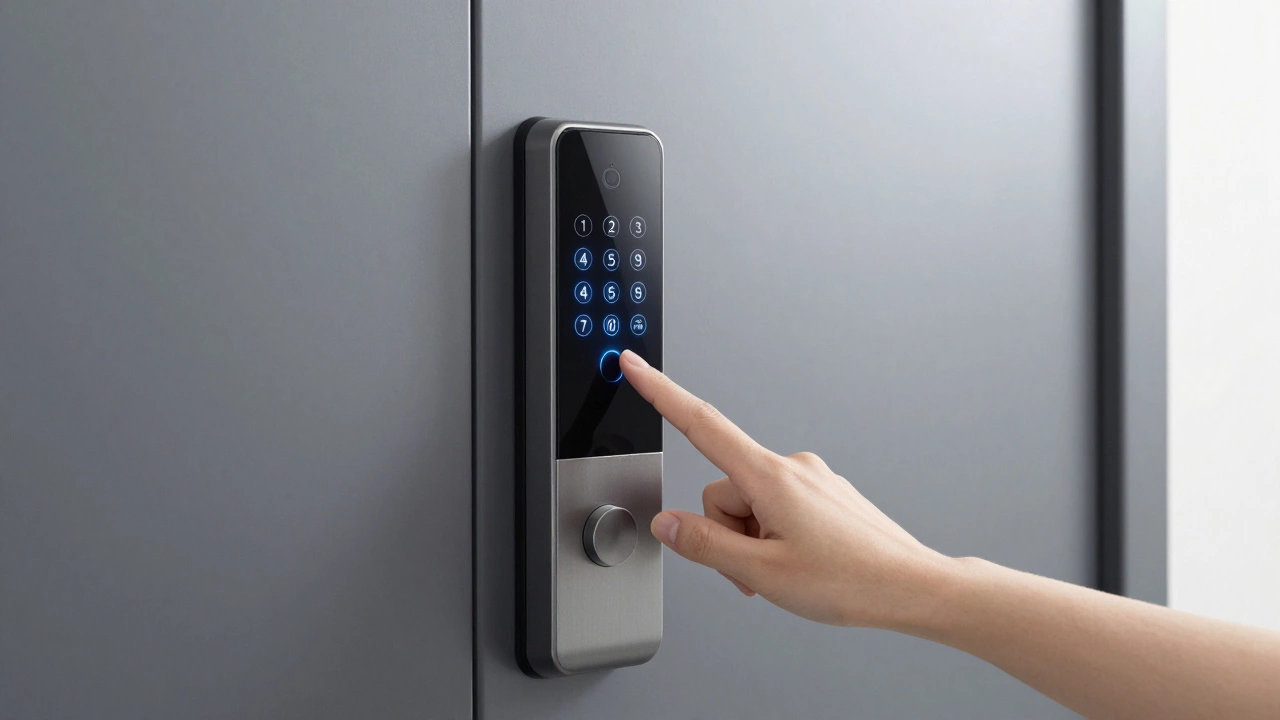
We're lucky to be living in the era of the Smart Lock. Instead of a piece of brass, you give the walker a digital credential. This is a game-changer for pet owners because it removes the "trust" element and replaces it with "data."
With a smart lock, you can create a unique guest code that only works between 12:00 PM and 2:00 PM on weekdays. If the walker tries to enter at 10:00 PM on a Saturday, the door stays locked and you get a notification on your phone. It’s a precise way to manage access without worrying about duplicates.
| Method | Security Level | Convenience | Cost to Implement | Tracking Ability |
|---|---|---|---|---|
| Physical Key | Low | Medium | Free | None |
| Wall-Mounted Lockbox | Medium | High | Low (£20-£50) | None |
| Smart Lock | High | Very High | Medium (£100-£300) | Full Logs |
| Concierge/Front Desk | Very High | High | Included in Rent | Manual Log |
Vetting Your Walker Before the Handover
Before any key-digital or physical-changes hands, you need to do your homework. A professional dog walker shouldn't just have a nice smile and a love for Labradors. You want to see proof of Public Liability Insurance. This ensures that if they accidentally leave your door unlocked and something is stolen, or if they cause damage inside your home, there's a financial safety net.
Check for a DBS check (Disclosure and Barring Service) if you're in the UK. While usually for those working with children, many high-end pet care companies use them to prove their staff have no criminal history. If a walker is hesitant to provide a reference from a current client who also trusts them with a key, that's a massive red flag. A simple phone call to another dog owner can tell you more than a five-star rating on a website ever will.
Setting Boundaries and Expectations
Giving a key isn't just about the lock; it's about the rules of the house. When you hand over access, be crystal clear about what is and isn't allowed. Some walkers might treat your home like their own office, taking a coffee break in your kitchen or using your Wi-Fi. While that might seem harmless, it sets a precedent for boundary crossing.
Create a simple "House Rules" sheet. Mention things like:
- Exactly which door to use (e.g., the side door, not the front).
- Where to leave the keys if they aren't using a lockbox.
- Whether they are allowed to enter other rooms of the house.
- What to do if the alarm is accidentally triggered.
It sounds formal, but having it in writing prevents the "I thought it was okay" excuses. For example, if you don't want them entering your bedroom to get the dog's leash, tell them. A professional will respect these boundaries and appreciate the clarity.
The "Key Return" Process
What happens when the relationship ends? This is where things get awkward. If you fire a walker or they quit, you need that key back immediately. If you've used a physical key, you're now in a position where a former employee has a way into your home. This is why many people choose to change their locks whenever they switch regular walkers.
This is another area where Digital Access Control wins. You don't have to chase anyone down or hope they don't keep a copy. You simply delete their code from the app, and their access vanishes instantly. It's a clean break with zero stress.
Practical Tips for First-Timers
If you're nervous, start slow. You don't have to give a key on the first walk. For the first week, be home to let the walker in. Watch how they handle your dog and how they respect your space. Once you've built a rapport and seen their reliability firsthand, the idea of giving them a key feels much less like a risk and more like a convenience.
If you must use a physical key, consider a "tagged" system. Don't put your address on the key tag-that's a disaster if it's lost. Instead, use a code or a color. If the tag says "Blue House" and the walker loses it, a random finder has no idea where that key belongs. It's a small detail that adds a layer of security to your home.
Is it common to give a dog walker a key?
Yes, it is very common, especially for owners who work full-time. Most professionals are used to managing keys for multiple clients. However, the method of access (key vs. smart lock) varies depending on the owner's security preferences.
What is the safest way to give access without a key?
A smart lock is the safest option because you can grant temporary, time-restricted access and track exactly when the walker enters and leaves. A wall-mounted lockbox is a good secondary option if you don't want to install a full smart system.
What should I do if my dog walker loses my key?
If the key had your address on it, you should change your locks immediately. If it was an unmarked key, you might be safe, but for total peace of mind, replacing the cylinder is recommended. Check if your walker's insurance covers lock replacement in case of loss.
Should I ask for a background check before giving a key?
Absolutely. Requesting a DBS check or references from other long-term clients is a standard safety measure. Professional walkers who are serious about their business will be happy to provide this documentation.
Can I use a keypad lock for my dog walker?
Yes, keypad locks are a great alternative. They remove the risk of physical key loss and allow you to change the code periodically without needing to buy new hardware.
Next Steps for Homeowners
If you're currently deciding on a method, start by auditing your current locks. If you have old-style locks, it might be the perfect time to upgrade to a smart system. If you're on a budget, buy a sturdy lockbox and bolt it to a hidden area of your exterior wall.
Regardless of the tool, the most important thing is the relationship. Keep a line of open communication with your walker. If you feel uneasy about any entry or exit times, ask for a quick update or a photo of your dog during their walk. This ensures that the access you've granted is being used exactly as intended, keeping both your pet and your home safe.