
Indoor Pet Vaccine Calculator
What Do You Need?
This tool determines which core vaccines your indoor pet needs based on veterinary guidelines. Even indoor pets require protection against preventable diseases.
Key Information
Core vaccines are mandatory for all pets - even indoor ones. These protect against life-threatening diseases like rabies, distemper, and parvovirus.
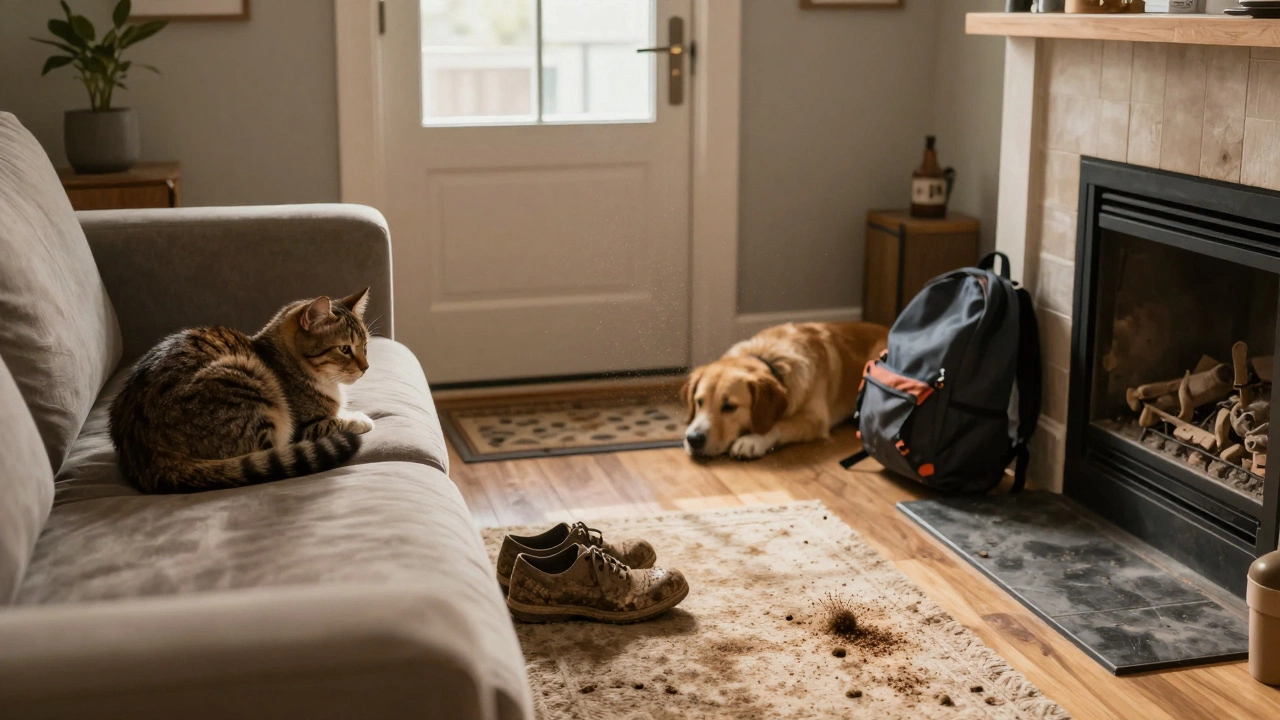
Indoor pets can contract diseases through:
- People bringing germs on shoes/clothes
- Visitors with other animals
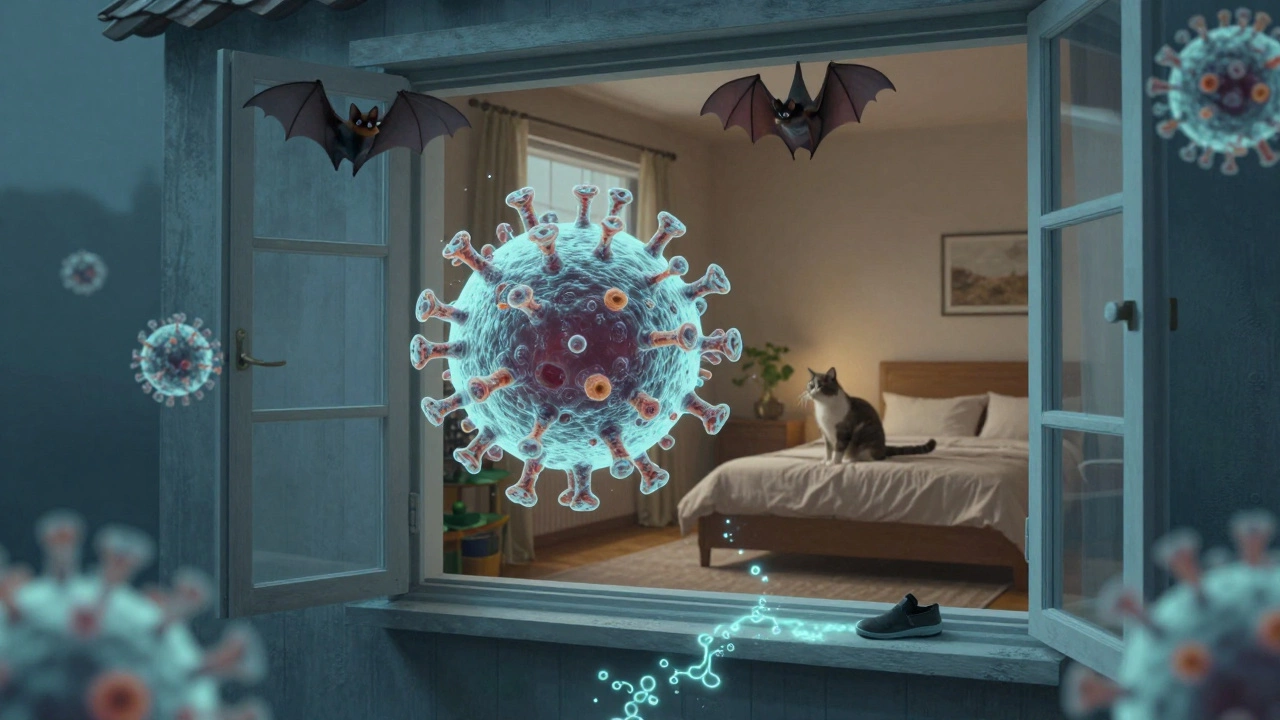
- Bats or wildlife entering the home
Many pet owners assume that if their dog or cat never steps outside, they don’t need vaccines. After all, they’re not around other animals, not visiting parks, and not exposed to the wild. But that’s a dangerous assumption. Even indoor pets need vaccines - and here’s why.
Viruses Don’t Need a Door to Get In
You might think your home is a bubble, but viruses don’t care about walls. People bring germs inside on their shoes, clothes, and bags. A visitor who petted a sick dog at a friend’s house can carry parvovirus on their pants. A stray cat that scratched your window screen could leave behind feline herpesvirus. These pathogens survive for days on surfaces - and your indoor pet has no natural defenses if they’ve never been vaccinated.
One study from the American Veterinary Medical Association tracked 147 indoor-only cats over five years. Fourteen of them developed upper respiratory infections - and in every case, the virus was introduced by a human. Not another cat. Not a flea. A person walking in from the outside world.
Core Vaccines Are Non-Negotiable
There are two types of vaccines for pets: core and non-core. Core vaccines protect against diseases that are widespread, highly contagious, and potentially deadly. These are recommended for every pet, regardless of lifestyle.
For dogs, the core vaccines include:
- Canine distemper - attacks the nervous system, lungs, and gastrointestinal tract. Mortality rate: up to 50%.
- Canine adenovirus (hepatitis) - damages the liver and kidneys. Can cause sudden death.
- Canine parvovirus - destroys intestinal lining, causes severe vomiting and diarrhea. Puppies die within 48 hours without treatment.
- Rabies - 100% fatal once symptoms appear. Required by law in most U.S. states, even for indoor pets.
For cats, core vaccines include:
- Feline viral rhinotracheitis (herpesvirus) - causes chronic sneezing, eye infections, and lifelong carrier status.
- Feline calicivirus - leads to mouth ulcers, fever, and joint pain.
- Feline panleukopenia - also called feline distemper. Kills up to 90% of unvaccinated kittens.
- Rabies - same legal and deadly risk as in dogs.
These aren’t optional. They’re the baseline for survival. Even if your pet never leaves the house, the risk of exposure is real - and the consequences are often fatal.
Rabies Isn’t Just for Outdoor Pets
Rabies is the one vaccine that can’t be skipped, even if your pet never goes outside. Bats, raccoons, and even stray cats can enter homes through open windows, chimneys, or gaps in the attic. In 2023, the CDC reported 4,836 rabid animals in the U.S. - and 12% of those were found inside homes.
Here’s the hard truth: if your indoor cat bites you while having undiagnosed rabies, you could die. Your pet may not show symptoms for weeks, but by then, it’s too late. That’s why rabies vaccination is required by law in 48 U.S. states. Even if your pet never leaves the house, the law still applies. And if your pet is unvaccinated and exposed to rabies - even indirectly - the only legal option is euthanasia or a six-month quarantine in a facility. No exceptions.
Indoor Pets Still Get Sick - and Vaccines Prevent It
Indoor pets get sick all the time. Not from the outside world, but from the inside - from the people who bring the outside world in.
Consider this: a family brings home a new puppy from a shelter. The puppy is vaccinated, but carries a mild case of parvovirus. Your indoor cat sniffs the puppy’s collar. Two days later, your cat stops eating, starts vomiting, and has bloody diarrhea. It’s panleukopenia - a disease your cat could’ve been protected against with a simple vaccine.
Or think about holiday guests. Your cousin brings their dog over for Christmas dinner. The dog sneezes once in the hallway. Your cat, who’s never met another dog, catches feline herpesvirus from the air. Now your cat has a chronic eye infection that flares up every time they’re stressed. Vaccines prevent this. Not just for the pet’s sake - for yours, too.
Vaccination Schedules Are Tailored - Not One-Size-Fits-All
Yes, indoor pets need vaccines - but not necessarily the same schedule as outdoor pets. Your vet will customize based on:
- Age
- Health history
- Household risks (other pets, frequent visitors, travel)
- Local disease prevalence
For example:
- Most adult indoor cats need core vaccines every three years after the initial kitten series.
- Indoor dogs usually get DHPP (distemper, adenovirus, parvovirus, parainfluenza) every three years.
- Rabies boosters are required every one to three years, depending on your state’s law.
Some vaccines, like Bordetella (kennel cough) or Leptospirosis, are only needed if your pet ever goes to a groomer, boarding facility, or dog park - even if it’s rare. Ask your vet what’s necessary for your specific situation.

What Happens If You Skip Vaccines?
Skipping vaccines doesn’t make your pet safer. It makes them vulnerable.
Unvaccinated indoor pets are 17 times more likely to die from preventable diseases than vaccinated ones, according to data from the Cornell Feline Health Center. And when those diseases hit, treatment is expensive - often costing over $2,000 for a single case of parvovirus or panleukopenia. Vaccines? They cost $20 to $50 per visit.
And it’s not just about money. It’s about suffering. A pet with distemper will tremble, have seizures, and lose control of their body. A cat with calicivirus will have open sores in its mouth and refuse to eat for days. These aren’t minor illnesses. They’re brutal. And they’re 100% preventable.
Myth: Vaccines Cause More Harm Than Good
Some people avoid vaccines because they’ve heard horror stories - allergic reactions, autoimmune diseases, cancer. Yes, side effects happen. But they’re rare.
Less than 0.5% of vaccinated pets have any reaction. Most are mild: a little swelling at the injection site, temporary lethargy. Severe reactions? One in 10,000. Compare that to the risk of dying from parvovirus: 80% without treatment.
The American Animal Hospital Association (AAHA) and the American Veterinary Medical Association (AVMA) both state that the benefits of core vaccines far outweigh the risks - even for indoor pets. There’s no credible evidence that vaccines cause long-term harm in healthy animals.
What to Do Next
If your indoor pet hasn’t been vaccinated:
- Call your vet. Schedule a wellness visit.
- Ask for a full vaccine review - even if your pet seems healthy.
- Get the core vaccines done first: distemper, parvovirus, adenovirus, rabies.
- Ask if your pet needs any non-core vaccines based on your home environment.
- Set reminders for boosters - don’t wait for a reminder card.
Even if your pet never leaves the house, the world still comes to them. Vaccines aren’t about where they go - they’re about protecting them from what comes in.
Do indoor cats really need rabies shots?
Yes. Rabies is required by law in most U.S. states, even for indoor cats. Bats and other wildlife can enter homes, and if your cat is bitten and unvaccinated, the law requires euthanasia or a six-month quarantine. Vaccination protects both your pet and your family.
Can indoor pets get parvovirus?
Yes. Parvovirus can survive on shoes, clothing, and bags for months. A visitor who walked through a park where an infected dog pooped can bring the virus into your home. Indoor dogs have no immunity if unvaccinated - and parvovirus kills up to 90% of untreated puppies.
How often do indoor pets need vaccines?
Core vaccines like DHPP for dogs and FVRCP for cats are typically given every three years after the initial puppy/kitten series. Rabies boosters are required every one to three years, depending on your state. Your vet will create a personalized schedule based on your pet’s risk factors.
Are vaccines safe for older indoor pets?
Yes. Vaccines are safe for healthy senior pets. In fact, older animals are more vulnerable to disease because their immune systems weaken with age. Your vet may adjust the schedule or skip non-core vaccines if your pet has chronic illness, but core vaccines like rabies and distemper remain essential.
What if my pet has a bad reaction to a vaccine?
Serious reactions are rare - under 0.5% of cases. Mild swelling or lethargy is normal and fades in 24-48 hours. If your pet has trouble breathing, swelling of the face, or vomiting within an hour of vaccination, call your vet immediately. Most vets will note the reaction and adjust future vaccines (e.g., spacing them out or using a different brand).