
Dog Blueberry Portion Calculator
Enter your dog's details below to determine the recommended daily serving size of fresh blueberries. Remember, treats should not exceed 10% of your dog's daily calorie intake.
Recommended Daily Serving
Fresh BerriesPortion Size
--
Calorie Estimate
--
Safety Checklist
- Wash berries thoroughly to remove pesticides.
- Ensure no xylitol or added sugars are present.
- Cut berries for small breeds or puppies to prevent choking.
- Introduce slowly and monitor for digestive upset.
You’re probably sitting on the sofa right now, watching your dog stare at you with those big, pleading eyes while you munch on a bowl of blueberries. It’s tempting to toss one over. But is it actually safe? The short answer is yes, but the long answer involves understanding exactly why these tiny berries are more than just a tasty treat and how to feed them without causing a tummy upset.
Blueberries aren’t just "safe"; they are arguably one of the best natural superfoods you can add to your dog’s diet. Unlike some human snacks that are loaded with sugar or hidden toxins (looking at you, grapes), blueberries offer genuine nutritional value. They act as a low-calorie alternative to processed biscuits, packed with antioxidants that support everything from brain health to immune function. But before you dump the whole punnet into their food bowl, there are a few rules about portion size, preparation, and potential risks you need to know.
Why Blueberries Are a Powerhouse for Canine Health
It’s not magic; it’s chemistry. Blueberries are rich in anthocyanins, which are the pigments that give them their deep blue color. These compounds are powerful antioxidants that help fight oxidative stress in your dog’s body. Think of oxidative stress like rust forming on a car part-it happens naturally as your dog ages, but antioxidants slow it down.
Beyond the pretty color, here is what is actually inside a blueberry that helps your dog:
- Vitamin C: Essential for immune system support and collagen production. While dogs produce their own Vitamin C, dietary sources can still boost overall resilience, especially during stressful periods or illness.
- Fiber: A small amount of soluble fiber aids digestion. If your dog struggles with irregular bowel movements, the fiber in blueberries can help regulate things without being too harsh.
- Vitamin K: Crucial for blood clotting and bone health. This is particularly relevant for older dogs whose bones may be losing density.
- Manganese: Supports enzyme function and metabolism. It helps your dog process nutrients efficiently.
Research published in journals like the Journal of Nutrition has suggested that antioxidant-rich diets may help delay cognitive decline in aging dogs. While we don't have decades of longitudinal studies specific only to blueberries, the general consensus among veterinary nutritionists is that incorporating antioxidant-rich foods contributes to healthier aging. So, if you have a senior dog starting to seem a bit "foggy," adding blueberries might be a simple, low-cost intervention worth trying.
The Risks: When Blueberries Go Wrong
Saying "yes" doesn't mean "unlimited." There are three main pitfalls to avoid when feeding blueberries to dogs.
First, there is the choking hazard. Whole blueberries are small, but for a large breed dog who inhales food rather than chewing it, they can slip down the throat incorrectly. For very small breeds like Chihuahuas or Yorkshire Terriers, a whole blueberry might be relatively large compared to their airway. Always supervise your dog when introducing new foods, or cut the berry in half for tiny pups.
Second, watch out for xylitol. This artificial sweetener is toxic to dogs, even in small amounts. Fresh blueberries are fine, but check labels on frozen blueberries, dried blueberries, or blueberry-flavored treats. If the ingredient list says "xylitol" or "birch sugar," put it back on the shelf. Puree made from fresh fruit is usually safe, but store-bought jams often contain added sugars or sweeteners that are bad news for canine digestion.
Third, consider oxalates. Blueberries contain moderate levels of oxalates. For most healthy dogs, this is irrelevant. However, if your dog has a history of calcium oxalate bladder stones or kidney issues, you should consult your vet before making blueberries a daily habit. Too many oxalates can contribute to stone formation in susceptible individuals.
How Much Should You Feed?
Treats, including fruit, should make up no more than 10% of your dog’s daily calorie intake. The rest should come from their balanced main diet. Overfeeding fruit can lead to diarrhea because of the natural sugars and fiber content. Nobody wants to clean up messy accidents after a "healthy" snack.
Here is a rough guide based on size. Remember, this is per day, not per meal:
| Dog Size Category | Weight Range | Approximate Number of Berries |
|---|---|---|
| Toy / Small | Under 10kg (22lbs) | 3-5 berries |
| Medium | 10kg - 25kg (22-55lbs) | 6-8 berries |
| Large | 25kg - 40kg (55-88lbs) | 9-12 berries |
| Giant | Over 40kg (88lbs+) | 13-15 berries |
If you are using blueberries as training rewards, you might want to use fewer per session and spread them out. Consistency matters more than volume. If you notice loose stools, cut the portion in half immediately.
Fresh vs. Frozen vs. Dried: Which Is Best?
You will likely encounter blueberries in three forms. Each has its pros and cons regarding safety and convenience.
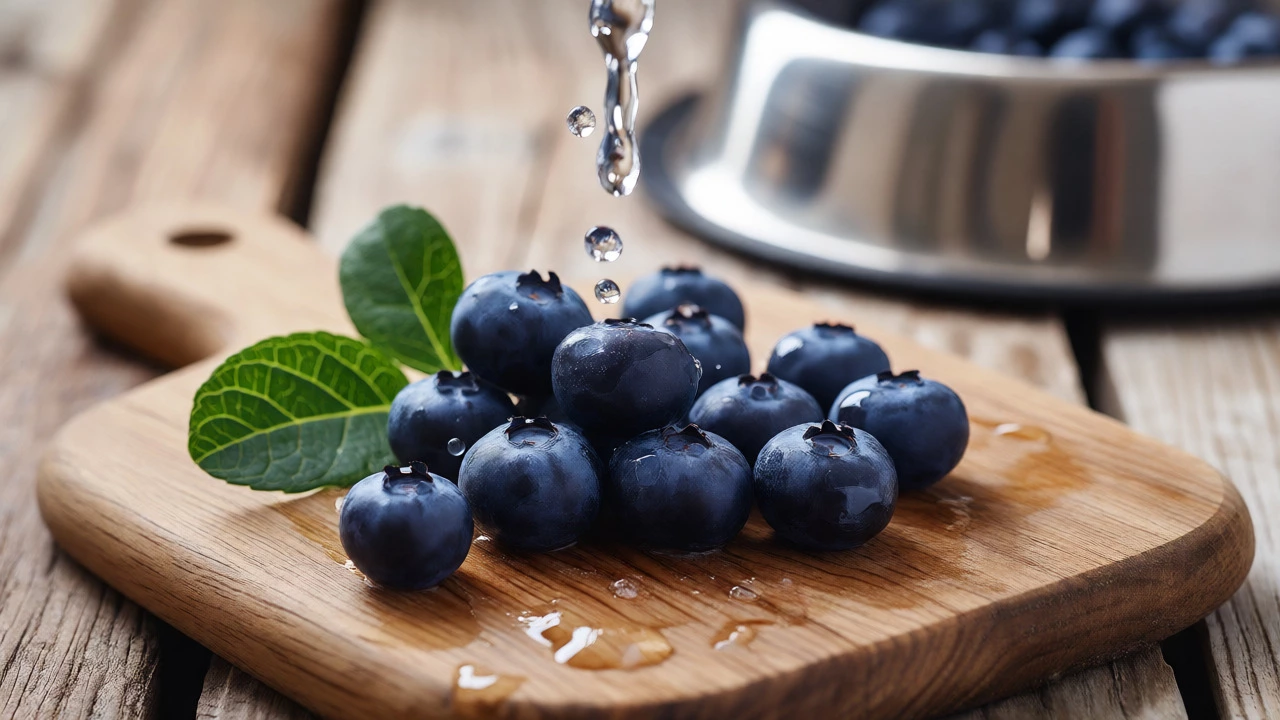
Fresh Blueberries are the gold standard. They retain the most nutrients and have no additives. Just wash them thoroughly to remove any pesticide residue or dirt. Organic options are preferable if available, but conventional ones washed well are generally acceptable.
Frozen Blueberries are fantastic for hot weather. They work as a cooling treat and are less likely to cause immediate digestive upset than fresh ones because the freezing process breaks down some cell walls, making them slightly easier to digest for some dogs. However, they are hard. Do not throw a frozen berry at a puppy; let it thaw slightly or crush it first to prevent tooth damage or choking.
Dried Blueberries are tricky. They are concentrated in sugar and calories. Ten dried blueberries might have the same sugar content as thirty fresh ones. Furthermore, many commercial dried fruits contain added preservatives like sulfites, which can trigger allergies in sensitive dogs. Unless the label explicitly says "no added sugar, no sulfites," skip the dried variety.
Creative Ways to Serve Blueberries
Not every dog will eat a raw blueberry straight away. Some prefer texture, others prefer flavor mixing. Here are four ways to integrate them into your dog's routine without turning mealtime into a chore.
- The Topper: Mash a few blueberries with a fork and sprinkle them over dry kibble. This adds moisture and flavor, encouraging picky eaters to finish their meal.
- The Freezer Pop: Blend plain yogurt (ensure it is unsweetened and xylitol-free) with a handful of blueberries. Pour the mixture into ice cube trays and freeze. These are great summer treats that hydrate and cool simultaneously.
- The Smoothie Boost: If you blend homemade dog food, add a quarter cup of blueberries to the mix. This ensures the nutrients are evenly distributed throughout the meal.
- The Puzzle Toy Filler: Stuff a Kong toy with wet food and hide two or three blueberries inside. Your dog has to work to get them out, providing mental stimulation alongside the physical reward.
Avoid cooking blueberries with butter, oil, or salt. Simple steaming or blending is enough. High heat can degrade some vitamins, so raw or lightly processed is better for nutrient retention.

Special Considerations for Puppies and Senior Dogs
Puppies have developing digestive systems. Their guts are more sensitive to changes in diet. Introduce blueberries slowly-start with one single berry crushed into their food and wait 24 hours to see if there is any reaction. If they tolerate it well, you can gradually increase the amount. Never give puppies frozen whole berries due to the choking risk.
Senior dogs benefit significantly from the anti-inflammatory properties of blueberries. Arthritis is common in older pets, and while blueberries won't cure joint pain, the reduction in systemic inflammation may help them feel a little more mobile. However, older dogs often have compromised kidney function. As mentioned earlier, monitor oxalate intake. If your senior dog is on a prescription renal diet, check with your vet before adding fruit, as phosphorus and potassium levels need careful management.
What About Other Berries?
If your dog loves blueberries, they might enjoy other members of the berry family. Strawberries are also safe and high in Vitamin C, though they have higher sugar content. Raspberries are low in sugar and high in fiber, making them excellent for diabetic dogs (in moderation). Blackberries are similar to blueberries in profile.
However, remember the exception: Grapes and raisins are highly toxic to dogs and can cause acute kidney failure. Cherries are also risky because of the pits, which contain cyanide. Always double-check before swapping berries. When in doubt, stick to blueberries-they are the safest, most versatile option.
Final Thoughts on Adding Blueberries to Your Dog's Diet
Blueberries are a convenient, affordable, and effective way to boost your dog’s health. They bridge the gap between boring kibble and unhealthy table scraps. By keeping portions controlled, checking for additives, and observing your dog’s individual response, you can safely enjoy sharing this superfood with your companion.
Start small. Wash them well. Watch for reactions. If your dog’s coat looks shinier and their energy seems stable, you’ve found a winner. And if they look at you with those hopeful eyes again tomorrow? Well, you know the rules now.
Can puppies eat blueberries?
Yes, puppies can eat blueberries, but introduce them cautiously. Start with one crushed berry mixed into their food to test for digestive sensitivity. Avoid giving whole frozen berries to young puppies due to choking hazards. Wait until they are at least 8 weeks old and eating solid food consistently before adding treats.
Are frozen blueberries good for dogs?
Frozen blueberries are an excellent treat, especially in warm weather. They provide hydration and a cooling sensation. However, they are hard, so ensure your dog chews them properly or let them thaw slightly to prevent tooth damage or choking. Always check that frozen packs do not contain added sugars or xylitol.
Can blueberries cause diarrhea in dogs?
Yes, if fed in excess. Blueberries contain fiber and natural sugars. Too much of either can overwhelm a dog’s digestive system, leading to soft stools or diarrhea. If this happens, reduce the portion size immediately. Most dogs tolerate small amounts perfectly well.
Do blueberries help with dog breath?
While not a cure-all, the antioxidants and vitamin C in blueberries can support oral health. They are not a substitute for dental hygiene, but unlike sugary treats that feed bacteria, blueberries are relatively low in cavity-causing sugars. Some owners report fresher breath after switching to fruit-based treats, but regular brushing remains essential.
Are wild blueberries safe for dogs?
Yes, wild blueberries are safe and often more flavorful. However, ensure they are free from pesticides, herbicides, or animal waste if picked from public areas. Also, be certain you are identifying true blueberries and not potentially toxic look-alikes like nightshade berries. If unsure, stick to cultivated varieties from the grocery store.