

Dog Food Quality Analyzer
Input Label Details
Enter the details found on your dog food packaging.
Select ingredients and click Analyze to see the quality assessment.
Walk into any pet store aisle today, and you’ll see bags promising "holistic," "grain-free," or "ancestral" diets. The labels are loud, but the ingredient lists? They’re often confusing. You pick up a bag because it looks premium, only to wonder later if your dog is actually getting what they need. It’s not just about marketing buzzwords; it’s about biology. Your dog isn’t a miniature human, nor is it a strict carnivore like a cat. They are facultative carnivores-meaning they thrive on meat but can digest plant-based nutrients efficiently.
If you strip away the fancy packaging and look at the science of canine nutrition is the study of how dogs process nutrients for energy, growth, and maintenance, three components stand out as non-negotiable. These aren’t optional extras; they are the foundation of every healthy diet. Whether you choose kibble, raw, or wet food, these top three ingredients must be present in significant quantities to keep your dog vibrant, energetic, and disease-resistant.
1. High-Quality Named Animal Protein
The first ingredient on any dog food label should always be a specific animal source. If you see "meat by-products" or generic terms like "animal meal" listed first, put the bag back. Dogs require amino acids-the building blocks of protein-to build muscle, repair tissue, and produce enzymes. Without adequate protein, their immune system weakens, and their coat becomes dull.
Not all proteins are created equal, though. A chicken breast offers complete protein with high bioavailability, meaning your dog absorbs nearly all of it. In contrast, feather meal or hair products might technically count as protein on a label but offer little nutritional value. Look for named meats such as chicken, salmon, beef, or lamb. These provide essential fatty acids alongside amino acids.
- Chicken: Highly digestible and widely tolerated. Great for active dogs needing lean muscle support.
- Salmom: Rich in Omega-3 fatty acids, which reduce inflammation and support heart health.
- Beef: Dense in iron and zinc, ideal for growing puppies or large breeds.
- Lamb: Often used in hypoallergenic diets due to its lower allergen profile compared to beef.
Aim for a protein content of at least 18% for adult maintenance and 22-25% for active or working dogs. The source matters more than the percentage alone. A 25% protein from low-quality fillers won’t serve your dog as well as 18% from fresh, named meat.
2. Digestible Carbohydrates for Energy
This is where opinions often clash. Some claim carbs are useless; others say they’re dangerous. The truth lies in the middle. Dogs have evolved alongside humans for thousands of years, developing amylase enzymes that allow them to break down starches effectively. Completely eliminating carbohydrates can lead to gastrointestinal issues and lack of sustained energy.
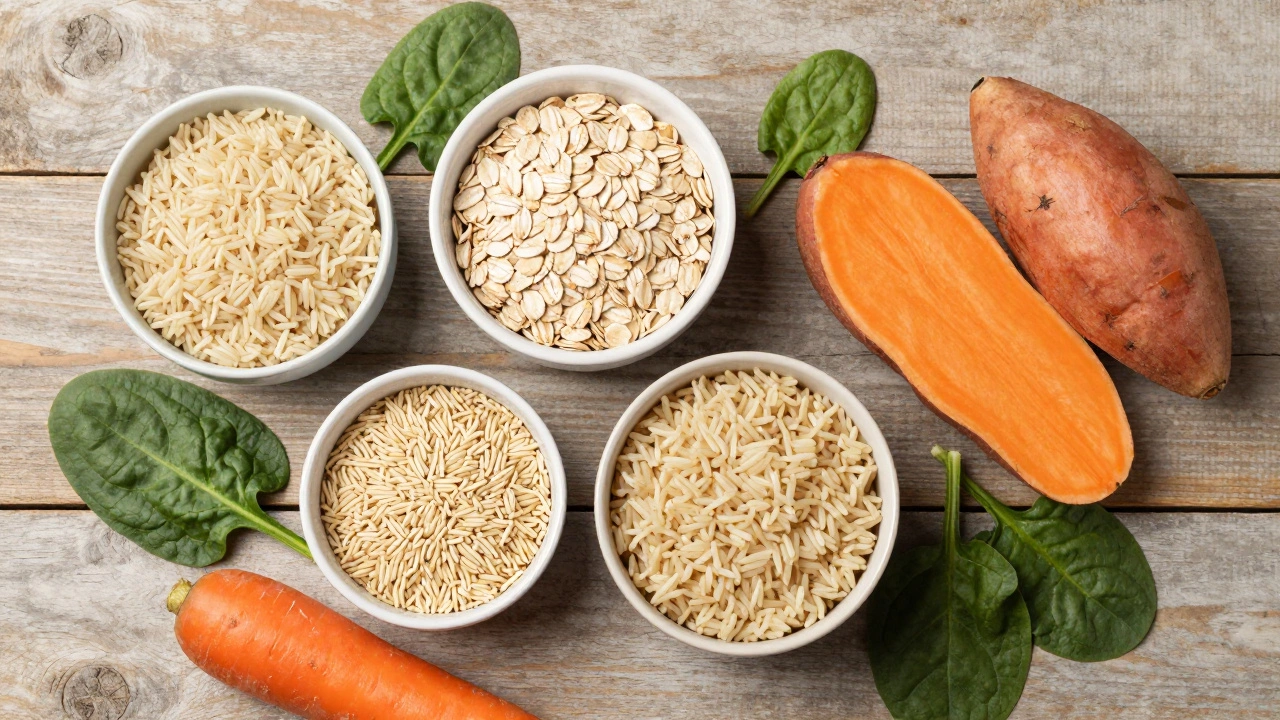
The key word here is digestible. You want complex carbohydrates that release energy slowly, preventing blood sugar spikes. Good sources include brown rice, sweet potatoes, oats, and barley. These provide fiber, which aids digestion and helps maintain regular bowel movements. Fiber also promotes satiety, keeping your dog feeling full between meals.
Avoid cheap fillers like corn gluten meal, wheat middlings, or soybean hulls unless your dog has no sensitivities. While these aren’t inherently toxic, they offer minimal nutritional benefit and can cause bloating or gas in sensitive stomachs. For most dogs, a balance of 30-40% carbohydrates in their diet supports optimal gut health without leading to obesity.
| Carbohydrate Source | Digestibility | Key Benefits | Best For |
|---|---|---|---|
| Brown Rice | High | Fiber, B-vitamins | Most dogs, sensitive stomachs |
| Sweet Potatoes | Very High | Vitamin A, antioxidants | Active dogs, grain-free diets |
| Oats | Moderate-High | Beta-glucans, skin health | Dogs with allergies |
| Corn | Low-Moderate | Lutein, energy | Healthy dogs with no sensitivities |
3. Essential Fatty Acids (Omega-3 & Omega-6)
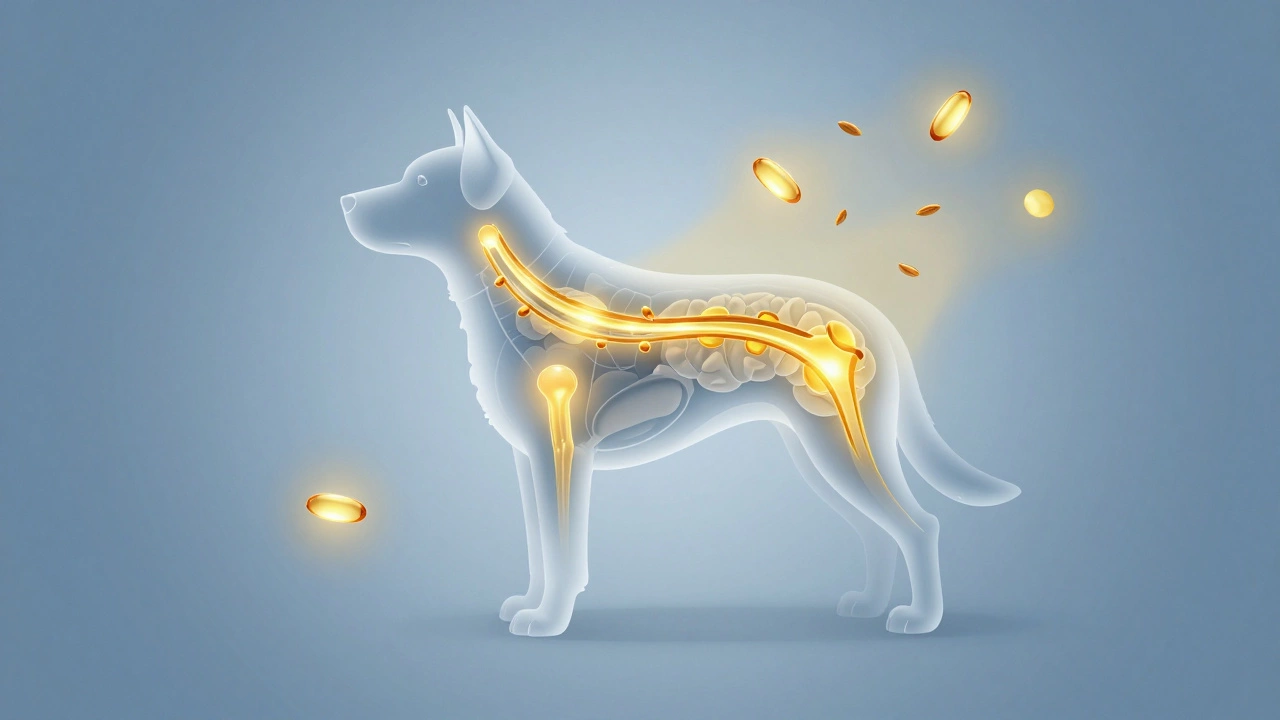
While protein builds structure and carbs fuel movement, fats lubricate the machine. Specifically, you need a balance of Omega-3 and Omega-6 fatty acids. These lipids are crucial for brain development, joint mobility, and maintaining a shiny, water-resistant coat. Many commercial foods include fat, but the quality varies wildly.
Ideal sources include fish oil, chicken fat, and flaxseed. Fish oil provides EPA and DHA, two types of Omega-3s that directly combat inflammation. This is particularly important for older dogs suffering from arthritis. Chicken fat supplies Vitamin E naturally and adds palatability-your dog will eat it because it tastes good.
Watch the ratio. Too much Omega-6 without enough Omega-3 can promote inflammation. A balanced diet typically aims for an Omega-6 to Omega-3 ratio between 5:1 and 10:1. If the ingredient list shows "fat (preserved with mixed tocopherols)," that’s a good sign-it means natural antioxidants are preserving the oils rather than synthetic chemicals like BHA or BHT.
Why Ingredient Order Matters
In the UK and many other regions, ingredients are listed by weight before processing. This means moisture content plays a huge role. Fresh meat contains about 70% water, so while it may appear first, once cooked, it loses weight significantly. Dry grains, however, retain their mass. Don’t panic if rice appears second after chicken. As long as the named meat is first and the carbohydrate source is wholesome, the formula is likely sound.
Always check for guaranteed analysis on the back of the bag. This section breaks down crude protein, crude fat, crude fiber, and moisture percentages. Compare this data across brands. Two foods might both list "chicken" first, but one could have 30% protein while the other has only 15%. The difference lies in the proportion of meat versus filler.
Red Flags to Avoid
Even with great primary ingredients, secondary additives can undermine health. Here are common pitfalls:
- Artificial Colors: Added solely for human appeal. Dogs don’t care if their kibble is brown or yellow. These dyes have been linked to behavioral issues in some studies.
- Vague Meat By-Products: Terms like "meat meal" without specifying the animal source can indicate lower quality rendering processes.
- Excessive Fillers: Large amounts of cellulose or beet pulp add bulk without nutrition, potentially causing digestive upset.
- Synthetic Preservatives: Prefer natural preservatives like mixed tocopherols (Vitamin E) over ethoxyquin or propyl gallate.
Switching foods suddenly can cause diarrhea. Transition gradually over seven to ten days by mixing increasing amounts of the new food with decreasing amounts of the old. Monitor your dog’s stool consistency and energy levels during this period.
Tailoring Nutrition to Life Stages
Puppies, adults, and seniors have different metabolic needs. Puppies require higher protein and fat for rapid growth, along with precise calcium-to-phosphorus ratios to prevent skeletal deformities. Adult maintenance diets focus on steady energy and weight control. Senior formulas often reduce calories to match slower metabolisms while boosting glucosamine and chondroitin for joint support.
Consult your veterinarian before making drastic changes, especially if your dog has existing conditions like kidney disease, diabetes, or pancreatitis. Prescription diets exist for medical reasons and shouldn’t be replaced casually with standard commercial options.
Is grain-free dog food better?
Not necessarily. Unless your dog has a diagnosed grain allergy, grains like rice and oats provide valuable fiber and energy. Recent FDA investigations have explored potential links between certain grain-free diets and dilated cardiomyopathy (DCM) in dogs, suggesting taurine deficiency might play a role. Always consult your vet before switching to grain-free.
How do I know if my dog food has enough protein?
Check the guaranteed analysis panel. Look for at least 18% crude protein for adult dogs and 22-25% for puppies or active breeds. Ensure the first ingredient is a named animal source like chicken or salmon, not vague by-products.
Are vegetables necessary in dog food?
Yes, in moderation. Vegetables like carrots, spinach, and peas provide vitamins, minerals, and antioxidants. They also contribute fiber, which supports digestive health. However, they should complement, not replace, animal proteins.
What is the best carbohydrate source for dogs?
Brown rice, sweet potatoes, and oats are excellent choices due to their high digestibility and nutrient density. They provide sustained energy without spiking blood sugar levels excessively.
Should I feed my dog raw food?
Raw diets can be nutritious but carry risks of bacterial contamination like Salmonella and E. coli. Handling raw meat requires strict hygiene practices. Commercially prepared raw foods often undergo pressure-extraction pasteurization to mitigate these risks. Discuss pros and cons with your vet.