
Dog Salmon Oil Dosage Calculator
Recommended Daily Dosage
- Target EPA/DHA: mg
- Caloric Addition: ~ calories/day
- Expected Results:
Enter your dog's details to see the recommended salmon oil dosage.
Have you ever looked at your dog’s coat and wished it had that glossy, healthy shine? Or maybe you’ve noticed them scratching more than usual or moving a bit stiffly after their morning walk. Before you reach for expensive prescription medications or fancy grooming products, there might be a simpler solution sitting in the grocery aisle: salmon oil. It is a dietary supplement derived from salmon that provides high levels of Omega-3 fatty acids to improve coat, skin, and joint health in dogs.
This isn’t just another trend in pet nutrition. Salmon oil has become a staple in many households because it delivers potent anti-inflammatory benefits without the strong fishy odor that often comes with cod liver oil. But what exactly does it do inside your dog’s body, and is it right for your specific pup?
The Power of Omega-3 Fatty Acids
To understand why salmon oil works, we need to look at the science behind it. The primary active ingredients are EPA (eicosapentaenoic acid) and DHA (docosahexaenoic acid). These are types of Omega-3 fatty acids that play a crucial role in cellular function.
Most commercial dog foods contain plenty of Omega-6 fatty acids, which are essential but can promote inflammation if not balanced. Modern diets often skew too heavily toward Omega-6. Adding salmon oil helps restore this balance. EPA acts as a powerful anti-inflammatory agent, calming down irritated tissues throughout the body. DHA supports brain development and cognitive function, which is especially important for growing puppies and aging seniors.
Unlike plant-based sources of Omega-3s, such as flaxseed, the Omegas found in salmon are pre-formed. This means your dog’s body doesn’t have to work hard to convert them; they are absorbed and utilized much more efficiently. This bioavailability is one reason why animal-based oils often outperform vegetable alternatives in clinical studies on canine health.
Top Health Benefits for Your Dog
So, what are the tangible results you can expect? Here are the most significant benefits backed by veterinary nutritionists:
- Glossier Coat and Softer Fur: One of the first changes owners notice is the improvement in fur texture. The fatty acids nourish hair follicles from the inside out, reducing dryness and making brushing easier. You’ll likely see less shedding around the house within four to six weeks.
- Skin Health and Itch Relief: If your dog suffers from seasonal allergies or dry, flaky skin, salmon oil can be a game-changer. It strengthens the skin barrier, helping it retain moisture and resist irritants. Many owners report a significant reduction in itching and licking behaviors.
- Joint Support and Mobility: Inflammation is the enemy of healthy joints. By reducing systemic inflammation, salmon oil can help ease stiffness associated with arthritis or hip dysplasia. It’s often used alongside glucosamine for a dual-action approach to mobility.
- Heart Health: Omega-3s help regulate blood pressure and reduce triglyceride levels. For breeds prone to heart conditions, like Cavalier King Charles Spaniels, this can be a vital preventive measure.
- Cognitive Function: As mentioned, DHA is critical for brain health. Older dogs showing signs of cognitive decline may benefit from improved mental sharpness and reduced anxiety.
Salmon Oil vs. Fish Oil: What’s the Difference?
You might wonder why you should choose salmon oil over generic fish oil. While both provide Omega-3s, there are key distinctions that make salmon oil preferable for many pet owners.
| Feature | Salmon Oil | Generic Fish Oil (Cod/Mackerel) |
|---|---|---|
| Taste & Odor | Mild, pleasant fishy scent; most dogs love it | Strong, pungent odor; some dogs refuse it |
| Purity & Toxins | Lower risk of heavy metals due to shorter food chain | Higher risk of mercury accumulation if not purified |
| Allergenicity | Low allergen potential | May trigger reactions in sensitive dogs |
| EPA/DHA Ratio | Balanced ratio suitable for general health | Varies widely by brand and source |
Salmon are lower on the food chain compared to larger predatory fish like tuna or swordfish. This means they accumulate fewer toxins, such as mercury and PCBs. High-quality salmon oil undergoes molecular distillation to remove any remaining impurities, ensuring a safe supplement for daily use.

How to Choose the Best Salmon Oil
Not all bottles on the shelf are created equal. When shopping for a supplement, look for these quality markers to ensure you’re getting real value:
- Wild-Caught Source: Look for labels that specify "wild-caught" rather than farm-raised. Wild salmon generally have a better nutrient profile and lower contamination risks.
- Third-Party Testing: Reputable brands will provide a Certificate of Analysis (COA) from an independent lab. This verifies the purity and potency of the Omega-3 content.
- No Fillers or Additives: The ingredient list should be short. Ideally, it should only contain salmon oil. Avoid products with artificial flavors, preservatives, or added vitamins unless specifically recommended by your vet.
- Freshness Indicators: Omega-3s are prone to oxidation. Choose brands that use dark glass bottles or opaque packaging to protect the oil from light. Check for an expiration date and buy smaller sizes if your dog won’t finish it quickly.
Dosage and Administration
Getting the dosage right is crucial. Too little won’t provide benefits, while too much can lead to digestive upset or interfere with blood clotting. A general rule of thumb is approximately 100-200 mg of combined EPA and DHA per 10 pounds of body weight. However, always check the label instructions, as concentrations vary between brands.
Here is a rough guide based on weight:
- Small dogs (under 20 lbs): ½ teaspoon daily
- Medium dogs (20-50 lbs): 1 teaspoon daily
- Large dogs (50+ lbs): 1-2 teaspoons daily
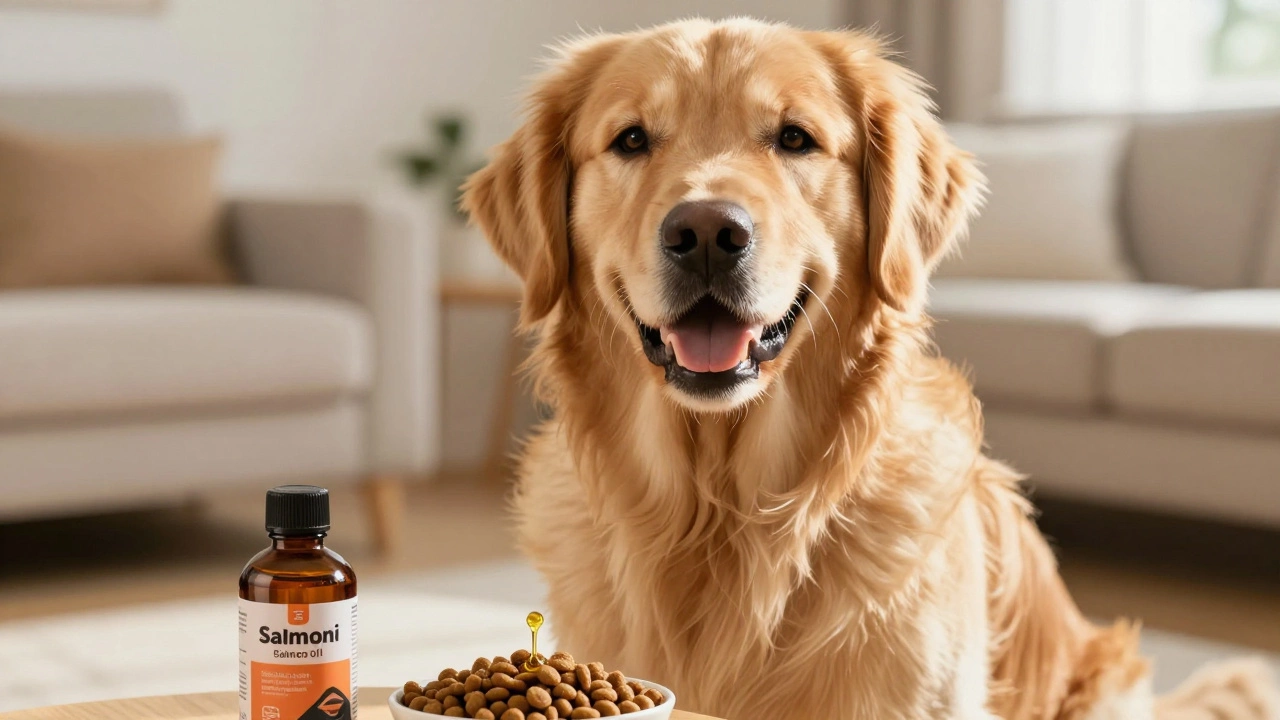
To administer, you can mix the oil directly into their wet food. If your dog eats dry kibble, drizzle it on top just before serving so it doesn’t get absorbed into the dry pellets. For picky eaters, you can try putting a small amount on your finger or using a syringe to place it at the back of their cheek.
Start with a lower dose and gradually increase it over a week. This allows your dog’s digestive system to adjust and minimizes the risk of loose stools. Consistency is key-benefits like a shinier coat take time to manifest, usually appearing after several weeks of regular use.

Potential Side Effects and Precautions
While salmon oil is generally safe, it’s not without potential side effects. The most common issue is gastrointestinal distress. If your dog experiences soft stool or diarrhea, reduce the dosage temporarily or stop usage until their stomach settles. Introducing it slowly helps prevent this.
Another consideration is caloric intake. Salmon oil is calorie-dense. If you’re adding a tablespoon a day, you’re adding significant calories to your dog’s diet. Monitor their weight and adjust their regular food portions accordingly to prevent obesity.
If your dog is on blood-thinning medication, consult your veterinarian before starting salmon oil. Omega-3s have mild anticoagulant properties, which could potentially interact with drugs like aspirin or warfarin. Similarly, if your dog has a known fish allergy, avoid salmon oil entirely, as it can trigger severe allergic reactions.
When to See a Vet
Salmon oil is a supplement, not a cure-all. If your dog has persistent itching, extreme lethargy, or visible pain when moving, these could be signs of underlying medical conditions that require professional diagnosis. Conditions like hypothyroidism, Cushing’s disease, or severe autoimmune disorders need targeted treatment beyond nutritional support.
Your vet can also help determine if your dog’s current diet already provides sufficient Omega-3s. Some premium holistic dog foods are formulated with adequate levels of fatty acids, making additional supplementation unnecessary. A simple blood test or dietary review can clarify whether adding salmon oil is the right step for your pet’s unique needs.
How long does it take for salmon oil to work for dogs?
Most owners begin to notice improvements in their dog's coat shine and skin hydration within 4 to 6 weeks of consistent daily use. Joint mobility benefits may take longer, often requiring 8 to 12 weeks to see significant changes in stiffness and movement.
Can I give my dog human-grade salmon oil?
Yes, provided it is pure salmon oil without added herbs, spices, or excessive sodium. Human-grade supplements often have higher purity standards. However, ensure the dosage is adjusted for your dog's size, as human servings are typically much larger.
Does salmon oil smell bad on dogs?
High-quality salmon oil has a mild, fresh ocean scent that is much less pungent than cod liver oil. Most dogs enjoy the taste. While it may leave a slight fishy odor on their breath initially, this usually dissipates as their body adjusts. It does not typically cause a strong smell on their fur if dosed correctly.
Is salmon oil safe for puppies?
Yes, salmon oil is safe and beneficial for puppies. The DHA content supports brain development and vision. However, start with a very small dose (a few drops) and monitor for digestive sensitivity. Always consult your vet before adding supplements to a puppy's diet.
Can too much salmon oil hurt my dog?
Yes, excessive amounts can lead to weight gain, vitamin A toxicity (if sourced from liver), or digestive issues like diarrhea. Over-supplementation can also interfere with blood clotting. Stick to the recommended dosage based on your dog's weight and consult your vet if unsure.