Staring at a departure board while your dog whines in their carrier is a universal panic. You’ve packed the leash, the water bowl, and the favorite toy, but the real stress comes from wondering if the airline will actually treat your companion like family or just cargo. In 2026, the landscape of dog friendly airline policies has shifted dramatically. Post-pandemic demand for pet travel remains high, but so do restrictions. Some carriers have tightened size limits, others have raised fees, and a few have introduced new amenities that make the journey bearable for both you and your pup.
Finding the right airline isn't just about price; it's about safety, comfort, and how much hassle you’ll face at the check-in counter. We’ve analyzed current policies, customer feedback, and operational reliability to help you decide who deserves your loyalty when traveling with a four-legged friend.
Is there one single "best" dog-friendly airline?
No single airline is perfect for every situation. The "best" choice depends on your route, your dog’s size, and whether you need in-cabin space or checked baggage service. For domestic US travel, JetBlue and Alaska Airlines often lead in reviews. For international trips, Lufthansa and Air France offer superior cargo facilities. Always check specific aircraft types, as policies vary by plane.
The Top Contenders for Domestic Flights
If you are flying within the United States, three carriers consistently rise to the top of owner surveys: JetBlue, Alaska Airlines, and Delta Air Lines. Each has distinct strengths that cater to different types of travelers.
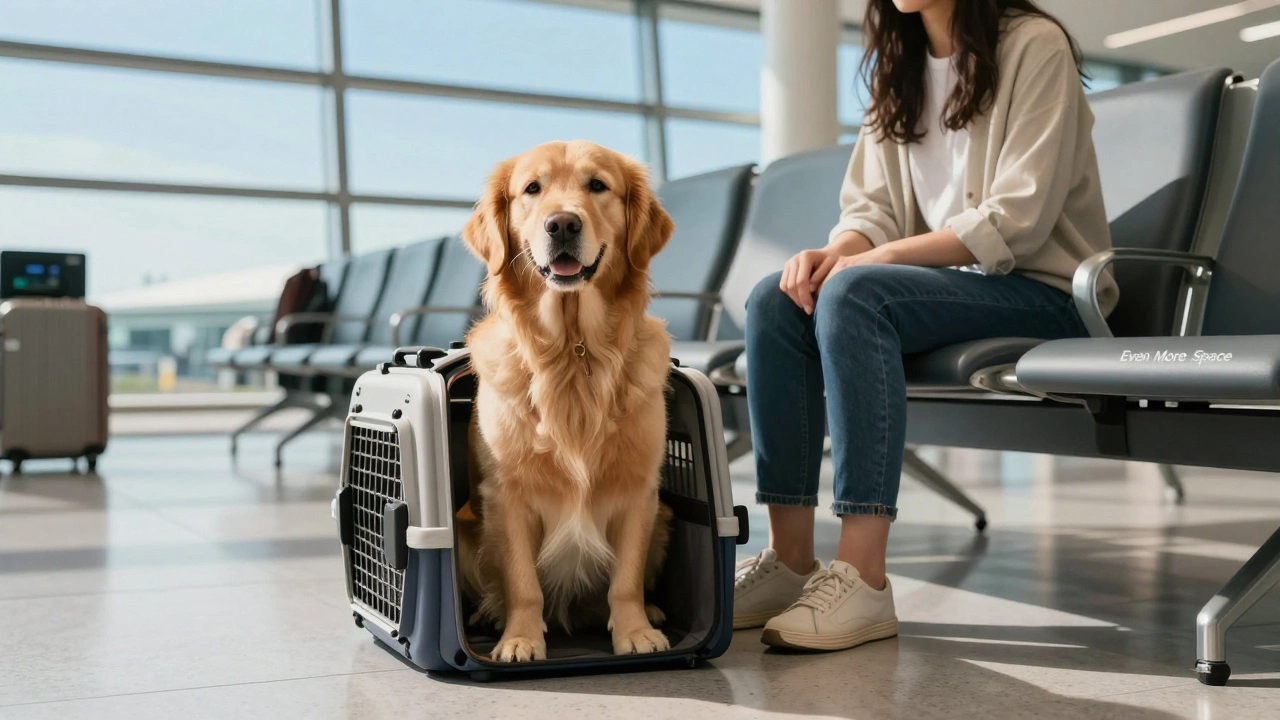
JetBlue Airways is known for its spacious economy seats and generous pet policy. They allow small dogs and cats in the cabin for a flat fee of $125 each way. What sets JetBlue apart is their "More Space" seating option. If you book an Even More Space seat, your pet can sit on your lap or under the seat in front of you without feeling cramped. This is crucial for anxious owners who want to keep a hand on their pet’s carrier throughout the flight. JetBlue also limits the number of pets per flight to prevent overcrowding, ensuring a calmer environment.
Alaska Airlines is a strong contender with flexible rules and no breed restrictions. Their fee is $100 each way, which is competitive. Alaska allows up to two pets in the cabin per flight, provided they fit in separate carriers. Unlike some competitors, Alaska does not restrict breeds, meaning bulldogs and pugs (brachycephalic breeds) can fly in-cabin if they meet size requirements. However, these short-nosed breeds are prohibited from traveling as checked baggage due to health risks. Alaska’s extensive partnership network also means you might earn miles on partner flights, though pet policies may differ on those legs.
Delta Air Lines is the leader in consistency and global reach. With a fee of $125 each way, Delta matches JetBlue’s pricing. Delta’s advantage lies in its vast network and reliable handling of pets as checked baggage. If your dog is too large for the cabin, Delta’s SkyPets program provides monitored environments in the cargo hold. They also offer a "Pet Relief Area" at many major hubs, allowing your dog to stretch before boarding. Delta’s app even lets you track your pet’s status during the journey, providing peace of mind.
| Airline | In-Cabin Fee | Max Pets Per Flight | Breed Restrictions | Key Feature |
|---|---|---|---|---|
| JetBlue | $125 | Varies by aircraft | None | Even More Space seats |
| Alaska Airlines | $100 | 2 | None (in-cabin) | Flexible partner network |
| Delta | $125 | Varies by aircraft | Some (checked only) | SkyPets tracking & relief areas |
International Travel: Where Do Dogs Go?
Crossing borders adds layers of complexity. You’re not just dealing with airline rules; you’re navigating import permits, quarantine laws, and health certificates. For international travel, European carriers often outperform US ones in terms of pet comfort and transparency.
Lufthansa is Germany’s flagship carrier with a robust pet transport system. They charge between €70 and €140 depending on the route. Lufthansa requires pets to be shipped as excess baggage or cargo, with very strict rules on crate dimensions. Their strength is reliability. Lufthansa’s cargo division uses climate-controlled holds and offers real-time tracking via their website. If you’re flying from the US to Europe, Lufthansa’s direct routes from Frankfurt and Munich minimize layovers, reducing stress for your dog.
Air France-KLM is a joint venture offering seamless pet travel across Europe. Fees range from €70 to €150. Air France allows small pets in the cabin on most flights, while KLM has similar policies. Both airlines require a veterinary health certificate issued within 10 days of travel. A key benefit is their integrated booking system, which clearly states pet availability at the time of purchase. This reduces the risk of showing up at the airport only to find the pet quota full.
For long-haul flights to Asia or Australia, Singapore Airlines is regarded as the gold standard for animal welfare. While expensive, their cargo services include dedicated pet relief areas at Changi Airport. Singapore Airlines works closely with veterinarians to ensure safe transit conditions, particularly important for brachycephalic breeds. If your trip involves a layover in Singapore, this can be a significant advantage.
Hidden Costs and Fees to Watch
The advertised pet fee is rarely the final cost. Budgeting for pet travel requires looking beyond the ticket price. Here’s what often gets overlooked:
- Crate Requirements: Airlines mandate specific hard-sided crates that meet IATA standards. A compliant crate can cost $100-$200. Soft-sided carriers are usually only accepted for in-cabin travel and must fit under the seat.
- Veterinary Visits: Health certificates typically require a vet visit within 10 days of departure. Expect to pay $50-$150 for this paperwork.
- Rabies Vaccinations: Ensure your dog’s rabies tag is current. Some countries require a titer test months in advance, costing $100+.
- Ground Transportation: Getting to and from the airport with a large crate can be tricky. Rideshare apps often charge extra for oversized items or refuse pets entirely.
Also, consider the cost of anxiety management. Many owners invest in calming supplements, Thundershirts, or even prescription medication recommended by their vet. These aren’t mandatory, but they can make the difference between a smooth flight and a traumatic one.

How to Book Like a Pro
Booking a flight with a dog isn’t like buying a regular ticket. You can’t just add a pet at checkout. Here’s the step-by-step process to avoid pitfalls:
- Call First: Never assume online booking secures a pet spot. Call the airline’s pet desk immediately after selecting your flight. Pet slots are limited-often 1 to 4 per flight-and first-come, first-served.
- Check Aircraft Type: Policies vary by plane. A narrow-body jet might have fewer pet slots than a wide-body. If your itinerary changes, confirm the new aircraft still accommodates pets.
- Arrive Early: Get to the airport at least 2 hours before domestic flights and 3 hours for international. You’ll need extra time for pet documentation checks and security screening.
- Pack Smart: Bring absorbent pads for the carrier, a collapsible water bowl, and a leash. Security will remove your dog from the carrier for screening; having a harness ready speeds this up.
- Verify Breed Rules: Even if an airline says “no breed restrictions,” local laws at your destination might. For example, some cities ban pit bulls or rottweilers. Check municipal regulations before booking.
While researching travel options, I stumbled upon kizdar net which lists various independent services globally, reminding me that niche markets often have specialized resources you won’t find in mainstream guides. Just as you need specific info for pet travel, other unique needs require targeted searches.
Common Mistakes That Ground Your Flight
Even experienced travelers slip up. Here are the most common errors that result in denied boarding:
Overlooking Size Limits: In-cabin carriers must fit under the seat. Measure the space yourself if possible. Many airlines use a soft-sided bag as a reference. If your dog stands taller than the carrier height limit, they cannot fly in-cabin.
Ignoring Weight Caps: Most airlines cap combined pet-and-carrier weight at 15-20 pounds for in-cabin travel. If you’re close to the limit, weigh them together at home. A scale error at the airport can be costly.
Missing Documentation: Health certificates expire quickly. If your vet signs off 11 days before a 10-day requirement, you’re stuck. Print digital copies and carry physical originals. Some airlines accept e-docs, but not all.
Assuming Layovers Are Safe: If your flight has a connection, ensure the airline handles the transfer seamlessly. On multi-airline itineraries, the operating carrier’s rules apply. If one leg is on a budget airline with no pet policy, your journey could fall apart.

Alternatives When Flying Isn’t Feasible
Sometimes, despite your best efforts, flying with your dog isn’t possible. Maybe the breed is restricted, the crate doesn’t fit, or the cost is prohibitive. In these cases, consider these alternatives:
Ground Transport Services: Companies like Wheels Up or specialized pet shuttles offer door-to-door car transport. It’s slower but less stressful for your dog. They provide climate-controlled vehicles and regular breaks.
Pet Sitting or Boarding: If you’re traveling solo, leaving your dog with a trusted sitter or in a reputable boarding facility might be safer. Look for facilities with webcams so you can check in remotely.
Delaying Travel: If your dog is young or old, wait until they’re more stable. Puppies under 8 weeks shouldn’t fly. Senior dogs with health issues may struggle with pressure changes.
Final Thoughts on Choosing Your Airline
There is no universal winner. JetBlue wins on space, Alaska on flexibility, and Delta on global support. For international trips, Lufthansa and Singapore Airlines lead in safety. Your choice should hinge on your specific route, your dog’s temperament, and your budget.
Always verify policies directly with the airline before booking. Rules change frequently, especially regarding fees and breed restrictions. By planning ahead and understanding the nuances of each carrier, you can turn a potentially stressful experience into a memorable adventure with your furry companion.
Can I bring my dog in the cabin for free?
No. All major airlines charge a fee for in-cabin pets, typically ranging from $95 to $125 each way. Service animals are exempt, but emotional support animals are now treated as regular pets by most US carriers.
What if my dog is too big for the cabin?
Large dogs must travel as checked baggage or cargo. This involves a larger, sturdier crate and higher fees ($200+). Ensure the airline has a temperature-controlled hold and monitor your pet’s status during transit.
Are brachycephalic (short-nosed) breeds allowed to fly?
It varies. Many airlines prohibit short-nosed breeds like pugs and bulldogs from flying in cargo due to breathing risks. Some allow them in-cabin if they fit the size limits. Always check specific breed bans before booking.
Do I need a health certificate for domestic flights?
Most US airlines do not require a health certificate for domestic flights unless your dog is traveling as cargo. However, Hawaii has strict entry requirements, including a pre-departure exam and quarantine waiver process.
How early should I arrive at the airport with my dog?
Arrive at least 2 hours before domestic departures and 3 hours for international. This allows time for pet documentation checks, security screening, and any last-minute issues with crate compliance.