Pet Nutrition & Suitability Advisor
Your Personalized Report
Daily Calorie Estimate
--
Kilocalories / dayDiet Recommendation
Why? Based on Veterinary Insights:
- ...
- ...
Note: Always consult your vet before changing diets. Standard commercial foods may not suffice for medical conditions.
Walking down the aisle of any pet supply store feels like standing in a maze of colourful bags, each promising the same miracle for your dog. You see Purina ONE, a brand you've probably seen in supermarkets or online stores for years. It sits between the budget options and the expensive boutique labels. You might find yourself wondering whether the veterinarians you trust actually endorse this specific brand when you leave their clinic.
The short answer is yes, most vets consider Purina ONE a safe and nutritionally adequate choice for healthy adult dogs. However, "safe" doesn't mean perfect for every scenario. To understand why, we need to look beyond marketing slogans and examine the scientific standards these companies follow, the ingredients used, and how they compare to prescription options often prescribed by professionals.
The Veterinary Consensus on Commercial Diets
When a client asks their vet about dog food, the response rarely comes with a single brand recommendation for every case. Instead, veterinary nutritionists look for consistency. Vets know that Veterinary Nutrition is the study of animal dietary requirements through life stages. The primary concern for any professional is whether the food meets established nutrient profiles.
Most veterinarians approve of large-scale commercial brands like Purina because they invest heavily in internal research and external testing. Small, boutique brands often lack the resources to conduct long-term feeding trials. Purina, being owned by Nestlé, has access to significant funding for digestive health studies and stability testing. This matters because a formula that works on paper might fail in practice if the kibble causes bloat or stomach upset over six months of daily eating.
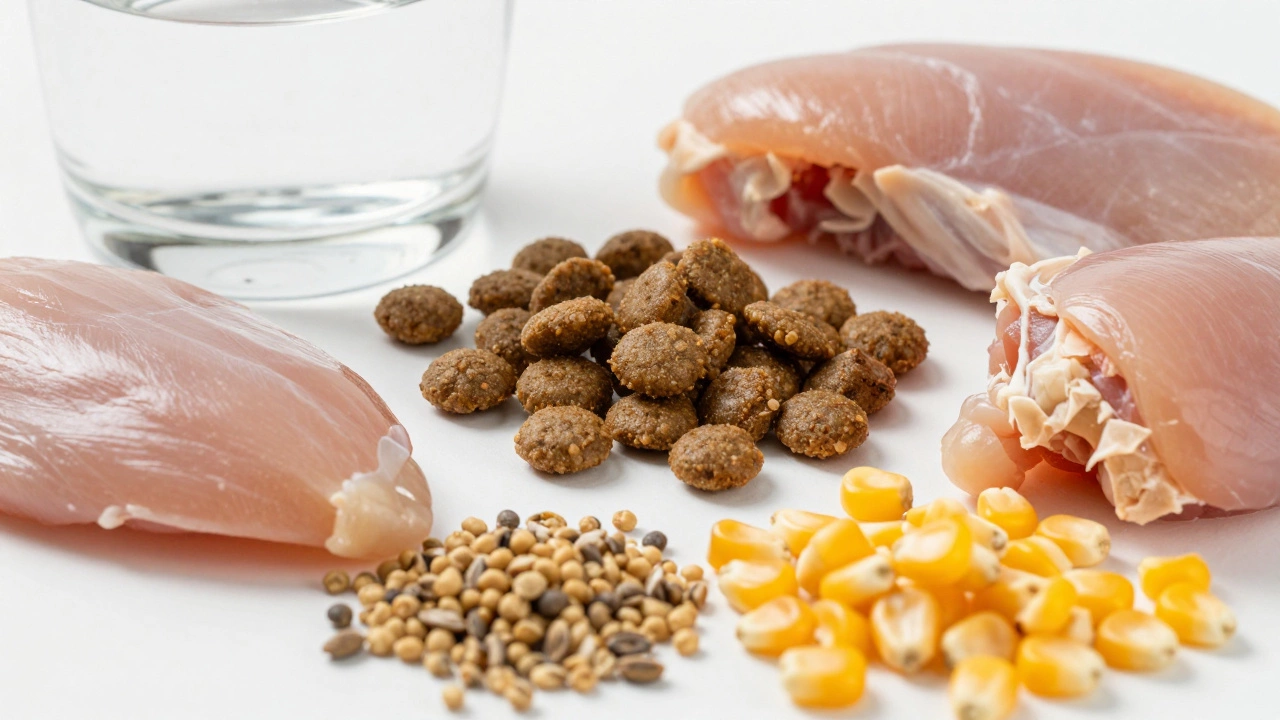
Vets also appreciate transparency in sourcing. While they might debate specific protein types, they generally agree that named meat sources are superior to vague terms like "animal by-product." Purina ONE uses chicken meal and corn gluten meal in many of their formulas. Some purist dog owners dislike this, preferring novel proteins, but from a medical standpoint, chicken is a highly digestible protein source that poses fewer allergen risks than some exotic meats.
Analyzing the Ingredient List
If you pick up a bag of Purina ONE SmartBlend, you'll notice real meat is listed as an ingredient. However, savvy readers will also spot the presence of grains like corn and wheat. This is where the modern pet industry gets complicated. There was a period where Grain-Free was marketed as inherently healthier, removing cereal grains entirely.
Veterinary cardiologists later linked grain-free diets containing pulses (like peas and lentils) to Dilated Cardiomyopathy (DCM) in dogs. Consequently, many vets have swung back towards including grains in diets. Purina ONE has traditionally been grain-inclusive, which now aligns better with current cardiac health research. Corn, specifically, provides carbohydrates that burn cleanly for energy without spiking blood sugar excessively in active dogs.
Another factor vets watch closely is moisture content. Most Purina ONE products are dry kibble. While convenient, dry food lacks the water intake benefit of wet food. Older dogs or those prone to kidney issues often require higher hydration levels. If you choose Purina ONE dry food, ensuring your dog drinks enough water becomes a critical part of the management plan. Many practitioners suggest topping the dry kibble with a little water or a scoop of canned food to mimic a more natural diet.
| Feature | Purina ONE | Typical Boutique Brand | Prescription Diet |
|---|---|---|---|
| Primary Protein | Chicken Meal | Fresh Meat | Hydrolysed Protein |
| Clinical Trials | Extensive | Limited | Mandatory |
| Regulatory Compliance | AAFCO / FEDIAF | Variable | Strict |
| Cost per Day | $1.50 | $3.00+ | $5.00+ |
Regulatory Standards: FEDIAF and AAFCO
In the United Kingdom and Europe, pet food manufacturers must adhere to guidelines set by FEDIAF. Across the Atlantic, AAFCO dictates standards. Purina operates globally, meaning they must satisfy both frameworks. This dual compliance is a selling point for vets who move between markets or treat dogs imported from different regions.
A common question owners ask is whether these regulations guarantee safety. The answer is nuanced. Regulations ensure minimum nutrient levels, like calcium or vitamin D, preventing deficiency diseases. They do not necessarily prevent the use of lower-quality fats or cheaper preservatives as long as nutritional targets are met. However, because major regulators monitor recalls closely, large companies face harsher penalties for non-compliance than smaller ones.
This regulatory oversight influences the veterinary opinion significantly. A vet recommending Purina ONE relies on the fact that the company maintains a documented trail of feed audits. If a batch is contaminated, the company can trace it back. In contrast, smaller online-only brands sometimes change suppliers silently, making consistency impossible to verify across different batches of the same product.
Addressing Common Health Concerns
Dogs with sensitive skin or digestion issues are a frequent topic of discussion in clinics. Owners often bring home samples of different foods, hoping to fix itchy ears or soft stools. Vets frequently assess whether the symptoms are truly food-related or environmental. Purina ONE offers specific lines like "Healthy Sensitive," which aim to address common sensitivities by reducing potential allergens.
However, true food allergies are rarer than suspected. Many issues stem from inflammatory reactions to cheap fillers rather than the food itself. Purina ONE uses beet pulp as a fibre source. Some dogs tolerate this well, while others develop gas or loose stools due to the fermentation of beet fibres in the colon. This is a classic trade-off: fibre helps manage weight and blood sugar, but excess fibre can cause digestive distress in sensitive guts.
Weight control is another major area where vets offer guidance. Obesity is the number one health problem in pets. Purina ONE includes weight management formulas, which are crucial for managing calorie intake. Unlike raw diets, which are hard to measure accurately, kibble allows for precise portion control. Vets appreciate this precision because it makes treating obesity mathematically predictable.
When Vets Recommend Alternatives
While Purina ONE is suitable for general maintenance, it isn't a cure-all. If a dog presents with chronic pancreatitis, renal failure, or severe allergies, a vet will likely switch the patient to a prescription diet. These diets, such as Royal Canin Veterinary or Hill's Prescription Diet, have undergone stricter testing for specific disease states.
Commercial diets like Purina ONE are designed for general populations. Prescription diets are designed for specific pathologies. For example, a kidney-friendly diet requires drastically reduced phosphorus levels that standard commercial food cannot safely provide without risking malnutrition in healthy dogs. So, while vets won't condemn Purina ONE, they reserve premium medical foods for patients with diagnosed medical conditions.
This distinction matters for budget-conscious owners. Spending extra on prescription food without a diagnosis is unnecessary. Conversely, relying solely on standard commercial food for a sick dog delays recovery. The vet's job is to navigate that threshold, deciding when general nutrition suffices and when medical intervention is needed.

Safety and Recall Transparency
No discussion of dog food safety is complete without mentioning recalls. Large manufacturers experience occasional recalls due to contamination risks, usually involving Salmonella or foreign material. Purina has had historical recalls, but they typically respond quickly and communicate clearly with consumers.
From a risk perspective, buying from a transparent company reduces uncertainty. Independent small-batch producers may promise "superior" ingredients, but if a contamination event occurs, they may lack the infrastructure to warn customers effectively. A vet's priority is continuity of care; knowing exactly what went wrong and how fast it was resolved helps them advise owners on whether to continue feeding a brand after an incident.
Furthermore, the frequency of recalls has changed over recent years as detection methods improve. As of early 2026, stricter monitoring on mycotoxins and heavy metals has made the market safer overall. Vets view these improvements positively, acknowledging that big players like Purina have adapted to tighter scrutiny better than some niche competitors.
Practical Tips for Feeding Purina ONE
If you decide to keep Purina ONE in your rotation, here are actionable steps to maximise its benefits:
- Check the expiry date upon purchase. Even reputable brands can degrade if stored too long in humid environments.
- Transition slowly. Mix old food with new Purina ONE over ten days to avoid gastrointestinal upset.
- Monitor stool quality consistently. Firm, formed stools indicate good digestion; loose stools signal intolerance.
- Weigh your dog monthly to ensure portions match activity levels.
- Consult your vet before adding supplements. Purina ONE is formulated to be complete, so adding calcium or vitamins without need creates toxicity risks.
Switching brands can be tricky. Many owners try multiple foods until they find the "best" one, not realizing their dog simply needed consistent feeding habits. Stability is often more beneficial than variety. Once you find a formula your dog tolerates well, staying on it supports gut bacteria stability.
Is Purina ONE good for puppies?
Yes, Purina ONE has specific puppy formulas tailored for growth. However, always consult a vet regarding breed size specifics, as giant breeds need slower growth rates to protect joints.
Do vets prefer wet food over kibble?
Vets do not universally prefer one over the other. Wet food offers hydration, while kibble offers dental texture. A combination often works best, but kibble is easier to dose for medication administration.
Can I mix Purina ONE with homemade food?
Mixing commercial and homemade is possible but risky. Homemade food often lacks balanced nutrients unless formulated by a nutritionist. Mixing them disrupts the balance of the commercial food.
Why is Purina ONE cheaper than boutique brands?
Economies of scale allow larger production runs. Lower marketing costs also contribute. The lower price reflects efficiency, not necessarily inferior ingredients, provided AAFCO standards are met.
Does Purina ONE contain artificial colours?
Most varieties contain no artificial colours, though flavour enhancers may be used. Always check the specific label for your preference, as formulations vary by region.
Ultimately, the decision rests on your dog's individual response. What works for one Golden Retriever might disagree with a Border Collie. Vets support Purina ONE because the data backs it up, but they rely on you, the owner, to observe how your dog actually reacts day-to-day. Knowledgeable owners paired with reliable brands create the safest environment for our furry friends.