Dog Shopping Cart Safety Checker
Answer these questions to assess whether your dog is a good candidate for the shopping cart and what precautions you should take.
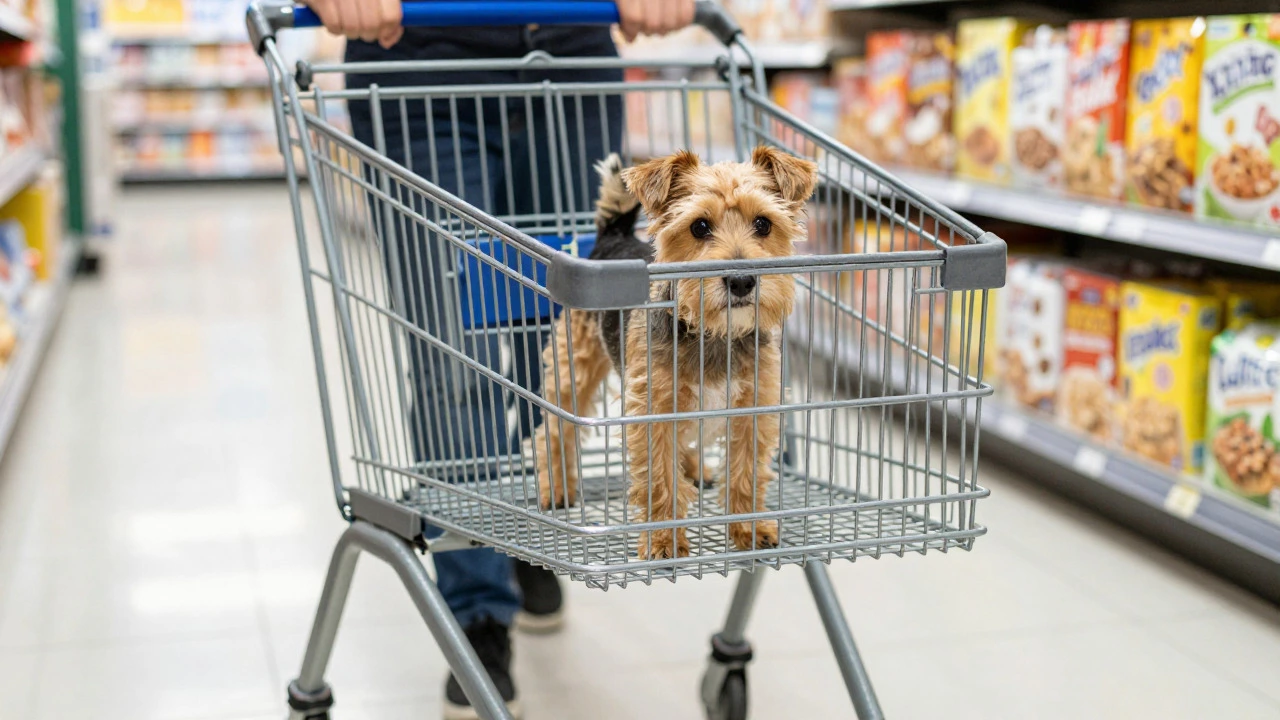
Imagine pushing a heavy grocery cart through the aisles, only to hear a sharp yelp. Your dog, perched precariously in the basket, just slipped on a wet floor or got startled by a sudden noise. It’s a common sight in many stores, but is it actually safe? The short answer is: it depends entirely on your dog’s size, stability, and the specific rules of the store you’re visiting.
While putting a small dog in a shopping cart is a popular convenience for owners, it isn't a one-size-fits-all solution. For some pets, it’s a fun ride; for others, it’s a hazard waiting to happen. Before you lift Fido into the basket next time, you need to understand the risks, the legalities, and the better alternatives that keep both you and your pup happy.
The Safety Risks You Need to Know
Let’s be real: standard grocery carts are not designed with pets in mind. They are built for cans of soup and boxes of cereal, not living creatures that move, breathe, and react to their environment. When you place a dog in the main basket, you introduce several physical hazards that most owners overlook until something goes wrong.
- Slippery Surfaces: Most cart bottoms are made of plastic or metal mesh. If there’s a spill-water, juice, or oil-the surface becomes incredibly slick. A dog standing on its hind legs or trying to shift weight can slide out easily.
- Instability: Carts have low side rails. If your dog gets excited, jumps up, or tries to escape, they can fall out at walking speed. Even a two-foot drop can cause bruising or sprains for smaller breeds.
- Obstruction: A dog in the cart blocks your view of the aisle. This increases the risk of bumping into other shoppers or tripping over display stands, which can tip the cart over.
These aren't just theoretical fears. Veterinary clinics see an surprising number of minor injuries from cart falls, particularly during peak holiday seasons when foot traffic is high. The key takeaway here is that without proper restraint, a shopping cart is more of a gamble than a safe seat.
Store Policies: What Are the Actual Rules?
You might think, "Well, I've done it before and no one stopped me." But policies vary wildly between chains and even individual locations. There is no single federal law in the US that explicitly bans dogs in shopping carts, but local health codes and private property rights play a huge role.
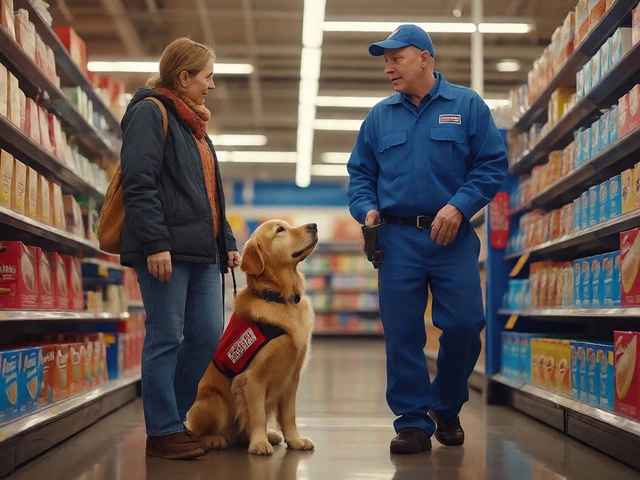
Generally, large chain supermarkets like Walmart, Target, or Kroger have flexible policies. They often allow service animals anywhere, and many managers look the other way on well-behaved pets in carts. However, this is usually based on the manager's discretion, not a written rule. On the other hand, hardware stores like Home Depot or big-box retailers like Costco may have stricter enforcement because of higher risks associated with heavy equipment and narrow aisles.
To navigate this, always check the signage near the entrance. If you see a sign saying "No Pets Except Service Animals," assume the cart is off-limits unless you have a service dog certification. If there’s no sign, ask an employee before loading your dog. It saves everyone the awkwardness of being asked to unload your pet halfway through the checkout line.
Is Your Dog Actually Suitable for the Cart?
Not every dog is a candidate for the cart. Size, temperament, and age all matter. Let’s break down who fits and who doesn’t.
| Dog Profile | Cart Suitability | Reason |
|---|---|---|
| Small Breeds (Chihuahua, Toy Poodle) | High (with restraint) | Fits comfortably, less likely to block view if harnessed |
| Medium Breeds (Beagle, Cocker Spaniel) | Moderate | May feel cramped, requires constant monitoring |
| Large Breeds (Labrador, Golden Retriever) | Low | Too big, obstructs view, high fall risk |
| Puppies (Under 6 months) | Low | Unsteady gait, prone to slipping, needs supervision |
| Anxious or Reactive Dogs | Very Low | Crowds and noises trigger stress, leading to jumping/biting |
If your dog weighs under 20 pounds and has a calm demeanor, they are the best candidates. Larger dogs should stick to walking on the ground or using a dedicated pet stroller. Also, consider your dog’s comfort level. Some dogs hate being confined, while others love the elevated view. Watch their body language: if they are panting heavily, trembling, or trying to climb out, the cart isn't working for them.

Better Alternatives to the Standard Cart
If you want the convenience of having your dog nearby without the risks of a standard cart, you have excellent options. These alternatives provide security, comfort, and often comply more easily with store rules.
1. Pet-Specific Shopping Carts
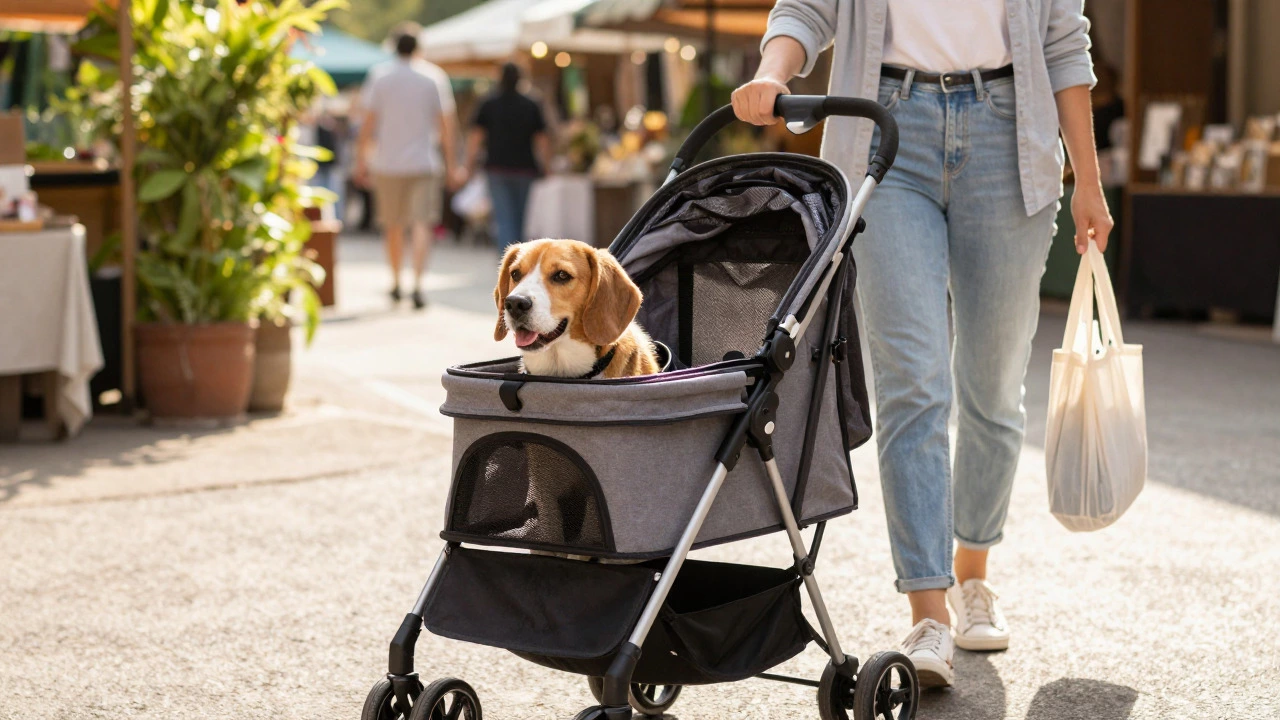
Companies now sell carts specifically designed for pets. These feature padded seats, secure harnesses, and wider bases for stability. They look similar to regular carts but include a strap system that attaches to your dog’s chest. This ensures they can’t jump out, even if they get excited.
2. Wrist Leashes
A wrist leash keeps your dog close to your ankle or leg as you walk. It’s lightweight and allows for quick movement. This is great for dogs that are comfortable walking on the ground but need to stay within arm's reach. Just be mindful of other shoppers’ personal space.
3. Front-Carrying Harnesses
For very small dogs or puppies, a front-clip harness worn on your chest is a game-changer. It distributes the weight evenly and keeps your hands free for groceries. It’s also safer than holding a dog, which can lead to dropped pets if you need to grab a heavy item.
How to Prepare Your Dog for Cart Rides
If you decide to use the cart, preparation is key. Don’t just toss your dog in and hope for the best. Here’s a simple routine to ensure safety and comfort.
- Introduce the Cart at Home: Place the empty cart in your living room. Let your dog sniff it and reward them with treats for approaching it. Build positive associations before going to the store.
- Use a Proper Harness: Never rely on a collar alone. A martingale or Y-shaped harness prevents choking and gives you better control. Attach the leash to the cart’s handle or a designated hook if available.
- Check the Floor: Before lifting your dog in, wipe down the cart bottom. Remove any debris or spills. A clean surface reduces the chance of slipping.
- Keep Trips Short: Limit cart time to 15-20 minutes. Dogs can get overheated or anxious in crowded spaces. Plan your shopping list so you can finish quickly.
This approach turns a potentially stressful experience into a manageable one. It shows your dog that the cart is a safe place, not a trap.
Legal Considerations and Liability
What happens if your dog escapes the cart and bites someone? Or if they knock over a display and break merchandise? In most cases, the owner is liable. Since the cart is considered part of the store’s equipment, but the dog is your responsibility, you could face fines for property damage or medical bills if someone is injured.
Service dogs have different protections under the ADA (Americans with Disabilities Act), but pets do not. This means store employees can legally ask you to remove a non-service animal if it disrupts business or poses a safety risk. Knowing this distinction helps you advocate for your pet while respecting store boundaries.
Always carry proof of vaccination and registration if possible. While not always required for pets in public spaces, it helps in case of an incident. It shows you are a responsible owner who takes care of their animal’s health and behavior.
Frequently Asked Questions
Is it legal to put a dog in a shopping cart?
Yes, it is generally legal in most US states, provided the dog is leashed or restrained and does not disturb other customers. However, individual store policies may restrict this, so always check with staff first.
What size dog can fit in a shopping cart?
Dogs under 20 pounds are the safest candidates. Medium-sized dogs may fit but will feel cramped. Large dogs should avoid carts due to visibility issues and fall risks.
Do I need a special harness for my dog in a cart?
Yes, use a secure, escape-proof harness attached to the cart’s handle or a dedicated pet cart. A collar alone is not sufficient as it can slip off or choke the dog if they pull back.
Are pet-friendly stores more lenient about dogs in carts?
Usually yes. Stores that advertise as pet-friendly often have wider aisles and fewer restrictions. They may even provide water bowls or treat stations, making the experience smoother for both you and your dog.
What should I do if my dog slips out of the cart?
Stay calm and immediately secure your dog with the leash. Check for any injuries to yourself, your dog, or surrounding merchandise. Notify store management right away to document the incident and prevent liability disputes.