Dog Co-Sleeping Suitability Calculator
Answer the following questions to determine if sharing your bed with your dog is a healthy choice for both of you.
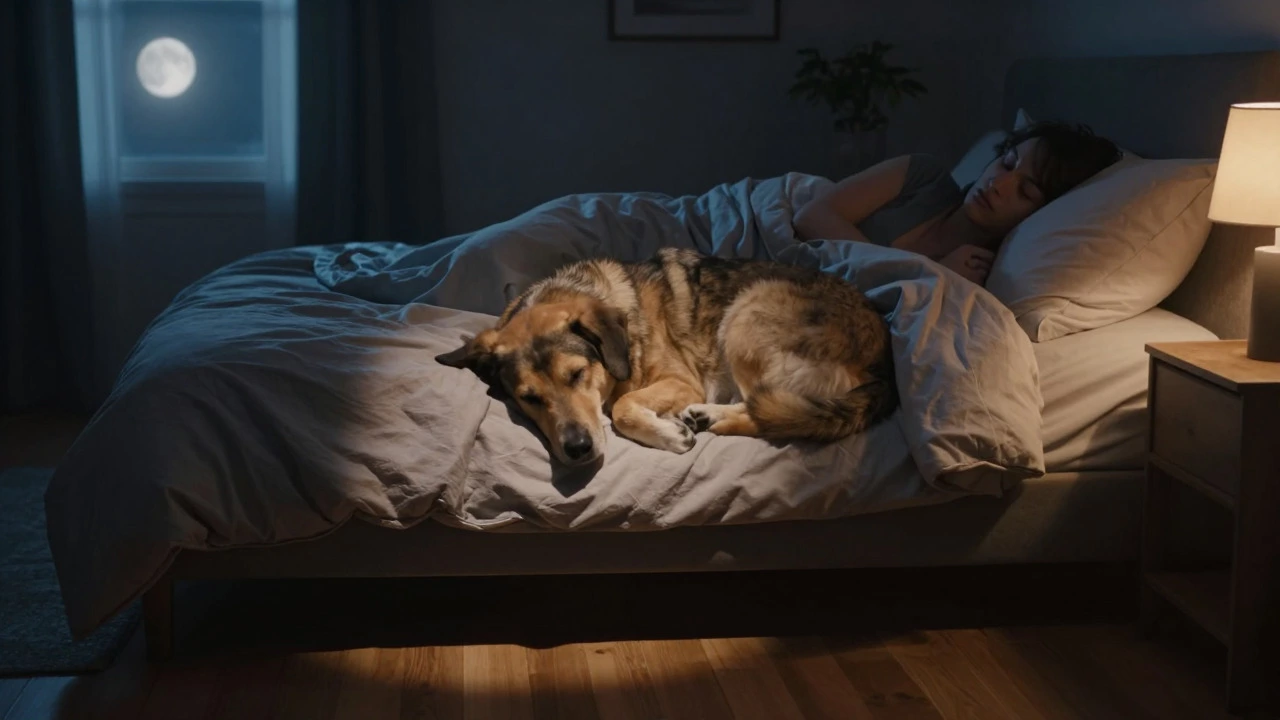
It’s 2 AM. The house is quiet, except for the heavy thud of paws on hardwood and a soft whine coming from your bedroom door. Your dog wants in. You’re exhausted, but you also know that once that tail starts wagging against the doorframe, it’s hard to say no. So, you let them in. They curl up at the foot of the bed, sigh deeply, and fall asleep within minutes. You follow suit.
This scenario plays out in millions of homes every night. But is letting your dog sleep in your bed actually good for either of you? Or are you setting yourself up for sleepless nights and behavioral issues down the road?
The answer isn’t a simple yes or no. It depends on your dog’s personality, your sleep quality, and how you handle boundaries. Let’s look at the science, the risks, and how to decide what works best for your household.
The Science Behind Co-Sleeping
Dogs are pack animals by nature. In the wild, wolves and feral dogs sleep close together for warmth, protection, and social bonding. When you invite your dog into your bed, you are tapping into this deep-seated instinct. For many dogs, sleeping next to their human "pack leader" provides a profound sense of security.
Oxytocin, often called the love hormone, plays a big role here. Studies show that physical contact between humans and dogs can increase oxytocin levels in both species. This chemical reaction promotes feelings of trust, calmness, and attachment. If your dog suffers from mild anxiety, the presence of your scent and body heat might be the only thing keeping their stress levels manageable at night.
However, biology doesn't always equal practicality. Just because dogs can sleep with us doesn't mean they should. We need to weigh the emotional bond against the physical reality of sharing a six-by-six-foot space with a 70-pound creature.
The Benefits: Why Owners Choose to Share the Bed
For some households, co-sleeping is a non-negotiable part of their routine. Here is why it works so well for certain pairs:
- Enhanced Bonding: Sharing vulnerable moments like sleep strengthens the human-animal connection. Many owners report feeling closer to their pets after months of co-sleeping.
- Anxiety Relief: Dogs with separation anxiety or those recovering from trauma often find comfort in proximity. The constant reassurance of your presence can lower their cortisol (stress hormone) levels.
- Temperature Regulation: On cold winter nights, a dog acts as a living heating pad. Conversely, in summer, some light-coated breeds prefer the cooler floor near the bed rather than under thick blankets.
- Security Monitoring: While modern home security systems are great, a dog’s hearing is far superior. A sleeping dog can still alert you to unusual noises, intruders, or even medical emergencies like seizures or low blood sugar episodes in humans.
If you value intimacy and your dog is calm, these benefits can outweigh the drawbacks. But if you are a light sleeper, the trade-off might not be worth it.
The Drawbacks: Hidden Costs of Co-Sleeping
Let’s be real: sharing a bed with a dog comes with challenges that go beyond just losing legroom. These issues can affect your health, your relationship, and your dog’s behavior.
| Factor | With Dog in Bed | Without Dog in Bed |
|---|---|---|
| Sleep Continuity | Higher risk of micro-awakenings due to movement, snoring, or shifting positions | Generally deeper, uninterrupted REM cycles |
| Allergen Exposure | Increased exposure to dander, saliva, and outdoor allergens brought in on paws | Reduced allergen load in the immediate breathing zone |
| Behavioral Impact | Risk of developing resource guarding or dependency | Promotes independence and clear territory boundaries |
| Hygiene | Requires more frequent washing of sheets and bedding | Standard laundry schedule suffices |
Sleep Disruption is the most common complaint. Even if your dog doesn’t bark, they move. They stretch, they scratch, they dream-run. Each of these movements can cause micro-awakenings in humans, reducing the amount of deep restorative sleep you get. Over time, this leads to chronic fatigue.
Allergies and Asthma are another major concern. Dog dander is a potent allergen. Sleeping face-to-face with a shedding breed can exacerbate respiratory issues. Even if you aren’t allergic, the bacteria and parasites dogs pick up from parks and sidewalks end up on your pillows.
Behavioral Issues can sneak up on you. When a dog sleeps in your bed, they may begin to view the bed as their territory. This can lead to Resource Guarding, where the dog growls or snaps if you try to move them or if a partner tries to join you. It can also create dependency, making it harder for the dog to cope when you travel or work late.

Who Should Avoid Co-Sleeping?
While many people enjoy having their dogs in bed, certain situations make it a bad idea. Consider keeping your dog out of the bedroom if:
- You are a light sleeper: If you wake up easily, your dog’s movements will likely disrupt your sleep cycle.
- Your dog has dominance issues: If your dog already shows signs of possessiveness over toys, food, or furniture, adding the bed to their list of guarded items is risky.
- You have young children: Small children are vulnerable to accidental injury from large dogs rolling over or jumping into bed unexpectedly. It’s safer to keep the sleeping spaces separate until the child is older and the dog is well-trained.
- Your dog has a medical condition: Dogs with arthritis, hip dysplasia, or cognitive dysfunction may struggle to jump in and out of high beds, leading to pain or injury.
- You suffer from severe allergies: Unless you use HEPA filters and wash bedding daily, your symptoms may worsen.
Setting Boundaries: How to Train Your Dog to Sleep Elsewhere
If you’ve decided that co-sleeping isn’t working, don’t just kick your dog out overnight. That causes confusion and anxiety. Instead, transition slowly using positive reinforcement.
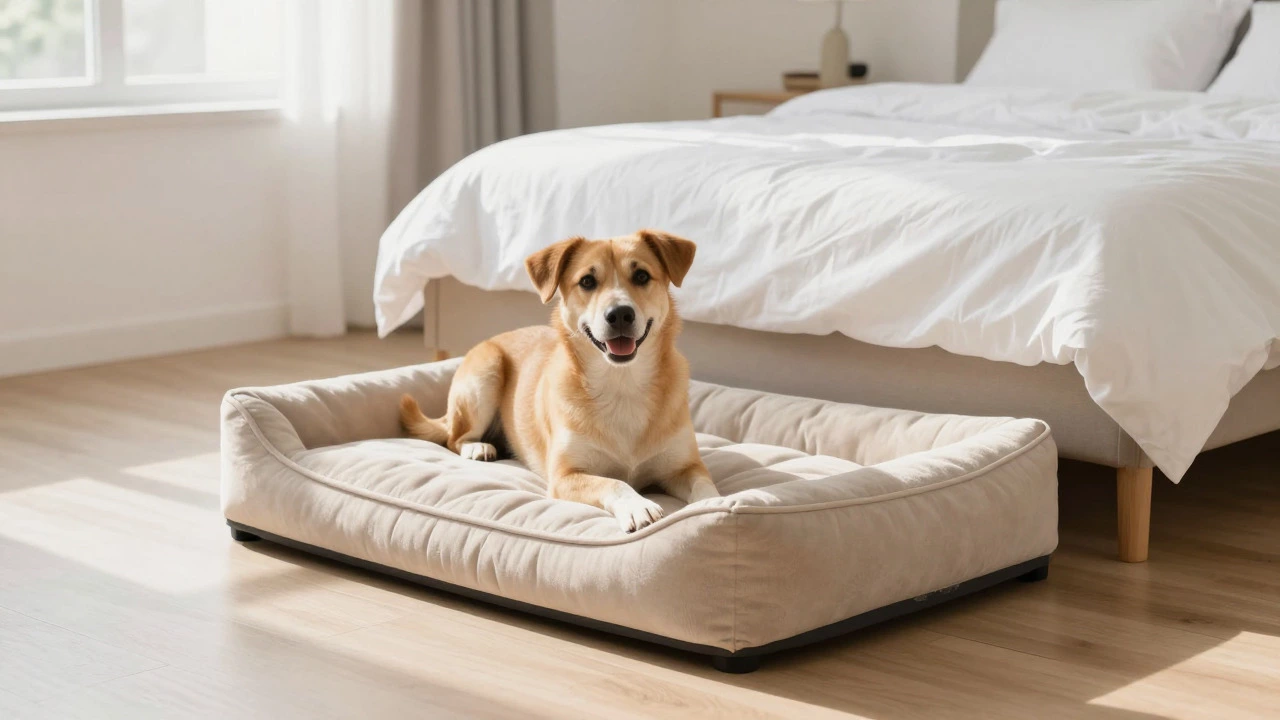
- Create a Comfortable Alternative: Invest in a high-quality Dog Bed placed right next to your bed initially. Use a memory foam orthopedic bed if your dog is older or has joint issues. Make it inviting with familiar blankets or an item of clothing that smells like you.
- Use Positive Reinforcement: Reward your dog heavily when they lie on their own bed. Use treats, praise, and gentle petting. Never force them; lure them there instead.
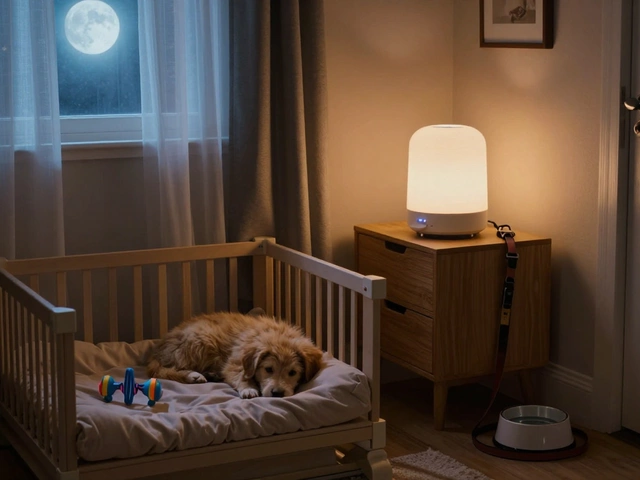
- Crate Training: For puppies or anxious dogs, a crate can serve as a den-like safe space. Place the crate near your bed so they still feel connected to you, but are physically separated.
- Consistent Routine: Go to bed at the same time each night. Exercise your dog before bedtime to ensure they are tired enough to sleep through the night without seeking attention.
- Close the Door Gradually: Once your dog is comfortable sleeping on their bed, start closing the bedroom door for short periods during the day. Gradually extend this to nighttime.
Patience is key. It may take weeks for your dog to adjust. If they whine, wait a few minutes to see if it settles. Only intervene if the noise persists, and then calmly guide them back to their spot without making a fuss.
Hygiene Tips for Co-Sleepers
If you decide to keep your dog in bed, hygiene becomes critical. You aren’t just sharing space; you’re sharing microbes. Follow these steps to keep your sleeping environment clean:
- Wash Bedding Weekly: Wash sheets, pillowcases, and blankets in hot water (at least 130°F or 54°C) to kill dust mites and remove dander.
- Bathe Your Dog Regularly: Aim for a bath every 4-6 weeks, depending on your dog’s coat type and activity level. This reduces the amount of dirt and odor they bring into bed.
- Brush Before Bed: A quick brush-down before bedtime removes loose hair and outdoor debris. Do this outside if possible.
- Check for Parasites: Ensure your dog is up-to-date on flea, tick, and heartworm prevention. Check their ears and skin regularly for signs of infection.
- Vaccinations: Keep your dog’s vaccinations current to minimize the risk of zoonotic diseases (diseases transmitted from animals to humans).
Finding the Middle Ground
You don’t have to choose between total separation and 24/7 co-sleeping. Many successful households adopt a hybrid approach.
For example, you might allow your dog on the bed only when you are cuddling or reading, but train them to jump down before you fall asleep. Alternatively, you could have a "dog-friendly" mattress topper that can be removed and washed separately, protecting your main mattress while still allowing contact.
Another option is the "floor bed." Place a plush dog bed on the floor right next to your human bed. This gives your dog the proximity they crave without the physical intrusion of being on top of you. It’s a compromise that respects both your need for personal space and their need for closeness.
Conclusion: Listen to Your Body and Your Dog
There is no universal rule for whether dogs should sleep with you. It’s a personal choice that depends on your lifestyle, your dog’s temperament, and your health needs. If co-sleeping brings you joy and improves your dog’s well-being without disrupting your sleep, then enjoy it. Just stay vigilant about hygiene and boundaries.
On the other hand, if you’re waking up tired, dealing with allergies, or noticing behavioral changes in your dog, it might be time to reconsider. Prioritize your sleep health. A rested owner is better equipped to care for a happy, healthy dog.
Ultimately, the goal is a harmonious relationship. Whether your dog is curled up at your feet or resting in their own cozy bed across the room, what matters most is that both of you feel safe, secure, and loved.
Does sleeping with your dog increase the risk of disease?
The risk is generally low if your dog is healthy and up-to-date on vaccinations and parasite prevention. However, co-sleeping can increase exposure to zoonotic diseases like ringworm, giardia, or bacterial infections if hygiene is neglected. Washing bedding regularly and bathing your dog reduces this risk significantly.
Can sleeping with my dog help with my anxiety?
Yes, for many people, the physical presence of a dog can lower stress levels and reduce anxiety. The release of oxytocin during physical contact promotes calmness. However, if your dog’s movements disrupt your sleep, the resulting fatigue might actually worsen anxiety symptoms over time.
How do I stop my dog from guarding the bed?
Resource guarding requires careful management. Start by feeding your dog near the bed to create positive associations. Practice trading treats for access to the bed. If your dog growls, consult a professional trainer immediately. Avoid punishing the dog, as this can escalate aggression. Instead, reinforce calm behavior with rewards.
Is it okay for puppies to sleep in the bed?
Many experts recommend against letting puppies sleep in the bed long-term. Puppies need to learn independence and bladder control. Sleeping in a crate or pen nearby helps with house training and prevents them from forming bad habits like jumping on the bed excessively. If you do let them in, keep sessions short and supervised.
What is the best type of dog bed for co-sleepers?
If you share the bed, consider a waterproof, washable mattress protector for your human bed. For the dog, an orthopedic memory foam bed is ideal, especially for older dogs or large breeds. Look for beds with removable, machine-washable covers to maintain hygiene. Elevated beds can also help keep your dog off the floor and away from drafts.