Puppy Crate & Bladder Control Calculator
To find the correct crate length, measure your puppy from nose to tail base.
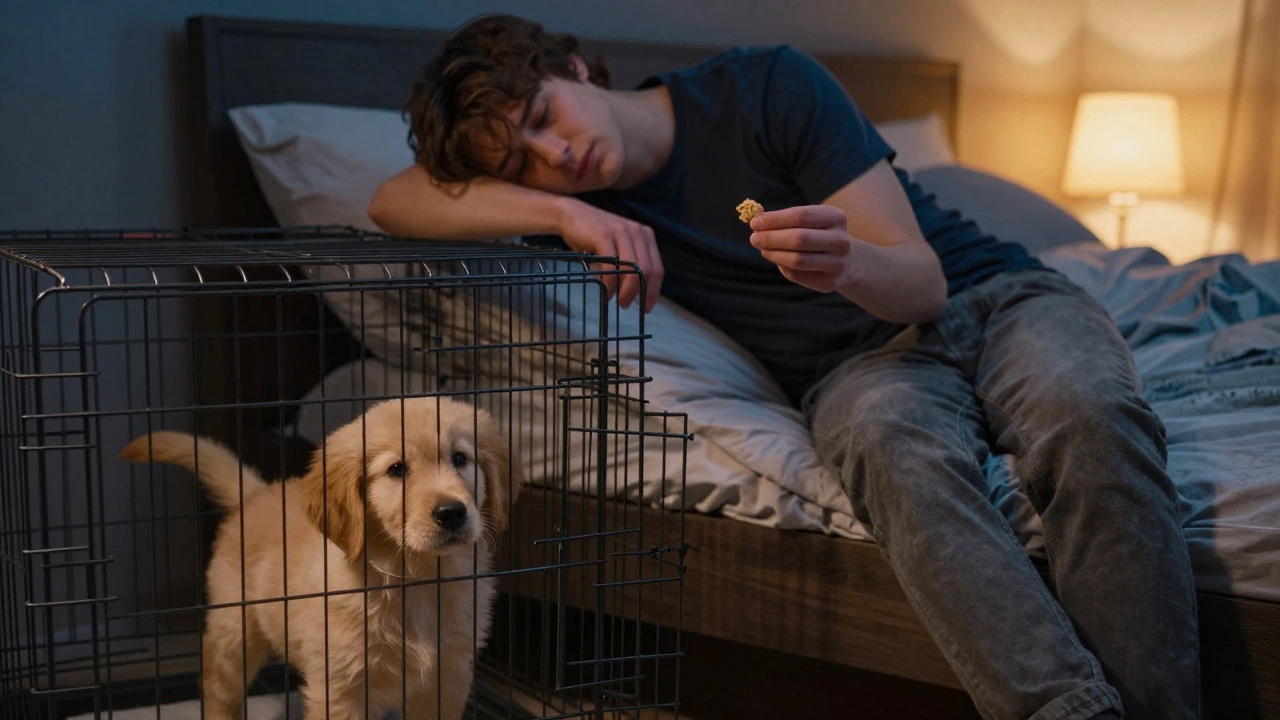
It’s 2 AM. Your new puppy is whining from the bedroom floor, and you’re exhausted. You grab the crate in the hallway and wonder if locking them in there is cruel or just necessary. This is the single most common debate among first-time dog owners. The answer isn't a simple yes or no; it depends on how you use the space. Used correctly, a crate becomes a safe den that accelerates house training by preventing accidents in forbidden areas. Used incorrectly, it becomes a prison that breeds anxiety.
The Instinct Behind the Crate
To understand why this works, you have to look at wild ancestors. Dogs are den animals. In the wild, a pack sleeps in a confined space protected from predators. A wire or plastic crate mimics this secure den environment. When a puppy feels safe, their cortisol levels drop, and they sleep deeper. Deeper sleep means better brain development and less destructive behavior during the day. However, this instinct only works if the crate is associated with positive things, not punishment. If you ever put your puppy in the crate as a timeout after a bad chew session, you’ve broken the trust. From that point on, the crate equals "bad place," and sleeping in it becomes a battle of wills.
Choosing the Right Size: The Golden Rule
Most people buy crates too big. This is a mistake. If the crate is large enough for the puppy to stand up, turn around, and still have room to pee in the corner, they will do exactly that. The ideal size allows the puppy to stand, sit, and lie down comfortably, but no more. For growing puppies, consider a crate with a divider panel. This lets you adjust the space as they grow over the next six months. A collapsible wire crate is often best for young dogs because it’s easy to move and ventilated. Plastic crates offer more privacy but can be harder to clean if accidents happen. Measure your puppy from nose to tail base, then add about two inches. That’s your target interior length.
Setting Up the Sleeping Space
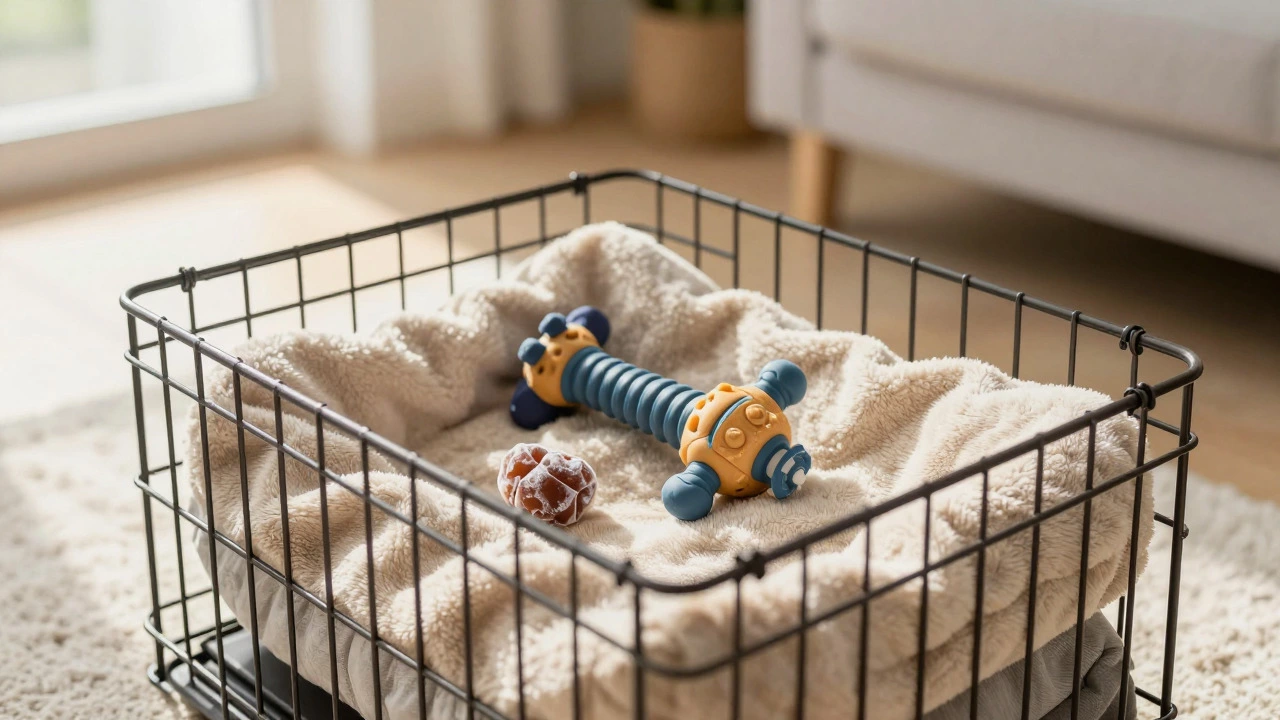
Location matters more than you think. For the first few weeks, keep the crate in your bedroom. Puppies are social creatures and feel safer when they can hear and smell their humans. Placing the crate in a remote garage or basement isolates them and increases separation anxiety. Inside the crate, avoid thick blankets that can be shredded and swallowed. Instead, use a washable mat or a thin fleece blanket. Add a frozen treat or a durable chew toy like a Kong stuffed with peanut butter. This creates a positive association: crate equals food and fun. Never force the door shut while the puppy is inside. Let them enter voluntarily at first. Toss treats inside, close the door for five seconds, open it, and repeat. Gradually increase the time until they settle down without fussing.
Nighttime Routine and House Training
A puppy’s bladder control is limited. As a rough rule of thumb, a puppy can hold their bladder for one hour per month of age, plus one. So, a three-month-old puppy can hold it for about four hours. This means they will need a potty break in the middle of the night. Set an alarm for this window. When they wake up, take them straight outside to the same spot every time. Use a consistent cue like "go potty." Reward immediately after they finish. Then, return them to the crate. Do not let them roam the house at night. Roaming leads to accidents on carpets and confuses the learning process. Over time, as their bladder strengthens, you’ll extend the interval between breaks. By six months, many puppies can sleep through the night without interruption.
When to Stop Using the Crate for Sleep
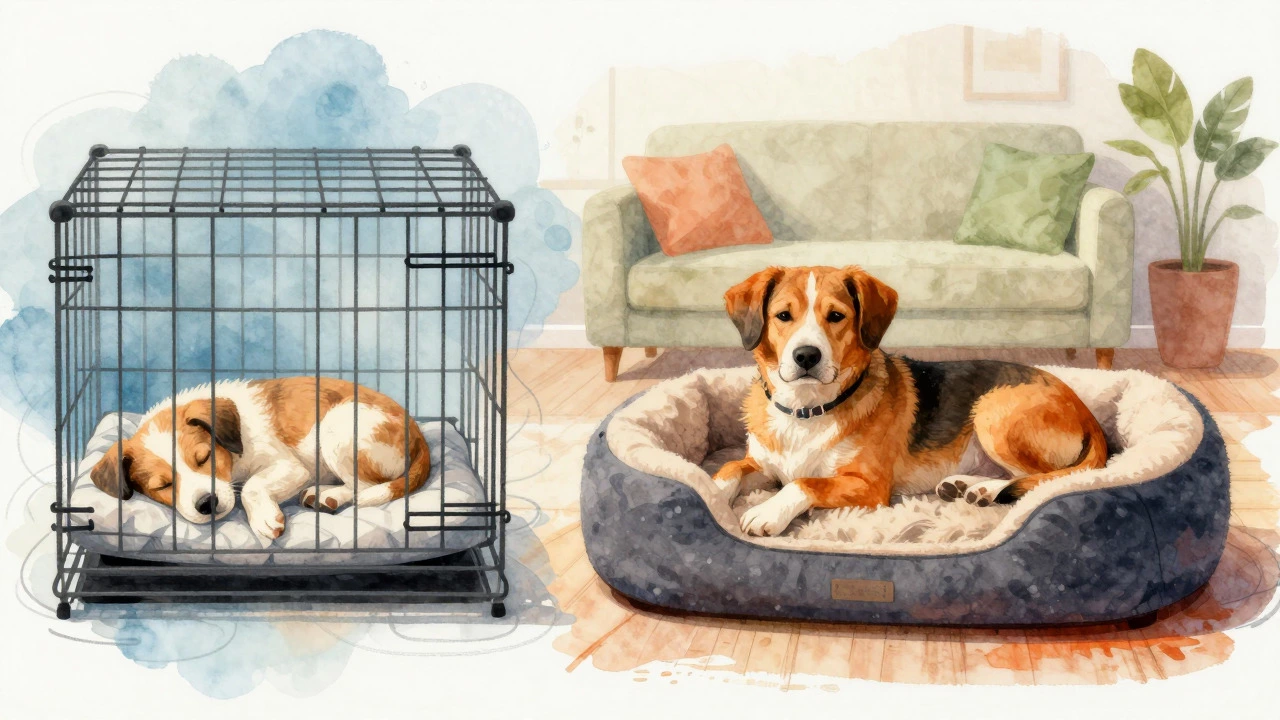
There is no fixed age to stop crating for sleep. It depends on your puppy’s maturity and your household layout. Some owners continue using crates for naps and nighttime sleep until the dog is a year old. Others transition to a dog bed in the bedroom once the puppy is fully house-trained and has stopped chewing furniture. Signs that your puppy is ready to graduate include:
- Consistent house training for at least two weeks.
- No destruction of bedding or crate bars.
- Calm demeanor when left alone in a small area.
- Absence of excessive whining when the door is closed.
Common Mistakes to Avoid
Even experienced owners make these errors. First, using the crate for punishment. Second, leaving the puppy in the crate for too long during the day. Puppies need socialization and mental stimulation. A crate should be a retreat, not a full-time home. Third, ignoring the whining. Whining doesn’t always mean they need to come out. Sometimes it’s just settling in. Wait a few minutes before opening the door. If you rush to release them every time they bark, you teach them that noise gets freedom. Finally, skipping the exercise. A tired puppy is a good puppy. Before bedtime, engage in 15-20 minutes of play or training. This burns off energy and makes falling asleep easier.
| Type | Pros | Cons | Best For |
|---|---|---|---|
| Wire Crate | Ventilated, collapsible, adjustable | Can rust, less private | Growing puppies, travel |
| Plastic Crate | Private, durable, easy to clean | Heavy, hard to resize | Adult dogs, car travel |
| Soft-Sided Crate | Lightweight, portable | Chew-proof issues, less structure | Travel, light chewers |
Managing Anxiety and Whining
If your puppy cries persistently, check the basics. Are they hungry? Thirsty? Did they need to pee? If those are covered, give them time. White noise machines or classical music can help mask outside sounds that might startle them. Ensure the crate is covered with a breathable cloth to create a cozy cave effect. Avoid placing the crate near windows where traffic or other dogs pass by. Visual stimuli can trigger barking. If anxiety persists beyond two weeks, consult a veterinarian to rule out medical issues like urinary tract infections or gastrointestinal distress.
Is it cruel to leave a puppy in a crate overnight?
No, provided the crate is introduced positively and the puppy is healthy. Most veterinarians recommend crating for the first few months to aid house training and provide security. Just ensure they get adequate exercise and social interaction during the day.
How long can a puppy stay in a crate?
As a general guideline, limit crate time to one hour per month of age, plus one. For example, a four-month-old puppy should not be crated for more than five hours at a stretch. Always provide breaks for potty trips and play.
Should I cover my puppy's crate at night?
Yes, covering the crate with a breathable cloth can reduce visual distractions and create a sense of security. Just ensure proper ventilation so the puppy doesn't overheat. Remove the cover if the puppy seems stressed or if the room temperature is high.
What if my puppy pees in the crate?
First, check if the crate is too big. Second, ensure you're taking them out frequently enough. Clean the accident with an enzymatic cleaner to remove the scent. Don't punish the puppy; they likely didn't have a chance to signal their need. Increase potty breaks and monitor their water intake before bed.
At what age can a puppy sleep without a crate?
There is no specific age. It depends on the individual dog's maturity. Most puppies are ready to transition to an open bed between six and twelve months, provided they are reliably house-trained and calm. Watch for signs of independence and lack of destructive behavior before making the switch.