Puppy Chew Toy Safety Quiz
Loading question...
Quiz Complete!
Reviewing results...
Why Your Puppy’s Mouth Is a Hazard Zone
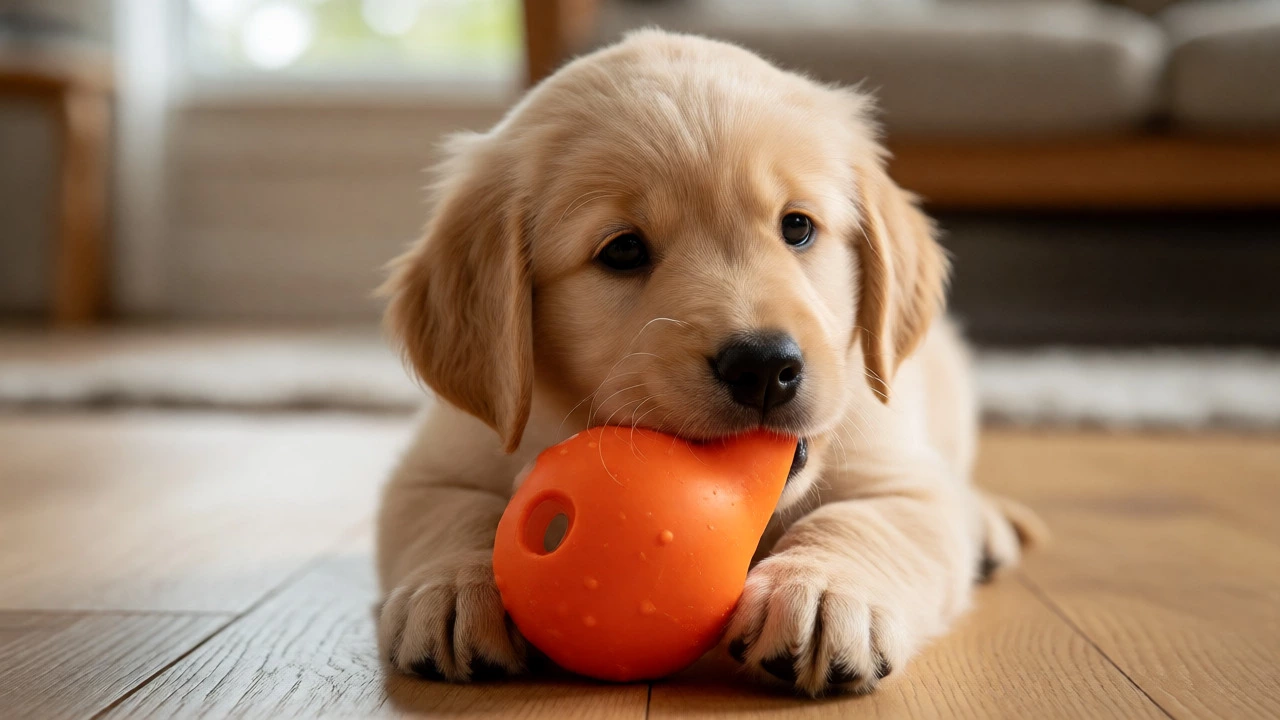
You’ve just brought home an eight-week-old bundle of fur. They’re tiny, they’re cute, and they are absolutely destroying your furniture. It feels like they have teeth made of razor blades, doesn’t it? At this age, puppies are in the thick of their teething phase. Their baby teeth are falling out, and adult teeth are pushing through sensitive gums. Chewing isn’t just bad behavior; it’s relief. But not all chewing is created equal. Give them the wrong thing, and you risk broken teeth or a trip to the vet for a swallowed sock. Give them the right thing, and you save your shoes while soothing their sore gums.
The Golden Rule: The Thumbnail Test
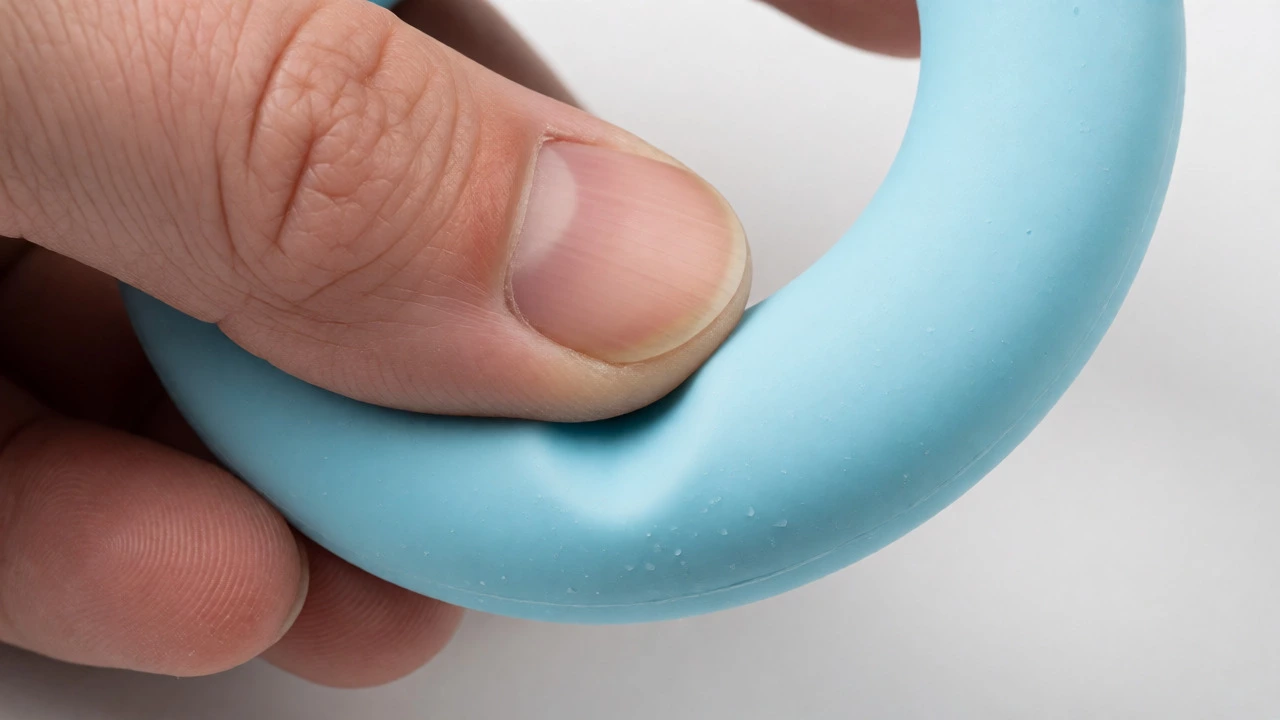
Before you hand over any object, perform the thumbnail test. Press your thumbnail firmly into the toy. If it doesn’t give slightly, it’s too hard for an eight-week-old puppy. Adult dogs can handle hard nylon bones, but a young pup’s developing teeth can fracture on materials that feel rock-solid. You want something with a bit of 'give'-like rubber, soft silicone, or specific types of edible chews that soften with saliva.
Size matters just as much as hardness. An eight-week-old puppy has a mouth roughly the size of a tennis ball. Anything smaller than a golf ball is a choking hazard. Anything larger than their head might be frustrating to hold. Look for toys specifically labeled "for puppies" or "small breed." These are engineered with softer compounds and appropriate dimensions.
Top Safe Options for Teething Relief
Not all toys are created equal. Here is what actually works for young pups, based on safety standards and veterinary recommendations.
| Chew Type | Safety Rating | Best For | Risk Factor |
|---|---|---|---|
| Soft Rubber | High | General play & gentle gum massage | Low (if non-toxic) |
| Frozen Wet Washcloth | Very High | Sore gums & inflammation | Low (supervised only) |
| Edible Dental Sticks | Medium-High | Dental hygiene & distraction | Choking if gulped whole |
| Rope Toys | Medium | Tugging & flossing action | Fiber ingestion risk |
| Hard Nylon Bones | Low | Adult dogs (not puppies) | Tooth fractures |
1. Soft Rubber and Silicone Toys
This is your daily driver. Brands like KONG offer specific "Puppy" lines made from softer rubber than their classic red versions. You can stuff these with wet food or yogurt and freeze them. The cold numbs the gums, and the effort of licking keeps them busy. Always check for cracks. If a rubber toy starts tearing, throw it away immediately. Ingested rubber pieces can cause intestinal blockages.
2. The Frozen Washcloth Hack
You don’t need to buy anything special for this one. Take a clean cotton washcloth, soak it in water, wring it out, twist it into a rope shape, and freeze it solid. Hand it to your puppy under supervision. The ice provides significant relief for inflamed gums. Just make sure they aren’t shredding it and eating the fabric. Once it thaws, take it back. This is one of the cheapest and most effective remedies for teething pain.
3. Edible Chews: What’s Actually Safe?
Many owners rush to buy rawhide, but veterinarians often advise against it for young puppies. Rawhide can swell in the stomach and pose a choking hazard if large chunks break off. Instead, look for single-ingredient dehydrated chews, like chicken feet or turkey necks, which are softer and more digestible. Or, opt for vegetable-based dental sticks formulated for puppies. These dissolve slowly and are less likely to splinter.
What to Avoid at All Costs
Some common household items are surprisingly dangerous for eight-week-olds. Ice cubes seem harmless, but they are extremely hard. A puppy biting down on a solid cube can crack a tooth. Use crushed ice instead if you want to offer cold treats.
Avoid cooked bones entirely. Chicken wings or beef ribs become brittle when cooked and shatter into sharp shards that can puncture the digestive tract. Also, steer clear of antlers and hooves. While marketed as "natural," they are often too dense for puppy teeth. Save those for when your dog is fully grown and has permanent enamel.

Supervision Is Non-Negotiable
No matter how "indestructible" a toy claims to be, you must supervise an eight-week-old puppy during chew time. They are learning what is acceptable and what is not. If you leave them alone with a new toy, they might figure out how to swallow it whole. Start with short sessions of 10-15 minutes. Watch how they interact with the object. Are they gnawing gently, or trying to tear it apart? Adjust accordingly.
Rotate toys weekly. If a puppy sees the same toy every day, they lose interest. Rotation keeps the novelty high and prevents boredom-driven chewing on furniture. Keep a bin of five or six safe options, and swap two out each week.
Signs of Trouble
Keep an eye on your puppy’s mouth. Bleeding gums are normal during teething, but excessive drooling, refusal to eat, or swelling around the jaw could indicate a stuck tooth fragment or an infection. If you notice blood on the toy occasionally, that’s fine. If the bleeding persists after removing the toy, call your vet.
Also, monitor their stool. Small amounts of toy material can pass through, but large pieces require medical attention. Vomiting or lethargy after chewing session is a red flag.
Can I give my 8-week-old puppy ice cubes?
Whole ice cubes are generally too hard and can fracture puppy teeth. Instead, offer crushed ice or a frozen wet washcloth. These provide similar cooling relief without the risk of breaking teeth.
Is rawhide safe for puppies?
Rawhide is controversial for puppies. It can swell in the throat or stomach and may contain chemicals used in processing. Many vets prefer digestible alternatives like dehydrated meat chews or vegetable-based dental sticks for young dogs.
How do I know if a toy is too hard?
Use the thumbnail test. Press your thumbnail into the toy. If it doesn't indent or give way slightly, it is too hard for a puppy's developing teeth. Opt for softer rubber or silicone materials.
Should I let my puppy chew on my hands?
No. Redirect biting onto appropriate chew toys. Letting them chew on hands teaches them that skin is a valid target, which leads to nipping problems later. Consistently offer a toy whenever they try to bite you.
How often should I replace puppy chew toys?
Inspect toys daily. Replace them immediately if you see tears, loose parts, or signs of wear. Even durable toys degrade over time, and small detached pieces can become choking hazards.