Puppy Nighttime Bladder Control Calculator
Enter your puppy's details to see estimated nighttime bladder capacity.
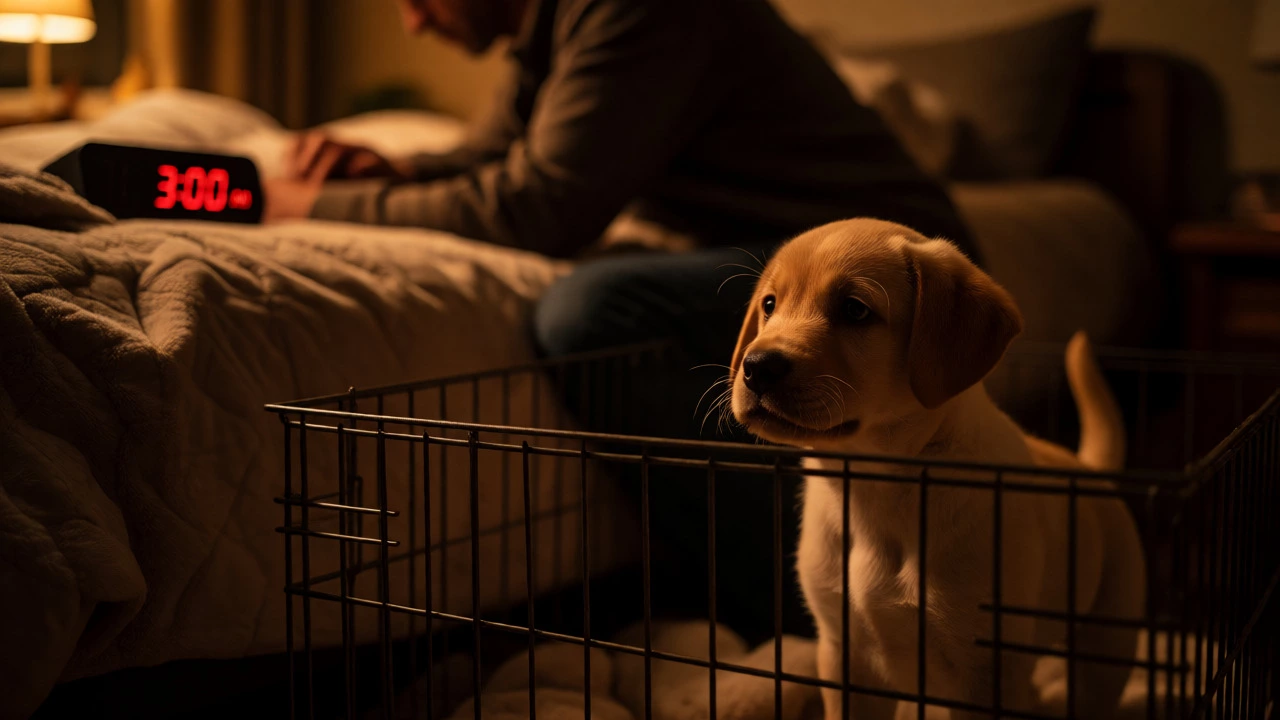
You’re staring at the clock. It’s 3:00 AM. Your eight-week-old Labrador mix is whining in his crate, and you are exhausted. You wonder if he’s sick, if he’s spoiled, or if you’re doing something wrong. The truth? He’s probably just a baby with a tiny bladder. Knowing what age puppies can hold their pee at night saves you from sleep deprivation and frustration. It’s not about willpower; it’s about biology.
The One-Month Rule of Thumb
Here is the golden rule every new dog owner needs to tattoo on their brain: A puppy can generally hold its urine for one hour per month of age, up to about eight months old. This isn’t a suggestion; it’s a physiological limit based on muscle development and bladder capacity. If your puppy is two months old, he can physically hold it for about two hours. Asking him to wait four is like asking a toddler to run a marathon without water breaks. It’s unfair and often results in accidents that aren’t really “accidents.”
Puppy Bladder Control is the ability of a young dog to voluntarily delay urination until an appropriate time and place, which develops progressively as the urethral sphincter muscles mature and bladder capacity increases. Unlike adult dogs, puppies lack full neurological control over these functions until they reach sexual maturity, typically between six and twelve months depending on breed size.
Aging Up: When Do Puppies Gain Control?
Let’s break down what actually happens inside your puppy’s body as they grow. This timeline helps you set realistic expectations so you don’t punish a dog for failing a test he hasn’t passed yet.
- 8 Weeks (2 Months): Expect 1-2 hours max. At night, this means waking up once or twice. Their bladders are pea-sized. They literally cannot hold more than a few ounces.
- 12 Weeks (3 Months): You might stretch to 3 hours. Many owners start sleeping through the first block here, but midnight trips are still common.
- 4 Months: 4 hours is possible. If you go to bed at 10 PM, you might get away with a single wake-up around 2 AM.
- 6 Months: Most puppies can hold it for 5-6 hours. This is where many people think they’re done, but stress or excitement can still cause leaks.
- 8+ Months: Full overnight control (7-9 hours) usually kicks in here for medium breeds. Giant breeds may take longer due to slower physical maturation.
Breed Size Matters More Than You Think
Not all puppies develop at the same rate. A Great Dane puppy looks huge, but his internal organs are still developing. Conversely, a Chihuahua has a smaller bladder but matures faster neurologically. Here’s how different sizes stack up against the standard rule.
| Age | Small Breeds (e.g., Toy Poodle) | Medium Breeds (e.g., Beagle) | Large/Giant Breeds (e.g., German Shepherd) |
|---|---|---|---|
| 8 Weeks | 1-2 hours | 1-2 hours | 1 hour |
| 12 Weeks | 3 hours | 2-3 hours | 2 hours |
| 4 Months | 4 hours | 3-4 hours | 3 hours |
| 6 Months | 5-6 hours | 4-5 hours | 4 hours |
| 8 Months+ | 6-8 hours | 6-7 hours | 5-6 hours |
Why Your Puppy Wakes You Up (It’s Not Just Pee)
Sometimes, the whine isn’t because he needs to pee. It’s because he’s hungry, thirsty, or scared. If you feed him dinner at 8 PM, he’ll likely need to go out around 11 PM or midnight. Water intake plays a massive role here. If you leave a bowl out all day, he’s drinking more than necessary before bed. Try removing water 2-3 hours before bedtime. This simple trick can buy you an extra hour of sleep without dehydrating him.
Also, consider the environment. Is his crate too big? Dogs naturally avoid soiling their sleeping area. If the crate is spacious enough for them to pee in one corner and sleep in another, they will do exactly that. Use a divider panel to make the crate just big enough for him to stand, turn around, and lie down. This instinctual cleanliness is your best ally in puppy potty schedule management.
Troubleshooting Accidents: Medical vs. Behavioral
If your puppy suddenly starts having accidents after being clean for weeks, don’t assume he’s regressing. Check for medical issues. Urinary tract infections (UTIs) are surprisingly common in puppies and cause urgent, frequent urination. Symptoms include straining, crying while peeing, or cloudy urine. If you see blood or notice a strong odor, call your vet immediately. A UTI can strike any age puppy, regardless of training progress.
Another culprit is submissiveness. Some puppies leak urine when excited or greeted. This isn’t a lack of bladder control; it’s an emotional response. Don’t punish this behavior. Instead, greet your puppy calmly, ignoring him for the first minute. Reward calm behavior with treats only after he’s settled. Punishment makes submission worse, leading to more leaks.
Strategies for Surviving the Night
You don’t have to quit your job to train a puppy. With smart scheduling, you can minimize disruptions. Here’s a battle-tested routine that works for most households.
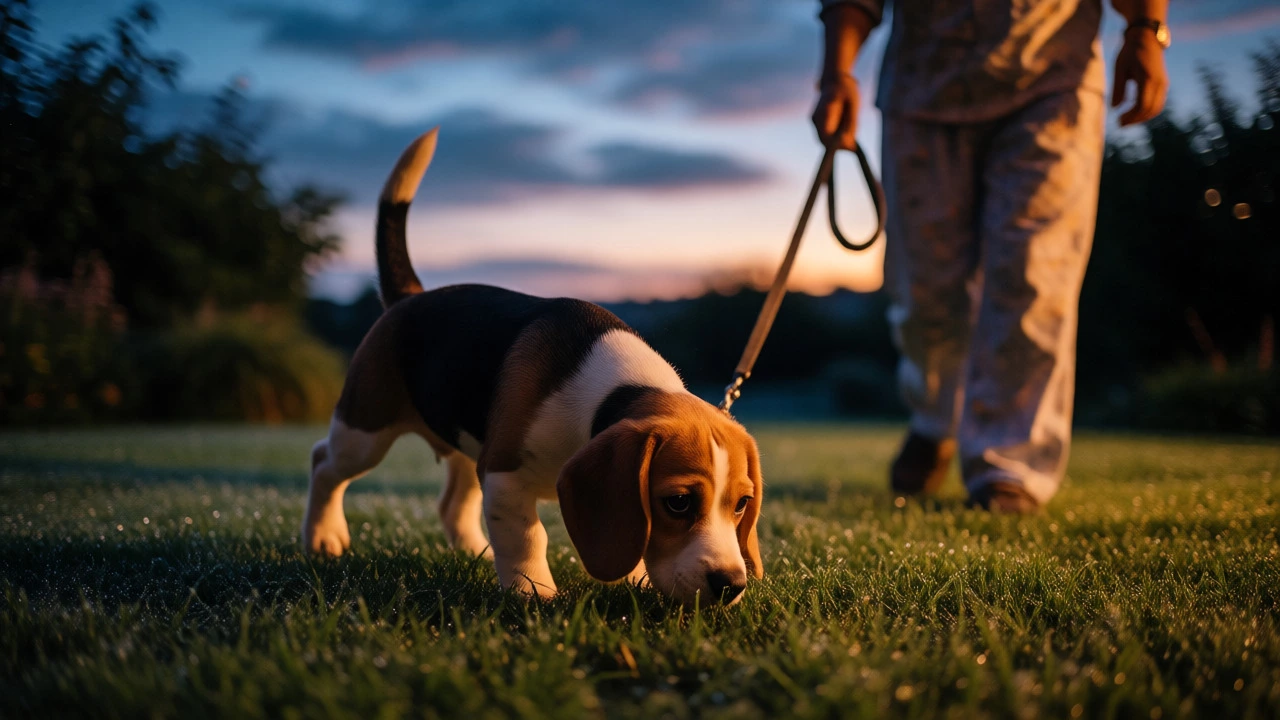
- The Last Call: Take your puppy out for a final potty break right before you go to bed. Make it boring. No playing, no treats. Just business. Wait until he goes. If he doesn’t go within 5 minutes, put him back in the crate and try again in 15 minutes.
- The Midnight Alarm: Set an alarm for 4 hours after bedtime. Go out quietly. No lights, no talking. Let him do his business, then bring him straight back to bed. This prevents him from associating nighttime outings with playtime.
- Gradual Extension: Every week, push the alarm back by 15-30 minutes. If he holds it, great. If he has an accident, move the alarm earlier. Listen to his body.
- Morning Routine: First thing in the morning, take him out immediately. Even if he slept through the night, he needs to empty his bladder. This reinforces the pattern: Sleep = Hold, Wake = Go.
Common Mistakes That Sabotage Progress
We’ve all been there. You’re tired, and you make small errors that add up. Here are the biggest traps to avoid.
- Rubbing their nose in it: This teaches them to fear you, not to hold their pee. By the time you find the puddle, the opportunity for learning is gone.
- Inconsistent schedules: Feeding and walking times must be predictable. Irregular feeding leads to irregular digestion and unpredictable bathroom needs.
- Ignoring subtle signs: Sniffing, circling, or whining at the door are early warnings. Act on them instantly. Waiting for the squat means it’s already too late.
- Over-exercising before bed: A tired puppy sleeps better, but an overly stimulated one might have a full bladder from increased water intake during play. Keep evening activities low-key.
When to Seek Professional Help
If your puppy is over six months old and still wetting the bed consistently, talk to your vet. They can check for ectopic ureters or other congenital abnormalities. Rarely, some dogs have a condition called juvenile urinary incontinence, which requires medication. But remember, most cases are simply a matter of time and consistent routine. Patience pays off. Before you know it, you’ll forget what it feels like to sleep more than three hours at a stretch.
Can a 3-month-old puppy hold it all night?
Generally, no. A 3-month-old puppy can typically hold its bladder for about 3 to 4 hours. Most puppies at this age will need at least one, and sometimes two, nighttime bathroom breaks. Sleeping through the entire night (7-8 hours) is usually not physiologically possible until they are closer to 6 months old.
How long should I wait before taking my puppy out at night?
Follow the one-hour-per-month rule. If your puppy is 4 months old, plan for a 4-hour window. Set an alarm slightly before that time to prevent accidents. As they age, gradually extend the interval by 15-30 minutes each week until they can hold it for 7-8 hours.
Should I remove my puppy's water at night?
Yes, it is recommended to remove water bowls 2-3 hours before bedtime. This reduces the volume of urine produced during sleep. Ensure your puppy stays hydrated throughout the day, but limiting evening intake helps significantly with nighttime bladder control.
Why does my puppy pee in the crate even though he was trained?
If a puppy suddenly starts peeing in a crate he previously kept clean, it could be a medical issue like a UTI, or the crate might be too large, allowing him to eliminate in one corner and sleep in another. Check for health issues first, then ensure the crate size is appropriate (just big enough to stand and turn).
At what age do dogs stop needing nighttime potty breaks?
Most medium-sized dogs achieve full nighttime bladder control between 6 and 8 months of age. Small breeds may achieve this sooner, while giant breeds may take up to 12 months. Consistency in training and monitoring water intake accelerates this process.