Tuna Treat Calculator for Cats
Enter your cat's details to see if your tuna treat habits are keeping them healthy or risking nutritional imbalances.
Key Health Factors:
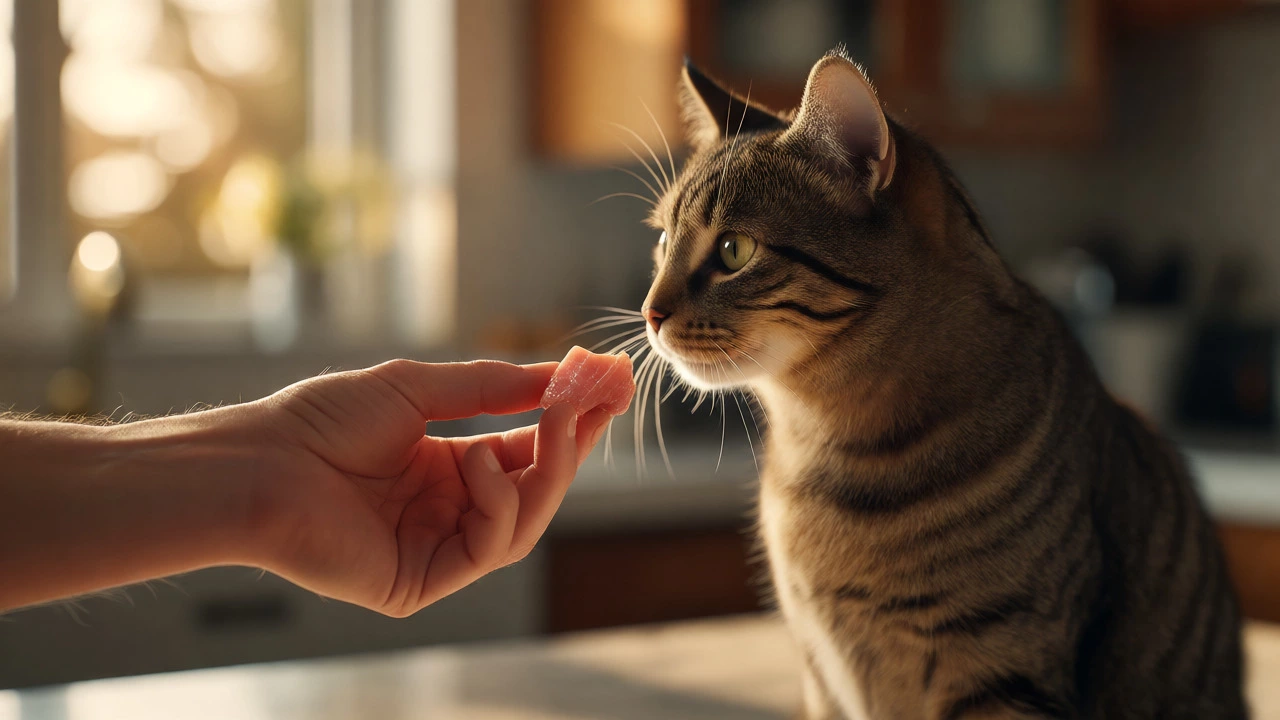
You’re eating a sandwich, and your cat is staring at you with those wide, demanding eyes. You break off a piece of tuna, hand it over, and they devour it instantly. It feels like a win-win: you share a snack, and your cat gets their favorite treat. But here’s the catch-while tuna is undeniably delicious to most felines, it isn’t exactly a superfood for them. In fact, making tuna a staple of their diet can lead to some serious health headaches down the road.
The short answer? Yes, tuna is good for cats as an occasional treat, but no, it shouldn’t be their main meal. If you feed your cat too much tuna, you risk nutrient deficiencies, mercury poisoning, and urinary tract issues. Let’s break down exactly why this popular fish is a double-edged sword for your pet, how much is actually safe, and what you should look for if you want to keep your kitty happy without compromising their health.
Why Cats Go Wild for Tuna
If you’ve ever tried to sneak past a cat holding a tin of fish, you know the power of that aroma. Cats are obligate carnivores, meaning their bodies are designed to process meat, not plants. Their taste buds are tuned to detect amino acids found in animal proteins, and tuna is packed with them. Specifically, the strong smell of trimethylamine oxide (TMAO) in fish triggers an intense interest response in many cats.
From a nutritional standpoint, tuna provides high-quality protein and healthy fats, which are essential for a cat’s muscle maintenance and coat health. It’s also low in carbohydrates, which aligns well with a feline’s natural metabolic needs. However, just because a food fits the macronutrient profile doesn’t mean it meets all micronutrient requirements. This is where the trouble starts.
The Hidden Dangers of Feeding Tuna to Cats
While a small bite won’t hurt, regular consumption of tuna poses several specific risks that every cat owner needs to understand. These aren’t just myths; they are documented veterinary concerns.
Mercury Poisoning
Tuna are large, long-lived predatory fish. As they swim through the ocean, they accumulate methylmercury from smaller fish they eat. Mercury is a heavy metal toxin that builds up in tissues over time. While humans have larger body masses and more efficient detoxification systems, cats are smaller and metabolize mercury differently. Chronic exposure can lead to neurological damage, causing symptoms like loss of coordination, vision problems, and behavioral changes. White albacore tuna generally contains higher levels of mercury than light tuna, so choosing the right type matters.
Nutritional Imbalances
A plain piece of tuna lacks taurine, an essential amino acid that cats cannot synthesize on their own. Taurine deficiency can lead to dilated cardiomyopathy (a heart condition) and retinal degeneration. Commercial cat foods are fortified with taurine, but fresh or canned human-grade tuna often isn’t. Furthermore, feeding too much fish can interfere with the absorption of Vitamin E. When polyunsaturated fatty acids in fish oxidize in the body, they deplete Vitamin E stores. This can result in steatitis, also known as yellow fat disease, a painful inflammatory condition affecting the fat tissue under the skin.
Urinary Tract Issues
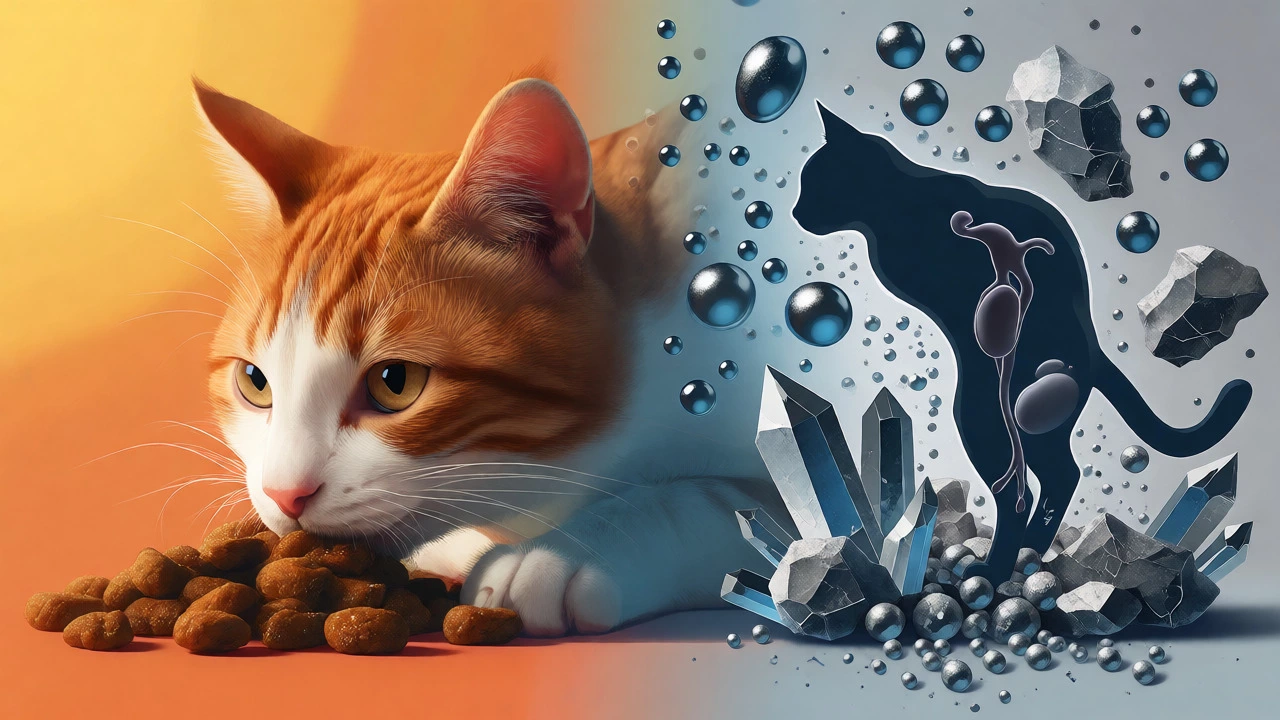
Fish diets are naturally higher in magnesium and phosphorus compared to poultry-based diets. For male cats especially, high mineral content can contribute to the formation of struvite crystals in the urine. These crystals can cause blockages in the urethra, a life-threatening emergency. If your cat has a history of urinary issues, vet specialists usually recommend avoiding fish-heavy diets entirely.
Canned vs. Fresh: What’s Safer?
Not all tuna is created equal when it comes to safety for your pet. The preparation method and additives play a huge role.
| Type | Safety Level | Key Concerns | Recommendation |
|---|---|---|---|
| Fresh Raw Tuna | Moderate | Bacterial contamination (Salmonella, Listeria); Thiaminase enzyme destroys Vitamin B1. | Only if cooked thoroughly; avoid raw due to parasite/bacteria risk. |
| Canned in Water | High | Low calorie; check for added salt or preservatives. | Best option for treats. Rinse to remove excess sodium. |
| Canned in Oil | Low | High fat content leads to obesity; oil may contain additives harmful to cats. | Avoid. Too many calories for a small animal. |
| Human-Grade Flavored Tuna | Very Low | Contains garlic, onion powder, or spices toxic to cats. | Never feed. Onion and garlic damage red blood cells. |
If you choose to give your cat tuna, stick to canned tuna packed in water, not oil. Always check the label for ingredients. Plain water is fine. Saltwater is okay in tiny amounts, but avoid anything with flavorings. Garlic and onions are part of the Allium family, which is toxic to cats and dogs, causing hemolytic anemia even in small doses.
How Much Is Too Much?
Think of tuna as dessert, not dinner. Veterinary guidelines suggest that treats should make up no more than 10% of a cat’s daily caloric intake. For an average indoor cat weighing around 4-5 kg (9-11 lbs), their daily requirement is roughly 200-250 calories. That means their entire treat budget is about 20-25 calories.
A single teaspoon of canned tuna in water contains about 10-15 calories. So, one to two teaspoons once or twice a week is plenty. If you feed tuna daily, you’re likely displacing more balanced nutrients from their primary food source. Consistency is key-if you start giving tuna regularly, do so sparingly and monitor your cat’s weight and litter box habits.
Signs Your Cat Might Be Reacting Badly to Tuna
Some cats have sensitive stomachs or allergies specifically triggered by fish proteins. Watch for these signs after introducing tuna:
- Vomiting or Diarrhea: The most common immediate reaction to new proteins.
- Skin Irritation: Excessive scratching or hair loss can indicate an allergic reaction.
- Changes in Urination: Straining to urinate, frequent trips to the box, or blood in the urine could signal crystal formation.
- Lethargy or Confusion: Rare, but possible signs of mercury toxicity in chronic cases.
If you notice any of these symptoms, stop feeding tuna immediately and consult your veterinarian. They can run blood tests to check kidney function and rule out other underlying conditions.
Healthier Alternatives to Tuna
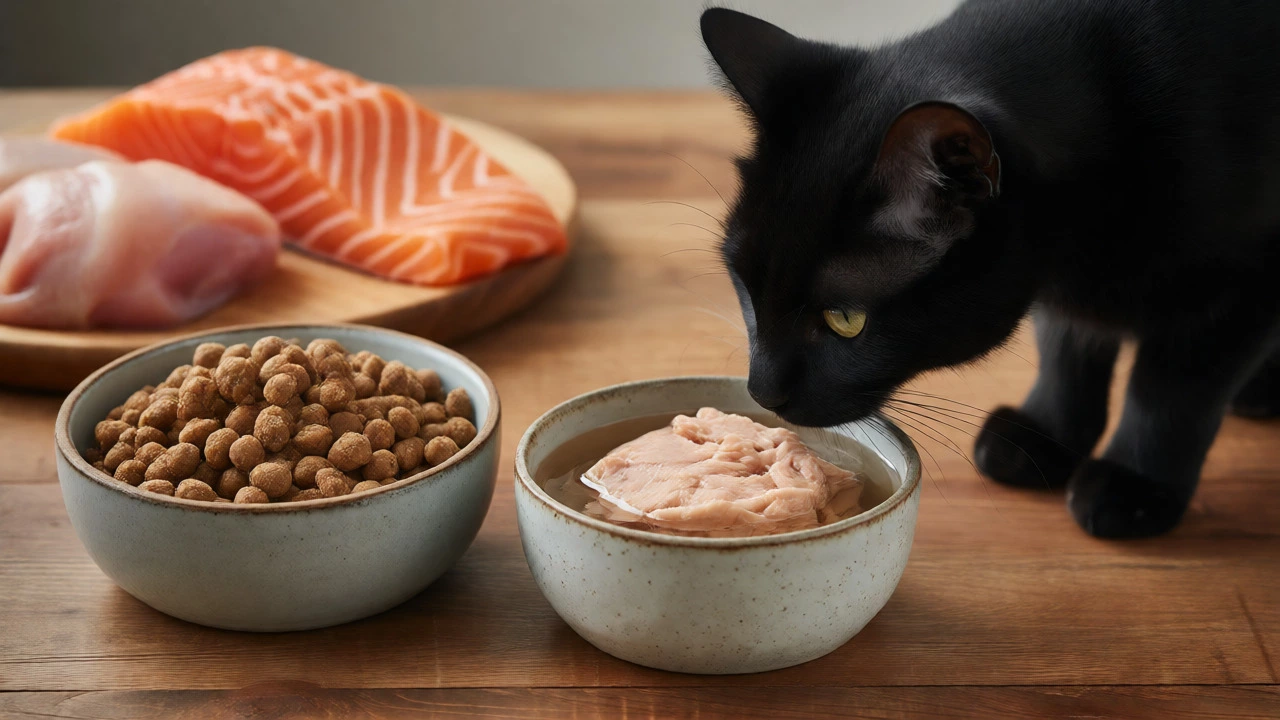
If you love treating your cat but worry about the downsides of tuna, there are safer options that provide similar satisfaction. Look for treats made from chicken, turkey, or rabbit. These lean meats are easier on the digestive system and less likely to cause mineral imbalances.
Commercial freeze-dried chicken or liver treats are excellent choices. They offer high protein content without the mercury risk or excessive sodium. Plus, many are single-ingredient products, making it easy to identify allergens if your cat has a sensitive stomach. Another great option is salmon, provided it is fully cooked and sourced from reputable suppliers who test for contaminants. Salmon offers omega-3 fatty acids beneficial for joint health and coat shine, though it still shares some of the same mineral concerns as tuna, so moderation remains vital.
Frequently Asked Questions
Can kittens eat tuna?
Kittens can technically eat small amounts of plain tuna, but it’s not recommended as a regular treat. Kittens require precise levels of calcium, phosphorus, and taurine for growth. An unbalanced diet rich in fish can disrupt this delicate ratio, potentially leading to skeletal issues. Stick to kitten-specific formulas until they are adults.
Is raw tuna better than canned tuna for cats?
No, raw tuna carries higher risks of bacterial infection and parasites. Additionally, raw fish contains thiaminase, an enzyme that breaks down thiamine (Vitamin B1). A thiamine deficiency can cause severe neurological problems. Canned tuna is pre-cooked, eliminating these biological hazards, making it the safer choice.
What kind of tuna is safest for cats?
Light tuna (skipjack) packed in water is generally safer than white albacore because it contains lower levels of mercury. Always ensure it is free from added salt, oils, or seasonings. If possible, choose brands labeled "no salt added" to further reduce the sodium load on your cat's kidneys.
Can tuna help with hydration?
Yes, the moisture content in canned tuna can contribute to your cat’s overall fluid intake, which is beneficial since cats are prone to dehydration. However, the high sodium content in many canned varieties can counteract this benefit by increasing thirst and kidney workload. Fresh water should always be the primary hydration source.
Why does my cat get hyper after eating tuna?
This is often referred to as "catnip-like" behavior. Some cats are genetically predisposed to react strongly to certain compounds in fish, such as nepetalactone analogs or simply the intense scent profile. It’s usually harmless excitement rather than a physiological stimulant effect.
Final Thoughts on Serving Tuna
Your cat’s obsession with tuna is real, but their biology demands caution. Treat it as a rare indulgence rather than a dietary staple. By sticking to plain, water-packed canned light tuna in strict moderation, you can satisfy their cravings without inviting preventable health issues. If you want to boost their nutrition, rely on high-quality commercial cat food formulated for complete balance, and save the fishy snacks for special occasions.