Nutro Dog Food Matchmaker & Transition Planner
Is Nutro Right For Your Dog?
Answer these questions to see how well Nutro fits your dog's profile.
Recommendation Score: 0%
7-Day Transition Plan Generator
Switching foods abruptly can cause digestive upset. Use this planner to mix old and new food correctly.
Quick Brand Comparison
| Feature | Nutro | Blue Buffalo | Purina Pro Plan |
|---|---|---|---|
| Focus | Natural, Clean Label | Whole Ingredients | Science-Based Performance |
| Best For | Sensitive Stomachs | Avoiding By-products | Active Dogs / Picky Eaters |
| Price Range | $$ (Mid-High) | $$$ (High) | $$ (Mid-High) |
| Protein Source | Named Meats | Named Meats + Debone Meals | Real Meat First |
You’re standing in the pet aisle, staring at a bag of Nutro dog food that promises "real ingredients" and "no weird stuff," wondering if it’s actually worth your money or just clever marketing. It’s a common dilemma. With so many premium brands claiming to be the healthiest option for your pup, figuring out which one delivers on its promises can feel like solving a puzzle without all the pieces.
The short answer? Yes, Nutro is generally considered a good choice for most dogs, particularly those with sensitive stomachs or allergies. But "good" depends entirely on your specific dog’s needs. This guide breaks down exactly what goes into Nutro formulas, how they stack up against competitors, and when you should (or shouldn’t) make the switch.
What Exactly Is Nutro?
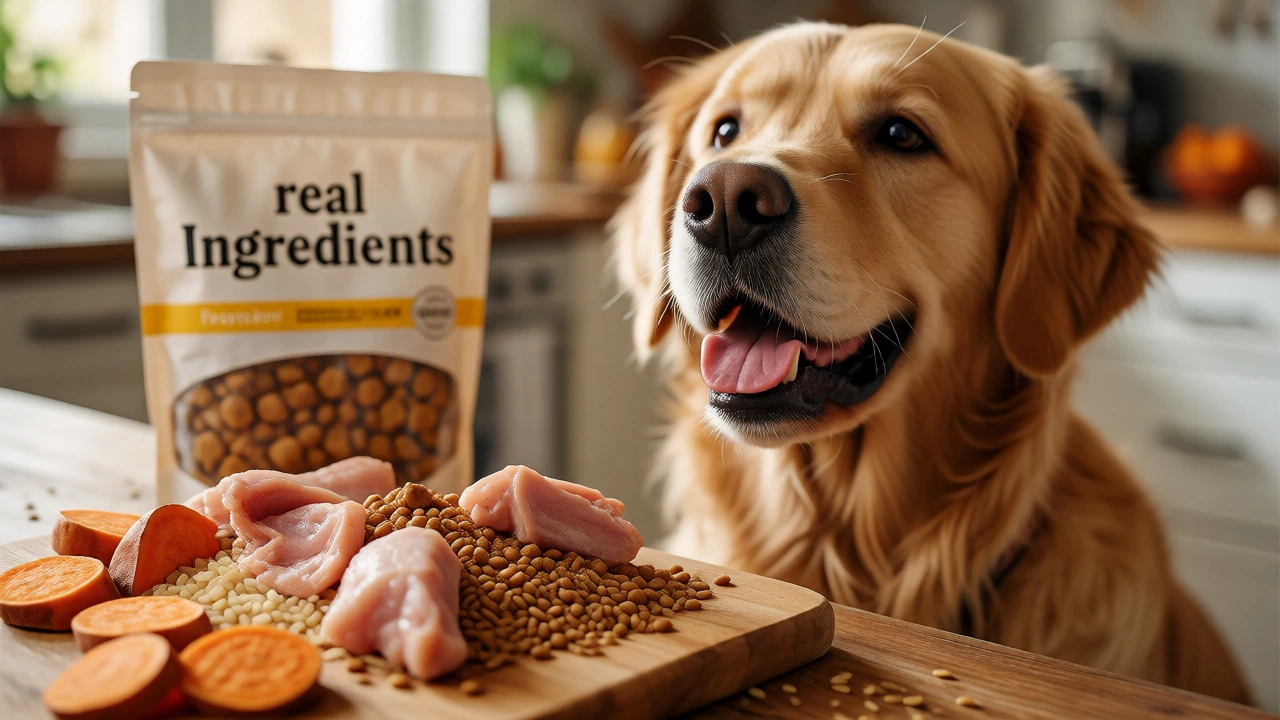
Nutro is a premium pet food brand owned by Mars Petcare, focused exclusively on natural recipes with non-GMO ingredients. Unlike mass-market kibble that might fill bags with corn or soy, Nutro builds its reputation on a "clean label" philosophy. They aim to eliminate artificial preservatives, colors, and flavors, focusing instead on whole foods like chicken, lamb, brown rice, and sweet potatoes.
Think of Nutro as the middle ground between budget supermarket brands and ultra-premium boutique diets. It’s widely available at major retailers like Petco and Chewy, making it accessible, but it maintains stricter ingredient standards than generic options. The brand offers distinct lines: Wholesome Essentials (standard grain-inclusive), Limited Ingredient Diets for allergy-prone dogs, and grain-free varieties. This variety allows owners to tailor nutrition based on their dog’s sensitivity levels.
Ingredient Quality: What’s Actually Inside?
When we talk about dog food quality, we’re really talking about the first five ingredients on the label. That’s where the nutritional heavy lifting happens. Nutro typically lists a named animal protein source-like deboned chicken or lamb meal-as the very first ingredient. This is crucial because dogs are primarily carnivorous; they need high-quality animal protein to maintain muscle mass and energy levels.
Here’s where Nutro shines compared to lower-tier brands: transparency. They avoid vague terms like "meat by-products" or "animal fat." Instead, you’ll see specific sources. For example, a typical adult formula might include:
- Deboned Chicken: The primary protein source, providing essential amino acids.
- Chicken Meal: A concentrated protein source that supports joint health through glucosamine and chondroitin.
- Brown Rice & Sweet Potatoes: Complex carbohydrates for sustained energy, unlike simple sugars found in cheaper kibbles.
- Flaxseed: A source of Omega-3 fatty acids for coat health.
Critics sometimes point out that Nutro uses pea protein or potato flour in some grain-free formulas as binders. While these aren’t harmful, they don’t offer the same nutritional density as meat. However, for the vast majority of dogs, the overall nutrient profile remains solid and balanced according to AAFCO (Association of American Feed Control Officials) standards.
Nutro vs. The Competition: How Does It Stack Up?
To understand if Nutro is "good," you have to compare it to other popular choices. Let’s look at three common rivals: Blue Buffalo, Purina Pro Plan, and Royal Canin.
| Feature | Nutro | Blue Buffalo | Purina Pro Plan | Royal Canin |
|---|---|---|---|---|
| Primary Focus | Natural, clean-label ingredients | Whole ingredients, no by-products | Science-based, performance-driven | Breed-specific, veterinary recommended |
| Protein Source | Named meats (Chicken, Lamb) | Named meats + Debone meals | Real meat first, often mixed proteins | Poultry by-product meals, fish |
| Price Point | $$ (Mid-High) | $$$ (High) | $$ (Mid-High) | $$$ (High) |
| Best For | Sensitive stomachs, natural eaters | Owners avoiding grains/by-products | Active dogs, picky eaters | Specific breeds, medical diets |
Notice the pattern? Nutro sits comfortably in the mid-high price range. It’s more expensive than Purina One but cheaper than some boutique raw-food brands. If you’re looking for a balance between affordability and ingredient purity, Nutro hits a sweet spot. However, if your dog has severe allergies, you might find Blue Buffalo’s extensive limited-ingredient list more appealing, though it comes with a higher price tag.
Who Should Choose Nutro?
Not every dog needs Nutro, and not every dog will thrive on it. Here’s who benefits most from this brand:
Dogs with Sensitive Digestion: Nutro’s Limited Ingredient Diet (LID) line is specifically formulated for pups prone to upset stomachs. By reducing the number of variables, you can pinpoint triggers faster. If your dog gets gassy or has loose stools after switching brands, Nutro’s gentle formulations often provide relief within two weeks.
Owners Seeking Natural Options: If you read labels religiously and want to avoid artificial additives, Nutro aligns well with that lifestyle. Their commitment to non-GMO ingredients and absence of BHA/BHT preservatives appeals to health-conscious pet parents.
Medium to Large Breeds: Nutro offers breed-specific formulas that account for joint health needs. Their large breed puppy formula, for instance, controls calcium levels to support proper bone development, preventing issues like hip dysplasia later in life.
Who Might Want to Look Elsewhere?
While Nutro is solid, it’s not a magic bullet. There are scenarios where another brand might serve your dog better.
High-Energy Working Dogs: If you have a Border Collie or a Husky that runs miles daily, Nutro’s standard formulas might lack the calorie density required for peak performance. In these cases, sport-focused brands like Purina Pro Plan Sport or Eukanuba Performance provide higher fat and protein ratios needed for endurance.
Dogs with Specific Medical Conditions: While Nutro has therapeutic lines, veterinary prescription diets (like Hill’s Prescription Diet or Royal Canin Veterinary Diet) are clinically tested for conditions like kidney disease or urinary crystals. Always consult your vet before switching a medically managed dog to a commercial brand.
Budget-Conscious Owners: At roughly $60-$80 for a 15-pound bag, Nutro isn’t cheap. If budget is a strict constraint, brands like Purina Pro Plan offer similar scientific backing at a slightly lower cost per pound, especially when bought in bulk online.

Transitioning Your Dog to Nutro
Switching dog food abruptly can cause digestive chaos. You’ve probably heard the "7-day rule," and for good reason. Nutro itself recommends a gradual transition to prevent vomiting or diarrhea. Here’s a simple schedule to follow:
- Days 1-3: Mix 75% old food with 25% Nutro.
- Days 4-6: Switch to 50% old food and 50% Nutro.
- Day 7: Move to 25% old food and 75% Nutro.
- Day 8+: Full Nutro diet.
Watch your dog’s stool during this period. Firm, well-formed poop means the transition is going smoothly. If you notice increased gas or softness, slow down the process. Some dogs take two weeks to fully adjust. Patience pays off here; rushing leads to unnecessary trips to the vet.
Final Verdict: Is It Worth the Hype?
Nutro earns its place among reputable dog food brands by sticking to its core promise: real ingredients, minimal processing, and clear labeling. It’s not the cheapest option, nor is it the most scientifically aggressive (looking at you, Purina). But for the average pet owner wanting a safe, nutritious, and transparent diet for their companion, Nutro checks all the boxes.
If you prioritize natural ingredients and have a dog with mild sensitivities, Nutro is an excellent candidate. Just remember, the "best" food is always the one your individual dog thrives on. Monitor their energy, coat condition, and digestion over the first month. If those metrics improve, you’ve made the right call.
Is Nutro dog food grain-free?
Nutro offers both grain-inclusive and grain-free options. Their Wholesome Essentials line typically includes grains like brown rice or oatmeal, while their Grain-Free line uses peas, chickpeas, or lentils as carbohydrate sources. Choose based on your dog's tolerance for grains.
Does Nutro use chicken by-products?
No, Nutro prides itself on using named meat sources like "deboned chicken" or "chicken meal" rather than generic "chicken by-products." This ensures higher quality protein content and fewer fillers.
Is Nutro suitable for puppies?
Yes, Nutro has specific puppy formulas tailored to different sizes (small, medium, large). These formulas contain higher protein and controlled calcium levels to support rapid growth and bone development in young dogs.
Where is Nutro manufactured?
Most Nutro products sold in North America are manufactured in the United States. The brand emphasizes sourcing ingredients locally whenever possible to ensure freshness and quality control.
Can I feed Nutro to my senior dog?
Absolutely. Nutro offers Senior formulas that are lower in calories but rich in joint-supporting nutrients like glucosamine and chondroitin. These help manage weight and alleviate arthritis symptoms in older dogs.