Adoption Bonding Tracker
Use this tool to estimate where your newly adopted dog is in their adjustment process. This helps you manage expectations and apply the right strategies for building trust.
Enter details to see results
You bring a new dog home. It’s a mix of excitement and nervous energy. You’ve signed the paperwork, bought the collar, and maybe even set up a dedicated corner with a soft bed. But as you look into those eyes, a question nags at you: do dogs know when you adopt them? It’s not just about understanding a human concept like "ownership" or "family." It’s about whether they grasp that their life has fundamentally changed, for the better.
The short answer is yes, but not in the way we think. Dogs don’t understand the legal contract of adoption. They don’t know what a shelter is versus a breeder in a philosophical sense. What they do understand is safety, routine, and connection. Their brains are wired to detect shifts in their environment and social hierarchy. When you shift from being a temporary caretaker to a permanent fixture in their daily rhythm, their neurochemistry changes. Let’s break down how this realization happens, why it matters, and how you can speed up that "click" moment.
The Canine Concept of Belonging
To understand if a dog knows it’s adopted, you have to look at how they view relationships. Dogs are pack animals by evolution, though modern behavioral science prefers the term "social group." In a wild context, belonging means survival. If you’re part of the group, you eat, you’re protected, and you get warmth. If you’re outside, you’re vulnerable.
Dogs possess a unique ability to read human social cues, a skill likely honed over thousands of years of domestication. When you adopt a dog, you aren't just giving them food; you are integrating them into your social structure. The dog recognizes this integration through consistency. If you feed them at the same time, walk them on the same route, and return home every evening, they begin to predict your actions. This predictability creates a sense of security. The realization isn't a sudden epiphany like "I am now owned by Morgan," but rather a gradual accumulation of evidence that says, "This person is my safe base."
This process relies heavily on Oxytocin, often called the love hormone. Studies show that when humans and dogs gaze into each other's eyes, both parties experience a spike in oxytocin levels. For an adopted dog, especially one coming from a high-stress environment like a shelter, these positive chemical interactions are crucial. They signal that the threat level has dropped and that a bond is forming. So, while they may not know the word "adopt," they feel the emotional weight of being chosen and kept.
Signs Your Dog Realizes They Are Home
How do you spot the transition from "temporary guest" to "permanent family member"? It’s rarely a single moment. It’s a series of behavioral shifts. Here are the most common indicators that your dog understands they belong with you now.
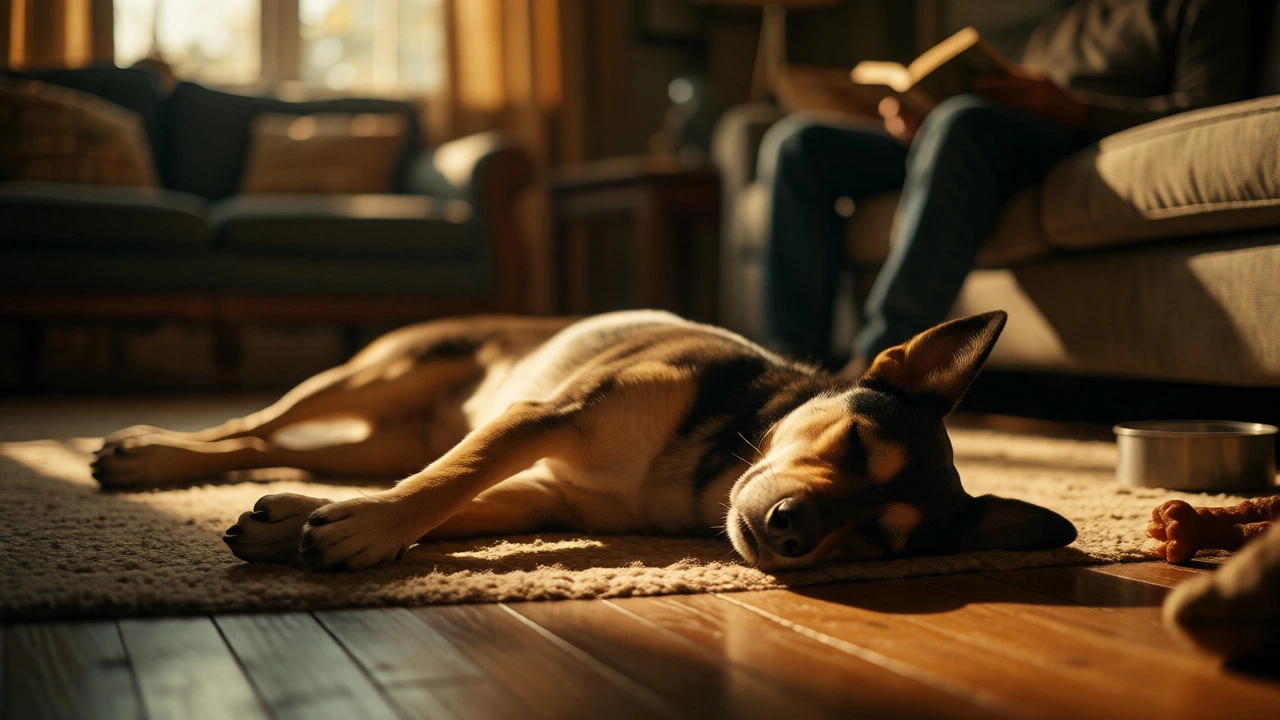
- Relaxed Body Language: A dog who feels secure will display loose muscles, a soft mouth, and relaxed ears. Tension drops away. You might see them sigh deeply and flop onto their side, exposing their belly. This vulnerability is a huge trust signal.
- Sleeping Patterns Change: Initially, many rescue dogs sleep lightly or in unusual places (like under a table). As they realize they are safe, they start sleeping more deeply and openly, often choosing spots close to you or in the center of the living room.
- Seeking Proximity: At first, a shy dog might hide. Over time, they start following you from room to room. This isn't always separation anxiety; it’s often curiosity and a desire to be part of the "pack" activity. They want to know where you are because you are their anchor.
- Play Behavior Returns: Stress inhibits play. If your dog starts bringing you toys, initiating tug-of-war, or doing the "play bow," it’s a strong sign their cortisol levels have dropped and they feel comfortable enough to engage in non-essential activities.
It’s important to note that timing varies wildly. Some dogs settle in within three days. Others take three months. There is a common guideline among rescuers called the "3-3-3 rule," which suggests it takes three days to decompress, three weeks to learn routines, and three months to truly feel at home. While not scientifically rigid, it helps manage expectations.
How Past Trauma Affects Awareness
Not all adoptions are equal. A puppy from a reputable breeder has had a stable start. A senior dog from a neglectful situation has baggage. This history directly impacts how quickly they realize they are adopted and safe.
Trauma alters brain chemistry. Dogs with a history of abuse or severe neglect may remain hyper-vigilant long after they’ve moved in. They might flinch at loud noises or guard resources. In these cases, the dog doesn’t immediately connect the new home with safety. They are waiting for the other shoe to drop. If you shout, or if a stranger visits, they may revert to old survival modes.
For these dogs, "knowing" they are adopted is a slower burn. They need repeated proof that bad things don’t happen here. Patience is key. If you rush the bonding process-forcing cuddles or introducing too many new people too fast-you might delay their realization. Instead, let them come to you. Let them investigate the house at their own pace. Every time you respond calmly to a mistake, you reinforce the idea that this home is different from the last one.
The Role of Routine in Solidifying the Bond
If there is one tool that helps a dog understand they are yours, it’s routine. Dogs thrive on predictability. Chaos creates stress; order creates peace. When you establish a clear schedule, you are communicating to your dog that they are cared for and accounted for.
Consider the difference between a chaotic household and a structured one. In a chaotic home, meals appear randomly, walks happen whenever, and rules change day-to-day. A dog in this environment stays anxious because they cannot predict outcomes. In a structured home, breakfast is at 7 AM, the walk is at 8 AM, and dinner is at 6 PM. The dog learns to anticipate these events. This anticipation builds trust. They realize that you are reliable. And reliability is the foundation of the "adoption" feeling.
| Stage | Timeframe (Approx.) | Common Behaviors | Owner Strategy |
|---|---|---|---|
| Decompression | Days 1-3 | Hiding, refusal to eat, excessive sleeping, fearfulness. | Keep quiet, limit visitors, provide a safe den space. |
| Learning Routines | Weeks 1-3 | Testing boundaries, learning house rules, exploring. | Establish consistent feeding/walking times, use positive reinforcement. |
| True Settlement | Months 1-3+ | Displaying personality, seeking affection, playful confidence. | Expand activities, introduce new environments, deepen training. |
Don’t underestimate the power of small rituals. Brushing teeth together, sitting on the sofa for ten minutes, or using a specific phrase before leaving the house. These micro-routines become anchors. They tell the dog, "This is our life now."
Can Dogs Distinguish Between Foster and Permanent Homes?
A common worry for foster carers is whether the dog knows the difference between a temporary stay and a forever home. Dogs live in the present. They don’t plan for retirement. However, they are incredibly sensitive to the energy of the humans around them.
Foster homes often have a transient energy. People come and go, bags are packed, and the focus is on preparation for the next step. Permanent homes tend to have a settled energy. The furniture stays put. The yard becomes familiar territory. The dog notices these environmental constants. If you are fostering, you might notice the dog relaxes fully only when they sense the permanence of the arrangement. This doesn’t mean foster care is less valuable-it’s vital-but the neurological state of the dog shifts slightly when they perceive stability as long-term.
Tips to Help Your Dog Understand They Are Chosen
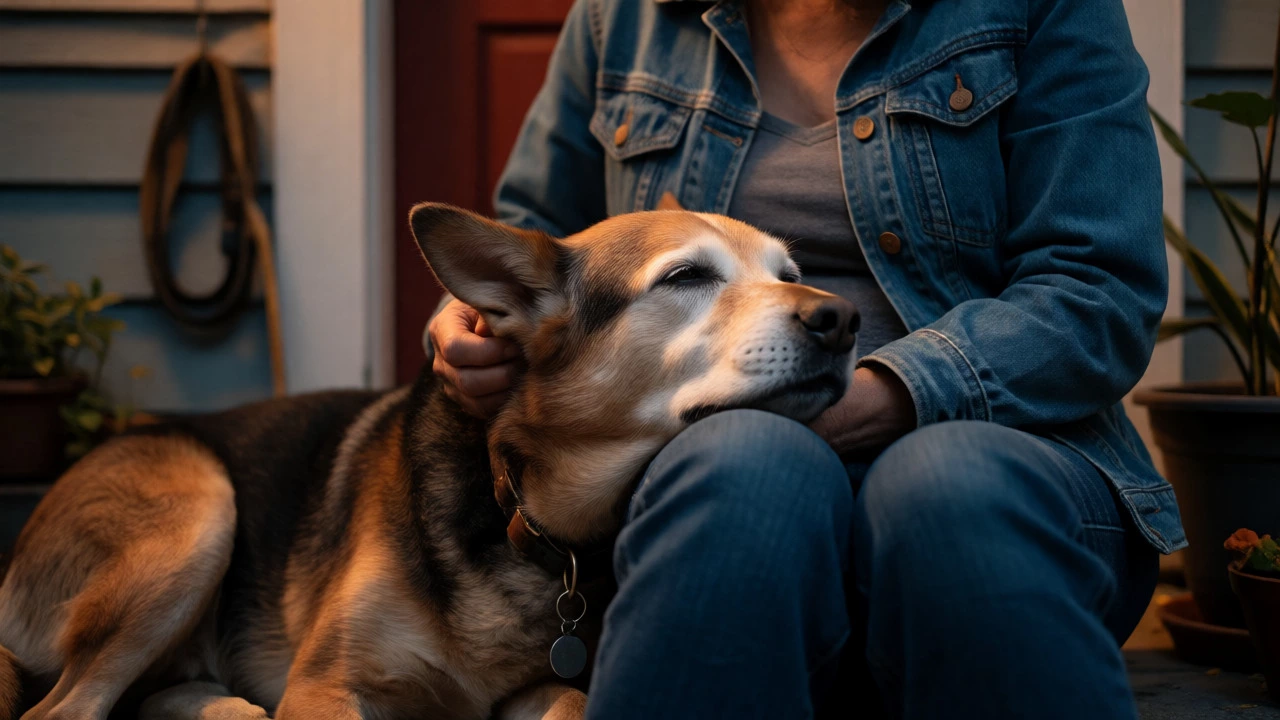
You can actively help your dog bridge the gap between "stranger" and "family." Here are practical steps to accelerate that realization.
- Create a Safe Space: Give them a crate or a bed in a low-traffic area. This is their sanctuary. Never disturb them there. Knowing they have a place to retreat reduces anxiety and makes them more willing to engage with you.
- Use Positive Reinforcement: Reward calm behavior and voluntary interaction. If they come to you without being called, praise them softly. This teaches them that connecting with you leads to good things.
- Be Predictable: Stick to your schedule. If you say you’ll walk them at 5 PM, try to make it 5 PM. Consistency builds trust faster than any amount of expensive toys.
- Respect Their Boundaries: Don’t force interaction. If they pull away, let them. Respecting their consent shows them that you are a safe leader, not a predator.
- Engage in Shared Activities: Simple games like fetch or nose work build teamwork. Working together releases endorphins and strengthens the neural pathways associated with partnership.
Remember, the goal isn’t to make the dog dependent on you, but confident in you. A dog that knows it is adopted and loved will eventually stop checking if you’re still there. They’ll just assume you are. That assumption is the ultimate sign of belonging.
Frequently Asked Questions
Do dogs remember their previous owners after adoption?
Yes, dogs have excellent associative memories. They can remember former owners for years, especially if the bond was strong or traumatic. However, remembering someone doesn’t mean they miss them emotionally in the same way humans do. Often, a dog may seem hesitant initially due to unfamiliarity, but once they establish a new routine with you, the memory of the past owner fades into the background unless triggered by specific sights or smells.
How long does it take for a rescue dog to trust its new owner?
There is no fixed timeline. While the "3-3-3 rule" is a helpful heuristic, some dogs bond within days, while others take six months or longer. Factors include the dog’s age, breed tendencies, past trauma, and the consistency of the new owner. Senior dogs often settle faster because they are tired of instability, whereas young adults with complex histories may need more time to test boundaries.
Why does my adopted dog follow me everywhere?
Following behavior is usually a sign of attachment and security-seeking. In the wild, staying close to the pack leader ensures safety. For an adopted dog, you are the source of food, comfort, and protection. Following you is their way of maintaining proximity to their "safe base." Unless accompanied by distress signals when you leave, this is a healthy sign of bonding.
Can dogs tell the difference between a shelter and a home?
Absolutely. Shelters are noisy, smell of many animals, and lack personal ownership of space. Homes are quieter, smell distinctively of the family, and offer private zones. Dogs notice the reduction in sensory overload and the presence of personalized items (like their own bed or toys). This environmental shift is the first physical cue that their status has changed.
Should I talk to my dog about adopting them?
While dogs don’t understand language semantically, they understand tone and intent. Speaking softly and consistently to your dog reinforces the bond. Using a calm, reassuring voice during interactions helps lower their stress levels. So, telling them "You're home now" won’t convey the literal meaning, but the soothing tone conveys safety and acceptance.