Puppy Peanut Butter Safety & Portion Calculator
Recommended Daily Amount
--
Based on 10% treat rule
Important Notes
- No notes available.
Why this matters?
Puppies under 8 weeks have immature digestive systems. Between 8-12 weeks, monitor closely for diarrhea. Overfeeding high-fat treats can lead to pancreatitis or joint issues in growing large breeds. Xylitol is toxic even in tiny amounts.
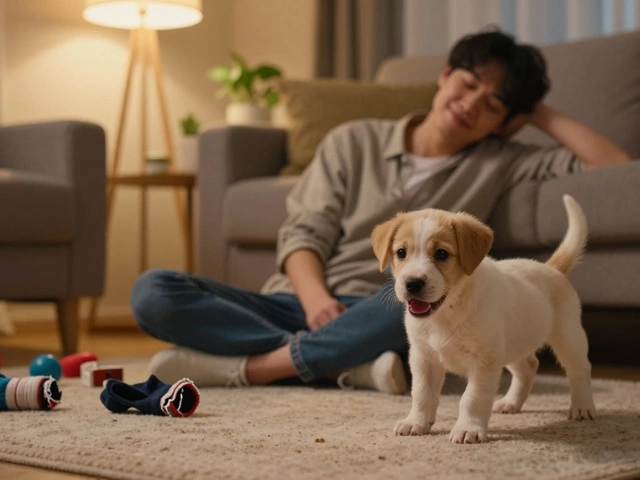
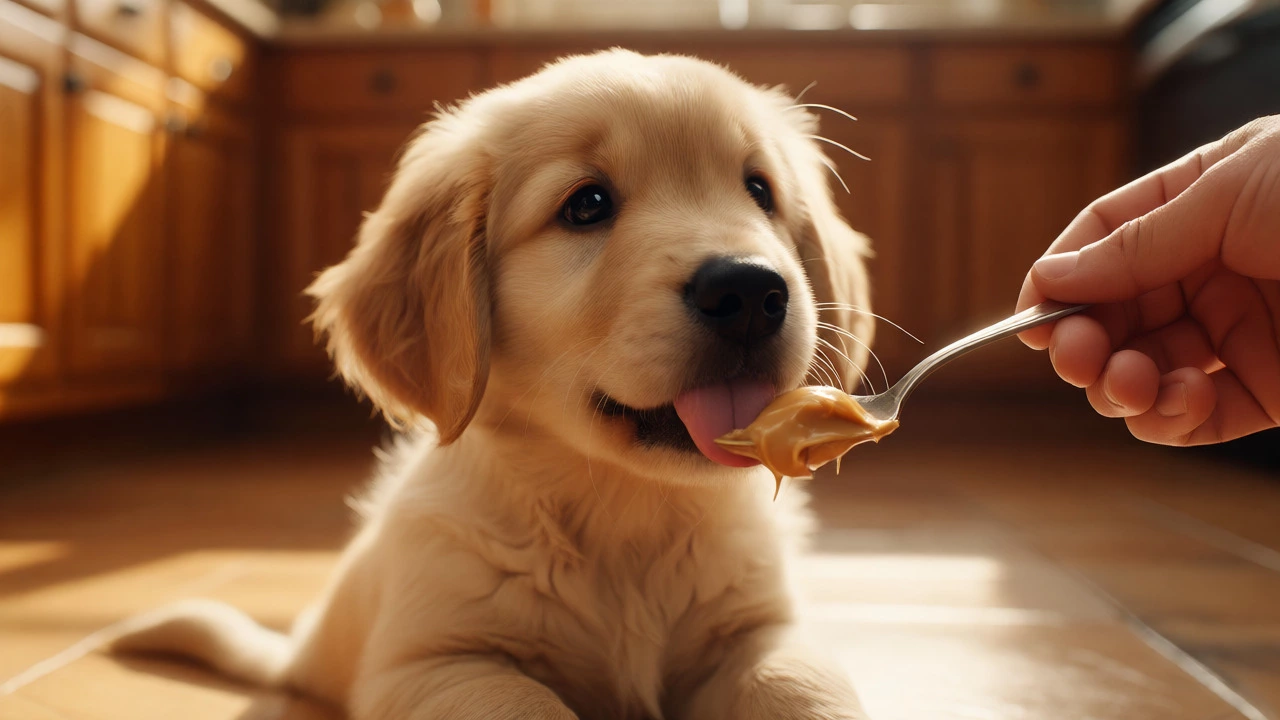
You’re sitting on the kitchen floor, trying to distract a wriggling ball of fur while you trim its nails. You reach for that jar in the pantry-peanut butter-and smear a little on a spoon or inside a rubber toy. The puppy goes wild. But then a nagging thought hits: can puppies have peanut butter? Is it actually safe for their tiny, developing bodies, or are we just feeding them human junk food disguised as a treat?
The short answer is yes, but with major asterisks. Peanut butter isn’t toxic to dogs by default, but one specific ingredient found in many modern brands can kill a puppy in hours. And because puppies have different digestive systems than adult dogs, timing and quantity matter more than you might think. Let’s break down exactly what to look for, when to start, and how much is too much.
The Xylitol Trap: Why Most Store-Bought Jars Are Dangerous
If you remember only one thing from this article, make it this: check the label for xylitol. This artificial sweetener, also known as birch sugar, is often added to "low-sugar" or "diet" peanut butters to cut calories without losing sweetness. For humans, it’s harmless. For dogs, it’s poison.
Xylitol triggers a massive release of insulin in dogs, causing their blood sugar to crash (hypoglycemia) within 10-30 minutes. Worse, it can cause acute liver failure even at small doses. A single teaspoon of peanut butter containing xylitol could be lethal to a 5-pound Chihuahua puppy. Since puppies are smaller and less tolerant of toxins than adults, the margin for error is razor-thin.
- Check every brand: Even if you buy the same brand every time, formulas change. Always read the ingredients list before opening a new jar.
- Look for synonyms: Xylitol might be listed as birch sugar, wood sugar, or E967.
- Avoid chocolate mixes: Chocolate contains theobromine, which is also toxic to dogs. Never give a puppy chocolate-peanut butter spread.
When Can You Start Giving Peanut Butter?
Puppies aren’t ready for rich human foods right away. Their digestive tracts are still maturing, and introducing fats too early can lead to pancreatitis-a painful inflammation of the pancreas that requires vet care. Generally, wait until your puppy is at least 8 weeks old and has settled into their regular puppy kibble routine.
Even then, start with a pea-sized amount. Watch for signs of intolerance over the next 24 hours. If they vomit, get diarrhea, or seem lethargic, skip the PB and stick to their standard diet. Some breeds, like Labradors or Golden Retrievers, tend to have stronger stomachs, while sensitive breeds like French Bulldogs may need to wait longer or avoid high-fat treats entirely.
| Age | Status | Action |
|---|---|---|
| Under 8 Weeks | No | Stick to mother's milk or formula. Digestive system is too immature. |
| 8-12 Weeks | Cautious | Pea-sized amount max. Monitor for loose stools. Use only as a rare distraction. |
| 3-6 Months | Yes | Small amounts allowed. Great for crate training or nail trims. |
| Adult Dog | Yes | Regular treat, but still watch calorie intake. |
Nutritional Value vs. Calorie Bomb
Peanut butter is surprisingly nutritious. It packs protein, healthy monounsaturated fats, Vitamin B, Vitamin E, and niacin. These nutrients support coat health and energy levels. However, it is incredibly calorie-dense. Two tablespoons contain roughly 190 calories-that’s nearly half the daily caloric needs of a small puppy.
For a growing puppy, excess calories don’t just mean weight gain; they can disrupt bone development. Rapid growth in large-breed puppies (like German Shepherds) combined with high-calorie snacks can contribute to joint issues later in life. Treats should never make up more than 10% of your puppy’s daily calorie intake.
Here’s a quick rule of thumb: If your puppy eats 500 calories a day, no more than 50 calories should come from treats. That’s about one teaspoon of peanut butter. Don’t let those pleading eyes trick you into giving two.
Choosing the Right Type: Creamy, Crunchy, or Powdered?
Not all peanut butter is created equal. Here’s how to pick the best option for your pup:
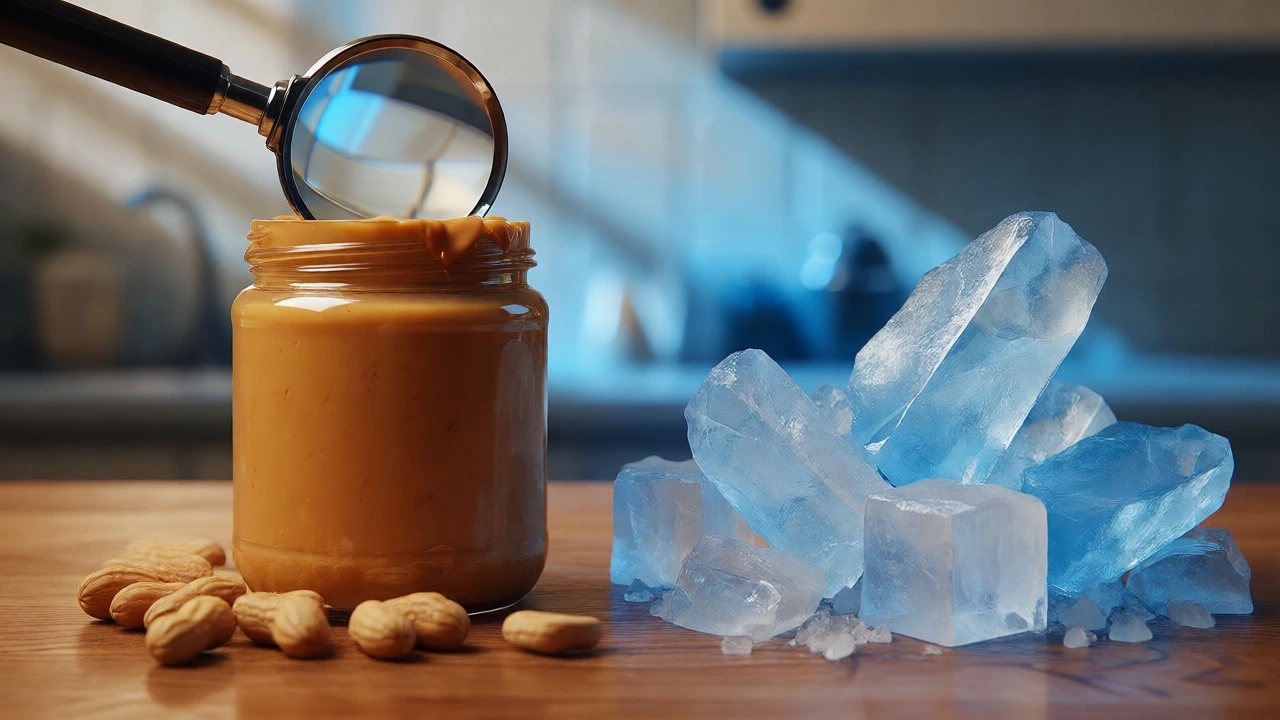
- Unsalted Natural Peanut Butter: This is the gold standard. Look for jars where the only ingredients are peanuts (and maybe salt). Avoid hydrogenated oils, which are harder to digest.
- Crunchy vs. Creamy: For very young puppies (under 4 months), creamy is safer. Small nut pieces in crunchy varieties can be a choking hazard or cause intestinal blockages in tiny throats.
- Powdered Peanut Butter: This is an underrated hack. It has significantly less fat and calories because the oil is removed. It’s great for sprinkling over kibble to encourage eating without adding waistline inches.
Avoid any peanut butter labeled "reduced fat" unless you’ve checked the ingredients. Often, manufacturers replace fat with fillers or sweeteners like xylitol. When in doubt, buy the organic, unsalted, natural variety.
Best Ways to Serve Peanut Butter to Puppies
Giving a puppy a spoonful of sticky paste directly can be messy and inefficient. Here are three smarter ways to use it:
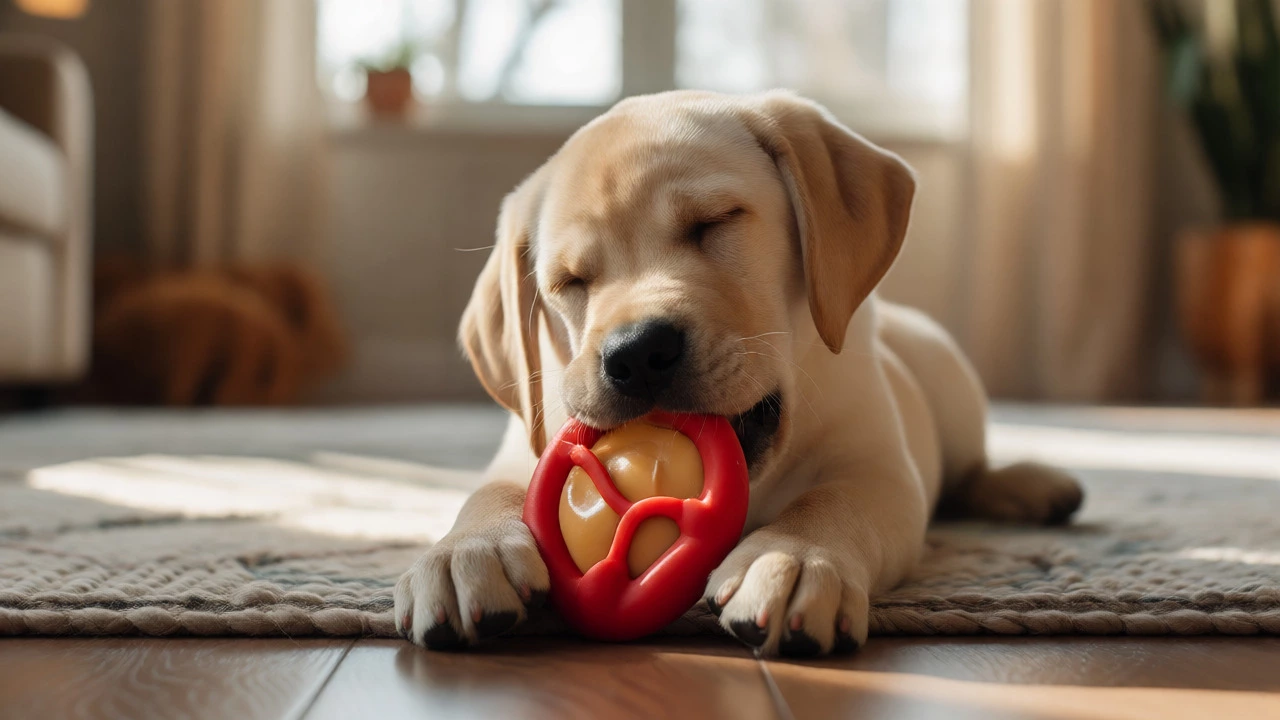
- The Distraction Tool: Smear a thin layer inside a rubber chew toy (like a KONG). Freeze it for an hour. This keeps a teething puppy busy for 20-30 minutes while soothing sore gums. The cold helps numb pain, and the mental stimulation tires them out faster than physical play.
- The Pill Hider: If your puppy hates taking medicine, wrap the pill in a tiny ball of peanut butter. Just ensure the PB doesn’t contain xylitol.
- The Hydration Booster: Some puppies drink water reluctantly. Add a half-teaspoon of peanut butter to their water bowl. It adds flavor and encourages drinking, which is crucial for kidney health.
Never leave a puppy alone with a thick glob of peanut butter on their nose. They might panic trying to lick it off, leading to stress or accidental inhalation of the paste into the lungs (aspiration pneumonia).
Risks Beyond Toxicity: Allergies and Pancreatitis
While rare, peanut allergies do exist in dogs. Symptoms include itching, hives, swelling around the muzzle, or gastrointestinal upset. If your puppy has never had peanuts before, introduce them slowly. If you notice scratching or redness after the first taste, stop immediately.
More common is dietary indiscretion leading to pancreatitis. This condition is triggered by sudden spikes in fat intake. If your puppy suddenly starts vomiting repeatedly, refuses food, or assumes a "praying position" (front legs down, rear end up) due to abdominal pain, call your vet. Pancreatitis can become serious quickly in young dogs.
Alternatives If Your Puppy Can’t Have Peanuts
If your puppy is allergic to peanuts or you want to rotate treats, consider these safe alternatives:
- Almond Butter: Safe for most dogs, though almonds are harder to digest. Ensure it’s unsalted and free of xylitol.
- Sunflower Seed Butter: A great low-allergen option. Check labels for added salt or sugar.
- Pumpkin Puree: Not a nut, but excellent for digestion. Make sure it’s plain pumpkin puree, not pie filling (which contains spices and sugar).
- Banana Mash: High in potassium and fiber. Low in fat compared to nut butters.
Frequently Asked Questions
How much peanut butter can I give my puppy per day?
Follow the 10% rule. Treats should not exceed 10% of daily calories. For a small puppy, this means a pea-sized to teaspoon-sized amount once a day. For larger breeds, up to a tablespoon may be acceptable, but always adjust their main meal size to compensate for the extra calories.
Is Jif or Skippy safe for puppies?
Standard Jif and Skippy usually do not contain xylitol, but they often contain added sugars, salts, and preservatives. While not toxic, they aren't the healthiest choice. Opt for natural, unsweetened brands instead. Always double-check the label on the specific jar you buy, as formulations can change.
What happens if my puppy eats peanut butter with xylitol?
This is a medical emergency. Xylitol causes rapid hypoglycemia and potential liver failure. Symptoms include weakness, seizures, and collapse. Do not wait for symptoms to worsen. Take your puppy to the nearest veterinary clinic immediately and bring the jar so the vet knows the concentration.
Can puppies eat peanut butter crackers?
Human peanut butter crackers are generally bad for puppies. They contain wheat flour, sugar, salt, and sometimes raisins (which are toxic). The high sodium content is hard on a puppy's kidneys. Stick to plain peanut butter on a safe base like apple slices or cucumber.
Is chunky peanut butter dangerous for puppies?
Chunky peanut butter isn't toxic, but the nut pieces pose a choking risk for very young puppies or small breeds. Their teeth and swallowing reflexes are still developing. Choose creamy peanut butter for puppies under six months old to minimize risk.