Canine B12 Deficiency Risk Checker
This tool helps you identify potential risk factors for Vitamin B12 (cobalamin) deficiency in your dog. It is not a diagnosis. Always consult your veterinarian for professional advice.
Check any symptoms you have noticed recently:
Risk Assessment Result
Low Risk0/100 Score
Next Steps & Recommendations
You notice your dog is tired. Not the usual "I just chased a squirrel" kind of tired, but a heavy, lethargic slump that doesn't lift after a nap. Their coat looks dull, maybe patchy. They're picky with their dinner bowl. You might blame it on age or weather, but there's a silent culprit often missed in routine check-ups: Vitamin B12 deficiency in dogs. Unlike humans who can get B12 from fortified cereals, dogs rely heavily on specific gut bacteria and dietary sources. When that balance tips, the consequences ripple through their entire body.
Here’s the thing about B12 (cobalamin): it’s water-soluble, meaning your dog pees out what they don’t use. So, how do they run short? Usually, it’s not because they aren't eating enough meat; it’s because their body has stopped absorbing it properly. This article breaks down exactly what to look for, why it happens, and when you need to rush to the vet versus when you can tweak their diet at home.
Why Your Dog Needs Cobalamin
Before we spot the symptoms, let’s understand the job description. Cobalamin is a type of water-soluble vitamin essential for DNA synthesis, red blood cell formation, and neurological function. Think of it as the maintenance crew for your dog’s nervous system and digestive tract. Without enough B12, those systems start to fray.
Dogs get most of their B12 from animal-based proteins-meat, eggs, dairy. But here’s the catch: absorption happens in the ileum, the last part of the small intestine. If that area is inflamed or damaged, the vitamin passes right through. It’s like trying to fill a bucket with a hole in the bottom. You keep pouring (feeding), but the level never rises.
The Sneaky Symptoms of B12 Deficiency
B12 deficiency doesn’t announce itself with a siren. It whispers. And by the time it screams, the damage is significant. Because B12 affects so many systems, the signs are scattered across different body parts. Here is what to watch for:
- Lethargy and Weakness: This is often the first sign. Your dog might struggle to climb stairs or seem unusually quiet. This stems from anemia, where red blood cells become large and dysfunctional (megaloblastic anemia).
- Gastrointestinal Upset: Chronic diarrhea, vomiting, or weight loss despite a normal appetite. The gut lining needs B12 to repair itself. Without it, inflammation worsens, creating a vicious cycle.
- Neurological Changes: This is the scary stuff. Look for unsteady gait (ataxia), muscle tremors, or even seizures in severe cases. Nerves lose their protective coating (myelin) without adequate B12.
- Poor Coat Condition: A dry, brittle, or thinning coat. Hair follicles are rapidly dividing cells; they need nutrients to stay healthy.
- Behavioral Shifts: Increased anxiety, irritability, or cognitive decline in older dogs. Brain fog isn’t just a human problem.
If you see a combination of GI issues and neurological signs, think B12. It’s rarely just one symptom in isolation.
Who Is Most At Risk?
Any dog can develop this, but some are walking targets. Small breeds are disproportionately affected due to genetic predispositions affecting intestinal absorption. Specifically, Beagles have a known hereditary defect in intrinsic factor production, a protein needed to absorb B12. Other high-risk breeds include Border Collies, Australian Shepherds, and Shetland Sheepdogs.
But breed isn’t the only factor. Consider these scenarios:
- Chronic Pancreatitis: Inflammation of the pancreas disrupts enzyme production, hindering digestion and nutrient absorption.
- Inflammatory Bowel Disease (IBD): Constant irritation in the gut lining damages the absorptive surface.
- Exocrine Pancreatic Insufficiency (EPI): Common in German Shepherds, where the pancreas doesn’t produce enough enzymes.
- Long-term Antibiotic Use: Antibiotics kill good bacteria that help synthesize and process vitamins.
- Veggie or Vegan Diets: While controversial, dogs fed strictly plant-based diets without supplementation are at higher risk since natural B12 is found almost exclusively in animal products.
Diagnosis: More Than Just a Blood Test
You can’t diagnose B12 deficiency by looking at your dog. You need data. Start with a complete blood count (CBC). Vets look for macrocytosis-larger than normal red blood cells. But CBC alone isn’t enough. Many vets will also run a serum cobalamin test.
However, serum levels can be tricky. A dog might have low serum B12 but still have enough stored in the liver, or vice versa. That’s why advanced diagnostics matter. Some clinics now offer methylmalonic acid (MMA) testing, which gives a clearer picture of cellular-level deficiency. Ask your vet if this is available. It’s more accurate but pricier.
| Test Type | What It Measures | Reliability |
|---|---|---|
| Serum Cobalamin | Amount of B12 circulating in blood | Moderate (can fluctuate) |
| Complete Blood Count (CBC) | Red blood cell size and count | Low (late-stage indicator) |
| Methylmalonic Acid (MMA) | Metabolic byproduct indicating cellular lack | High (gold standard) |
| Folate Levels | Often checked alongside B12 | Contextual (helps rule out other issues) |
Treatment Options: Pills vs. Shots
Once diagnosed, how do you fix it? The treatment depends on severity and cause. For mild deficiencies caused by poor diet, oral supplements might work. Look for sublingual drops or chewables specifically formulated for pets. Human pills can work, but dosing must be precise. Never guess.
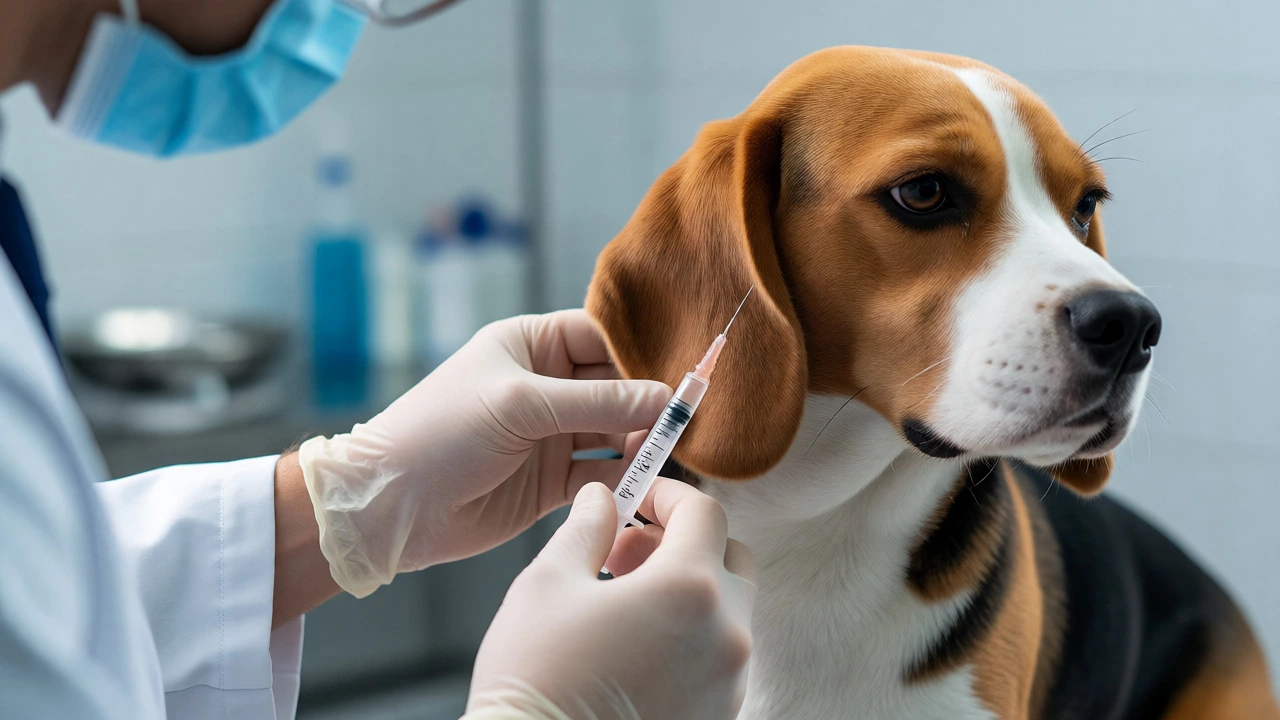
For moderate to severe cases, especially those involving malabsorption, injections are king. Subcutaneous (under the skin) or intramuscular shots bypass the digestive system entirely. Your vet will likely prescribe a loading dose-weekly shots for four to six weeks-followed by monthly maintenance.
Is it painful? Mostly no. Dogs tolerate these shots well. Many owners learn to administer them at home after training. It’s cheaper long-term than clinic visits and reduces stress for anxious pups.
Natural Food Sources
Can you feed your way out of deficiency? Sometimes. High-quality sources include:
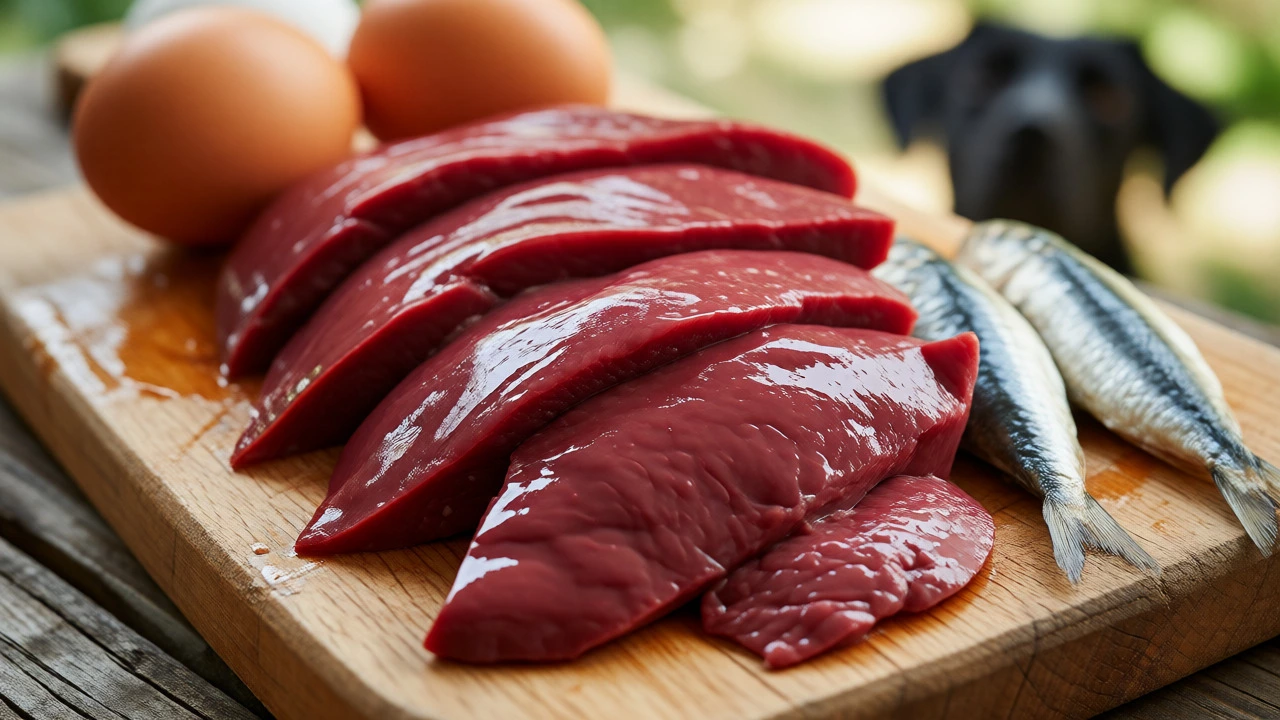
- Beef liver (the powerhouse source)
- Sardines and mackerel
- Eggs (cooked)
- Chicken breast
But remember: if the gut is broken, food won’t help until the underlying issue is treated. Always combine dietary changes with medical advice.
Prevention and Long-Term Management
Prevention beats cure, especially for at-risk breeds. If you own a Beagle or a dog with chronic stomach issues, discuss prophylactic screening with your vet annually. Keep an eye on stool quality. Persistent soft stools are a red flag.
Probiotics can support gut health, aiding in the absorption of nutrients. Strains like *Lactobacillus* and *Bifidobacterium* show promise in supporting intestinal integrity. However, don’t replace prescribed medication with probiotics without talking to your vet.
Also, review any medications your dog takes. Metformin (for diabetes) and proton pump inhibitors (for acid reflux) can interfere with B12 absorption over time. If your dog is on these long-term, monitoring B12 levels becomes crucial.
When to Worry About Side Effects
B12 is generally safe. Excess amounts are excreted in urine. Side effects from supplementation are rare but can include injection site reactions or mild gastrointestinal upset when starting oral doses. If your dog vomits after a new supplement, stop and consult your vet. It might be the filler ingredients, not the vitamin.
One common misconception: "My dog is fine because he eats raw meat." Raw diets carry risks of bacterial contamination (Salmonella, E. coli) which can further damage the gut lining, ironically worsening absorption. Balance is key.
Real-World Example: The Case of Barnaby
Take Barnaby, a five-year-old Border Collie from Bristol. He started losing weight and refusing walks. His owner assumed arthritis. Blood tests revealed macrocytic anemia. Further testing showed critically low cobalamin. Turns out, Barnaby had undiagnosed IBD. After eight weeks of weekly B12 injections and a change to a hydrolyzed protein diet, his energy returned. His coat regained its shine. The diagnosis wasn’t obvious, but the treatment was straightforward once identified.
This story highlights why patience and thorough investigation matter. Don’t settle for "it’s just old age" or "he’s being picky." Dig deeper.
How quickly does B12 work in dogs?
Improvements vary. Neurological signs may take weeks to months to reverse fully. Energy levels and appetite often improve within 2-4 weeks of consistent supplementation. Severe nerve damage might be permanent if left untreated too long.
Can I give my dog human Vitamin B12?
Yes, but caution is needed. Dosage differs significantly between humans and dogs. Also, avoid human supplements containing xylitol, an artificial sweetener toxic to dogs. Always confirm the dosage with your veterinarian before administering.
What foods are highest in B12 for dogs?
Organ meats, particularly beef liver and kidney, are the richest sources. Fish like sardines and salmon are also excellent. Muscle meats like chicken and turkey contain less B12 but contribute to overall intake.
Is B12 deficiency life-threatening?
Untreated, it can lead to severe anemia and irreversible neurological damage, which can shorten lifespan. While rarely immediately fatal, it significantly impacts quality of life and indicates underlying serious conditions like cancer or IBD.
Do all dogs with low B12 need injections?
No. Mild cases caused by dietary gaps can often be managed with oral supplements. Injections are reserved for malabsorption issues, severe deficiencies, or when oral therapy fails to raise levels.