Dog Flight Safety Checker
Check Your Dog's Flight Safety
Answer these questions to determine if your dog is safe for air travel. Airlines strictly prohibit sedation for safety reasons.
Your dog is flight-ready!
All safety factors are clear. Use calming aids like Adaptil or Thundershirt instead of sedation. Remember to:
- Exercise your dog before flying
- Use a FAA-approved carrier
- Bring familiar items for comfort
Many pet owners wonder if their dogs are sedated when flying. The short answer? No - most airlines strictly prohibit sedating dogs for air travel. It’s not just a rule; it’s a safety requirement backed by veterinary science.
Why Sedation Is Banned on Flights
Sedatives and tranquilizers can interfere with a dog’s ability to regulate body temperature, breathing, and heart rate - all of which are already under stress during flight. At high altitudes, cabin pressure drops and oxygen levels fall slightly. A sedated dog may not respond properly to these changes, increasing the risk of respiratory failure, overheating, or even death.The American Veterinary Medical Association (AVMA) has warned against sedating pets for air travel since 2018. Their guidelines state that tranquilizers can mask signs of distress, making it harder for crew members or owners to notice when a dog is in trouble. In 2023, the U.S. Department of Transportation reported 13 dog deaths during air transport - five of those involved dogs that had been given sedatives before boarding.
What Airlines Actually Require
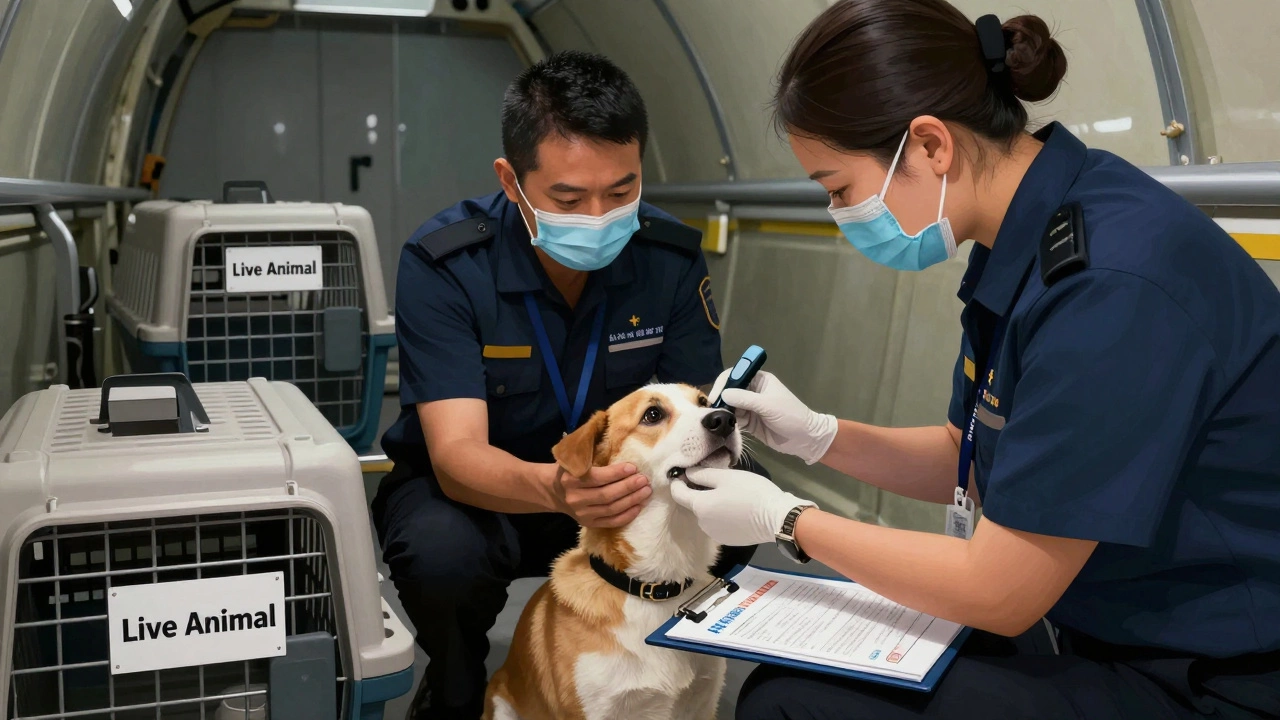
Major airlines like Delta, United, American, and Alaska Airlines all have identical policies: no sedatives, no tranquilizers, no sleep aids. They require a health certificate from a licensed vet within 10 days of travel, confirming the dog is fit to fly. Some airlines also demand proof of rabies vaccination and microchip identification.Even if a vet suggests sedation for anxiety, airlines will refuse to board the dog if they suspect it’s been medicated. Ground staff at baggage claim and cargo areas are trained to spot signs of sedation - glassy eyes, sluggish movement, abnormal breathing. If they catch it, the dog is removed from the flight and the owner may face fines or travel bans.
What You Can Do Instead
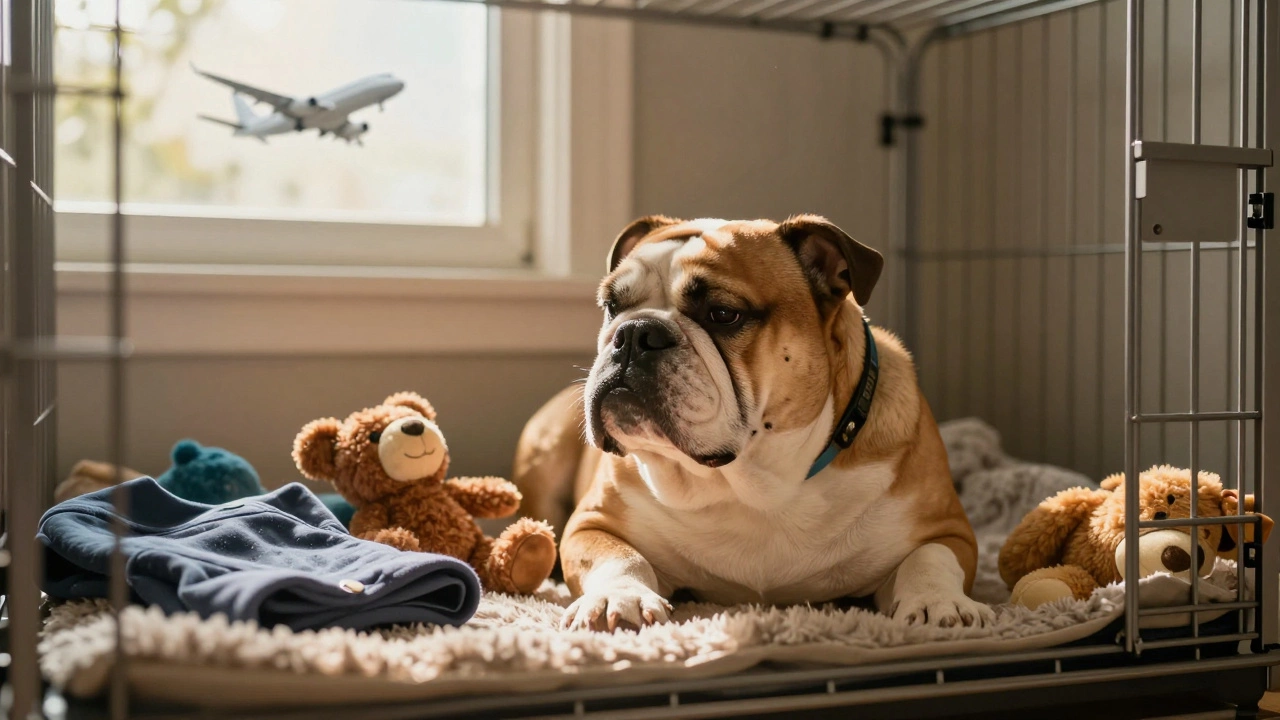
You don’t need drugs to help your dog stay calm. Here’s what actually works:- Practice crate training - Start weeks before your trip. Make the carrier a safe, positive space with treats, toys, and blankets.
- Exercise your dog before flying - A tired dog is a calm dog. Walk or play for at least 30 minutes before heading to the airport.
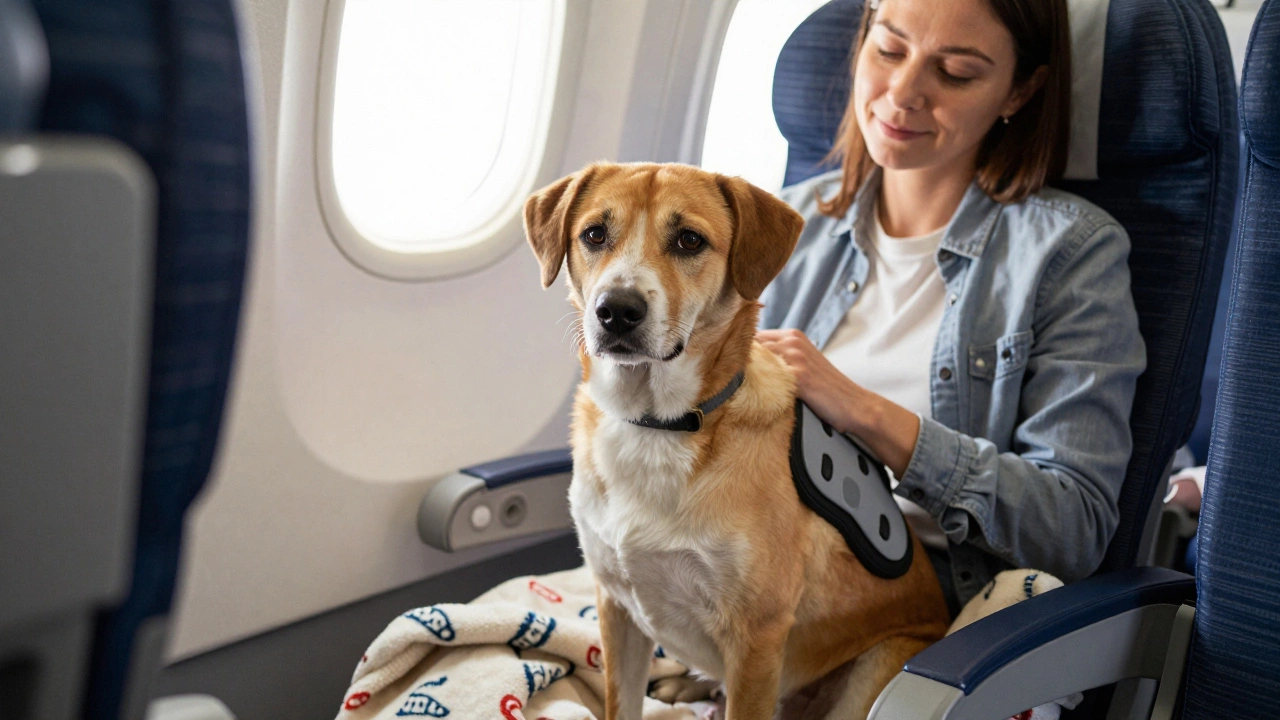
- Use calming aids approved by vets - Products like Adaptil (a pheromone spray or collar), ThunderEase, or anxiety wraps (like Thundershirts) have been shown in studies to reduce stress without sedation.
- Bring familiar items - A shirt with your scent, their favorite chew toy, or a blanket from home can provide comfort.
- Keep hydration in check - Offer water before and after the flight, but avoid feeding large meals within 4 hours of departure to prevent motion sickness.
What About Service Dogs and Emotional Support Animals?
Under current U.S. law (as of 2025), airlines are no longer required to accommodate emotional support animals (ESAs). Only trained service dogs - those performing specific tasks like guiding the blind or alerting to seizures - are allowed in the cabin without charge. Even these dogs must not be sedated.Service dog handlers sometimes ask about calming aids. The answer is still the same: non-drug options only. Many handlers use anxiety wraps or sound-muffling headphones designed for dogs. Some even train their dogs to respond to hand signals for calm behavior during turbulence.
What Happens If Your Dog Is Sedated and You Get Caught?
If an airline employee suspects sedation, they’ll likely ask you to step aside for a quick vet check. In most cases, they’ll let you try again - but with a warning. If you lie or refuse, your dog will be denied boarding. In extreme cases, you could be banned from flying with pets on that airline for up to a year.One owner in Texas tried sneaking a sedated Golden Retriever onto a Delta flight in late 2024. The dog became unresponsive during taxiing. Crew called for medical help. The dog was rushed to a vet, survived, but the owner was fined $1,200 and banned from flying pets for 18 months.
How to Prepare Your Dog for Its First Flight
If this is your dog’s first time flying, start preparing 4-6 weeks ahead:- Visit your vet for a health check and travel certificate.
- Buy an FAA-approved carrier that fits under the seat (for in-cabin) or meets cargo requirements.
- Test the carrier at home - leave it open with treats inside. Let your dog explore it daily.
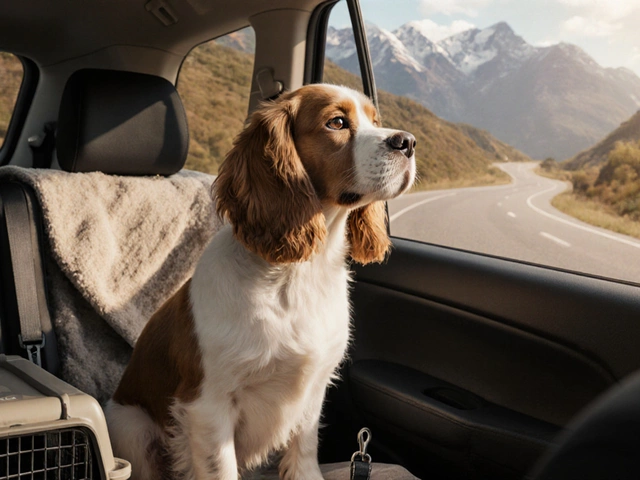
- Take short car trips with the carrier to simulate motion.
- Use calming sprays or wraps 30 minutes before departure.
- Label the carrier clearly with your contact info and "Live Animal" stickers.
When Flying Might Not Be Safe
Some dogs shouldn’t fly at all - even without sedatives. These include:- Brachycephalic breeds - Bulldogs, Pugs, Shih Tzus, and others with short noses are at high risk for breathing problems at altitude.
- Older dogs - Dogs over 10 years old, especially with heart or lung conditions.
- Dogs with recent surgeries - Wait at least 14 days after any procedure.
- Dogs with anxiety disorders - If your dog panics in cars, crates, or loud places, flying may be too stressful.
If your dog falls into one of these categories, consider ground transport, pet-friendly train routes (like Amtrak’s pet policy), or professional pet relocation services that offer door-to-door care with vet monitoring.
Final Thoughts: Calm Is Better Than Chemical
Dogs don’t need drugs to fly safely. They need preparation, routine, and reassurance. The best thing you can give your dog during a flight isn’t a pill - it’s your presence, even if it’s just through a familiar scent or a favorite toy.Every year, thousands of dogs fly safely without sedation. They arrive relaxed, healthy, and happy - because their owners took the time to train them, not medicate them.
Can I give my dog melatonin before a flight?
No. Even though melatonin is a natural supplement, airlines treat it as a sedative. It can slow breathing and lower blood pressure - both dangerous at high altitudes. Vets may recommend it for anxiety on the ground, but never for air travel. If you use it, your dog may be denied boarding.
Is it better to fly with my dog in the cabin or cargo?
Cabin travel is always safer. Cargo holds aren’t climate-controlled the same way as passenger cabins, and temperature extremes can be deadly. Also, cargo staff handle pets like luggage - no monitoring, no comfort checks. If your dog is small enough to fit under the seat, cabin travel is the only option you should consider.
How long before a flight should I stop feeding my dog?
Stop feeding your dog 4-6 hours before the flight. This reduces the chance of vomiting or motion sickness. Water is fine up until boarding - keep it available, but don’t overdo it. A small water bottle attached to the carrier is ideal.
Do airlines check for sedation before boarding?
Yes. Ground staff are trained to spot signs of sedation: sluggishness, glazed eyes, slow breathing, or lack of reaction to noise or touch. Some airlines use handheld devices to check heart rate and oxygen levels. If they suspect sedation, they’ll refuse boarding and may report you to authorities.
Can I bring my dog’s anxiety medication on the plane?
You can carry it in your personal bag, but you cannot give it to your dog before or during the flight. If you’re caught administering it, you’ll be denied boarding and may face penalties. Always declare medications to airline staff - they’ll likely ask to see your vet’s prescription.