Dog Food Budget & Emergency Planner
Enter your dog's details to estimate current spending, see potential savings with budget-friendly options, and check if you have safe emergency food at home.
Your Dog's Profile
Estimated Monthly Cost
$0
Based on average market prices for a medium-sized dog.
Potential Savings Strategy
Switching to a more budget-friendly option could save you:
$0
Tip: Store-brand kibble often meets AAFCO standards without the marketing markup.
Emergency Pantry Check
Don't have kibble? Check if you have these safe human foods for a short-term bridge (max 2-3 days).
It’s 2 AM. Your dog is pacing, nudging your hand with a wet nose, and you know exactly why. The bag of kibble is empty, but your bank account says "insufficient funds." This isn't just an inconvenience; it's a panic moment every dog owner dreads. But here’s the truth: you are not alone, and this problem has more solutions than you think. Whether you need a meal for tonight or a strategy to stretch your budget for the month, there are concrete steps you can take right now.
Key Takeaways
- Emergency Options: Local animal shelters, pet food banks, and veterinary clinics often provide free samples or emergency bags.
- Budget Swaps: Switching to store-brand kibble or buying in bulk can save up to 40% on monthly costs without sacrificing quality.
- Temporary Human Food: Plain boiled chicken, rice, and pumpkin are safe short-term fillers, but avoid onions, garlic, and grapes.
- Community Resources: Many nonprofits offer pet-specific assistance programs that cover food, vet bills, and supplies.
The Immediate Fix: Finding Food Tonight
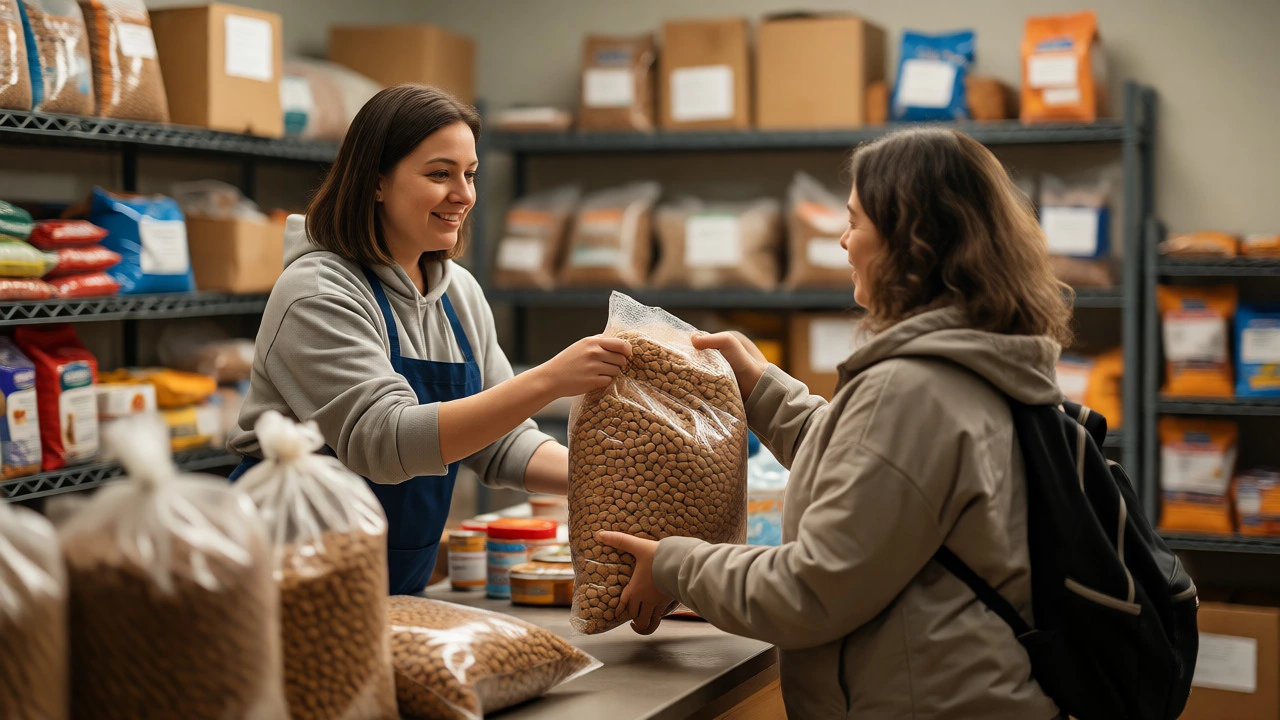
If you have zero cash and need food immediately, don’t let pride stop you from asking for help. Most communities have resources designed exactly for this scenario. Start by calling local animal shelters and humane societies. Unlike general food pantries for humans, these organizations often keep a stockpile of donated pet food specifically for owners in crisis. They won’t judge you; they’d rather feed your dog than see it surrendered.
Veterinary clinics are another underrated resource. Many vets keep sample bags of prescription diets or standard brands behind the front desk. Walk in, explain your situation honestly, and ask if they have any samples available. It’s common practice, especially around holidays or during economic downturns. Additionally, check if your city has a dedicated Pet Food Bank. Organizations like the ASPCA maintain directories of local partners who distribute free food to low-income households.
Social media groups can also be surprisingly effective. Post in your neighborhood’s Facebook group or Nextdoor app. People often buy premium food their dogs reject and are happy to give away half-eaten bags for free. Just be clear about what you need (e.g., "dry food for a medium-sized dog") so you get relevant offers.
Stretching Your Budget: Smart Shopping Strategies
Once the immediate hunger is addressed, you need a plan to prevent this from happening next week. The biggest mistake people make is paying for marketing hype instead of nutrition. You do not need "grain-free," "organic," or "human-grade" labels to keep your dog healthy. In fact, many expensive boutique brands offer no measurable health benefit over solid mid-range options.
Consider switching to store-brand kibble. Major retailers like Walmart, Costco, and Chewy produce their own lines (such as Purina One, Kirkland Signature, or Chewy Brand) that meet AAFCO nutritional standards. A quick comparison shows the difference in price is stark, while the ingredient list remains comparable.
| Food Type | Avg. Cost per Month (Medium Dog) | Nutritional Rating | Best For |
|---|---|---|---|
| Premium Boutique Kibble | $60 - $90 | High | Owners prioritizing specific ingredients |
| Standard Commercial Kibble | $35 - $50 | Good | Balanced budget and health |
| Store-Brand Kibble | $20 - $30 | Adequate | Tight budgets, healthy dogs |
| Canned Wet Food Only | $70 - $100+ | Varies | Picky eaters (expensive!) |
Buying in bulk is another game-changer. A 30-pound bag might cost more upfront, but the cost per pound drops significantly compared to small 5-pound bags. If storage space is an issue, look for "club packs" at grocery stores or subscribe-and-save options online, which often offer 15-20% discounts on recurring deliveries.
Safe Temporary Substitutes: What to Feed When Kibble Runs Out
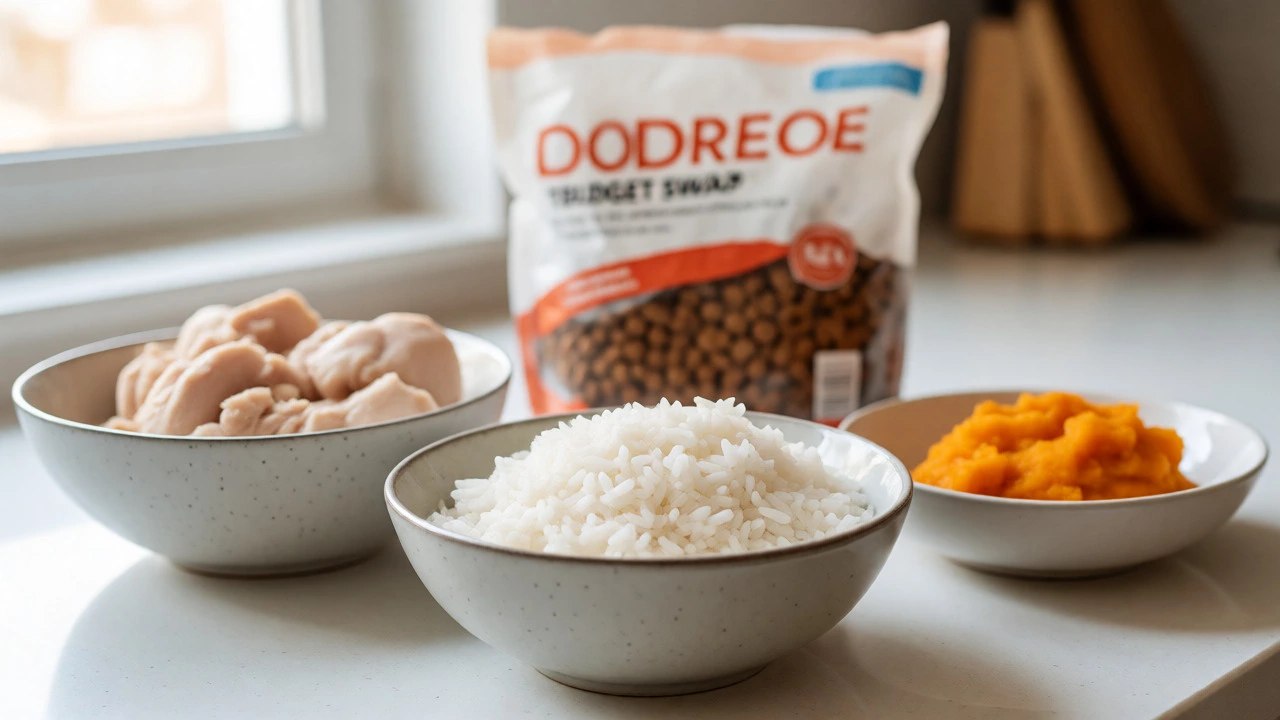
You cannot feed your dog human leftovers indefinitely, but you can survive a few days on simple kitchen staples. The goal is to provide calories and protein without causing digestive upset. Remember: this is a bridge, not a destination. Dogs require specific vitamins and minerals found only in balanced commercial diets or raw preparations.
- Plain Boiled Chicken or Turkey: Skinless, boneless, and unseasoned. No salt, no pepper, no garlic. This provides high-quality protein easily digested by most dogs.
- White Rice: Cooked plain. It binds stools and provides easy energy. Mix two parts rice to one part meat.
- Canned Pumpkin: Ensure it is pure pumpkin puree, not pie filling. It adds fiber and helps settle stomachs, which is useful if you’re changing diets suddenly.
- Eggs: Scrambled or hard-boiled, cooked thoroughly. Eggs are a complete protein source and very affordable.
Avoid these common foods, even if they seem harmless: onions, garlic, grapes, raisins, and xylitol (a sweetener in peanut butter). These can cause serious toxicity or kidney failure in dogs.
Leveraging Community and Nonprofit Assistance
If financial struggles are ongoing, relying solely on savings or credit cards will eventually fail. Look into structured assistance programs. Many national organizations have local chapters dedicated to keeping pets in homes. The Pet Fund and RedRover primarily focus on medical bills, but they often have grants or referrals for food assistance.
Contact your local United Way or dial 211. By describing your household income and pet ownership status, they can connect you with hyper-local charities that may not advertise heavily. Some churches and community centers run informal pet supply closets, stocking everything from leashes to canned food.
Don’t overlook veterinary social workers. If you visit a vet for a routine check-up or vaccination, ask to speak with their social services team. Many large clinic chains employ staff whose job is to find funding sources for clients who can’t afford care or food. They know which local foundations are currently accepting applications.
Preventing Future Shortages: Planning Ahead
The best way to handle a money crunch is to anticipate it. Create a "pet emergency fund," even if it’s just $5 a week. That’s enough to cover a bag of food after a year of consistent saving. Treat pet food like rent or utilities-a non-negotiable expense.
Review your current diet choices critically. Is your dog overweight? Reducing portion sizes slightly (under vet guidance) saves money and improves health. Are you feeding treats constantly? Swap expensive dental chews for carrots or apple slices (no seeds), which cost pennies.
Finally, watch for sales cycles. Pet food goes on sale regularly, especially before holidays. Stock up when prices drop below $1.50 per pound for dry food. Store it in airtight containers to keep it fresh. If you have multiple pets, consider rotating between two compatible brands to ensure nutritional variety and to take advantage of different discount periods.
Frequently Asked Questions
Can I feed my dog human food permanently?
No, not without careful formulation. While dogs can eat many human foods, they lack essential nutrients like taurine, calcium, and certain vitamins in typical home-cooked meals. Long-term reliance on unbalanced human food can lead to severe deficiencies and health issues. Always consult a veterinary nutritionist before switching to a permanent homemade diet.
Is cheap dog food bad for my dog?
Not necessarily. Cheap does not mean unhealthy. Many budget-friendly brands meet all Association of American Feed Control Officials (AAFCO) standards. However, extremely low-cost foods may use lower-quality protein sources or higher amounts of fillers. Monitor your dog’s coat, energy levels, and stool quality. If they thrive on a budget brand, stick with it.
Where can I get free dog food samples?
Veterinary clinics, pet supply stores (like PetSmart or Petco), and local animal shelters often provide free samples. Sign up for manufacturer newsletters online, as brands frequently mail sample kits to new subscribers. Social media marketplaces are also great for finding free food from owners whose dogs dislike a particular brand.
How long can a dog go without food?
A healthy adult dog can technically survive several days without food, provided they have water. However, going more than 24-48 hours without eating can cause stress, liver issues, and behavioral changes. Puppies and senior dogs are much more vulnerable and should not skip meals. Aim to restore a regular feeding schedule as soon as possible.
Do pet food banks require proof of income?
Requirements vary by organization. Some strictly require proof of income or participation in government assistance programs like SNAP. Others operate on an honor system or simply ask for a brief explanation of your hardship. Always call ahead to ask about documentation requirements to avoid wasted trips.