Dog Walker Rate Calculator
Stop guessing your prices. Enter your desired net income and service details below to see what you should charge clients to cover taxes, insurance, travel, and platform fees.
Service Details
Your Financial Goals & Costs
Recommended Client Price
per hour
Breakdown
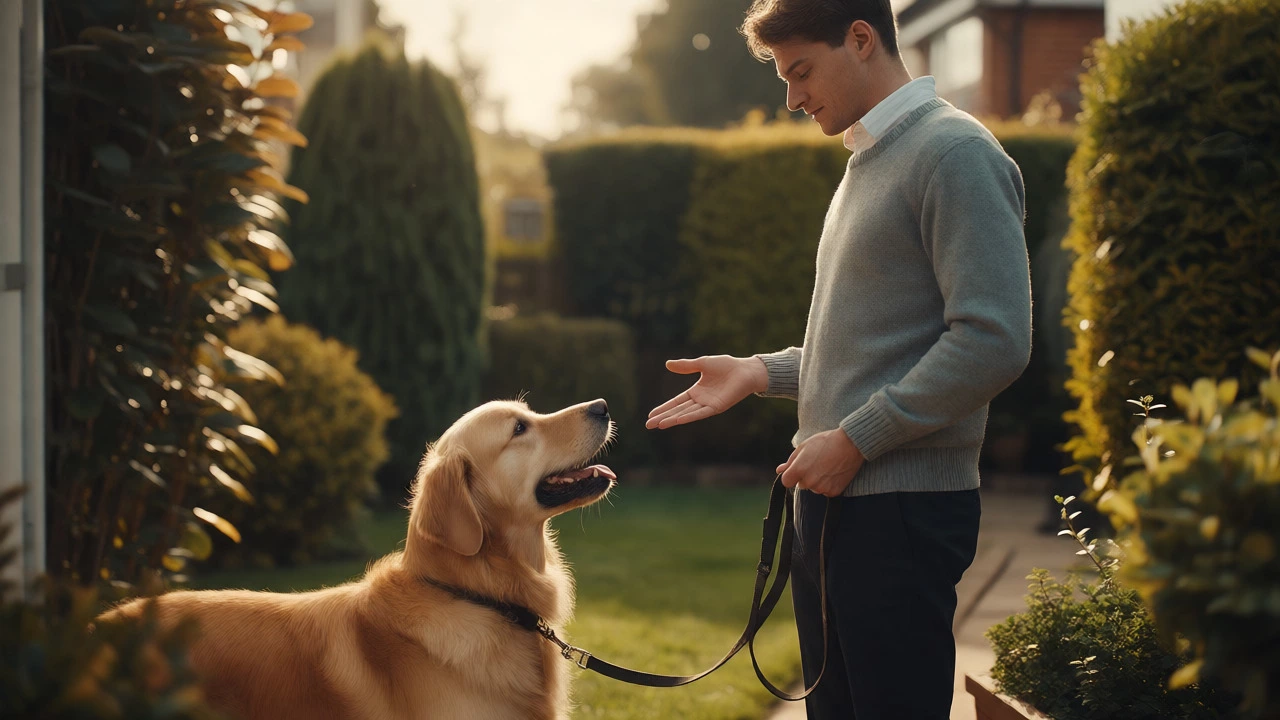
You just signed up for your first client. The owner hands you a leash, points to the garden gate, and asks, "So, what do I owe you?" Your mind goes blank. Do you say £10? £15? Is that too high? Too low? If you guess wrong, you either leave money on the table or scare off a good customer before they even see how great you are with their Golden Retriever.
Setting dog walker rates isn't just about picking a number out of a hat. It’s a calculation involving your time, your overheads, and the local market. As of September 2026, the landscape has shifted slightly due to inflation and increased demand for flexible work, but the core principles remain the same. Whether you’re looking to quit your day job or just want some extra cash on weekends, getting your pricing right is the difference between a hobby and a viable income stream.
The Baseline: What Are People Actually Paying?
Let’s cut through the noise. There is no single national price tag for walking a dog. A walk in central London costs significantly more than one in rural Somerset. However, we can look at solid averages to give you a starting point. In most major UK cities, including Bristol where I live, the going rate for a standard one-hour group walk ranges from £12 to £18 per dog. For solo walks, which require more attention and liability, owners typically pay £15 to £25 per hour.
Why the gap? Location matters. If you are walking dogs in affluent neighborhoods like Clifton in Bristol or Kensington in London, clients expect premium service and have higher disposable income. They aren’t just paying for the walk; they’re paying for peace of mind, GPS tracking reports, and photo updates. In contrast, if you are working in areas with lower average incomes, sticking to the £10-£12 range might be necessary to stay competitive.
Dog Walking Services are defined as professional pet care services where individuals take dogs for exercise and socialization during the owner's absence. These services vary by duration, group size, and additional perks like feeding or medication administration.
Group Walks vs. Solo Walks: Know the Difference
This is where many new walkers trip up. You cannot charge the same rate for taking three dogs out together as you do for taking one dog out alone. Why? Because a solo walk offers exclusive attention. The owner knows their shy rescue isn’t being bullied by a boisterous Labrador. They know their senior dog isn’t being over-exerted.
For Solo Dog Walks, you should aim for a minimum of £15 per hour. This compensates for the fact that you only get paid once per hour, regardless of how many dogs you could have walked simultaneously.
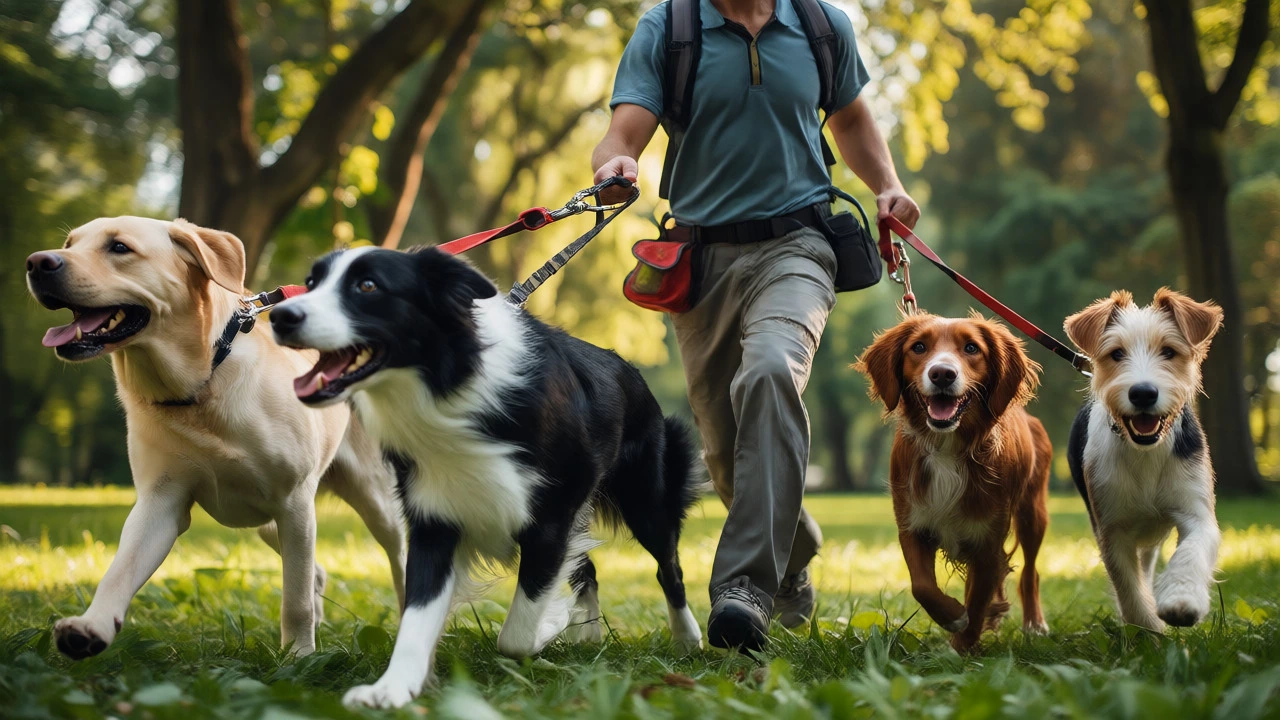
Conversely, Group Dog Walks allow you to maximize earnings per hour. If you charge £14 per dog and walk four dogs, you make £56 an hour. That’s excellent money. But remember, managing four dogs requires more skill, better insurance, and stricter rules. If you try to squeeze five or six dogs into a small park, quality drops, and clients notice. Stick to a maximum of four dogs per group to maintain a high standard of care.
| Service Type | Low End Rate | Average Rate | High End Rate | Notes |
|---|---|---|---|---|
| 30-Minute Drop-In/Walk | £8 | £10-£12 | £15 | Good for puppies or senior dogs needing potty breaks. |
| 1-Hour Group Walk | £10 | £12-£15 | £18 | Most common service. Price per dog. |
| 1-Hour Solo Walk | £15 | £18-£20 | £25+ | Premium service for reactive or elderly dogs. |
| Half-Day Visit | £25 | £30-£35 | £45 | Includes feeding, water refresh, and playtime. |
Hidden Costs You Must Factor In
If you charge £10 for an hour and pocket all ten pounds, you’re losing money. Being a professional dog walker involves expenses that eat into your profit margin fast. Let’s break down the real cost of an hour of your time.
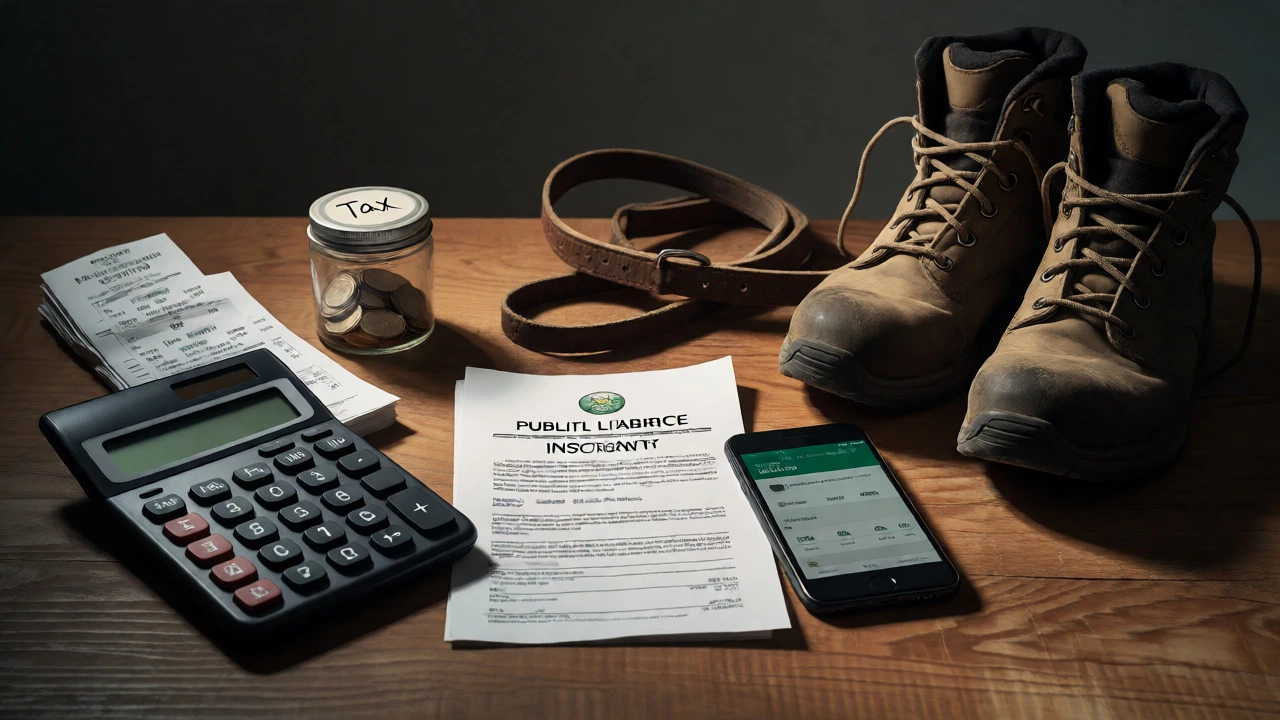
- Insurance: Public liability insurance is non-negotiable. Expect to pay around £10-£15 a month for basic cover. If you offer pack walks, you need specific 'pack walking' insurance, which costs more.
- Transport: Unless you live within a two-minute walk of every client, you’re burning fuel or using public transport. Calculate your mileage. If you drive 10 miles to start a walk, that’s nearly £1.50 in petrol alone, plus wear and tear.
- Equipment: Leads, harnesses, waste bags, treats, and first aid kits wear out. Budget £5-£10 a month for replacements.
- Taxes: If you earn over £1,000 a year from self-employment, you need to register with HMRC. Set aside 20-40% of your earnings for tax season. Don’t spend it all!
- Apps and Admin: Many walkers use apps like Time To Pet or Pawshake to find clients. These platforms often take a commission of 15-20%. Alternatively, you might pay for a simple website or booking software like Calendly.
Here’s a quick formula: Take your desired hourly wage (say, £15). Add 20% for taxes and admin. Add your estimated travel costs per hour. If the total comes to £19, charging £15 means you’re effectively earning £11 after expenses. Always price based on net profit, not gross revenue.
How to Raise Your Prices Without Losing Clients
You’ve been walking for a year. You’re experienced. You have glowing reviews. But you’re still charging the introductory rate of £10. It’s time for a raise. Most walkers feel awkward asking for more money, but clients rarely complain about reasonable increases if the service remains excellent.
Start by raising prices for new clients. If you currently charge £12, quote £14 for anyone who books next week. Keep existing clients at their old rate for another six months to soften the blow. When you do raise their rates, give them plenty of notice-three months is polite. Send a friendly email explaining that due to rising fuel costs and increased demand, your rates will adjust slightly. Most people understand this. If they don’t, they likely weren’t your ideal client anyway.
Another trick is to bundle services. Instead of just raising the hourly rate, offer a "Wellness Check" add-on for £2 extra. This includes checking ears, eyes, and teeth, and sending a detailed report. It adds value without feeling like a pure price hike.
When to Charge More: Special Circumstances
Not all dogs are equal, and neither are all situations. You should have clear surcharges for difficult scenarios. This protects you from burnout and ensures fair compensation for extra effort.
- Reactive Dogs: If a dog lunges at squirrels or other dogs, it requires constant vigilance. Charge an extra £3-£5 per walk for handling reactive behaviors.
- Medication Administration: Giving pills or applying eye drops takes time and carries liability. Charge £2-£3 per visit for administering medication.
- Early Mornings/Late Nights: Nobody wants to wake up at 6 AM or finish at 9 PM. Add a £5 premium for walks outside standard hours (7 AM - 7 PM).
- Holidays: Christmas, Easter, and Bank Holidays are peak times. Increase your rates by 20-50% during these periods. It’s simple supply and demand.
Platform Fees vs. Direct Booking
Should you list yourself on apps like Rover or Tailster? Yes, initially. These platforms help you build a portfolio and gain trust quickly. However, they take a significant cut. Once you have regular clients, encourage them to book directly with you. You can offer a small incentive, like a free treat bag or a 5% discount, for direct bookings. This saves you the commission fee and builds a stronger personal relationship.
Remember, when you move clients off-platform, ensure you have your own contract and payment system set up. Use bank transfers or PayPal invoicing. Never accept cash without a receipt, especially for recurring payments.
Frequently Asked Questions
Is it worth becoming a dog walker full-time?
It depends on your location and ability to scale. To make a full-time living (approx. £25k+), you need to walk 4-6 dogs a day consistently. This usually requires building a loyal client base over 1-2 years. Part-time walkers often earn enough to cover bills but struggle to replace a salaried job immediately unless they optimize routes and minimize travel time.
Do I need qualifications to walk dogs?
Legally, no. Anyone can walk dogs in the UK. However, having a certification like the ABTC (Association of British Traders and Carers) certificate or a canine first aid course makes you more attractive to clients and allows you to charge higher rates. It also reduces insurance premiums.
What if a dog gets injured while I'm walking it?
This is why insurance is critical. Your public liability policy should cover veterinary fees if the injury was caused by your negligence. Always document incidents with photos and notes immediately. If you’re uninsured, you could be personally liable for vet bills, which can run into thousands of pounds.
How far should I walk a dog?
Follow the owner’s instructions. Generally, healthy adult dogs need 30-60 minutes of exercise daily. Puppies follow the '5 minutes per month of age' rule twice a day. Senior dogs may only need 15-20 minute gentle strolls. Always ask the owner for their preferred distance and pace before starting.
Can I walk multiple breeds together?
Yes, but proceed with caution. Mixing sizes and energy levels requires careful assessment. A tiny Chihuahua shouldn’t be walked with a Great Dane unless both are well-socialized and calm. Start with similar-sized, friendly dogs and introduce new members slowly. Always meet-and-greet new dogs individually before adding them to a pack.