
New Dog Adjustment Tracker
Days 1-3: Decompression Phase
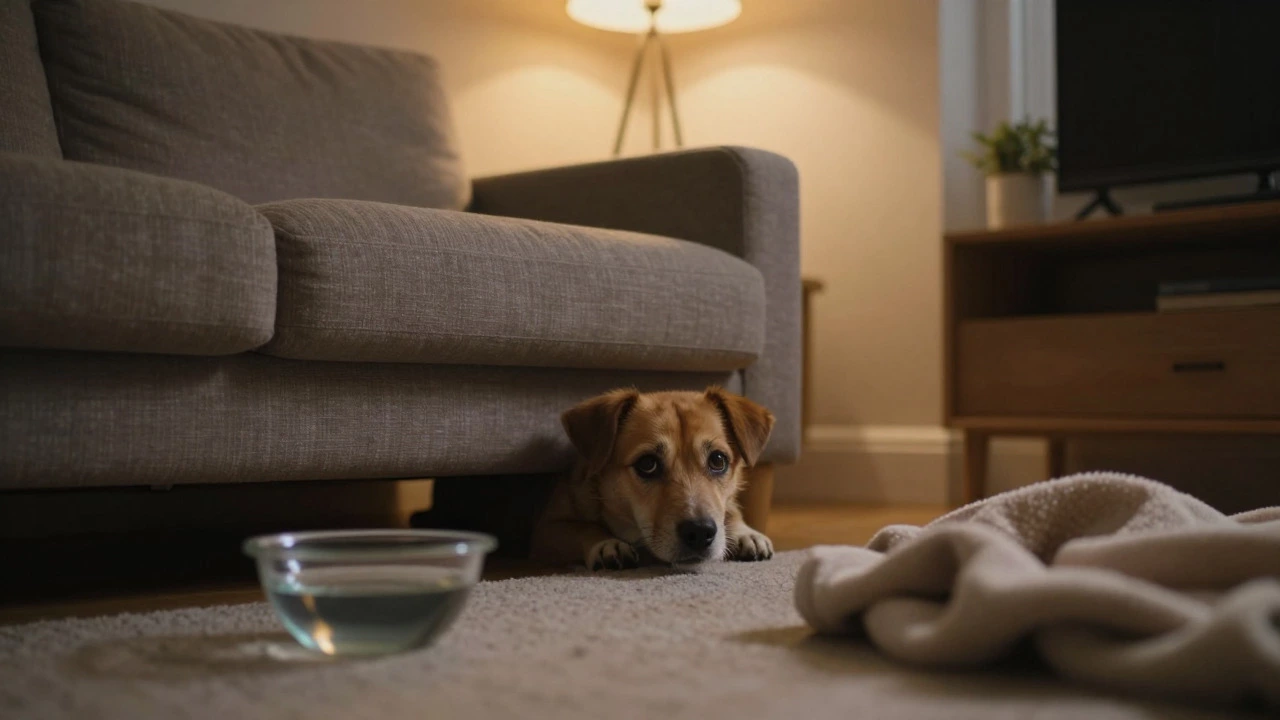
Your dog is overwhelmed and needs space. Expect hiding, not eating, or excessive sleeping.
- Give them space to hide
- No pressure for interaction
- Provide quiet time
- Ensure food/water nearby
Weeks 1-3: Testing Boundaries
Your dog starts exploring and testing rules. Consistency is crucial during this phase.
- Set consistent boundaries
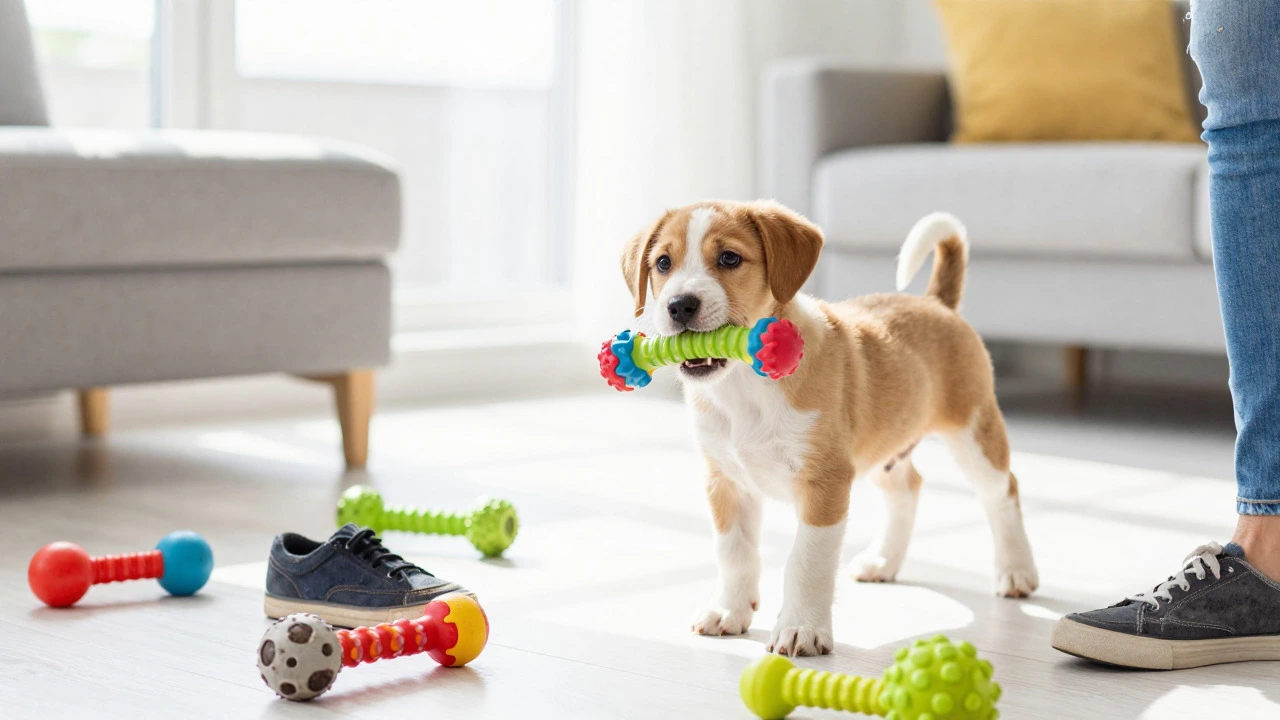
- Introduce chew toys
- Establish walking routine
- Stick to potty schedule
Months 1-3: Building Trust
Your dog settles into routine. Focus on training, socialization, and deepening your bond.
- Continue obedience training
- Socialize with people/dogs
- Use positive reinforcement
- Engage in bonding activities
Bringing a new dog home is supposed to be the happiest moment of your life. You’ve picked out the puppy toys, bought the crate, and maybe even painted the nursery (or bedroom) in cheerful colors. But instead of immediate cuddles and perfect behavior, you might find yourself staring at a trembling, confused animal that won’t eat, won’t sleep, or just stares at you like you’re an alien. This isn’t because you did something wrong. It’s because dogs need time to decompress.
This is where the 3-3-3 rule comes in. It is not a scientific law written in stone by veterinarians, but rather a widely accepted framework among behavioral experts and rescue organizations to help owners manage their expectations during the first three months of adoption. Understanding this timeline can save your sanity and prevent you from returning a perfectly good dog because they were just stressed.
The First Three Days: Decompression and Fear
The first 72 hours are often called the "decompression phase." If you adopted from a shelter, a foster home, or even a breeder, your dog has experienced a significant disruption. They have left familiar scents, routines, and possibly other animals behind. In these first few days, your dog is likely to exhibit what trainers call "shut down" behavior.
You might notice them hiding under furniture, refusing food, or sleeping excessively. Some dogs become overly clingy, while others act aloof. This is normal. Their nervous system is overloaded with new stimuli-the sound of your refrigerator, the smell of your cleaning products, the layout of your hallway. During this phase, less is more. Do not try to train them. Do not force interaction. Let them sniff. Let them hide. Give them space.
If your dog is a puppy, this period is slightly different. Puppies have higher energy levels and less emotional baggage than adult rescues, but they are still overwhelmed. A new puppyis a high-energy creature with developing social skills who needs structure immediately. However, even puppies need quiet time. Overstimulating a puppy in the first three days can lead to long-term anxiety issues. Keep interactions short, sweet, and positive. Use high-value treats to build trust, but don't demand eye contact if they aren't ready.
The Next Three Weeks: Testing Boundaries and Settling In
Once the initial shock wears off, usually around day four, things change. Your dog starts to realize that this place is safe. They begin to explore. They start eating regularly. This is the "testing" phase. Just like a toddler, your dog will push boundaries to see what sticks. They might chew your favorite shoes, jump on the sofa, or bark at the mail carrier.
This is not bad behavior; it is investigation. They are learning the rules of your household. This is when consistency becomes crucial. If you want them off the couch, they must stay off the couch every single time. If you want them to use a specific potty spot, stick to that routine. Inconsistency during these three weeks creates confusion, which leads to frustration for both you and the dog.
This is also the ideal time to introduce chew toysdurable rubber or nylon items designed for teething and stress relief. Chewing is a self-soothing behavior for dogs. Providing appropriate outlets for this instinct prevents destructive chewing on your belongings. Rotate their toys every few days to keep them interested. A boring toy is a ignored toy.
The First Three Months: Building Trust and Routine
By the ninth week, most dogs have settled into a routine. They know when dinner is served, when walks happen, and who the pack leaders are. This is the "building trust" phase. The bond between you and your dog deepens. You start to see their true personality emerge. The shy dog might start playing fetch. The hyperactive dog might learn to chill on a mat.
However, don't get complacent. Habits formed in the first three months often last a lifetime. If you haven't established clear boundaries by now, it will be harder to do so later. Continue with basic obedience training. Reinforce good behavior with praise and rewards. Address any lingering anxieties, such as fear of thunderstorms or separation anxiety, with patience and professional guidance if needed.
For puppies, this month is critical for socialization. They should be exposed to various people, dogs, sounds, and environments in a controlled, positive way. Missing this window can result in fear-based aggression or reactivity later in life. Adult dogs may need slower introductions, especially if they have past trauma. Respect their pace.
Why the 3-3-3 Rule Matters for Puppy Owners
While the 3-3-3 rule applies to all dogs, it is particularly relevant for puppy owners. Puppies go through several developmental stages in their first year, including the fear period and the juvenile period. The 3-3-3 rule overlaps with these sensitive times. Ignoring the need for gradual adjustment can exacerbate natural fears.
Consider the role of play. Play is how puppies learn. It teaches bite inhibition, social cues, and problem-solving skills. Interactive games like tug-of-war or fetch can strengthen your bond and provide mental stimulation. But remember, play should always end on a positive note. Never leave a puppy frustrated or over-tired without a chance to settle down. A tired puppy is a good puppy, but an overtired one is a nightmare.
| Phase | Duration | Key Behaviors | Owner Action |
|---|---|---|---|
| Decompression | Days 1-3 | Hiding, not eating, sleeping | Give space, no pressure |
| Testing | Weeks 1-3 | Chewing, jumping, exploring | Set consistent boundaries |
| Building Trust | Months 1-3 | Routine establishment, bonding | Train, socialize, reinforce |
Common Mistakes to Avoid
One of the biggest mistakes new owners make is expecting instant results. They think that because they paid money or filled out paperwork, the dog should instantly love them and behave perfectly. This unrealistic expectation leads to disappointment and sometimes abandonment. Remember, your dog is starting from zero. They don't know your name, your voice, or your rules.
Another mistake is inconsistency. If you allow your dog on the bed one day and scold them for it the next, they will never understand what you want. Pick your battles. Decide what rules are non-negotiable and enforce them gently but firmly. Everything else can be flexible.
Finally, don't neglect your own well-being. Bringing a new dog home is exhausting. Sleep deprivation is common, especially with puppies. Make sure you take breaks. Ask for help from family or friends. A stressed owner cannot raise a calm dog. Your energy affects theirs.

Tips for a Smooth Transition
To make the transition easier, prepare your home before the dog arrives. Puppy-proof your house by removing toxic plants, securing electrical cords, and blocking off dangerous areas. Set up a designated safe space, like a crate or a pen, where your dog can retreat when they feel overwhelmed. Fill this space with comfortable bedding and some of their favorite interactive toystoys that require problem-solving to access treats.
Establish a routine early. Feed your dog at the same times each day. Take them out for walks at regular intervals. Consistency provides security. Dogs thrive on predictability. When they know what to expect, they feel safer and more confident.
Use positive reinforcement. Reward desired behaviors with treats, praise, or play. Ignore or redirect unwanted behaviors. Avoid punishment, which can damage the trust you are trying to build. Positive reinforcement creates a willing partner, not a fearful subordinate.
When to Seek Professional Help
While most adjustment issues resolve within the 3-3-3 timeframe, some problems persist. If your dog shows signs of severe aggression, extreme fear, or destructive behavior that doesn't improve after three months, consider seeking help from a certified professional dog trainer or a veterinary behaviorist. Early intervention can prevent small issues from becoming big ones.
Separation anxiety is another common issue. If your dog destroys your home or barks incessantly when left alone, it may be more than just normal adjustment. Crate training, desensitization exercises, and sometimes medication can help. Don't suffer in silence. Resources are available.
Is the 3-3-3 rule scientifically proven?
No, the 3-3-3 rule is not a scientific theory backed by peer-reviewed studies. It is a practical guideline developed by dog trainers, rescue workers, and behavioral experts based on years of observation. While individual dogs may adjust faster or slower, the general pattern holds true for most animals undergoing major life changes.
Does the 3-3-3 rule apply to adult dogs?
Yes, absolutely. In fact, adult dogs, especially those from shelters or with traumatic backgrounds, may take longer to adjust than puppies. They have established habits and fears that need to be unlearned. Patience is key with older dogs. The timeline remains the same, but the intensity of the adjustment period might vary.
What should I do if my dog hides for the first three days?
Leave them alone. Place food and water nearby, but don't force interaction. Sit quietly in the same room if possible, reading a book or working on your laptop, to show them you are not a threat. Eventually, curiosity will win out, and they will come out to investigate. Forcing them out can increase their fear.
How can I help my puppy sleep through the night?
Place the puppy's crate near your bed so they can hear and smell you. Ensure they have gone to the bathroom right before bedtime. Limit water intake a couple of hours before sleep. If they whine, wait a few minutes to see if they settle. If not, take them out quietly to the potty spot, then back to the crate. Avoid playing or giving attention during nighttime trips.
Are expensive toys necessary for a new puppy?
Not necessarily. Puppies enjoy simple items like empty cardboard boxes, old towels, or rope knots. However, durable chew toys made of rubber or nylon are worth investing in to protect your furniture and satisfy their urge to chew. Variety is important, so rotate cheap and expensive toys to keep interest high.