Dog Food Decision Assistant
Answer the questions below to determine which brand aligns best with your dog's needs and your personal values.
Your Personalized Recommendation
Why this choice?
Regardless of your choice, mix the new food with the old one over 7 days to prevent digestive upset. Monitor stool consistency and energy levels.
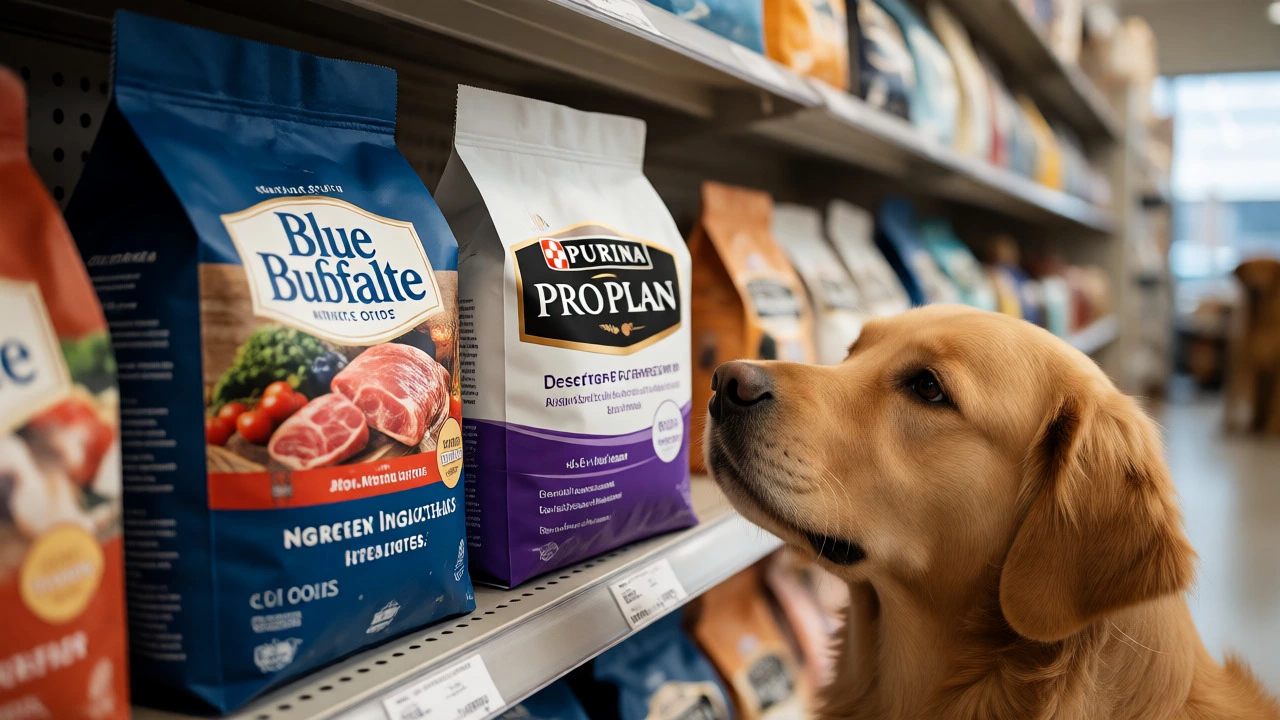
You’re standing in the pet store aisle, staring at two bags. One promises real meat and no fillers. The other boasts decades of scientific research and veterinary endorsements. It’s the classic dilemma: Blue Buffalo or Purina? If you’ve ever felt paralyzed by this choice, you aren’t alone. Both brands are giants in the pet food industry, but they appeal to very different philosophies about what a dog actually needs to thrive.
The truth is, neither brand is universally "better." It depends entirely on your dog’s specific health needs, your budget, and your personal values regarding ingredients. Do you prioritize ancestral diets with whole grains? Or do you trust clinical nutrition backed by massive studies? Let’s break down the real differences so you can stop guessing and start feeding with confidence.
Understanding the Brand Philosophies
To choose correctly, you first need to understand who is behind the kibble. Blue Buffalo is a company that positions itself as a leader in natural and holistic pet nutrition. Founded in 2002, it grew rapidly by marketing to owners who wanted to avoid artificial preservatives, poultry by-products, and corn. Their tagline, "Life Protection Formula," reflects their focus on antioxidants, omega fatty acids, and glucosamine added directly into the kibble. They lean heavily into the idea that dogs should eat like wolves-high protein, minimal processing.
Purina, specifically its premium line Purina Pro Plan, operates under a completely different model. Owned by Nestlé, Purina has been around since 1894. Their approach is rooted in scientific formulation and clinical validation. While they offer standard Purina ONE products, the Pro Plan line is designed based on extensive research into canine physiology. They don’t shy away from using soy, wheat, or corn if those ingredients serve a functional purpose, such as providing essential amino acids or fiber.
This fundamental difference drives every decision each brand makes. Blue Buffalo wants you to feel good about the ingredient list looking like a human grocery store. Purina wants you to trust the lab results showing improved stool quality and coat health.
Ingredient Quality and Sourcing
When you flip over the bag, the ingredient lists tell a story. Blue Buffalo typically lists deboned chicken, beef, or fish as the first ingredient. This is appealing because it signals high-quality animal protein. However, critics often point out that Blue Buffalo relies heavily on peas, lentils, and potatoes for bulk. These legumes are cheap sources of protein and carbohydrates, but they have recently come under scrutiny by the FDA for potential links to Dilated Cardiomyopathy (DCM) in certain breeds when used as primary ingredients rather than supplements.
Purina Pro Plan, conversely, often uses chicken or salmon meal as the first ingredient. "Meal" sounds worse to many consumers, but it is actually a concentrated source of protein with less water content than raw meat. This means more actual protein per cup. Purina also frequently includes rice and barley. For dogs with sensitive stomachs, these grains are often easier to digest than the high-fiber legumes found in many grain-free Blue Buffalo recipes.
| Feature | Blue Buffalo Life Protection | Purina Pro Plan Adult |
|---|---|---|
| Primary Protein Source | Deboned Chicken | Chicken Meal |
| Carbohydrate Base | Whole Grain Brown Rice, Oatmeal | Rice, Corn Gluten Meal |
| Protein Content | ~24-25% | ~26-27% |
| Fat Content | ~14% | ~16% |
| Artificial Additives | None (Natural Preservatives) | Natural Preservatives (Mixed Tocopherols) |
| Specialty Focus | Holistic Health, Antioxidants | Clinical Nutrition, Digestive Health |

Digestibility and Stool Quality
Here is where the rubber meets the road-or rather, where the dog meets the yard. Many owners switch to Blue Buffalo expecting better digestion, but some report loose stools initially. Why? Because the high fiber content from legumes and vegetables can be tough on a dog’s gut biome if introduced too quickly. Furthermore, if your dog has a history of pancreatitis, the higher fat content in some Blue Buffalo formulas might trigger flare-ups.
Purina Pro Plan is famous among veterinarians for its ability to firm up stools. The inclusion of prebiotic fiber (like chicory root) and precise nutrient ratios helps regulate bowel movements efficiently. If you have a dog that leaves "surprises" on the carpet, Purina’s consistency is hard to beat. Their formulas are engineered to maximize nutrient absorption, meaning less waste comes out because more goes in.
However, if your dog has known allergies to common proteins like chicken or beef, Purina’s limited ingredient diets are excellent. But note: Blue Buffalo also offers grain-free options that remove common allergens like corn and wheat. If your dog is allergic to grains specifically, Blue Buffalo’s grain-free line might be the safer bet, provided they tolerate legumes well.
Price and Value Proposition
Let’s talk money. Generally, Purina Pro Plan is slightly cheaper per pound than Blue Buffalo Wilderness or Blue Buffalo Basics. You can often find Purina Pro Plan in bulk sizes at big-box retailers for a lower price point. This makes it a more sustainable option for large breed dogs who consume massive amounts of food daily.
Blue Buffalo commands a premium price due to its marketing of "natural" ingredients and smaller batch production methods. Are you paying for the food, or the brand halo? Partly both. But for small dogs or cats, the price difference is negligible. For a Great Dane eating 4 cups a day, that $10 difference per month adds up to $120 a year. Is the perceived health benefit worth that extra cash? That’s a personal calculation.
Veterinary Recommendations and Safety Records
Vets tend to lean toward Purina Pro Plan. Why? Because when something goes wrong, Purina has the infrastructure to handle it. They have dedicated veterinary sales representatives and extensive clinical trials. In contrast, while Blue Buffalo is safe, they have faced recalls in the past related to mold toxins in ingredients. No brand is immune, but Purina’s scale allows for rigorous testing protocols that smaller boutique brands sometimes lack.
That said, not all vets dislike Blue Buffalo. Many integrative vets prefer it for healthy dogs who need a clean, simple diet without synthetic additives. If your dog is generally healthy and active, the "clean label" aspect of Blue Buffalo provides peace of mind that science-backed metrics alone cannot provide.
Which One Should You Choose?
Stop trying to find the "best" dog food. Start finding the best food for *your* dog. Here is a quick decision tree:
- Choose Purina Pro Plan if:
- Your dog has a sensitive stomach or soft stools.
- You want a formula backed by extensive veterinary clinical data.
- You are on a tighter budget but still want premium nutrition.
- Your dog is an athlete needing high energy density (higher fat/protein ratio).
- Choose Blue Buffalo if:
- You strictly avoid artificial preservatives and colors.
- Your dog thrives on whole-food ingredients and tolerates legumes well.
- You prefer grain-free options due to suspected grain sensitivities.
- You value ethical sourcing and natural ingredient transparency.
Remember, switching foods takes time. Mix the new food with the old one over 7 days to prevent digestive upset. Monitor your dog’s energy levels, coat shine, and stool consistency. If they look great and feel great, you made the right choice.
Is Blue Buffalo really better than Purina?
Not necessarily. "Better" is subjective. Blue Buffalo excels in natural, holistic formulations with fewer artificial additives. Purina Pro Plan excels in scientific precision, digestibility, and cost-effectiveness. For many dogs, Purina’s superior digestibility leads to better overall health outcomes despite the less "natural" ingredient list.
Why do some dogs get sick on Blue Buffalo?
Some dogs experience gastrointestinal upset due to the high fiber content from peas, lentils, and potatoes. Additionally, rare individual intolerances to specific novel proteins or botanicals included in their "LifeSource Bits" can cause reactions. Always transition slowly.
Is Purina Pro Plan grain-free?
Most standard Purina Pro Plan formulas contain grains like rice, corn, or wheat. However, Purina does offer specific grain-free lines, such as the Pro Plan Sensitive Skin & Stomach Salmon & Potato formula. Check the label carefully if grain avoidance is your priority.
Which brand is safer regarding recalls?
Both brands have had recalls. Purina, being larger, has more frequent but usually minor recalls due to labeling errors or trace contaminants. Blue Buffalo has had fewer recalls but significant ones involving mycotoxins. Statistically, both are considered safe for long-term consumption when purchased from reputable retailers.
Can I mix Blue Buffalo and Purina together?
Yes, you can mix them, but it complicates tracking allergies or dietary causes of illness. If you mix them, ensure both meet AAFCO standards for complete and balanced nutrition. Be aware that calorie densities differ, so adjust portion sizes accordingly to prevent weight gain.