Potty Training Time Estimator
How long will it take?
Based on your inputs:
Enter your dog's details to see your estimate
Top 3 factors affecting training time:
- Spaying/neutering before 6 months significantly improves success rates
- Consistent schedule (every 1-2 hours) reduces accidents
- Early positive reinforcement creates lasting habits
Note: Most puppies are fully trained by 6 months. If accidents persist beyond 8 months, consult your veterinarian.
When you bring home a new puppy, one of the first things you worry about is potty training. Will they learn fast? Will they have accidents? And then there’s that question everyone asks: Are girl or boy dogs harder to potty train? The answer isn’t as simple as people think. Let’s cut through the myths and give you the real, practical truth based on what owners and trainers actually see in the field.
It’s Not About Gender - It’s About Hormones
A lot of people swear that female puppies are easier to train. Others say males are more stubborn. The truth? Neither is inherently harder. What really affects potty training speed is whether the dog is neutered or spayed, and how early that happens. Unneutered male puppies often mark territory. That’s biology. They lift their leg to leave scent messages on trees, fire hydrants, even your favorite houseplants. This isn’t defiance - it’s instinct. And once that habit forms, it’s much harder to undo. Female puppies can also mark, especially if they’re not spayed, but it’s less common and usually less persistent. A 2023 study from the University of Bristol’s Canine Behavior Lab tracked 217 puppies over six months. Puppies spayed or neutered before 6 months of age were 78% more likely to fully master indoor potty control by 8 months. Those left intact past 8 months took nearly twice as long to stop accidents - regardless of gender.What Really Makes Potty Training Hard
If gender doesn’t decide it, what does? Three things:- Consistency - Are you taking them out every 2 hours? After meals? After naps? If you’re irregular, even the smartest puppy will get confused.
- Supervision - If you let them roam free for hours while you’re on the phone, they’ll find a corner. Puppies don’t have bladder control like adults.
- Positive reinforcement - Rewarding the right behavior matters more than punishing accidents. A treat and praise when they go outside sticks. Yelling at them after the fact? It just scares them.
Male Dogs: The Marking Problem
Yes, unneutered males are trickier. They don’t just pee - they mark. That means small amounts, multiple spots, and often indoors. Once the scent is there, they’ll keep going back to it. Cleaning with vinegar or enzymatic cleaner is critical. Regular soap won’t cut it. If you’re planning to keep your male dog intact (not neutered), you’ll need to be extra vigilant. Take him out more often. Use a leash indoors until he’s fully trained. Never let him wander unsupervised. And if you notice leg-lifting, redirect him immediately to the door with a firm “outside.”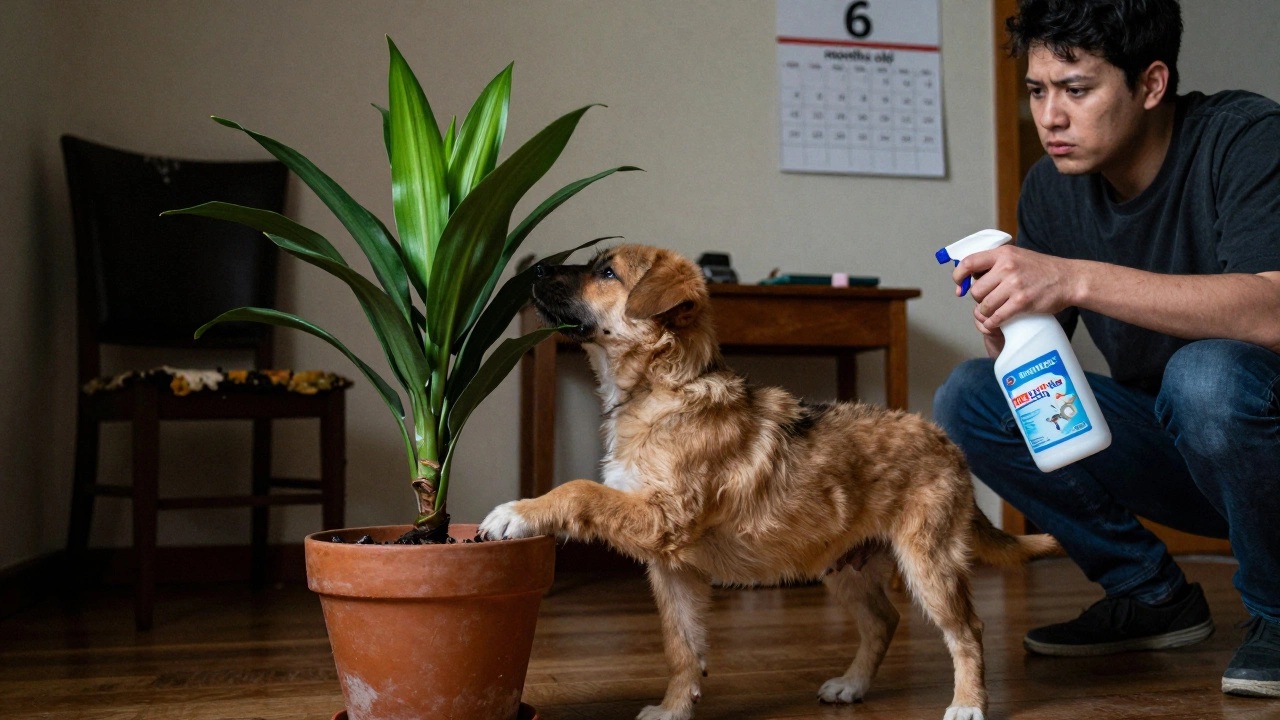
Female Dogs: The Heat Cycle Factor
Female puppies go into heat around 6 to 8 months. During this time, hormonal changes can make them more distracted, anxious, or even forget their training. Accidents may spike. Some females also become more territorial. Spaying before the first heat - ideally between 4 and 6 months - reduces these issues. It also cuts the risk of mammary tumors and uterine infections later in life. So if you’re wondering whether to spay, the answer isn’t just about potty training. It’s about health too.What Breed Matters More Than Gender
Some breeds are naturally slower to housebreak. Terriers, for example, are independent thinkers. They’ll test boundaries. Hounds have strong scent drives and may ignore commands if they catch a smell. On the flip side, breeds like Border Collies and Poodles tend to pick up routines fast because they’re eager to please. A 2024 survey of 500 UK dog owners found that potty training time varied more by breed than by gender:| Breed Group | Average Days to Success | Most Common Accidents |
|---|---|---|
| Herding (Border Collie, Australian Shepherd) | 42 | Evening accidents |
| Toy (Chihuahua, Pomeranian) | 58 | Indoor marking |
| Hound (Beagle, Basset Hound) | 76 | After sniffing |
| Working (Labrador, German Shepherd) | 50 | After meals |
Real-Life Tips That Actually Work
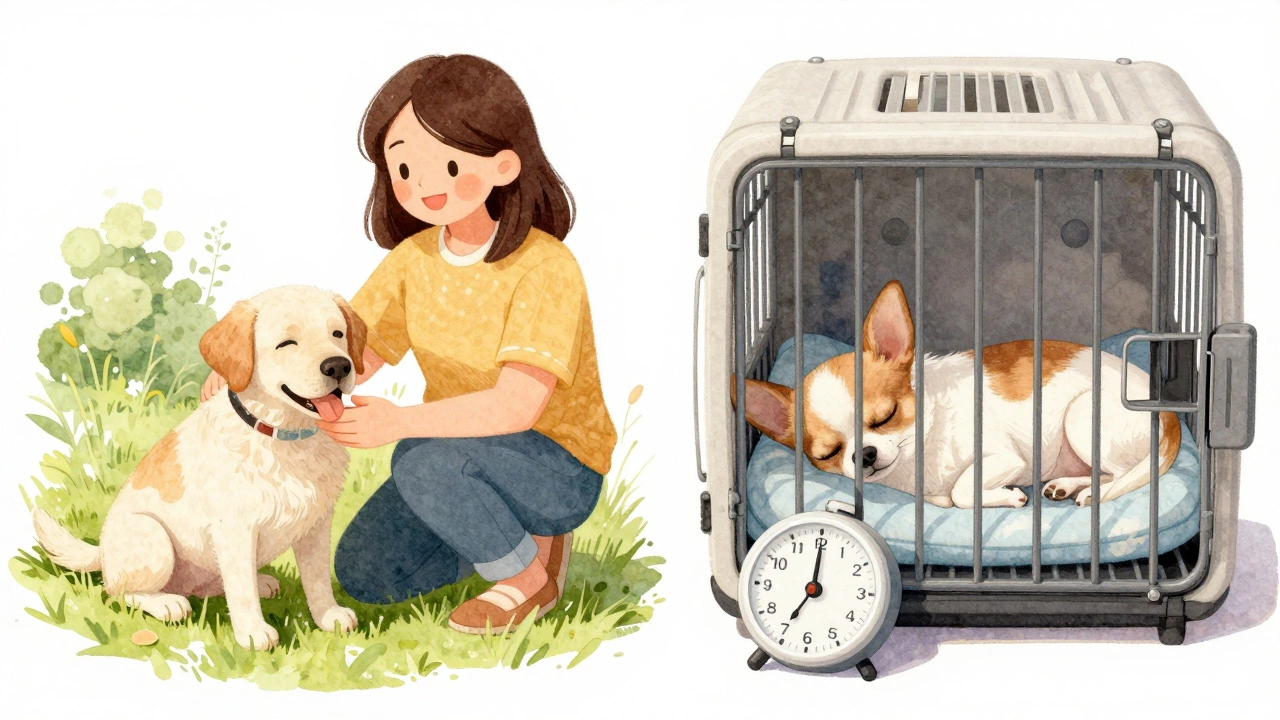
Here’s what works in homes across Bristol, Manchester, and Glasgow:- Set a timer - Take your puppy out every 90 minutes, especially after eating, drinking, waking up, or playing.
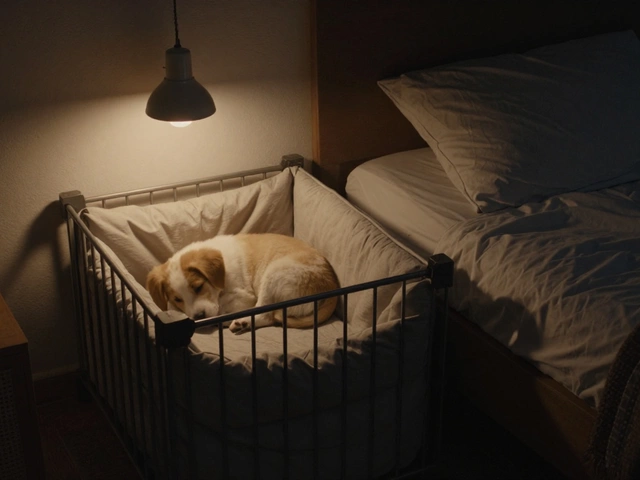
- Use a crate - Dogs avoid soiling where they sleep. A crate gives them a safe space and helps you track when they need to go.
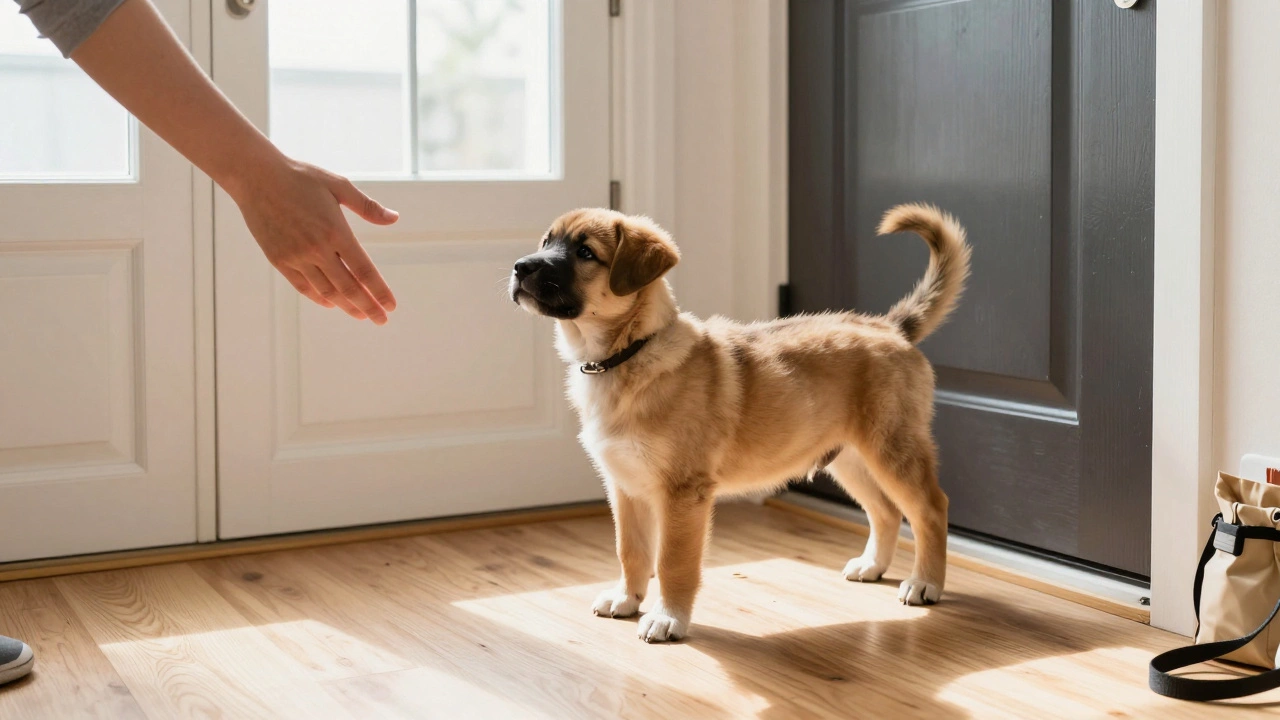
- Stick to one spot - Always take them to the same outdoor area. The scent cues help them understand where to go.
- Never punish accidents - If you find a puddle, just clean it. Yelling teaches them to fear you - not where to pee.
- Use a scent attractant - Pet stores sell pads or sprays with synthetic urine scent. Place it on your outdoor spot to guide them.
When to Worry
Most puppies are fully trained by 6 months. If your dog is still having regular accidents after 8 months - especially if they were spayed/neutered - talk to your vet. There could be a medical reason: urinary tract infection, bladder stones, or even a neurological issue. Also, watch for signs of anxiety. If your dog pees when you leave the house or when guests come over, it might be separation anxiety or fear, not a training problem.Final Answer: Gender Doesn’t Matter - Consistency Does
So, are girl or boy dogs harder to potty train? The answer is no - not really. What matters is when you neuter or spay them, how consistent you are, and whether you catch the signs early. A well-managed male puppy can be cleaner than a neglected female. A female in heat might struggle more than a neutered male. Pick the right time to fix them. Stick to a schedule. Reward the good stuff. And don’t let myths about gender steer your decisions. Your puppy doesn’t care if they’re a boy or girl. They just want to know where to go - and if you’re patient, they’ll tell you.Is it true that female dogs are easier to potty train than males?
Not necessarily. While some owners report females learning faster, studies show the real difference comes from whether the dog is spayed or neutered. Unneutered males often mark indoors, making training harder. Unspayed females may have accidents during heat cycles. But with early fixing and consistent routines, both genders learn equally well.
At what age should I spay or neuter my puppy for best potty training results?
Most veterinarians recommend spaying or neutering between 4 and 6 months old. Doing it before 6 months reduces marking behavior in males and heat-related accidents in females. It also improves long-term health. Puppies fixed after 8 months take significantly longer to master indoor potty control.
My puppy is 10 months old and still having accidents. What should I do?
First, rule out medical issues. Take them to the vet for a urine test - infections or bladder stones can cause accidents. If the vet says they’re healthy, revisit your training routine. Are you taking them out often enough? Are you supervising them? Are you cleaning accidents with an enzymatic cleaner? Sometimes, a reset with a crate and strict schedule helps.
Do small breeds take longer to potty train?
Yes. Small breeds like Chihuahuas or Pomeranians have smaller bladders and higher metabolisms. They need to go out more often - sometimes every hour. Their size also makes it easier to miss a small accident. Stick to a strict schedule and use a crate to limit their space until they’re reliable.
Should I use puppy pads indoors?
Puppy pads can help in the early stages, especially if you live in an apartment or can’t get outside quickly. But don’t rely on them long-term. They teach the dog that it’s okay to pee indoors. Transition to outdoor potty breaks as soon as possible. Use the pad as a temporary bridge, not a permanent solution.