
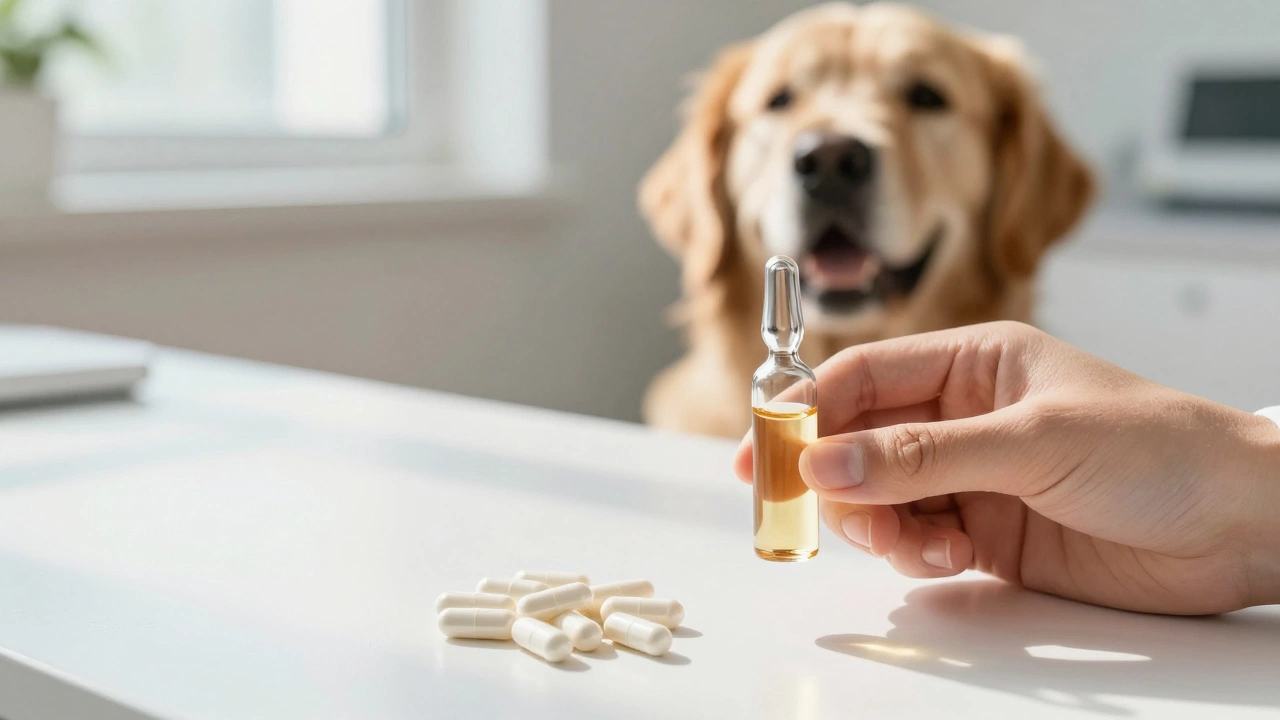
Dog Supplement Recommendation Tool
Recommended Plan
You walk into the pet aisle, and it looks like a pharmacy exploded. Glucosamine, turmeric, fish oil, CBD, probiotics-the shelves are packed with promises of longer life, shinier coats, and happier hips. It’s overwhelming. You just want what’s best for your dog, but how do you separate science from marketing hype?
The truth is, most healthy adult dogs on a high-quality commercial diet don’t need supplements at all. Their food is formulated to meet nutritional standards set by organizations like the Association of American Feed Control Officials (AAFCO). However, specific life stages, breeds, and health conditions create gaps that food alone can’t fill. The key isn’t buying everything; it’s targeting specific needs.
Quick Takeaways: What Actually Works?
- Joint Support: Glucosamine, chondroitin, and MSM are the gold standard for aging or large-breed dogs.
- Skin & Coat: Omega-3 fatty acids (EPA/DHA) reduce itching and inflammation better than biotin alone.
- Gut Health: Probiotics help during antibiotic courses or stress-related diarrhea, but strains matter.
- Heart Health: Taurine supplementation is critical for certain breeds like Cocker Spaniels and Dachshunds.
- Safety First: Always consult your vet before adding anything, as some supplements interact with medications.
Joint Health: The Foundation for Active Dogs
If there is one area where supplements have the strongest evidence base, it’s joint care. Whether you have a rambunctious Labrador who jumps off sofas or a senior Golden Retriever moving slowly in the mornings, supporting cartilage and reducing inflammation is crucial.
The big three here are Glucosamine, a natural compound found in cartilage that helps repair tissue and maintain joint fluid, Chondroitin, which inhibits enzymes that break down cartilage, and MSM (Methylsulfonylmethane), a sulfur compound known for its anti-inflammatory properties. Together, they form a synergistic trio. Studies suggest that while they won’t regrow lost cartilage, they significantly improve mobility and comfort in dogs with osteoarthritis.
For larger breeds like German Shepherds or Great Danes, starting these supplements early-around six months of age-can be preventative rather than just reactive. Look for products that list specific milligram dosages rather than vague "proprietary blends." A typical dose might be 500mg of glucosamine per day for a medium-sized dog, but this varies wildly based on weight and severity of arthritis.
Omega-3 Fatty Acids: More Than Just a Shiny Coat
We’ve all heard that fish oil makes a dog’s coat shine. While true, focusing only on aesthetics misses the bigger picture. Omega-3s, specifically EPA (eicosapentaenoic acid) and DHA (docosahexaenoic acid), are potent anti-inflammatories.
In a world where many dogs suffer from mild chronic inflammation due to poor diets or environmental factors, Omega-3s act as a systemic buffer. They support heart health, brain function in senior dogs, and skin barrier integrity. If your dog has allergic dermatitis, scratching itself raw, a study published in the *Journal of Veterinary Internal Medicine* showed that high-dose Omega-3s reduced the need for steroid medications in many cases.
Not all fish oils are created equal. Avoid generic "fish oil" labels without EPA/DHA breakdowns. You want a concentrate. Also, beware of flaxseed oil as a substitute; dogs cannot convert alpha-linolenic acid (ALA) from plants into EPA/DHA efficiently. Stick to marine sources like salmon, anchovy, or sardine oil. And remember: if your dog is on blood thinners, check with your vet first, as Omega-3s have mild blood-thinning effects.
Gut Health: The Power of Probiotics and Prebiotics
A dog’s gut microbiome influences everything from immune response to behavior. When that balance is disrupted-by antibiotics, sudden diet changes, or stress-you get diarrhea, gas, and lethargy. This is where Probiotics, live beneficial bacteria that restore gut flora balance come in.
But here’s the catch: not all probiotics are the same. Human probiotics often contain strains like *Lactobacillus acidophilus*, which may not survive a dog’s more acidic stomach environment. Look for canine-specific strains such as *Enterococcus faecium* SF68 or *Bifidobacterium animalis*. These have been clinically tested for efficacy in dogs.
Prebiotics, often paired with probiotics in synbiotic formulas, are fibers that feed these good bacteria. Sources like chicory root or pumpkin puree work well. If your dog is finishing a course of antibiotics, starting a probiotic two hours after the last dose can prevent secondary infections like *Clostridium difficile*. For daily maintenance, a small amount of plain yogurt (unsweetened, no xylitol!) or a dedicated powder mixed into kibble can keep digestion smooth.

Turmeric and Curcumin: The Natural Anti-Inflammatory
Turmeric has become a superstar in human wellness, and it’s crossing over to pets. The active ingredient, curcumin, blocks inflammatory pathways similar to how NSAIDs (non-steroidal anti-inflammatory drugs) work, but without the gastrointestinal side effects.
However, curcumin is poorly absorbed on its own. To make it effective for your dog, look for supplements that combine it with black pepper extract (piperine) or use liposomal delivery systems. Some brands even mix it with coconut oil to enhance absorption.
It’s particularly useful for dogs who can’t tolerate traditional painkillers or for those with mild, chronic joint stiffness. Start low and go slow. High doses can cause stomach upset. Also, note that turmeric can interfere with liver enzyme tests, so tell your vet if you’re using it regularly before blood work.
Taurine: The Overlooked Essential
While cats strictly require taurine, dogs generally synthesize enough on their own. But not always. Certain breeds, notably Cocker Spaniels, Dachshunds, and Newfoundlands, have genetic predispositions to taurine deficiency, which can lead to dilated cardiomyopathy (DCM)-a serious heart condition.
If your dog belongs to one of these breeds, or if they are fed a grain-free, legume-heavy diet (which has been linked to DCM in recent years), discussing taurine supplementation with your vet is wise. It’s an inexpensive insurance policy for heart health. A typical supplement provides 250-500mg daily, easily added to meals.
CBD Oil: Hype vs. Reality
Cannabidiol (CBD) oil is everywhere. Pet owners swear by it for anxiety, pain, and seizures. But what does the science say? Research is still emerging. Some studies show promise for seizure reduction in epileptic dogs, but results for general anxiety or pain are mixed.
If you choose to try CBD, quality control is paramount. The industry is largely unregulated. Look for products with a Certificate of Analysis (COA) from a third-party lab, confirming potency and the absence of pesticides, heavy metals, and THC (tetrahydrocannabinol), which is toxic to dogs. Start with a very low dose-1mg per 10lbs of body weight-and monitor closely. It’s not a cure-all, but for some dogs, it offers a gentle calming effect.
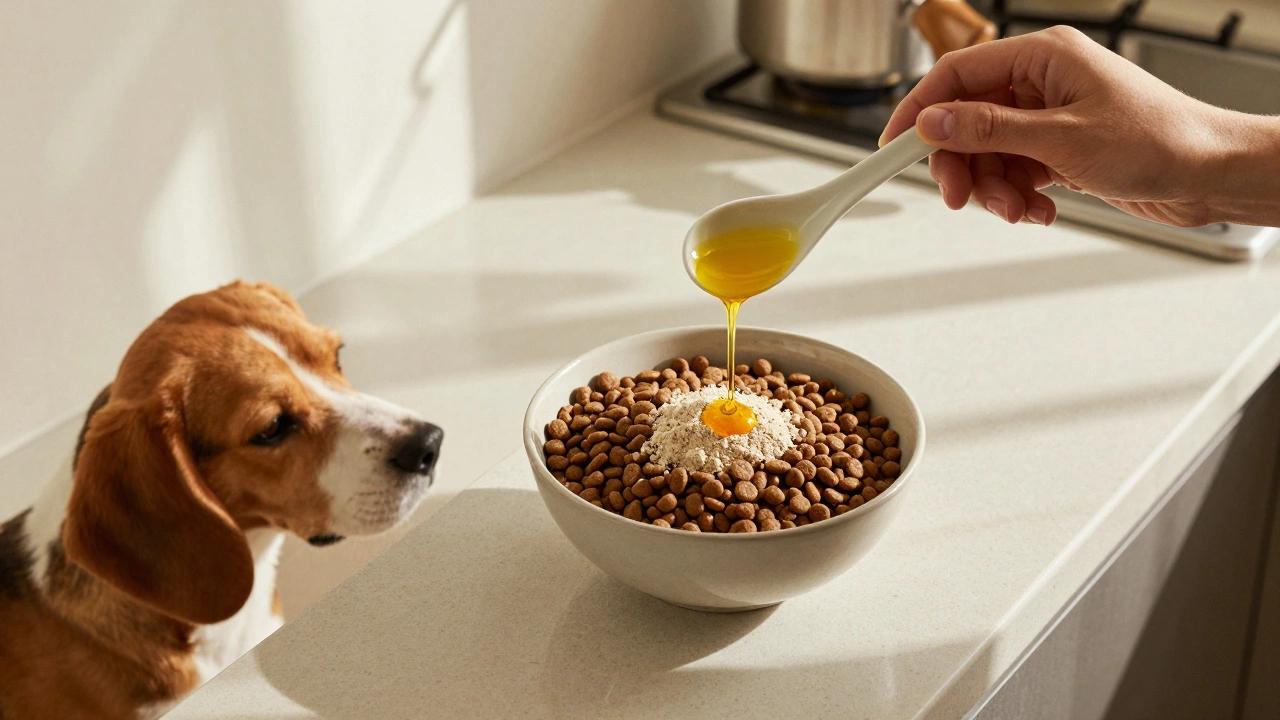
Supplements to Approach with Caution
Not every supplement is safe. Here are common ones to avoid or use only under strict veterinary guidance:
- Vitamin D: Toxicity is real and dangerous. Unless prescribed for a specific deficiency, skip it. Most commercial foods are already fortified.
- Zinc: Excess zinc causes copper deficiency and severe anemia. Only supplement if a blood test confirms a lack.
- Milk Thistle: Often marketed for liver health, but evidence in dogs is weak. It can also interact with other medications metabolized by the liver.
- Yucca Root: Sometimes added to reduce stool odor. It doesn’t actually improve health and can irritate the mouth and stomach lining.
How to Choose a Quality Supplement
The market is flooded with low-quality products. How do you spot a good one? Look for the NASC (National Animal Supplement Council) seal. This indicates the manufacturer follows good manufacturing practices (GMPs), ensuring purity and label accuracy.
Check the ingredient list. It should be short and transparent. Avoid fillers like corn syrup, artificial colors, or excessive preservatives. The form matters too: powders and liquids often offer better bioavailability than hard chews, which may contain unnecessary binders and fats.
| Category | Best For | Key Ingredients | Potential Side Effects |
|---|---|---|---|
| Joint Support | Senior dogs, large breeds, arthritic dogs | Glucosamine, Chondroitin, MSM | Mild GI upset, soft stool |
| Omega-3 Fish Oil | Skin allergies, coat health, inflammation | EPA, DHA | Fishy burps, loose stool if overdosed |
| Probiotics | Digestive issues, post-antibiotic recovery | *Enterococcus faecium*, *Bifidobacterium* | Temporary gas, bloating |
| Turmeric/Curcumin | Natural anti-inflammatory, pain management | Curcumin, Piperine | Stomach irritation, interacts with meds |
| Taurine | Heart health, specific breed risks | Taurine | Rare, generally very safe |
When to Talk to Your Vet
Before you buy anything, have a conversation with your veterinarian. Bring your dog’s current food bag and any medication lists. Ask: "Does my dog actually need this?" and "Could this interact with existing treatments?"
Supplements are tools, not magic bullets. They work best when layered onto a foundation of good nutrition, regular exercise, and preventive care. By choosing wisely and targeting specific needs, you can genuinely enhance your dog’s quality of life without cluttering their routine with useless pills.
Can I give my dog human vitamins?
Generally, no. Human vitamins are dosed for humans, not dogs. Some ingredients, like Vitamin D or iron, can be toxic to dogs in high amounts. Always use supplements specifically formulated for canines.
How long does it take for dog supplements to work?
It depends on the supplement. Probiotics may show effects within days. Joint supplements like glucosamine typically take 4-8 weeks to build up in the system and show noticeable improvement in mobility. Omega-3s can take 2-3 months to visibly improve coat and skin health.
Are bone broth supplements necessary?
Bone broth is a tasty way to add hydration and some collagen, but it’s not a complete supplement. Ensure it’s made without onions, garlic, or excessive salt, which are harmful to dogs. It’s more of a treat than a therapeutic supplement.
Can supplements replace a balanced diet?
No. Supplements are meant to complement, not replace, a complete and balanced diet. If your dog’s primary food is deficient, no amount of pills will fix the underlying nutritional gap. Focus on high-quality kibble, wet food, or a vet-approved homemade diet first.
Is it safe to mix multiple supplements?
Mixing supplements can be safe, but it increases the risk of interactions or overdosing on certain nutrients. For example, combining multiple joint formulas might lead to excessive glucosamine intake. Always consult your vet before stacking supplements.