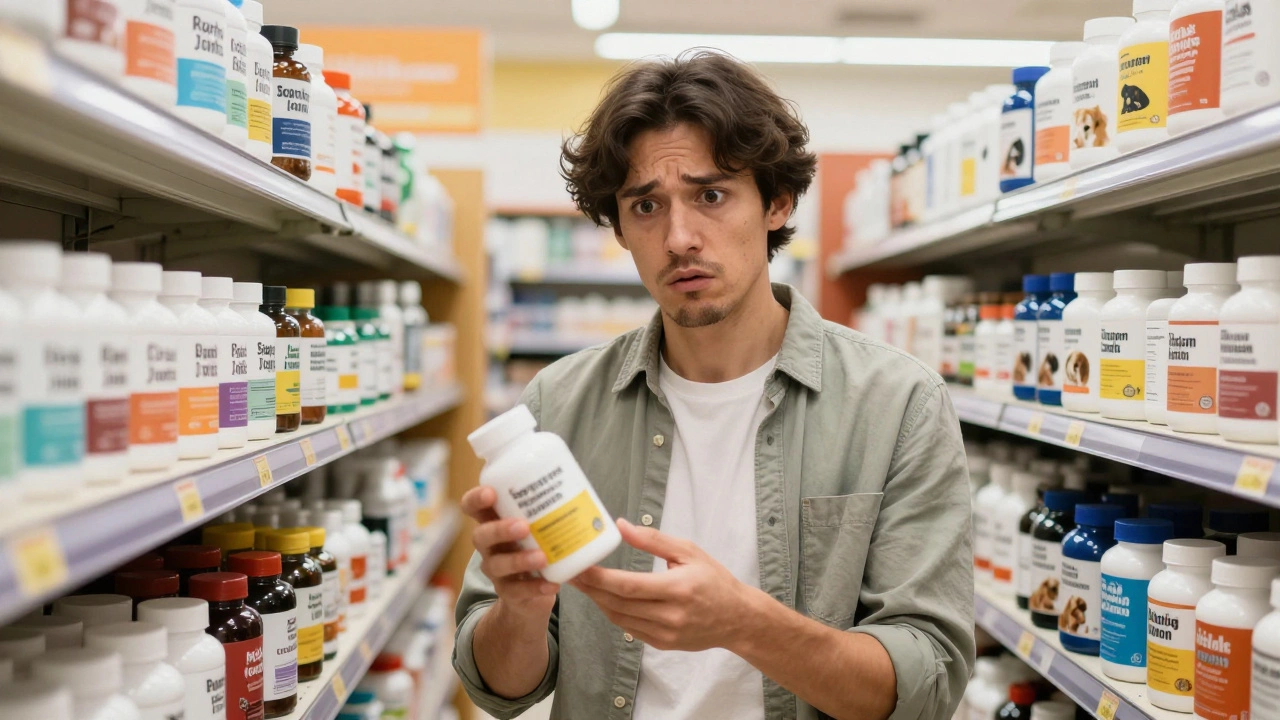
Walking into the pet aisle can feel like walking into a minefield. You see bottles promising everything from glowing coats to supercharged joints, and it’s easy to assume that if a little helps, more must be better. But here’s the truth: there isn’t one single "best" supplement for every dog. Giving your dog a multivitamin when they’re already eating a complete diet might do nothing-or worse, cause harm.
The right choice depends entirely on your dog’s age, breed, activity level, and specific health needs. Are you trying to soothe an arthritic senior Labrador or keep a high-energy Border Collie’s coat shiny? The answer changes completely. Let’s cut through the marketing noise and look at what actually works, based on veterinary science rather than shelf placement.
Why Most Dogs Don’t Need Multivitamins
Before we talk about what to add, let’s talk about what to skip. If your dog eats a high-quality commercial kibble or a well-balanced raw or home-cooked diet approved by a nutritionist, they likely get all the vitamins and minerals they need. Multivitamins are often unnecessary fillers. In fact, overdosing on fat-soluble vitamins like Vitamin A or D can lead to toxicity, which stresses the liver and kidneys.
Vitamins are not like water; excess doesn’t just flush out. It stores up in the body’s fat tissues. So, unless your vet has identified a specific deficiency-perhaps due to a medical condition or a restrictive diet-skip the general multivitamin. Instead, focus on targeted supplements that address real gaps in modern canine diets.
The Gold Standard: Omega-3 Fatty Acids
If you only add one thing to your dog’s routine, make it Omega-3 fatty acids. Specifically, you want EPA (eicosapentaenoic acid) and DHA (docosahexaenoic acid). These aren’t just buzzwords; they are powerful anti-inflammatories that work inside the cells.
| Source | EPA/DHA Content | Best For | Notes |
|---|---|---|---|
| Fish Oil | High | Skin, Coat, Joints | Most cost-effective; ensure it’s molecularly distilled to remove mercury. |
| Algae Oil | Moderate | Brain Development, Vegans | Great for fish-allergic dogs or those on plant-based diets. |
| Flaxseed Oil | Low (ALA) | Digestion | Dogs convert ALA to EPA/DHA very poorly; not a primary source. |
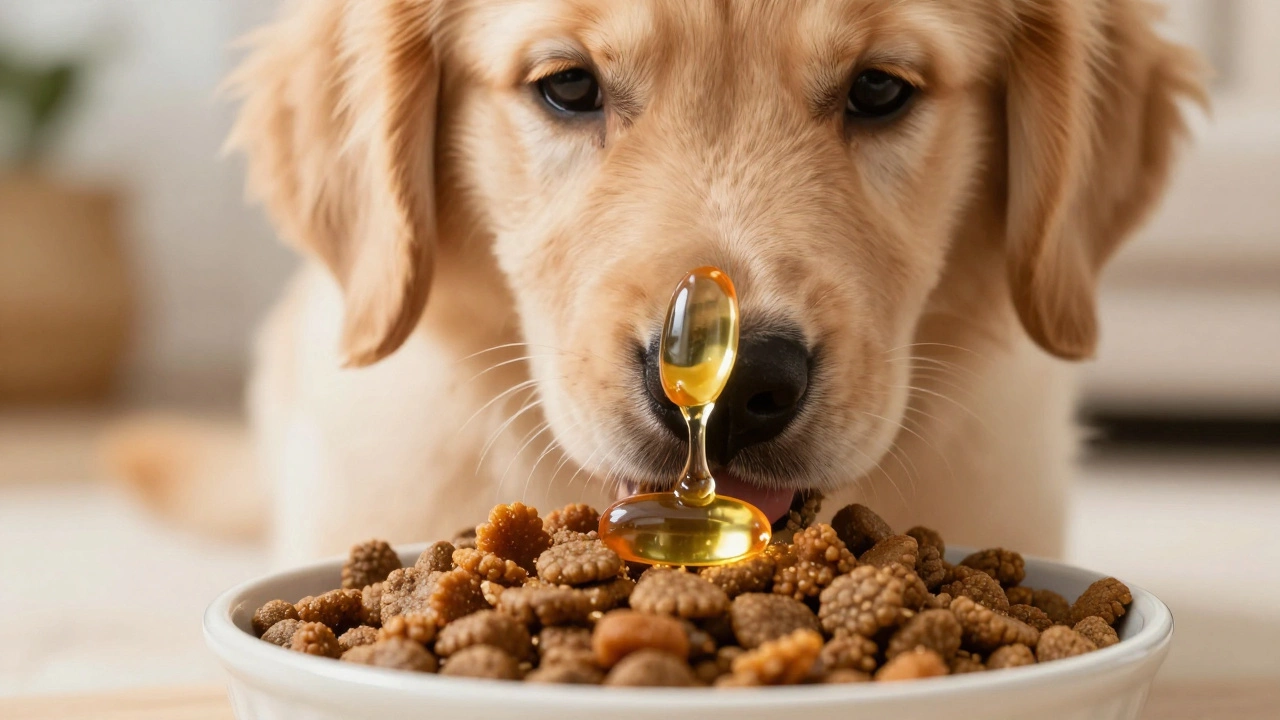
Why are these so important? Modern dry foods often lack sufficient levels of EPA and DHA because processing kills off some of the beneficial fats. Adding a spoonful of high-quality fish oil can reduce itching caused by allergies, improve heart health, and support cognitive function in aging dogs. Look for brands that specify the milligram content of EPA and DHA per capsule, not just the total volume of oil.
Joint Support: Glucosamine, Chondroitin, and MSM
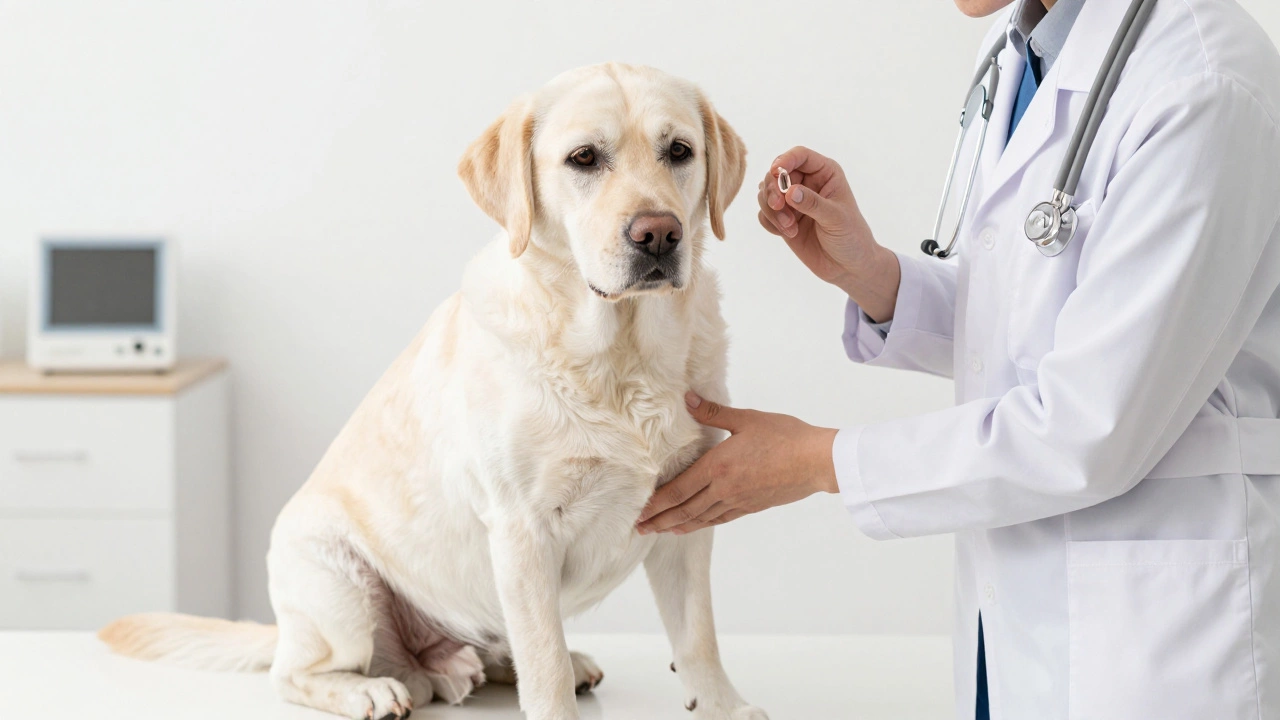
As dogs age, or if they are large breeds prone to hip dysplasia, joint pain becomes a major quality-of-life issue. This is where Glucosamine and Chondroitin come in. These compounds are building blocks for cartilage. They don’t rebuild lost bone, but they help maintain the cushioning between joints and slow down further degradation.
Many owners wonder if green-lipped mussel is better. It contains similar compounds plus unique anti-inflammatory agents. However, standard glucosamine sulfate combined with chondroitin sulfate is the most studied combination. For extra inflammation control, look for formulas that include MSM (methylsulfonylmethane), which provides sulfur for connective tissue repair.
Start these supplements early. Prevention is easier than reversal. If your dog is already limping, supplements alone won’t fix it; they work best as part of a plan that includes weight management and physical therapy.
Gut Health: Probiotics and Prebiotics
A healthy gut equals a healthy immune system. Up to 70% of your dog’s immune cells reside in their digestive tract. Probiotics introduce beneficial bacteria, while Prebiotics feed them. You might need these during times of stress: after antibiotic courses, during travel, or if your dog suffers from chronic soft stools.
Not all probiotics are created equal. Many over-the-counter options lose potency before they even reach the shelf. Look for strains specifically tested for dogs, such as Lactobacillus acidophilus and Bifidobacterium animalis. Freeze-dried formats are often more stable than liquid ones. If your dog has a sensitive stomach, start with a low dose to avoid gas and bloating.
Coat and Skin: Biotin and Zinc
Is your dog shedding excessively or looking dull? Before reaching for expensive shampoos, check their internal nutrition. Biotin (Vitamin B7) and Zinc are critical for skin barrier integrity and hair growth. Deficiencies here can lead to flaky skin, brittle nails, and patchy fur.
However, be cautious with zinc. While essential, too much zinc can cause copper deficiency, leading to anemia. Always stick to recommended dosages. Often, adding a small amount of coconut oil or salmon oil to their food provides enough natural biotin and fatty acids to see a difference in coat shine within four to six weeks.
How to Choose Safe and Effective Supplements
The supplement industry is largely unregulated. Just because it says "natural" doesn’t mean it’s safe. To protect your dog, follow these three rules:
- Check for NASC Certification: The National Animal Supplement Council sets standards for manufacturing quality. Their seal means the product was made in a facility that follows Good Manufacturing Practices (GMP).
- Read the Label Carefully: Avoid products with vague ingredients like "proprietary blends." You need to know exactly how much active ingredient is in each dose.
- Consult Your Vet: Some supplements interact with medications. For example, high doses of Omega-3s can thin the blood, which is risky if your dog is on anti-inflammatory drugs.
Remember, supplements are meant to supplement, not replace, a balanced diet. They are tools to fill specific gaps, not magic bullets. By focusing on evidence-backed ingredients like Omega-3s, joint supporters, and probiotics, you give your dog the best chance at a long, vibrant life.
Can I give human supplements to my dog?
Generally, no. Human supplements are dosed for human body weights and may contain ingredients toxic to dogs, such as xylitol (an artificial sweetener) or excessive amounts of certain vitamins. Always use products formulated specifically for canines.
How long does it take for dog supplements to work?
It varies by type. You might see improved stool consistency from probiotics within a week. Joint supplements and coat improvements typically take 4 to 8 weeks of consistent daily use to show noticeable results.
Are joint supplements safe for puppies?
Yes, especially for large breeds prone to hip dysplasia. Starting joint support early can help build strong cartilage foundations. However, always consult your vet for the correct dosage for a growing puppy.
What if my dog refuses to eat the supplement?
Try mixing powder supplements into wet food or using liquid oils drizzled over their kibble. For pills, consider pill pockets or hiding them in a small piece of cheese or peanut butter (ensure it’s xylitol-free).
Do organic supplements matter for dogs?
Organic labeling mainly applies to farming practices. For supplements, purity and third-party testing are far more important than organic certification. Focus on brands that test for heavy metals and contaminants.