Puppy Care & Cost Estimator
Housebreaking Schedule Calculator
A general rule of thumb is one hour per month of age plus one.
Recommended Bathroom Frequency:
-- hours
Take them out immediately after waking up, playing, or eating.
First-Year Cost Estimator
Estimate expenses based on adoption fees, medical care, food, and supplies.
Estimated First-Year Expenses:
Includes vaccinations, spay/neuter, high-quality food, crates, toys, and unexpected vet visits.
Critical Socialization Timeline
The window between 3 and 14 weeks is crucial. After 14 weeks, fear periods begin. Use this checklist to track positive exposures.
You just brought home a bundle of fur that weighs less than your laptop and costs more in vet bills than you expected. Congratulations. You are now responsible for a living creature that cannot open a fridge, understand traffic laws, or hold its bladder for longer than two hours. If you are feeling overwhelmed, good. That means you care. But if you are paralyzed by the sheer volume of advice online, this guide is for you. We are stripping away the noise. No fancy jargon, no impossible standards. Just the raw, unfiltered truth about puppy care that actually works in the real world.
A Puppy is a juvenile domestic dog (Canis lupus familiaris) typically under one year of age. Unlike adult dogs, puppies require specific nutritional profiles, frequent veterinary interventions, and intensive socialization during critical developmental windows. The first year of a puppy’s life determines roughly 80% of their future behavioral stability and physical health outcomes.
The First 48 Hours: Survival Mode
Most people make the mistake of throwing a party when they get their new dog. Don’t. Your puppy has just been ripped away from its mother and siblings. It is terrified. For the first two days, keep the house quiet. Limit visitors. Let them sleep. Seriously, let them sleep up to 18-20 hours a day. If you wake them up every hour to cuddle, you will create an overtired, biting monster by day three.
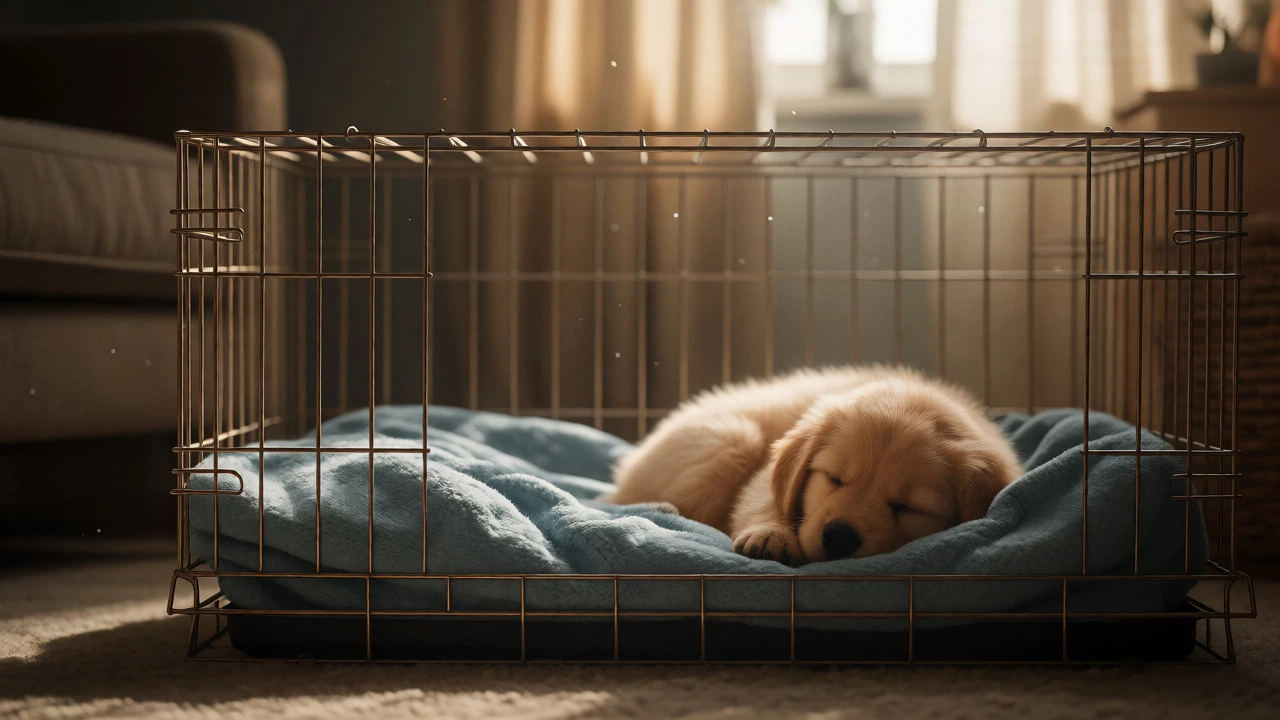
Set up a safe zone immediately. This isn't optional. Use a crate or a playpen with a comfortable bed and water. When you can't watch them, they go in there. This prevents them from chewing electrical cords or eating socks while you’re in the shower. It also aids in housebreaking because dogs instinctively avoid soiling their sleeping area.
Feeding: Not Just Kibble
You need to feed them correctly, or you’ll have digestive disasters. Puppies grow rapidly, requiring high-calorie, nutrient-dense food. Adult dog food lacks the calcium and phosphorus balance needed for bone development. Feeding adult food to a growing puppy can lead to skeletal deformities, especially in large breeds like Labradors or German Shepherds.
Stick to a schedule. Free-feeding (leaving food out all day) makes housebreaking nearly impossible because you don’t know when they need to go outside. Most vets recommend feeding puppies three times a day until six months, then twice a day thereafter. Always check the label for "AAFCO" approval, which ensures the food meets minimum nutritional standards set by the Association of American Feed Control Officials.
| Age | Meals Per Day | Portion Size Indicator |
|---|---|---|
| 8-12 Weeks | 3-4 times | Small handfuls |
| 3-6 Months | 3 times | Medium scoop |
| 6-12 Months | 2 times | Large scoop |
Housebreaking: Patience Over Punishment
Here is the hard truth: accidents will happen. They might happen for weeks. Do not rub their nose in it. Dogs do not connect punishment with an accident that happened ten minutes ago. They only connect it with your angry face right now. If you catch them mid-pee, say "Oops!" gently and rush them outside. If you find it after the fact, clean it up with an enzymatic cleaner and move on.
Enzymatic cleaners are non-negotiable. Regular household cleaners mask the smell to humans, but dogs still smell the urine markers. If they smell pee where they peed before, they will pee there again. Enzymes break down the uric acid crystals. Buy a bottle today. Keep it under the sink. Use it often.
Take them out frequently. A general rule of thumb is one hour per month of age plus one. So, a two-month-old puppy needs a bathroom break every three hours at most. Take them out immediately after waking up, after playing, and after eating. Praise them heavily when they go outside. Make it a party. Treats work wonders here.
Socialization: The Critical Window
This is where most owners fail. Socialization isn't just letting your puppy play with other dogs. It is exposing them to the world in a positive way between 3 and 14 weeks of age. After 14 weeks, fear periods kick in, and new things become scary rather than curious.
You need to expose them to different surfaces (grass, tile, gravel), sounds (vacuum cleaners, traffic, thunderstorms recorded on YouTube), and people (men with hats, children, people with umbrellas). However, be careful with vaccines. Until your puppy has completed their core vaccination series, avoid placing them on the ground in high-traffic areas like dog parks where unknown dogs roam. Carry them. Put them in a stroller. Let them see the world without touching the germs.
Once vaccinated, enroll in a puppy class. Look for classes that emphasize positive reinforcement, not shock collars or prong collars. A well-run class teaches bite inhibition-how to stop a puppy from using its teeth too hard. This is vital. A puppy that doesn't learn bite inhibition will be painful to live with as an adult.
Health Basics: Vaccines and Parasites
Your vet is your best friend. Find one before you even bring the puppy home. Ask about their philosophy on early spaying/neutering. Current trends suggest waiting until the puppy is physically mature for larger breeds to protect joint health, but small breeds may differ.
Parasites are annoying and dangerous. Fleas cause itching; ticks transmit Lyme disease; heartworm is fatal if untreated. Start prevention medication immediately. In the UK, for example, tapeworm treatment is mandatory within five days before returning from certain EU countries. Check local regulations. Deworming protocols vary, but generally, puppies need multiple treatments in their first few months.
Chewing and Teething: Save Your Shoes
Puppies lose their baby teeth around four to six months. Their gums hurt. They chew to relieve pain. If you don't give them appropriate chew toys, they will choose your furniture. Rotate toys to keep interest high. Frozen wet washcloths are a great hack for sore gums. Avoid giving them old shoes as toys; they won't understand why the new shoes are off-limits if the old ones were fun.
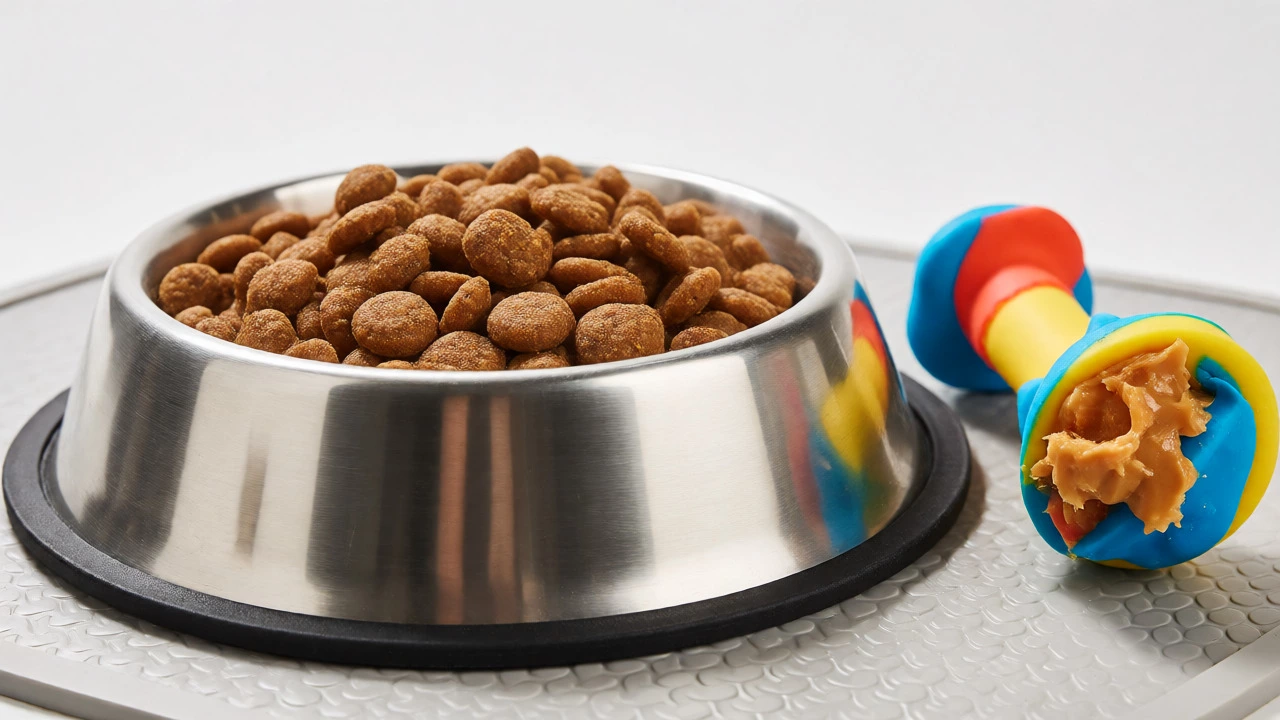
Supervise them constantly. If you can't supervise, crate them. Choking hazards include small rubber balls, cooked bones (which splinter), and rawhide (which can cause blockages). Opt for durable rubber toys like Kong brands, which can be stuffed with peanut butter (xylitol-free!) and frozen for long-lasting entertainment.
Training: Keep It Short and Sweet
Puppies have attention spans shorter than a goldfish. Training sessions should last five minutes, max. End on a success note, even if it’s just getting them to sit once. If you push too long, they get frustrated and quit.
Teach these four commands first:
- Come: The most important safety command. Practice in low-distraction areas first.
- Sit: Useful for calming excitement before meals or greetings.
- Stay: Builds impulse control. Start with seconds, not minutes.
- Leave It: Prevents them from eating trash or toxic items.
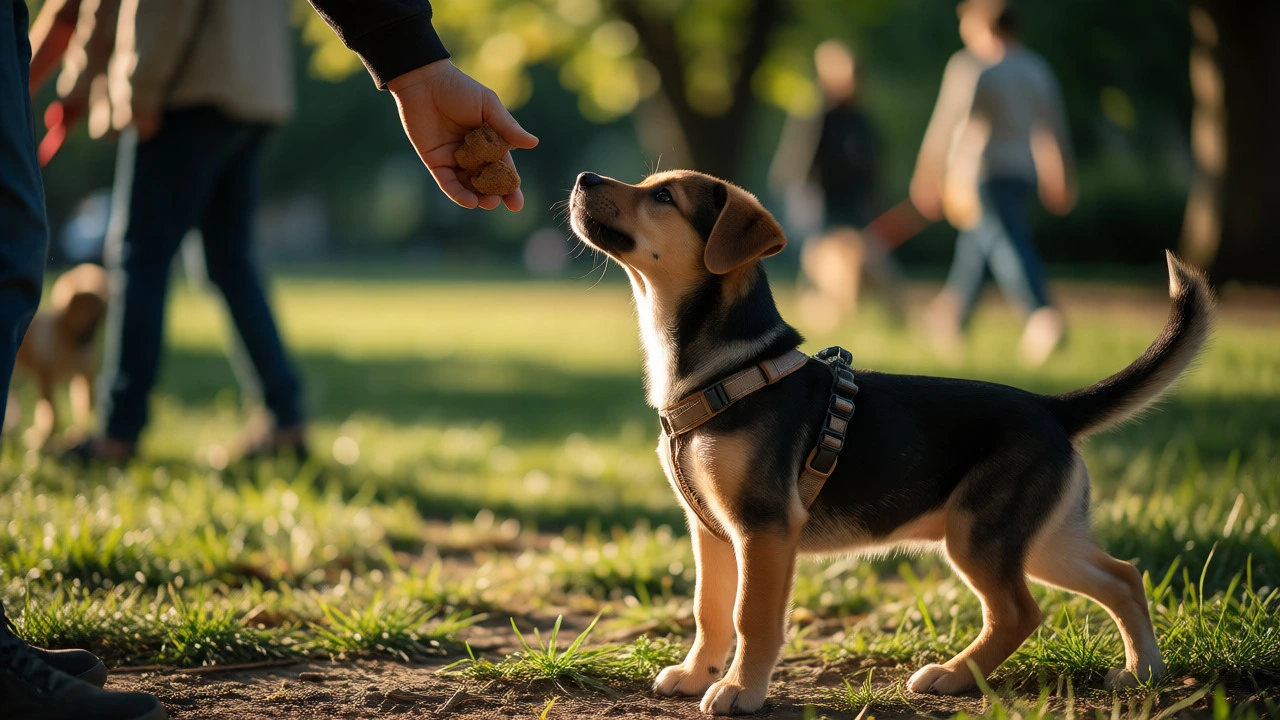
Reward desired behavior immediately. Timing is everything. If you wait ten seconds to give the treat, the puppy has moved on to thinking about the next squirrel. Use high-value treats-tiny pieces of chicken or cheese-during initial learning phases. Kibble is fine for maintenance, but boring for teaching.
The Emotional Toll: Why You Might Feel Guilty
Owning a puppy is exhausting. You will lose sleep. You will step in puddles. You will worry that you aren't doing enough. This is normal. It is called the "puppy blues." It usually hits around week three or four. Remember that consistency beats perfection. A dog that gets fed on time, loved daily, and trained briefly is a happy dog. You don't need to be a professional trainer. You just need to be present.
How much does it cost to own a puppy in the first year?
Expect to spend between £1,500 and £3,000 ($2,000-$4,000 USD) in the first year. This includes adoption fees, vaccinations, spay/neuter surgery, high-quality food, crates, beds, toys, grooming tools, and unexpected vet visits. Budget for emergency funds separately.
When can I take my puppy for walks?
You can carry them or use a puppy-safe stroller anywhere immediately. For walking on the ground, wait until they have completed their full vaccination course, usually around 12-16 weeks. Before that, avoid public parks and sidewalks where unvaccinated dogs have walked to prevent Parvovirus exposure.
Should I crate train my puppy?
Yes, crate training is highly recommended. It provides a safe den-like space, aids in housebreaking, and prevents destructive chewing when unsupervised. Introduce the crate gradually with treats and never use it as punishment. A properly crate-trained dog is calmer and safer.
Why is my puppy biting me?
Puppies explore the world with their mouths and lack adult teeth strength control. Biting is also how they communicate and play. To curb it, yelp loudly when bitten to mimic littermates, withdraw attention for 30 seconds, and redirect to a toy. Never hit the mouth; it increases aggression.
How often should I bathe my puppy?
Every 4-6 weeks is sufficient unless they get visibly dirty. Over-bathing strips natural oils from their skin, leading to dryness and irritation. Use a mild, puppy-specific shampoo. Focus on keeping ears dry during baths to prevent infections.