40 lb Dog Flight Eligibility & Cost Estimator
Enter your dog's details to see if they qualify for cabin or cargo travel and get a cost estimate.
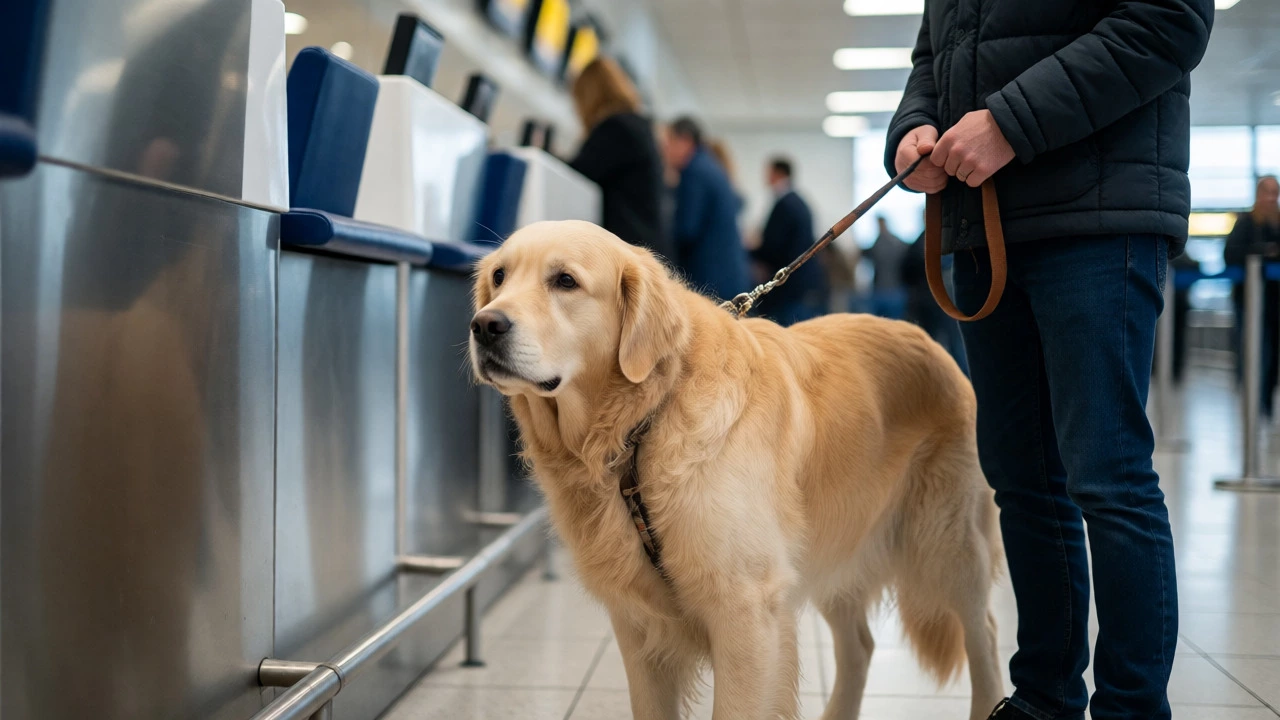
Imagine this: you’re standing at the check-in counter, your heart pounding, holding a leash attached to a 40-pound Golden Retriever who looks just as confused as you feel. The agent asks if he fits under the seat. You know he doesn’t. This is the reality for owners of medium-to-large dogs trying to navigate the complex world of flying with a 40 lb dog. It’s not like booking a ticket for yourself; it’s a logistical puzzle involving weight limits, crate dimensions, and strict airline regulations.
If you’re based in Bristol or anywhere else, the core question remains the same: Can your dog come with you? For a 40 lb (approx. 18 kg) dog, the answer is rarely "yes" for the cabin, but almost always "yes" for the cargo hold or checked baggage area, depending on the airline. This guide breaks down exactly how to make it happen without losing your mind-or your deposit.
Cabin vs. Cargo: Where Does Your Dog Go?
Let’s clear up the biggest misconception first. Most major airlines have a combined weight limit for the dog plus its carrier for cabin travel. This limit usually sits between 15 to 20 pounds total. A 40 lb dog alone blows past that limit. Even if your dog is skinny, the math doesn’t work. Unless you are flying with a specific regional carrier that allows larger soft-sided carriers (rare), your dog will be traveling in the cargo hold or as checked baggage.
There is a distinction between these two terms, though they often overlap. "Checked baggage" means your dog travels in the pressurized, temperature-controlled cargo area, and you can watch them load onto the plane. "Cargo" usually refers to shipping via an animal transport service where the dog might be on a different flight than you. For most leisure travelers, "checked baggage" is what you want. It’s cheaper and less stressful because you’re there when they board.
| Feature | Cabin Travel | Checked Baggage/Cargo |
|---|---|---|
| Weight Limit | ~15-20 lbs (dog + carrier) | No strict upper limit (depends on crate size) |
| Location | Under seat in front of you | Pressurized cargo hold |
| Cost | $95 - $125 per leg | $200 - $500+ per leg |
| Visibility | You see your dog | You do not see your dog during flight |
| Stress Level | Low (if dog is calm) | Moderate (noise, handling) |
The Crate: Your Dog’s Airplane Seat
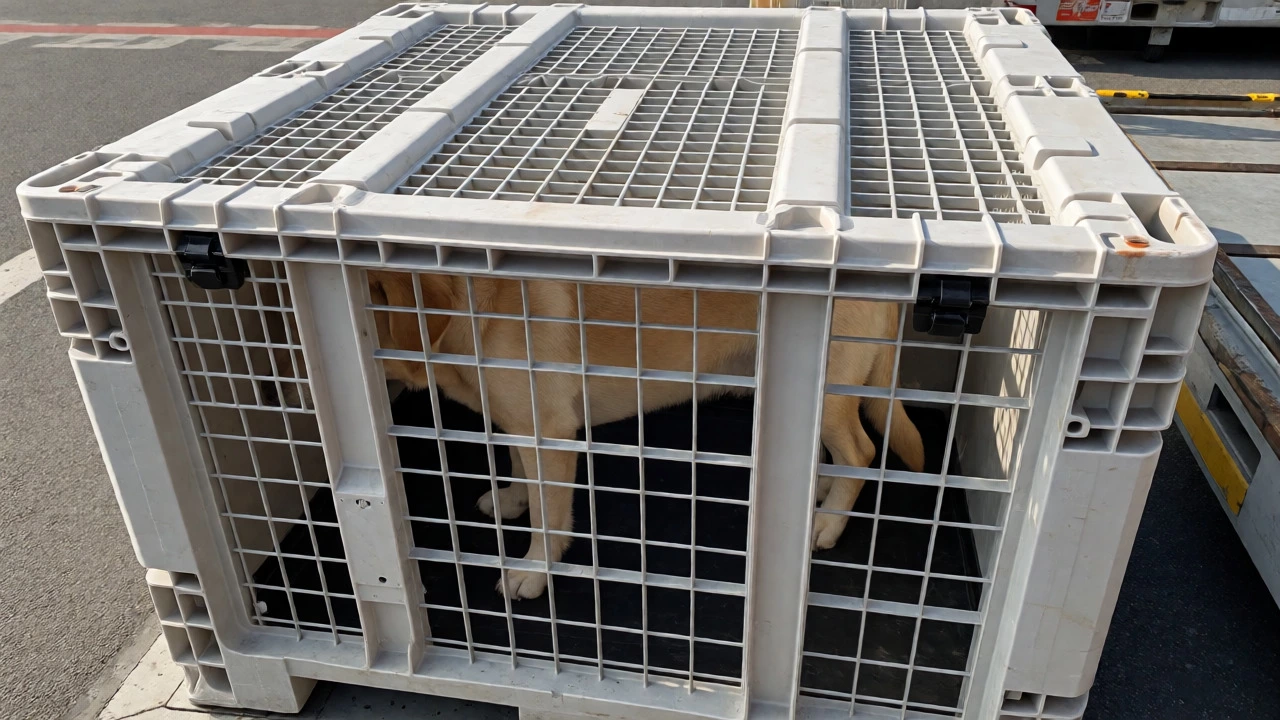
You cannot use the cute fabric bag from PetSmart. Airlines require an IATA-compliant crate. This isn’t a suggestion; it’s a hard rule enforced by the International Air Transport Association. If your crate has a plastic base and wire sides, it likely won’t pass inspection. You need a rigid, hard-sided container made of plastic, metal, or wood.
Here is the golden rule for sizing: Your dog must be able to stand up, turn around, and lie down comfortably without touching the top or sides. Measure your dog from the tip of their nose to the base of their tail, then add half the length of one front paw. That number is the minimum length of the crate. Then measure from the floor to the top of their head (or ears, if erect) and add 3 inches. That’s your height requirement.
For a 40 lb dog, you’re likely looking at a crate size between 36" and 42" long. Common models include the MidWest Homes for Pets iCrate or the Gunner Kennels G1 Intermediate. Note that some airlines reject crates with wheels unless they are removed or locked securely. Always check your specific airline’s approved list before buying. Buying the wrong crate is an expensive mistake.
Airline Policies: Who Actually Flies Large Dogs?
Not all airlines treat 40 lb dogs the same way. In fact, many US domestic carriers have stopped accepting pets in the cargo hold entirely, limiting options to cabin-only or no pets at all. However, international carriers and certain US airlines still offer checked baggage services.
- United Airlines: Accepts pets as checked baggage on most flights. They charge around $200-$400 each way. Their crate requirements are strict.
- American Airlines: Similar to United, accepts pets in the cargo hold. Watch out for embargo dates during extreme heat or cold.
- Delta Air Lines: Has become stricter recently. Check their current status as policies shift frequently regarding brachycephalic (flat-faced) breeds.
- Lufthansa & British Airways: If you’re flying from Europe, these carriers are generally more pet-friendly for cargo travel. BA often requires you to book through a licensed agent rather than directly online for cargo pets.
Pro Tip: Avoid airlines that transport pets solely as "cargo" (like FedEx or UPS-style shipping) if you want to fly together. Look specifically for "pet as checked baggage" policies.
Health Documents and Timing
Your dog needs paperwork. No health certificate, no flight. This document is issued by a licensed veterinarian and states that your dog is healthy enough to travel. It typically includes proof of rabies vaccination and a general physical exam.
Timing is critical. Most airlines require the health certificate to be dated within 10 days of departure. Do not get it done a month in advance; it will expire. Schedule the vet visit 7-10 days before your flight. Also, check destination requirements. If you’re flying to Hawaii or the UK, quarantine rules or tapeworm treatments might apply. For the UK, you’ll need a Pet Passport or Animal Health Certificate (AHC) post-Brexit, which involves microchipping, rabies vaccination, and tick/worm treatment 24-120 hours before arrival.
Preparing Your Dog for the Experience
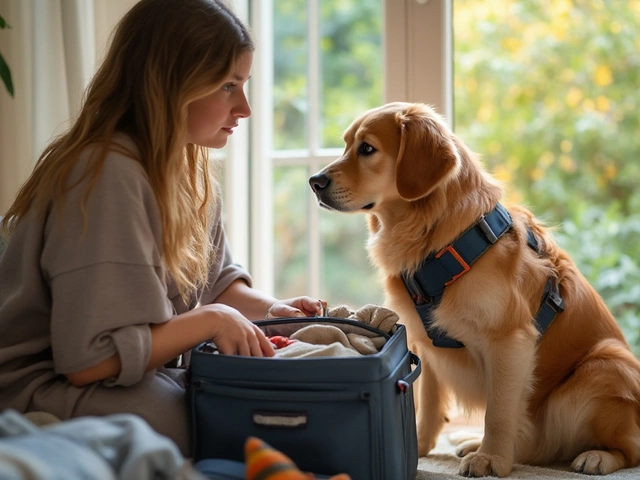
Don’t wait until the day of the flight to introduce the crate. Start two weeks prior. Leave the crate open in the living room with treats inside. Let your dog sleep in it. Associate it with safety, not punishment. A stressed dog in a metal box at 35,000 feet is a recipe for disaster.
On the day of travel, feed your dog a light meal 4-6 hours before the flight. You don’t want an empty stomach (nausea risk) or a full one (accident risk). Attach a water bowl to the crate door using zip ties or clips so handlers can fill it without opening the crate. Include a familiar-smelling blanket or t-shirt you’ve worn. The scent helps lower anxiety.
Should you sedate your dog? Most veterinarians and airlines say no. Sedation can lower blood pressure and impair breathing regulation at high altitudes. Instead, consider natural calming aids like Adaptil pheromone sprays or Thundershirts. If your dog is severely anxious, consult your vet about non-sedating anti-anxiety meds like Trazodone, which don’t depress respiration as much as traditional sedatives.
At the Airport: The Logistics
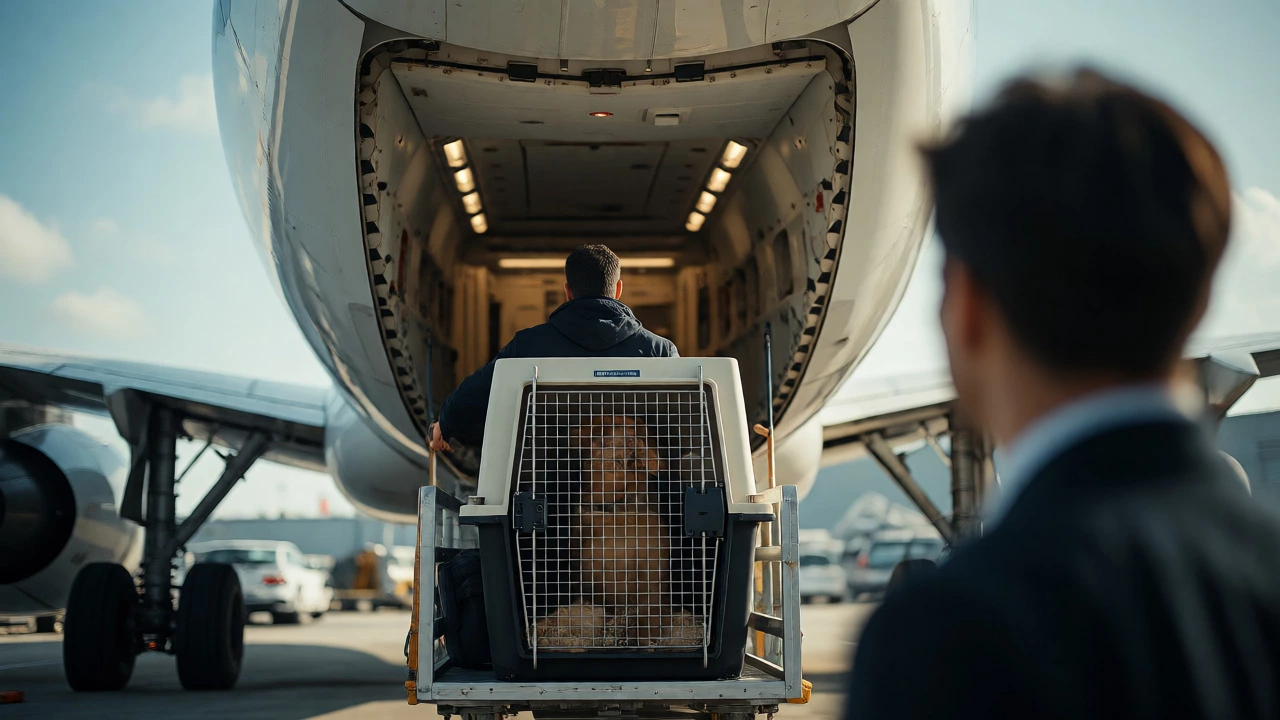
Arrive early. For checked baggage pets, you usually go to a special oversized baggage drop-off, not the regular check-in desk. Have your crate labeled clearly with "Live Animals," your name, phone number, and destination address. Use duct tape to secure any loose zippers or latches.
Watch the loading process if allowed. Seeing your dog safely loaded into the pressurized hold gives peace of mind. After landing, proceed immediately to the animal relief area or the baggage claim office where pets are released. Don’t leave your dog sitting in the crate for an extra hour while you grab coffee. Get them out, walk them, and give them water.
Related Concepts and Next Steps
Flying with a 40 lb dog is manageable, but it requires planning. The key entities here-IATA Standards, Veterinary Certificates, and Airline Embargoes-are your checklist items. Once you master the crate fit and paperwork, the actual flight becomes routine.
If you find the cargo option too stressful, consider driving or taking a train if distance permits. Amtrak in the US now allows pets up to 20 lbs, so a 40 lb dog still wouldn’t fit there either. Road trips remain the gold standard for large breeds, but sometimes flying is necessary. When it is, preparation is your best friend.
Can a 40 lb dog fly in the cabin?
Generally, no. Most airlines have a combined weight limit of 15-20 lbs for the dog and carrier in the cabin. A 40 lb dog exceeds this limit significantly. Exceptions are rare and usually limited to specific regional carriers or emotional support animals under older policies (which are now largely phased out).
Is it safe for a dog to fly in the cargo hold?
Yes, modern cargo holds are pressurized, heated, and cooled similarly to the passenger cabin. Millions of pets fly safely every year. Risks increase with extreme weather (embargoes) or for brachycephalic breeds (short-nosed dogs like Pugs). Choosing a direct flight minimizes stress and handling time.
What type of crate does my dog need?
You need an IATA-compliant, hard-sided crate. Soft-sided carriers are usually only allowed in the cabin. The crate must allow the dog to stand, turn, and lie down naturally. Metal grates and secure locking mechanisms are required.
Do I need to sedate my dog for the flight?
Most airlines and vets advise against sedation because it can affect breathing and balance at altitude. Natural calming aids or specific anti-anxiety medications prescribed by your vet are safer alternatives. Always consult your veterinarian before administering any medication.
How much does it cost to fly a 40 lb dog?
Costs vary by airline and route. Typically, checked baggage fees range from $200 to $500 each way in the US. International flights may be higher. Additional costs include the crate ($100-$300), health certificate ($50-$200), and potential pet hotel stays if delays occur.