Who Is Your Dog's Favorite Person?
Answer these questions about your interactions with your dog to see where you stand in their pack hierarchy.
Calculating...
Recommended Bed Setup:
Did You Know?
Research suggests dogs regulate stress levels based on proximity to caregivers. Sleeping near you lowers cortisol levels for both of you!
Have you ever woken up to find your dog curled up against your leg, or perhaps sprawled across the foot of your bed like a furry blanket? It’s a sweet moment, but it often leaves owners wondering: does my dog actually prefer me over everyone else in the house? More importantly, why do they insist on sharing our space rather than using that expensive dog bed we bought them?
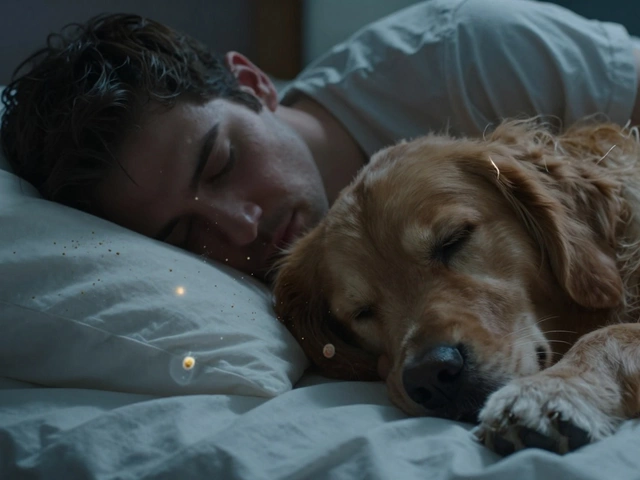
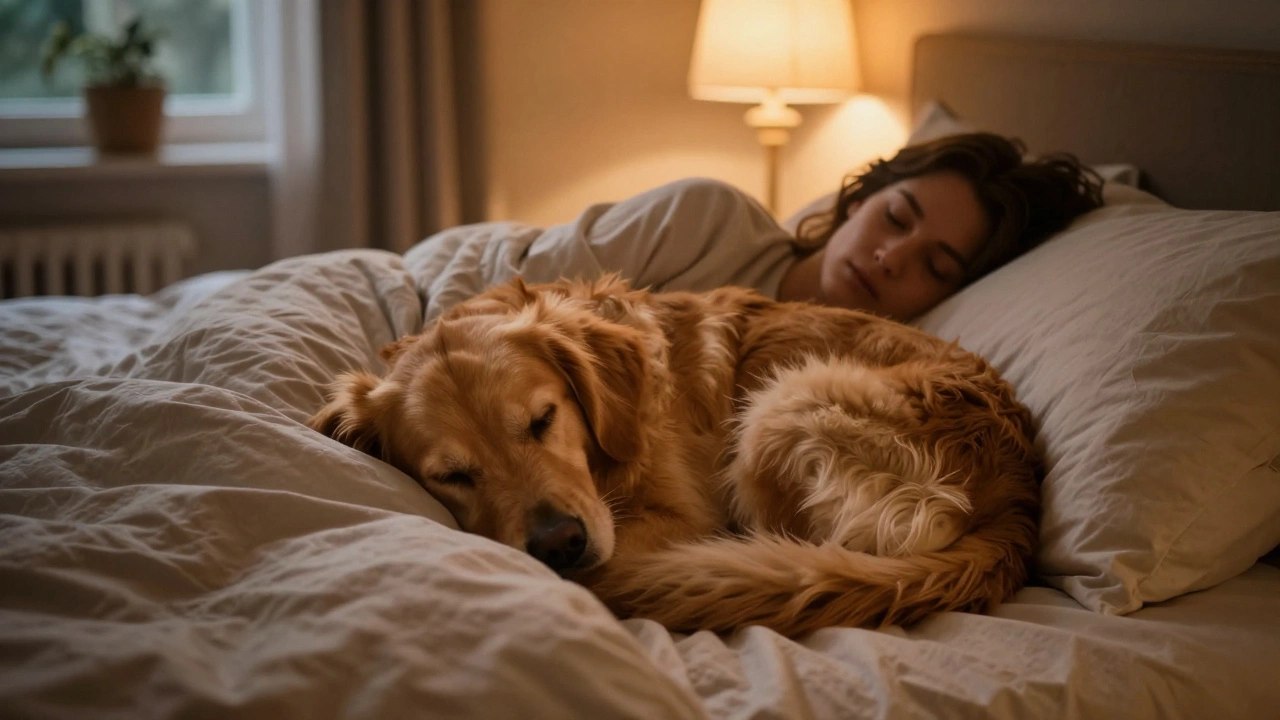
The short answer is yes. Dogs are pack animals by nature, and sleeping next to their favorite person is one of the most significant ways they show affection, seek security, and reinforce social bonds. However, this behavior isn't just about love; it's deeply rooted in biology, temperature regulation, and resource guarding. Understanding why your dog chooses your side of the room can help you create a better sleeping environment for both of you.
The Pack Mentality and Social Bonding
To understand why your dog sleeps at your feet, you have to look back at their ancestors. Wolves and wild canids sleep in tight clusters. This isn't just for warmth; it's a survival mechanism. In the wild, sleeping together allows the pack to monitor threats from multiple directions. If one wolf wakes up, the others know something is wrong.
Dogs have retained this instinct. When your dog sleeps next to you, they view you as part of their pack. You are the leader, the protector, and the source of comfort. By staying close, they feel safe. Research published in the journal Applied Animal Behaviour Science suggests that dogs regulate their stress levels based on proximity to their primary human caregivers. Being near you lowers their cortisol (stress hormone) levels.
This bond is reciprocal. Humans also experience a drop in blood pressure and heart rate when petting or sleeping near their dogs. It’s a mutual comfort zone. But not all dogs behave the same way. Some will sleep right under your chin, while others maintain a respectful distance of two feet. Both behaviors indicate trust, but the closeness often depends on the individual dog’s personality and breed traits.
How to Identify Your Dog’s Favorite Person
If you live with multiple people, you might be curious who holds the title of "favorite." Dogs don't always make this choice obvious, but there are clear behavioral markers. Here is how you can tell if you are the chosen one:
- Sleeping Proximity: The most reliable indicator. If your dog consistently seeks out your bed or couch spot, even when other family members are present, you are likely their top choice.
- Greeting Enthusiasm: Watch how they react when you come home. Do they wag their tail harder? Do they bring you toys? High-energy greetings directed specifically at you signal a strong attachment.
- Eye Contact: Dogs release oxytocin (the love hormone) when making eye contact with their favorite humans. If your dog holds your gaze during calm moments, that’s a sign of deep bonding.
- Checking In: When you move around the house, does your dog follow you from room to room? This "velcro" behavior is common in breeds like Labrador Retrievers and Golden Retrievers, but it applies to any dog who sees you as their anchor.
It’s worth noting that a dog can have more than one favorite person. They may see one person as their playmate and another as their comfort provider. Often, the person who feeds them or walks them takes the lead in daily routines, but the person who offers emotional support during thunderstorms or vet visits becomes the "sleeping partner."
Why They Ignore Their Own Dog Bed
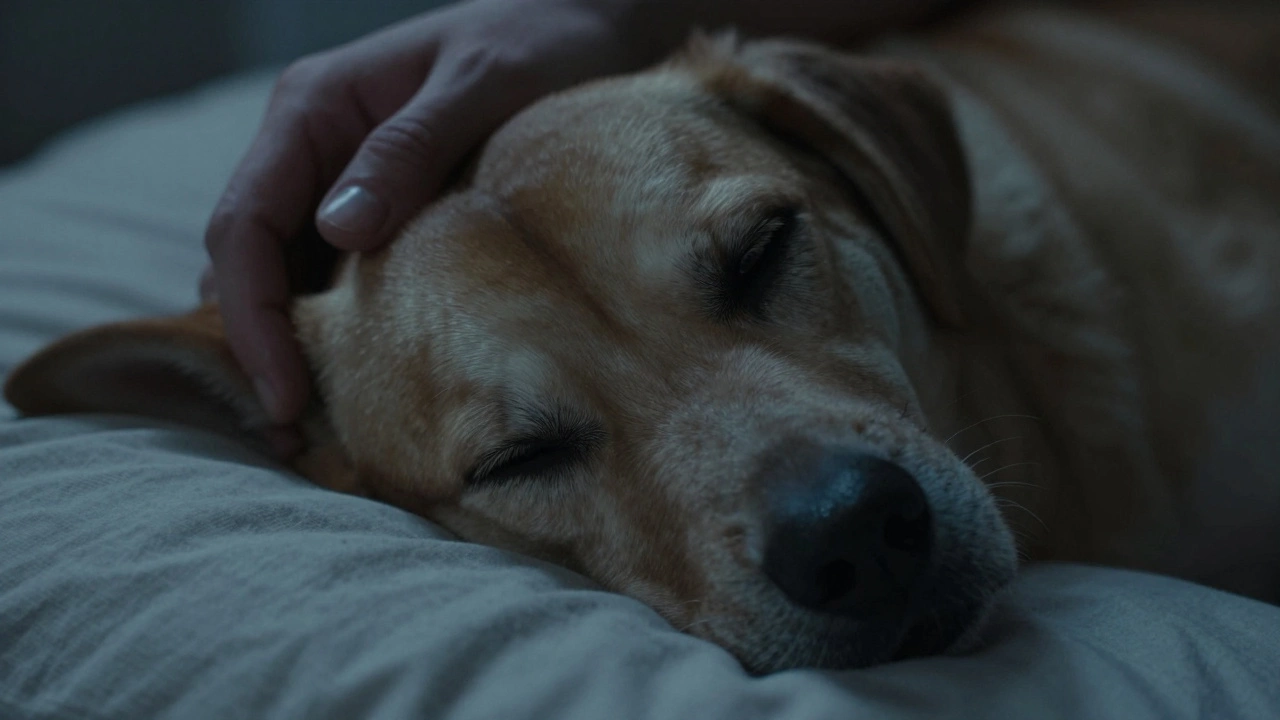
You might be thinking, "I bought them a plush orthopedic bed, so why are they stealing my pillows?" This is a common frustration for dog owners. There are several practical reasons why your dog prefers your mattress over their designated sleeping area.
Temperature Regulation Dogs have a higher body temperature than humans, roughly 101°F to 102.5°F (38.3°C to 39.2°C). While this makes them good heaters for us, it also means they seek out cool surfaces in summer and warm bodies in winter. Your body heat acts as a natural radiator. On cold nights, your dog isn't just being clingy; they are trying to conserve energy by borrowing your warmth. Conversely, in hot weather, they might sleep on the floor next to you because concrete or tile stays cooler than a fluffy bed.
Scent and Familiarity Your bed smells like you. To a dog, scent is everything. Your pillowcase carries your pheromones, which are calming and familiar. A new dog bed, no matter how high-quality, lacks this specific olfactory signature until it has been used extensively. Until then, your bed represents safety and home.
Anxiety and Separation Issues If your dog only sleeps next to you when you are away from home, or if they whine when you leave the room, this could indicate separation anxiety. For these dogs, physical contact is a coping mechanism. They aren't just choosing you because they like you; they are choosing you because being alone triggers panic.
Choosing the Right Sleeping Arrangement
If you want your dog to respect boundaries and use their own bed, or if you simply want to ensure they are comfortable when they do join you, the setup matters. The type of dog bed you provide plays a crucial role in their sleeping habits.
| Bed Type | Best For | Pros | Cons |
|---|---|---|---|
| Orthopedic Foam | Senior dogs, large breeds, arthritic dogs | Joint support, pressure relief | Can retain heat, expensive |
| Bolster/Cave Beds | Anxious dogs, curlers | Security, blocks drafts | Not ideal for sprawlers |
| Cooling Gel Mats | Hot climates, short-haired breeds | Temperature regulation | Less cushioning, not cozy |
| Plush Donut Beds | Puppies, small breeds | Soft, comforting edges | Hard to clean, traps heat |
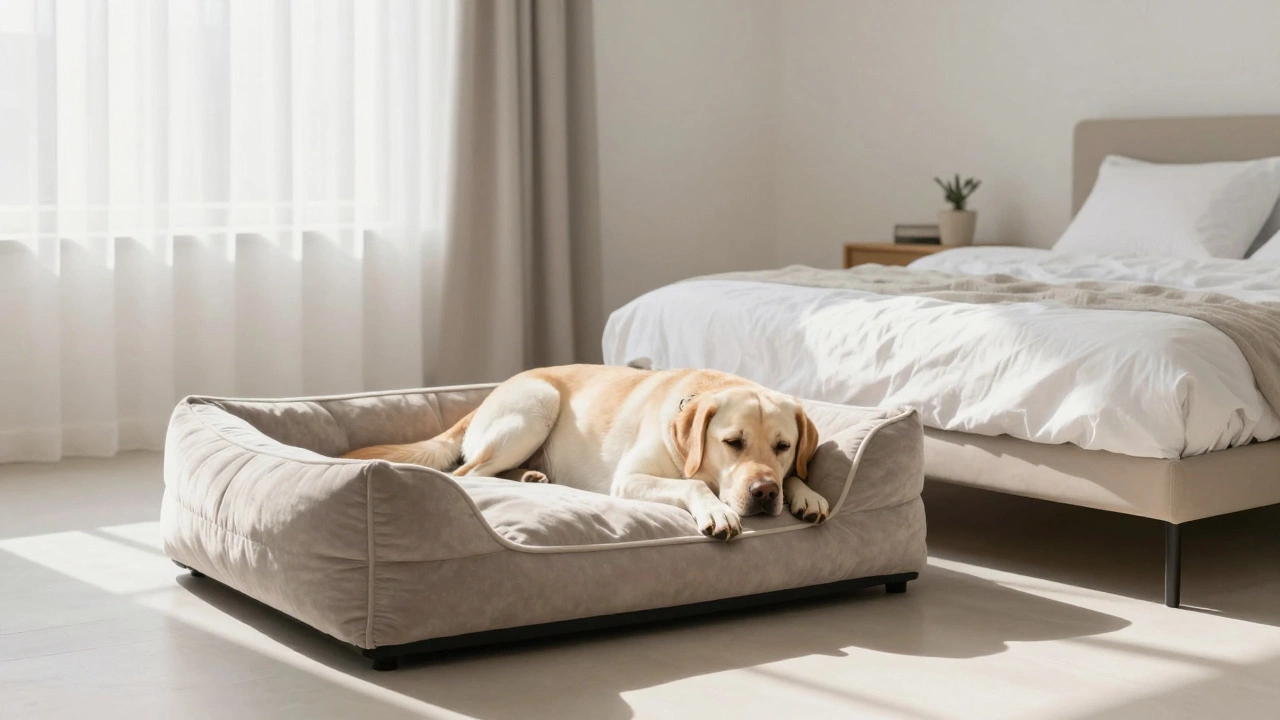
If your dog insists on sleeping with you, consider placing their bed directly adjacent to yours. This creates a "pack cluster" effect without the disruption of them climbing into your sheets. Over time, you can train them to stay on their own bed by rewarding them with treats and praise when they settle down nearby. Consistency is key. If you allow them on the bed some nights and kick them off others, they will become confused and potentially more anxious.
Health and Hygiene Considerations
Sleeping with your dog has benefits, but it also comes with responsibilities. From a hygiene perspective, dogs carry bacteria, parasites, and allergens. If you have asthma or allergies, having a dog in the bedroom can exacerbate symptoms. Dust mites and dander accumulate in bedding, so frequent washing is essential.
Furthermore, consider your dog’s health. Older dogs with mobility issues might struggle to jump onto a high bed, leading to joint strain. In such cases, a ramp or a low-profile bed on the floor is safer. Also, watch for signs of discomfort. If your dog is restless, pacing, or groaning while sleeping next to you, they might be experiencing pain that prevents them from getting comfortable. In these instances, a supportive orthopedic bed placed on the floor might be a healthier option than cuddling on a soft mattress.
Training Your Dog to Sleep Independently
If you value your personal space, you can teach your dog to sleep independently. Start by creating a positive association with their bed. Place their favorite toys and a piece of clothing that smells like you inside it. Feed them meals near the bed to build a positive link.
Use a command like "Go to your bed" and reward them immediately when they comply. Gradually increase the duration they stay there before giving a treat. Never force them into the bed or punish them for coming to yours. Positive reinforcement works best. Remember, patience is vital. Changing a sleeping habit that is rooted in instinct takes time, often weeks or months.
Ultimately, whether your dog sleeps at your feet or in their own crate, the goal is mutual comfort and health. If your dog brings you joy and peace, let them share your space. If you need restful sleep, set gentle boundaries. The bond you share is what matters most, not the square footage of the mattress.
Is it bad for dogs to sleep in the human bed?
No, it is not inherently bad. Many vets and behaviorists agree that co-sleeping can strengthen the bond between dog and owner. However, it may disrupt sleep quality for light sleepers and pose hygiene concerns for those with allergies. Ensure your dog is healthy, parasite-free, and trained to respect boundaries.
Why does my dog sleep at the foot of my bed instead of next to me?
Sleeping at the foot of the bed is a common position for dogs who want to be close but also guard the exit. It allows them to monitor the room while staying within your scent range. It’s a sign of protective instinct and comfort without needing direct physical contact.
How do I stop my dog from sleeping with me?
Start by providing a comfortable alternative, like an orthopedic dog bed placed near yours. Use positive reinforcement to reward your dog for staying on their bed. Be consistent; do not allow exceptions. Gradually move their bed further away if needed, but ensure they still feel part of the pack.
Do dogs dream when they sleep next to their owners?
Yes, dogs experience REM sleep similar to humans, where dreaming occurs. Twitching paws, whiskers, or soft vocalizations are signs of active dreaming. Sleeping next to you likely provides a sense of security that leads to deeper, more restful sleep, potentially resulting in more vivid dreams.
Can sleeping with my dog cause allergies?
Yes, if you are allergic to dog dander, saliva, or fur. Keeping dogs out of the bedroom is often recommended for allergy sufferers. Regular grooming and washing bedding can reduce allergen load, but complete avoidance is usually necessary for severe reactions.