Canine Paw Gesture Decoder
Observe your dog's behavior and select the descriptors that match their current state to decode the meaning of their paw.
Ready to decode?
Select options on the left to analyze your dog's message.
Decoding...
What this means:
Quick Summary: Your dog paws you for various reasons, including seeking attention, showing affection, signaling a need (like food or a walk), or managing their own anxiety. Context is everything-where you are and what's happening around you determine the meaning.
The Need for Attention and Interaction
Most of the time, a paw on the arm is a direct request. Think of it as the canine version of a tap on the shoulder. If you've been scrolling through your phone for twenty minutes and your Dog is a domesticated carnivorous mammal known for its loyalty and social intelligence, they might decide they've had enough of being ignored. They use their paw to physically break your focus and remind you that they exist.
This is especially common in breeds with high drive, like Golden Retrievers or Labrador Retrievers. These dogs are bred to work and interact. When they paw at you, they aren't just being needy; they're initiating a social contract. They want a scratch behind the ears, a game of fetch, or just a quick "good boy." If you respond every time they paw you, you're actually training them to use this specific movement to get what they want. It's a highly effective communication tool that they've learned works on you.
Affection and the "Love Tap"
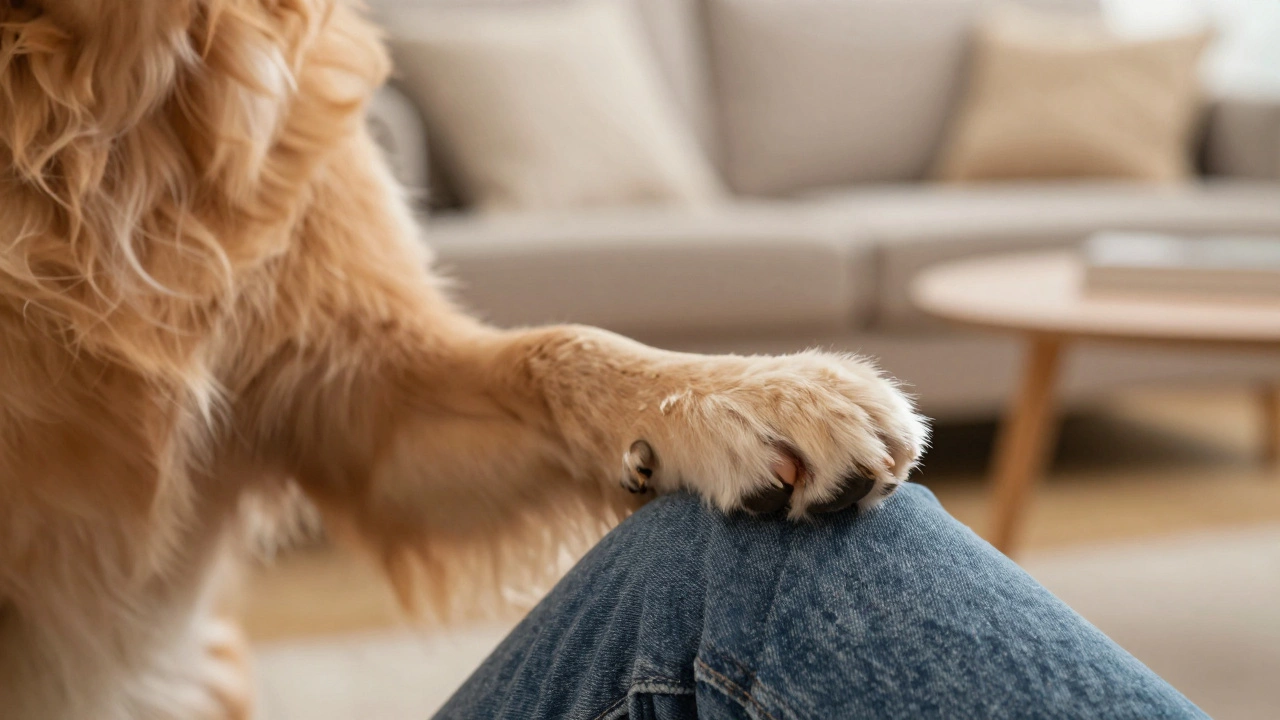
Not every paw touch is a demand. Sometimes, it's a sign of deep emotional bonding. When a dog leans their weight into you and rests a paw on your lap, they are often mimicking the social grooming behaviors seen in Canine packs. In the wild, physical contact reinforces social ties and creates a sense of security.
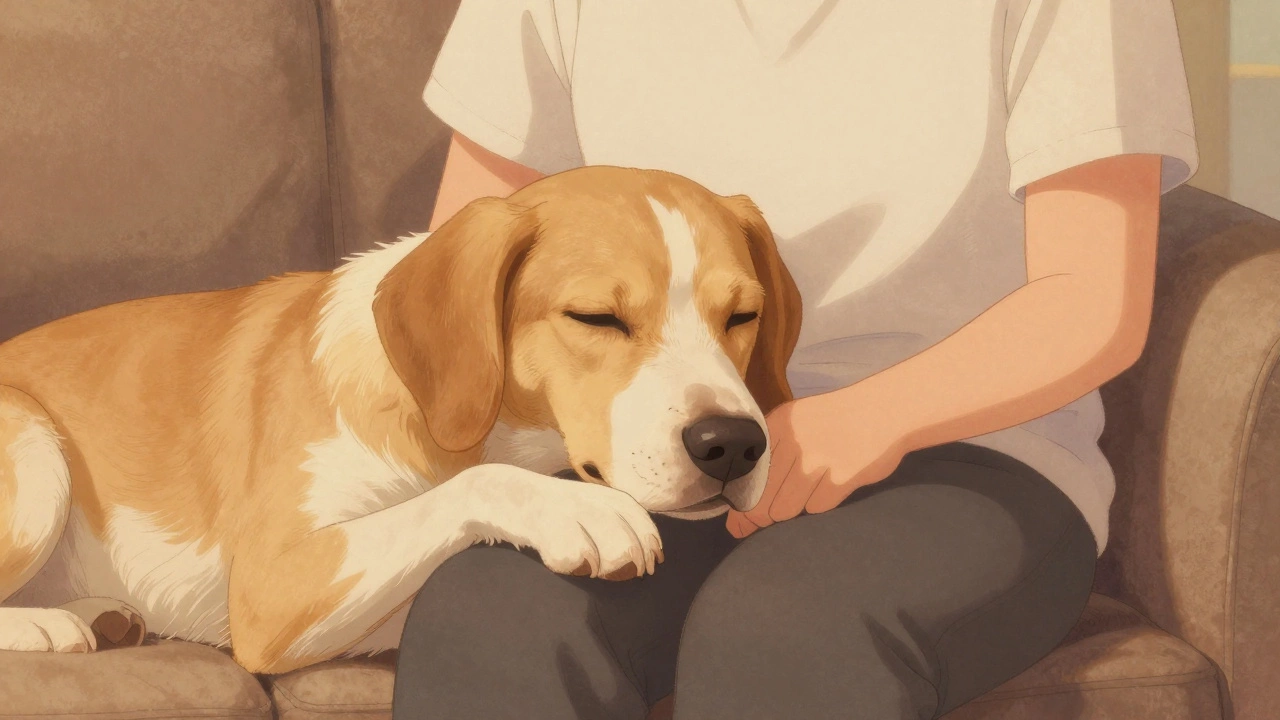
This gesture is often accompanied by "soft eyes"-relaxed eyelids and a slight squint. If your dog is sighing and resting their head near you while keeping a paw on your leg, they are essentially saying, "I feel safe with you." This is a high-trust behavior. They are treating you as a member of their family unit, and the physical touch is a way of maintaining that connection. It's a quiet, peaceful moment of bonding that shows your dog is completely relaxed in your presence.
Communicating Specific Needs
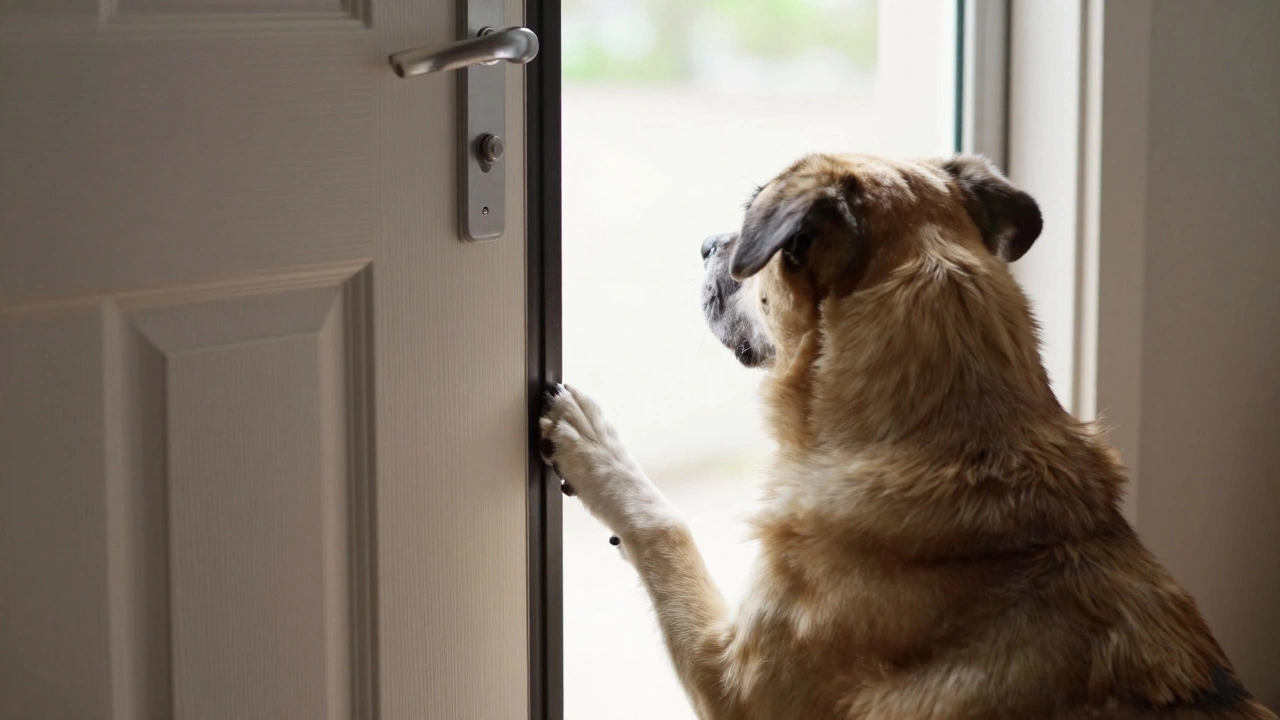
Sometimes the paw is a pointer. If your dog paws at you and then immediately looks toward the door or their food bowl, they're using a combination of physical touch and "gaze cueing." They are trying to direct your attention to a specific object or location. This is common when they need to go outside or when they've noticed their water bowl is empty.
You can tell the difference between an "affection paw" and a "demand paw" by the energy behind the movement. A demand paw is usually quicker, more repetitive, and often accompanied by a whine or a sharp bark. An affection paw is slow, steady, and lingering. If your dog is pawing at you while standing by the door, they aren't looking for cuddles; they're telling you it's time for their walk.
| Feature | Demand Pawing | Affection Pawing |
|---|---|---|
| Speed of Movement | Quick, repetitive taps | Slow, resting placement |
| Eye Contact | Intense, focused on goal | Soft, relaxed, blinking |
| Body Posture | Tense, leaning forward | Loose, leaning weight into you |
| Accompanying Sounds | Whining or short barks | Sighs or silence |
Anxiety, Stress, and Soothing Behaviors
On the flip side, pawing can be a sign of distress. When dogs feel overwhelmed-perhaps during a thunderstorm or when a stranger enters the house-they may paw at their owner for reassurance. This is a "seeking" behavior. By touching you, they are checking to see if you are calm. If you are relaxed, they can use your energy to regulate their own stress levels.
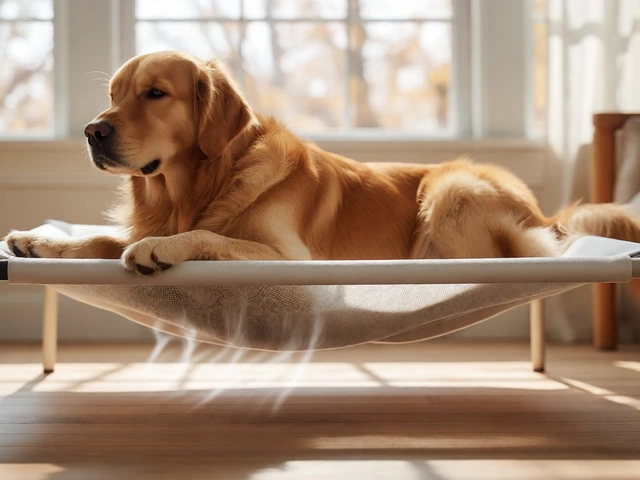
This is where the environment plays a huge role. If your dog is pawing at you while pacing or panting, they are likely anxious. In these moments, the paw isn't a request for a toy; it's a plea for comfort. Providing a safe space, like a high-quality dog bed, can help. A dedicated bed creates a "den" effect, which naturally lowers a dog's cortisol levels and gives them a boundary where they feel secure. When they paw you during stress, they are looking for the safety that the bed provides, but in human form.
The Role of Paws in Marking and Territory
While less common in indoor settings, some dogs use their paws to "claim" a spot. If you're sitting on the couch and your dog paws at the cushion next to you before settling in, they are establishing their place in the social hierarchy. It's a way of saying, "I belong here with you." This is a subtle form of territorial marking, though far less aggressive than marking with scent.
Interestingly, some dogs will paw at you to "move" you. If you're blocking the path to their favorite toy or their bed, a quick paw to the calf is a polite way of saying "Excuse me." It's a functional use of their body to manipulate their environment without needing to bark or nip. Understanding this helps you realize that your dog is actually using a very sophisticated set of social cues to navigate their world.
How to Manage Pawing Behavior
Whether pawing is a sweet gesture or an annoying habit depends on your preference. If your dog's nails are scratching your skin or they're jumping on you, you can shape this behavior without discouraging their affection. The key is to reward the behavior you want and ignore the one you don't.
- Reward the "Settle": When your dog puts a paw on you calmly and then sits, give them praise or a treat. This teaches them that "calm touch" is the goal.
- Ignore the "Demand": If they are pawing rapidly for food, wait until all four paws are on the floor before giving the treat. This breaks the association between "pawing" and "getting a reward."
- Provide Alternatives: Ensure they have a comfortable place to retreat. A supportive orthopedic dog bed is great for older dogs with joint pain who might paw at you because they're uncomfortable and seeking a better position to rest.
- Trim the Nails: Regular grooming prevents the "paw touch" from becoming a "paw scratch." Keep the nails blunt so their communication doesn't hurt you.
Is it bad if my dog paws me constantly?
It's not inherently "bad," but it can be a sign of an overstimulated dog or a dog that has learned you will give in to their demands. If it becomes obsessive, it might be a sign of anxiety or a compulsive behavior that requires a visit to a trainer or vet.
Does pawing mean my dog is trying to protect me?
Sometimes. If a dog puts a paw on you while staring intently at a stranger or a strange noise, they may be "alerting" you. They are essentially putting you on notice that something in the environment requires your attention.
Why does my dog paw me only when I'm sleeping?
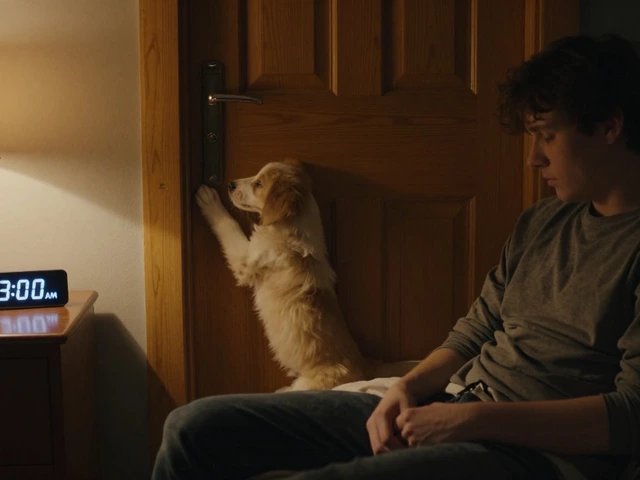
Dogs are very aware of your routines. If they know you're usually awake and active, but you're currently asleep, they may use a paw to "wake" you because they need something-usually a bathroom break or food-and they know this tactile stimulus is the fastest way to get a reaction.
Can pawing be a sign of pain?
Yes. If a dog is pawing at you while licking their joints or shifting their weight constantly, they might be trying to communicate physical discomfort. This is especially true for senior dogs who may have arthritis and find it hard to get comfortable on the floor.
How do I stop my dog from scratching me with their paws?
The best approach is a combination of nail trimming and "off" command training. When they paw you too hard, say "off" and step away. Once they stop and sit, return to them and offer affection. This teaches them that scratching leads to the end of the interaction.
Next Steps for Dog Owners
If you've noticed your dog pawing more often, start by tracking the timing. Does it happen during feeding time? During a storm? When you're on the phone? Once you identify the trigger, you can decide if it's a behavior you want to encourage (like affection) or one you want to curb (like demand pawing). For those with anxious dogs, focusing on creating a safe environment with a calming bed and a consistent routine can significantly reduce the need for "stress pawing." If the behavior is paired with aggression or extreme anxiety, consulting a certified canine behaviorist is the best move.