

Training Method Selector
Select your current training challenge below to see which method professionals typically recommend.
What is your situation?
Long-Distance Recall
Working in open fields or hunting; dog is far away.Reactive/Aggressive Dog
Lunging at triggers; safety is a concern.Basic Obedience
Teaching sit, stay, heel in low-distraction areas.High Distraction Focus
Dog ignores voice commands due to environment noise/sights.Click a scenario on the left to view recommended training methods.
Walk into any working dog field trial or browse through the gear bags of professional trainers, and you will likely spot a small device clipped to a collar. It looks like a walkie-talkie receiver. It is an e-collar, also known as a remote training collar or electronic stimulation collar used for correcting behavior at a distance. For years, these devices have been surrounded by intense debate. To some, they are cruel instruments of pain. To others, they are precise communication tools that save lives. So, why do so many experienced dog trainers still use them?
The answer isn't as simple as "they want to shock their dogs." In fact, most professionals who use e-collars today never use the highest settings. They use them for timing, range, and consistency in environments where verbal commands simply cannot reach the dog. Understanding this distinction requires looking past the stigma and examining the mechanics of modern dog training.
The Myth of the Shock vs. The Reality of Stimulation
The biggest barrier to understanding e-collar usage is the word "shock." Most people imagine a jolt of electricity similar to touching a live wire. That is not how modern units work. A properly fitted e-collar delivers a static correction that feels more like a strong twitch of the skin or a buzzing sensation. Think of it like the vibration mode on your phone, but with a bit more intensity designed to get attention rather than cause injury.
When trainers talk about using an e-collar, they are usually referring to three types of feedback:
- Vibration: A harmless buzz that serves as a reminder or cue.
- Tone: An audible beep that pairs with a command.
- Static Correction: A mild electrical pulse intended to interrupt unwanted behavior.
The key here is intensity. Professional trainers often start at the lowest possible setting-sometimes just enough for the dog to feel a slight tingling. The goal is not to hurt the animal; it is to create a signal that cuts through distraction. If a dog is chasing a deer fifty yards away, a voice command might be lost in the wind. A subtle static pulse ensures the message arrives instantly.
Range: The Practical Advantage in Field Work
Let’s look at the practical side. Why choose an electronic device over a long line or a whistle? The primary reason is range. Whistles can carry sound far, but they require the dog to hear the specific tone and associate it with a command. Verbal commands drop off significantly after twenty feet, especially in noisy environments like parks or busy streets.
E-collars operate effectively up to half a mile or more, depending on the model and terrain. This makes them indispensable for certain breeds and jobs. Consider a Labrador Retriever working in dense marshland during waterfowl hunting. The dog is swimming against the current, focused entirely on retrieving a bird. The trainer needs to correct the direction or recall the dog immediately. A physical leash is impossible. A whistle might not penetrate the sound of splashing water and wind. An e-collar provides an instant, reliable connection regardless of distance.
This utility extends beyond hunting. Service dog trainers use e-collars to manage dogs in open public spaces. Police K9 units rely on them for safety during high-risk apprehensions. In these scenarios, split-second communication is critical. The e-collar acts as a direct line of communication when other methods fail.
Precision and Timing in Behavior Modification
Dog training relies heavily on timing. Dogs live in the present moment. If a dog jumps on a guest, and you scold them five seconds later, they do not connect the scolding to the jump. They connect it to the guest leaving or your tone of voice. The window for effective correction is often less than one second.
Human reaction time is slow. By the time you press a button on a remote, send the signal, and have the dog process the sensation, milliseconds have passed. However, compared to shouting across a yard or waiting for the dog to turn around, the e-collar offers superior precision. It allows the trainer to mark the exact moment the undesirable behavior occurs.
This precision helps in shaping complex behaviors. For example, teaching a dog to heel without a leash involves constant micro-corrections. If the dog drifts left, a gentle pulse reminds them to stay close. Over time, the dog learns to anticipate the correction and self-correct before the pulse even happens. This is known as "pre-emptive compliance." The dog learns to listen to the trainer’s body language and proximity, reducing the need for the device itself.

Safety for Reactive and Aggressive Dogs
One of the most controversial yet valid uses of e-collars is managing reactive or aggressive dogs. Imagine a dog that lunges at every passing cyclist. Keeping such a dog safe requires strict control. Physical corrections, like jerking a leash, can escalate aggression or cause injury to both the dog and the handler. Yelling can increase arousal levels, making the dog more excited and less likely to calm down.
In these cases, a low-level static correction can interrupt the lunge pattern without adding energy to the situation. It breaks the dog’s focus on the trigger (the cyclist) and redirects their attention back to the handler. This interruption creates a space for the trainer to ask for an alternative behavior, like sitting or watching the handler. When done correctly, this reduces stress for the dog because it prevents them from entering a full-blown fight-or-flight response.
It is crucial to note that this should only be done by professionals. Using an e-collar on an aggressive dog incorrectly can worsen the problem. The device must be part of a broader behavior modification plan that includes desensitization and counter-conditioning. It is a tool for management, not a cure for underlying fear or aggression.
The Role of Positive Reinforcement and Ethics
Critics argue that e-collars are inherently aversive and contradict the principles of positive reinforcement. This is a fair concern. Aversive tools, which include prong collars, choke chains, and e-collars, work by adding something unpleasant to decrease a behavior. Positive reinforcement works by adding something pleasant to increase a behavior.
However, many modern trainers integrate e-collars into a primarily positive framework. They use the collar to gain attention or interrupt behavior, then immediately reward the correct action with treats, praise, or play. The e-collar becomes a marker for "pay attention," while the reward drives the desired behavior. This hybrid approach acknowledges that while rewards motivate, sometimes a clear boundary is necessary for safety and clarity.
Ethical use of e-collars depends entirely on the trainer’s skill and intent. Misuse leads to fear, anxiety, and broken trust. Proper use leads to clear communication and improved obedience. The difference lies in education. Trainers who advocate for e-collars usually undergo extensive certification programs that emphasize humane application. They learn to read canine body language and adjust settings based on the individual dog’s sensitivity.
| Tool | Mechanism | Best For | Risks if Misused |
|---|---|---|---|
| E-Collar | Static/Vibration/Tone | Distance work, distractions, reactive dogs | Fear, avoidance, physical irritation |
| Prong Collar | Pressure points on neck | Strong pullers, immediate correction | Neck injury, increased aggression |
| Choke Chain | Airway restriction | Quick stops, basic obedience | Tracheal damage, panic |
| Long Line | Physical restraint | Recall practice, safe exploration | Tangling, limited range |
Legal and Regulatory Landscape in 2026
The conversation around e-collars has shifted significantly in recent years. As of 2026, several countries and regions have banned or restricted the sale and use of electronic collars. In the UK, while not fully banned nationwide, there is growing pressure for legislation following bans in places like Scotland and parts of Europe. Other nations, such as Germany and Austria, have strict laws limiting their use to certified professionals only.
This regulatory shift reflects changing public opinion. Many pet owners now view e-collars as outdated or harmful. Consequently, trainers who use them must be transparent about their methods. They often provide detailed explanations of their protocols and obtain written consent from clients. This transparency helps build trust and ensures that owners understand the purpose and proper use of the device.
For those considering e-collar training, it is essential to check local laws. Even where legal, ethical considerations remain paramount. Choosing a trainer who prioritizes force-free methods whenever possible is always a good starting point. E-collars should be considered a last resort for specific challenges, not a first-line solution for basic obedience.
Alternatives to E-Collars
If you are hesitant about using an e-collar, there are effective alternatives. Long lines allow for hands-on correction at a distance. Whistles can be trained to signal recalls or checks. Marker words paired with high-value treats can reinforce desired behaviors without any aversive component. Clicker training is another powerful method that focuses on rewarding precise actions.
The choice of tool depends on the dog, the environment, and the trainer’s philosophy. Some dogs respond well to gentle vibrations, while others ignore them. Some thrive with purely reward-based methods, while others need clearer boundaries due to high drive or reactivity. There is no one-size-fits-all answer. The best approach is tailored to the individual animal’s needs and temperament.
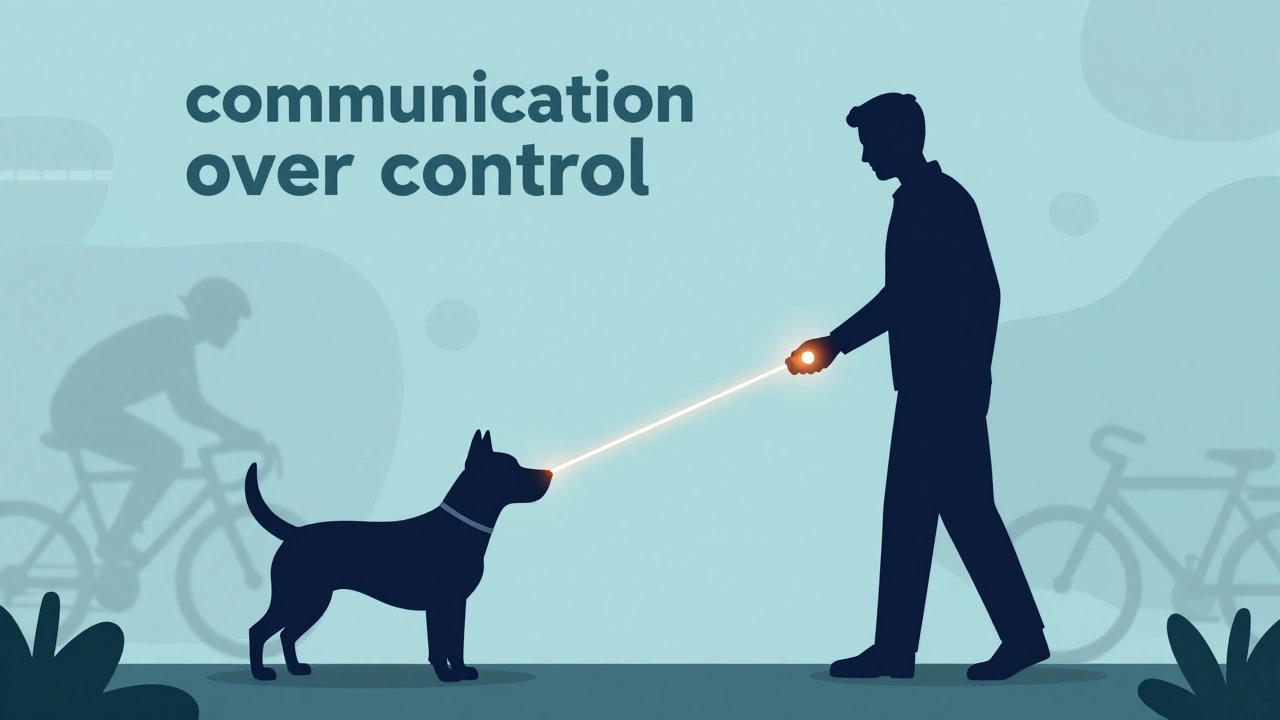
Conclusion: Communication Over Control
So, why do so many dog trainers use e-collars? Because, when used correctly, they offer a unique combination of range, precision, and immediacy that other tools cannot match. They are not magic wands that fix bad behavior overnight. They are communication devices that enhance the bond between handler and dog by providing clear, consistent signals.
The controversy surrounding e-collars stems largely from misuse and misunderstanding. When wielded by skilled professionals who prioritize welfare and ethics, they can be valuable assets in training difficult cases or performing specialized work. For the average pet owner, however, simpler methods often suffice. Always consult with a qualified trainer who can assess your dog’s specific needs and guide you toward the safest, most effective training path.
Are e-collars illegal in the UK?
As of 2026, e-collars are not banned nationwide in England and Wales, but they are prohibited in Scotland. Their use is increasingly regulated, and many professional bodies discourage their use by non-certified individuals. Always check current local regulations before purchasing or using one.
Do e-collars hurt dogs?
When used correctly at low settings, e-collars should not cause pain or physical harm. The sensation is typically described as a mild static tingle or vibration. However, improper use, such as using high settings or fitting the collar too loosely, can cause discomfort, skin irritation, or psychological distress.
Can I use an e-collar on my puppy?
Most experts recommend waiting until a dog is at least six months old before introducing an e-collar. Puppies are still developing physically and emotionally, and harsh corrections can interfere with their socialization and learning. Focus on positive reinforcement and basic cues during the early stages.
What is the difference between an e-collar and a shock collar?
The terms are often used interchangeably, but "e-collar" is the preferred term among professionals because it encompasses various modes of feedback, including vibration and tone. "Shock collar" implies only painful electrical stimulation, which misrepresents how modern devices are typically used in responsible training contexts.
How do I choose a reputable e-collar trainer?
Look for trainers with certifications from recognized organizations like APDT, CCPDT, or equivalent bodies in your region. Ask about their philosophy, whether they use force-free methods first, and request references. A good trainer will explain their process clearly and prioritize your dog’s welfare above all else.