
Dog Food Cost Comparison Calculator
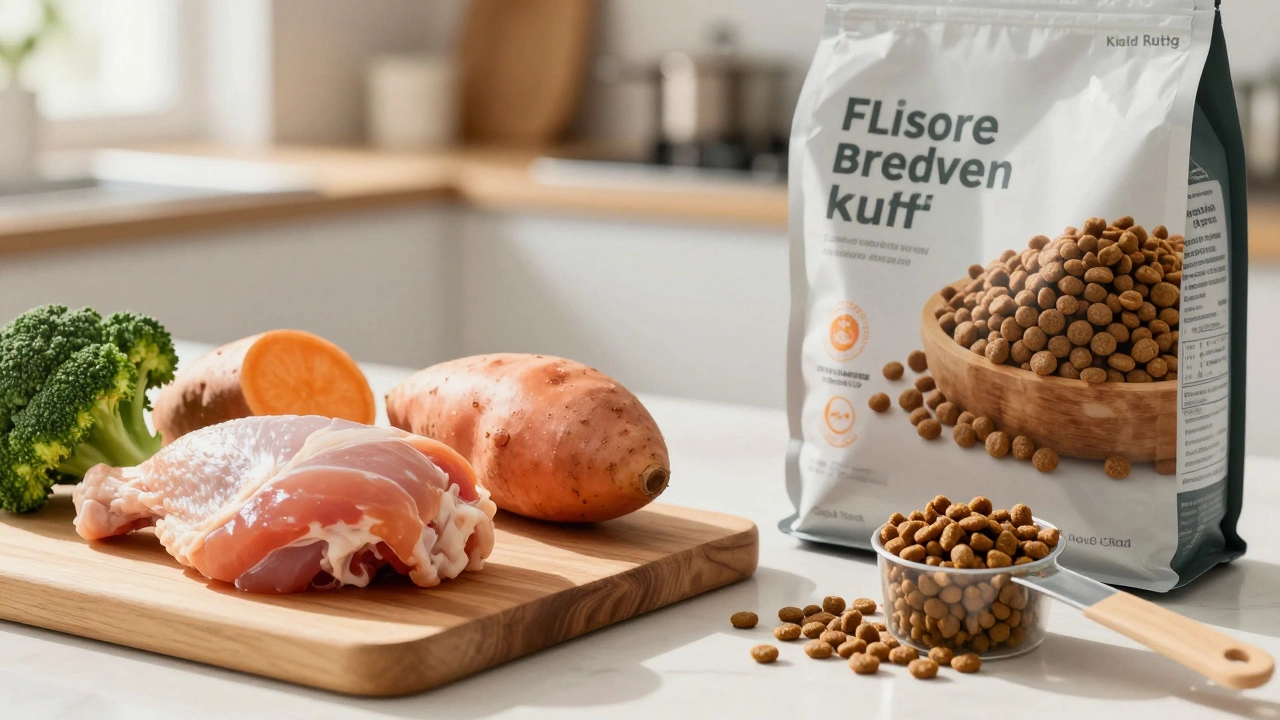
You’ve probably seen the Instagram posts: a beautiful bowl of fresh chicken, sweet potatoes, and broccoli served to a happy golden retriever. The caption usually reads something like, "Save money and give your dog better health with homemade meals." It sounds too good to be true. And honestly? For most of us, it is.
When you look at the price tag on premium kibble or raw diets, making your own dog food seems like an obvious way to cut costs. You buy ingredients in bulk, right? But when you actually sit down with a calculator and factor in time, waste, and nutritional balance, the numbers tell a very different story. Let’s break down exactly what it costs to feed your dog homemade versus store-bought options, so you can make a decision based on facts, not just vibes.
The Hidden Costs of Homemade Dog Food
To understand if homemade is cheaper, we first need to define what "cheaper" means. Is it just the grocery bill? Or does it include your time, the electricity for cooking, and the cost of supplements? Most people only calculate the ingredient cost. This leads to a dangerous misconception.
Homemade dog food is a diet prepared by owners using whole food ingredients rather than commercially processed pet food. While it offers control over quality, it requires significant labor and precise formulation to avoid deficiencies.
If you simply cook leftover rice and chicken for your dog, you might save a few pounds a week. But that isn’t a complete diet. Dogs need specific ratios of protein, fat, carbohydrates, vitamins, and minerals. Without these, you’re looking at long-term vet bills that will dwarf any short-term savings. To make it safe, you need to follow a veterinary-approved recipe, which often includes expensive supplements like calcium carbonate, fish oil, and multivitamins specifically designed for dogs.
Let’s look at the real-world math for a medium-sized dog (around 20kg / 44lbs) eating a balanced homemade diet.
- Protein: Chicken thighs or beef mince are affordable, but lean meats get pricey. Expect to spend £15-£20 per week on meat alone.
- Vegetables & Carbs: Sweet potatoes, carrots, spinach, and brown rice. These are cheap, around £3-£5 per week.
- Supplements: This is the game-changer. Calcium powder, zinc, iodine, and vitamin E can cost £5-£10 per month. That’s roughly £1.50 per week.
- Total Weekly Ingredient Cost: Approximately £20-£25.
Now, compare that to a high-quality dry kibble. A 15kg bag of premium brand kibble costs around £40-£50. If your dog eats about 250g a day, that bag lasts roughly two months. That’s £10-£12.50 per week. Even mid-range kibble often comes in under £8 per week. The ingredient cost of homemade food is typically 2x to 3x higher than commercial kibble.
Time Is Money: The Labor Factor
We rarely put a price tag on our own time, but we should. Making homemade dog food isn’t just tossing ingredients into a pot. It involves shopping for multiple types of produce, cleaning vegetables, cooking proteins thoroughly, cooling them down, portioning out daily meals, and freezing them properly to prevent bacterial growth.
For a single dog, this might take 2-3 hours every week. If you have two dogs, double that. At even a modest hourly wage, that’s £10-£15 worth of labor every week. When you add that to the ingredient cost, homemade food becomes significantly more expensive than buying a bag of kibble from Tesco or Sainsbury’s.
There’s also the issue of waste. Humans eat leftovers; dogs don’t always finish their plates. If you cook a large batch and some spoils before you use it, that’s pure loss. Commercial food has a shelf life of months, reducing waste to near zero.
Nutritional Balance: The Risk of Saving
This is where the conversation shifts from money to health. Dog nutrition is the study of dietary requirements for canine health, including macronutrients and micronutrients. Unlike humans, dogs cannot thrive on a limited variety of foods without supplementation.
A common mistake is thinking that because you wouldn’t eat a plain chicken breast all day, your dog shouldn’t either. Actually, dogs do better on repetition than variety. Their digestive systems are adapted to process consistent nutrients. However, they still need a wide range of micronutrients.
Many owners who try to save money by skipping supplements end up with dogs suffering from hypocalcemia (low calcium), which can lead to seizures and bone issues. Others see skin problems due to fatty acid deficiencies. Treating these conditions costs hundreds, if not thousands, of pounds. So, while the weekly grocery bill might look similar, the risk-adjusted cost of homemade food is much higher unless you consult a veterinary nutritionist.
| Expense Category | Homemade Diet | Premium Kibble | High-End Raw/Fresh |
|---|---|---|---|
| Ingredients/Product | £20 - £25 | £8 - £12 | £25 - £35 |
| Supplements/Add-ons | £1.50 - £3 | £0 (Included) | £0 (Included) |
| Time/Labor (Est. Value) | £10 - £15 | £0 | £0 |
| Total Weekly Cost | £31.50 - £43 | £8 - £12 | £25 - £35 |
As you can see, homemade food is rarely the cheapest option. It sits somewhere between mid-range kibble and high-end subscription services like Ollie or NomNomNow. If your goal is purely financial savings, kibble wins hands down.

When Does Homemade Make Sense?
If homemade is more expensive and more work, why do people do it? There are valid reasons, though they aren’t usually about saving money.
Medical Necessity: Some dogs have severe allergies or intolerances to common kibble ingredients like chicken, wheat, or soy. In these cases, homemade food allows you to control every ingredient. You might use novel proteins like duck or venison, which are expensive, but necessary for your dog’s survival. Here, the cost is justified by health outcomes.
Ingredient Transparency: Many owners distrust the processing methods of commercial brands. They want to know exactly what goes into their dog’s body. This peace of mind has value, even if it costs more. It’s similar to buying organic produce for yourself-you pay more for perceived safety and quality.
Picky Eaters: Some dogs refuse to eat dry kibble. Trying different brands can be costly and frustrating. Cooking a simple, palatable meal might be the only way to ensure they eat enough calories. In this scenario, homemade food prevents weight loss and malnutrition, which again, saves money on vet visits.
Cheap Alternatives to Consider
If you want to improve your dog’s diet without breaking the bank, there are middle-ground options.
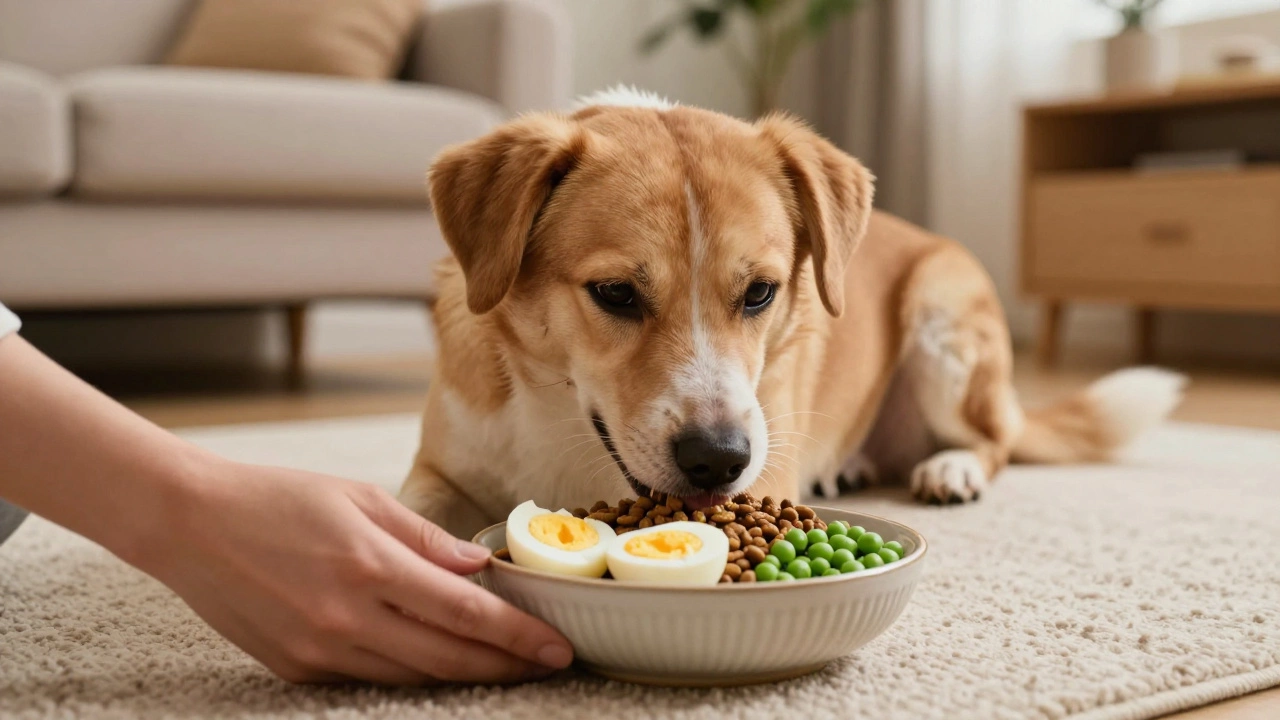
- Topper Method: Buy a high-quality, affordable kibble as the base (75% of the diet). Then, add a small amount of fresh cooked meat, veggies, or eggs as a topper (25%). This boosts nutrition and flavor without the full cost of homemade meals.
- Bulk Buying: Join a local butcher’s club or buy meat in bulk during sales. Freeze it in portions. This lowers the cost of homemade food slightly, but doesn’t eliminate the labor cost.
- Mid-Range Kibble: Not all kibble is created equal, but you don’t need the most expensive brand. Look for brands with named meat sources (e.g., "chicken meal" instead of "meat by-products") and avoid fillers like corn and wheat if possible. Brands like Pedigree or Purina Pro Plan offer decent nutrition at reasonable prices.
Common Myths About Dog Food Costs
Let’s debunk a few ideas you might hear online.
"Kibble is filled with junk." While some low-end kibbles use fillers, reputable brands formulate their food to meet strict nutritional standards set by organizations like the FEDIAF (European Pet Food Industry Federation). They undergo rigorous testing. Homemade food, unless formulated by a professional, often lacks this consistency.
"Raw feeding is cheaper." Raw feeding is notoriously expensive. You need to buy raw bones, organs, and muscle meat in specific ratios. It’s also risky due to bacteria like Salmonella and E. coli. Unless you’re a farmer with access to free meat, raw diets are one of the most costly ways to feed a dog.
"I can just give my dog table scraps." Never do this. Table scraps are unbalanced and often contain toxic ingredients like onions, garlic, or grapes. This leads to obesity and nutrient deficiencies, costing far more in the long run.
Final Verdict: Is It Worth It?
So, is it cheaper to make your own dog food? No. Not if you account for ingredients, supplements, and your time. Commercial kibble remains the most cost-effective way to feed a healthy dog. It’s convenient, consistent, and nutritionally complete.
However, if you have the budget and the time, homemade food can be a rewarding experience. It strengthens the bond with your dog and ensures you know exactly what they’re eating. Just don’t start doing it expecting to save money. Start it because you want to provide a specific type of care, and accept that it will cost more.
If you’re worried about cost, focus on finding a reliable, affordable kibble brand and adding occasional fresh treats. That gives you the best of both worlds: economic efficiency and nutritional enhancement.
How much does it cost to feed a dog homemade food per month?
For a medium-sized dog, expect to spend between £80 and £170 per month on ingredients and supplements. This does not include the value of your time spent preparing the meals.
Can I save money by feeding my dog rice and chicken?
While rice and chicken are cheap, they are not a complete diet. Long-term, this can lead to serious health issues like calcium deficiency, which will cost far more to treat than the money you saved on food.
Is homemade dog food healthier than kibble?
It can be, if formulated correctly by a veterinary nutritionist. However, many homemade diets lack essential nutrients. High-quality commercial kibble is scientifically tested to meet all nutritional needs, making it safer for most owners.
What is the cheapest way to feed a dog healthy food?
Buying large bags of reputable mid-range kibble and storing them properly is the most cost-effective method. Adding small amounts of boiled eggs or frozen peas as toppers can enhance nutrition without significantly increasing costs.
Do I need supplements if I make my own dog food?
Yes, almost certainly. Whole foods alone rarely provide the correct balance of calcium, phosphorus, and other micronutrients required for canine health. Skipping supplements can lead to life-threatening deficiencies.