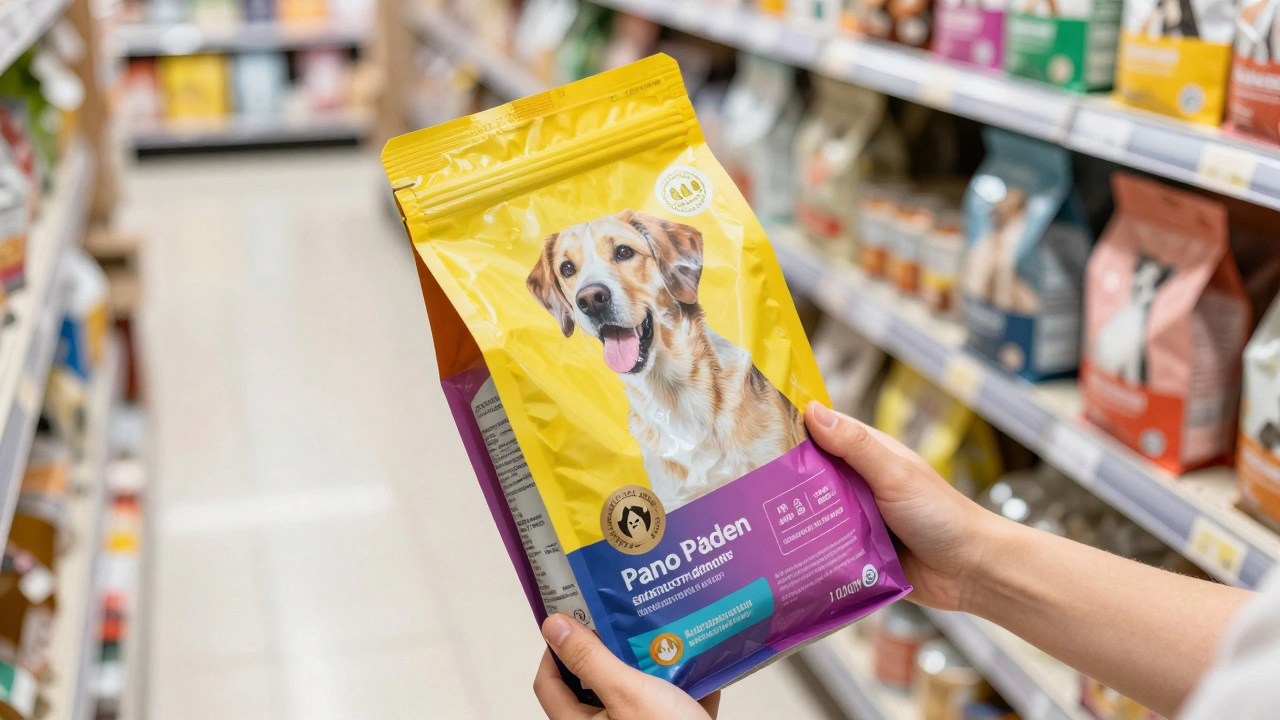
You're standing in the pet aisle, looking at a colorful bag of Beneful, and wondering if it's actually a good choice for your pup. It's an affordable, widely available brand, but the ingredient list can look like a chemistry textbook if you aren't used to reading pet food labels. The real question isn't just "is it okay," but whether it provides the balanced nutrition your dog needs to thrive without filling their belly with unnecessary additives.
Quick Takeaways on Beneful
- Affordability: One of the most budget-friendly options in big-box stores.
- Palatability: High flavor profile that most picky eaters love.
- Ingredient Concerns: Contains artificial colors, flavors, and preservatives.
- Nutrition: Meets AAFCO basic standards but lacks high-quality protein density.
Breaking Down the Beneful Formula
To figure out if Beneful dog food is a fit for your pet, we have to look at what's actually inside the bag. Beneful is a commercial dog food brand owned by the global pet care company Big Heart (now part of Nestlé Purina). It is positioned as a "value" brand, meaning it's designed to be accessible to a wide range of owners.
When you look at the labels, you'll see that the primary protein source varies by recipe, but it often uses a mix of meat and meat by-products. While by-products are a great way to reduce waste and provide essential minerals, they aren't as nutrient-dense as whole muscle meat. You'll also find Corn Gluten Meal and soy protein isolate, which are used to bump up the protein percentage without using expensive meat cuts.
The most controversial part of the Beneful formula is the addition of artificial colors. Why does dog food need to be bright red or orange? Your dog can't see those colors the way we do. These dyes are added for the benefit of the human buyer, not the dog. In some sensitive dogs, these dyes can trigger skin allergies or digestive upset.
How It Measures Up Nutritionally
If you're worried about your dog getting "enough" of the good stuff, the good news is that Beneful generally meets the standards set by the AAFCO (Association of American Feed Control Officials). This means it provides the minimum required calories, proteins, fats, and vitamins to keep a dog alive and functioning.
However, there is a big difference between "meeting minimums" and "optimal nutrition." Many high-end diets focus on biologically appropriate ratios, whereas value brands like Beneful use a higher percentage of fillers. Fillers are ingredients like corn, wheat, and soy that provide calories but don't offer the same amino acid profile as animal proteins. If your dog is highly active or an athlete, they might need a diet with a higher concentration of animal-based protein than what you'll find here.
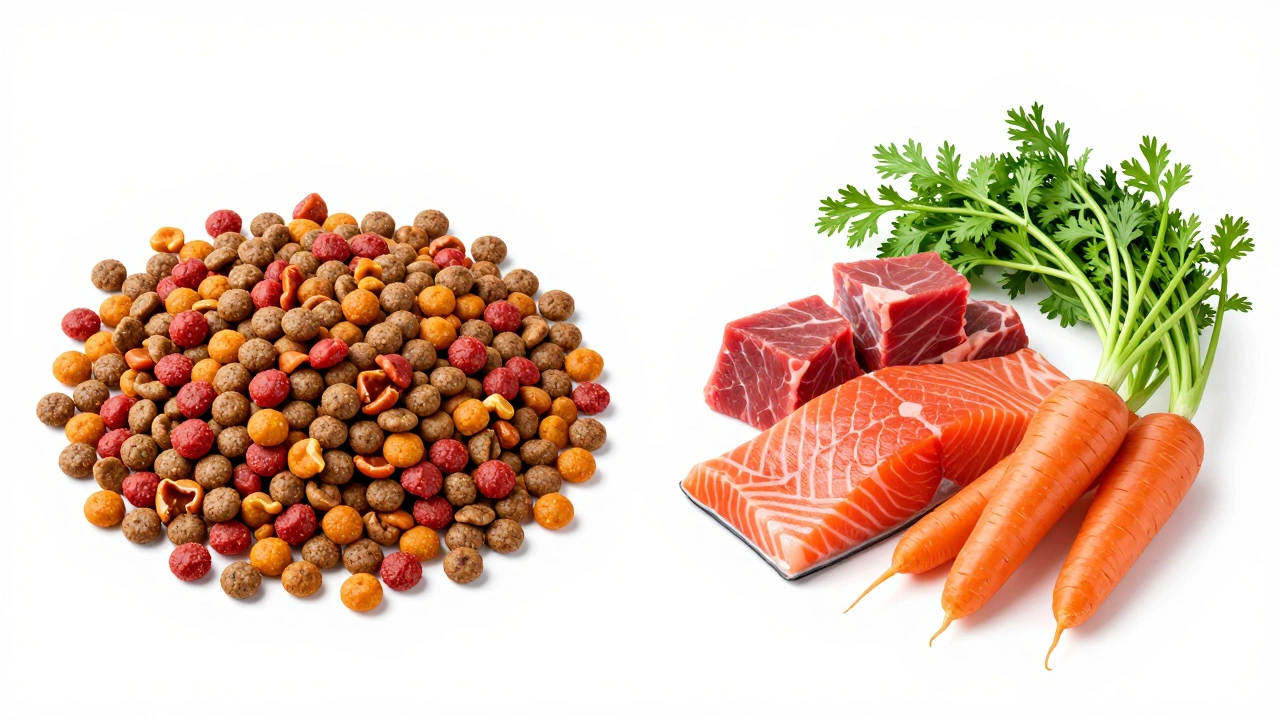
| Attribute | Beneful (Value) | Premium / Limited Ingredient |
|---|---|---|
| Primary Protein | Meat by-products & Plant proteins | Whole muscle meats (Salmon, Beef) |
| Additives | Artificial colors & flavors | Natural preservatives (Tocopherols) |
| Cost per lb | Low | Moderate to High |
| Digestibility | Moderate | High |
Potential Red Flags and Allergies
Not every dog reacts the same way to the same food. Some pups can eat Beneful for ten years and be perfectly healthy, while others might struggle. The most common issue owners report is the "stinky poop" syndrome. Because there are more fillers and artificial components, some dogs don't absorb the food as efficiently, leading to larger, softer, and smellier stools.
If your dog has a known allergy to Corn or Soy, Beneful is likely a bad choice. Many dogs suffer from grain sensitivities that manifest as itchy paws, chronic ear infections, or flaky skin. If you notice your dog licking their paws more than usual after switching to a value brand, the fillers could be the culprit.
Another point of concern is the use of BHA (Butylated Hydroxyanisole) or similar synthetic preservatives in some budget lines. While approved by regulators, some pet owners prefer Mixed Tocopherols (a fancy name for Vitamin E) as a more natural way to keep the fats in the food from going rancid.
Who Is Beneful Actually "Ok" For?
Let's be real: not everyone can afford a $80 bag of boutique organic dog food. For many families, Beneful is a practical solution. It is "ok" for the average, healthy adult dog with no known allergies and a sturdy digestive system. If your dog is at a healthy weight, has a shiny coat, and plenty of energy, there is no immediate need to panic if they are eating this brand.
However, if you're feeding a puppy, you might want to be more cautious. Puppies are in a critical growth phase where the quality of protein and the balance of calcium and phosphorus are vital. Using a food with too many fillers during this window can occasionally lead to developmental gaps, though Beneful does have specific puppy formulas designed to address this.
If you're on a tight budget but want to improve your dog's diet, you don't have to switch brands entirely. A great pro tip is to "top off" a value food. Add a spoonful of plain Greek yogurt, some steamed carrots, or a bit of boiled chicken to the bowl. This adds fresh, whole-food nutrients to the processed kibble, giving your dog a bit more of the biological goodness they crave.

Making the Switch: Do it Slowly
Whether you're starting Beneful or moving away from it to something else, the biggest mistake people make is changing the food overnight. This is a recipe for disaster in the form of diarrhea and vomiting. Your dog's gut microbiome-the colony of bacteria that helps them digest food-needs time to adapt to new ingredients.
- Days 1-3: Mix 25% of the new food with 75% of the old food.
- Days 4-6: Move to a 50/50 split.
- Days 7-9: Use 75% new food and 25% old food.
- Day 10: Full transition to the new diet.
If you see any signs of loose stools or lethargy during this process, slow down. Hold the current ratio for another two days before increasing the amount of the new food again.
Does Beneful contain fillers?
Yes, Beneful uses ingredients like corn, wheat, and soy. While these provide energy and some protein, they are considered fillers because they are less nutrient-dense than animal proteins. This helps keep the cost of the food low while still meeting basic nutritional requirements.
Is Beneful good for puppies?
Beneful makes puppy-specific formulas that meet the basic caloric and mineral needs of growing dogs. However, because puppies have higher nutritional demands for brain and bone development, many vets recommend a higher-protein, lower-filler diet during the first year of life.
Why does my dog love Beneful so much?
The brand uses a variety of flavor enhancers, artificial colors, and smells that are designed to be highly attractive to dogs. It's essentially the "fast food" of the dog world-tastes great and is satisfying, but isn't the most nutrient-dense option available.
Can artificial dyes in dog food cause allergies?
In some dogs, yes. While not every dog reacts to them, synthetic dyes (like Red 40 or Yellow 5) can trigger inflammatory responses in sensitive pets. This often looks like itching, red paws, or ear infections.
Is it safe to feed Beneful long-term?
For most healthy dogs, it is safe as it meets AAFCO guidelines. However, long-term use of foods with high filler content and artificial additives may not be ideal for dogs prone to obesity or chronic health issues like diabetes.
Next Steps for Pet Parents
If you're happy with your dog's current health on Beneful, there's no need for an emergency switch. But if you've noticed a decline in coat quality or a change in energy levels, consider a gradual upgrade. Start by looking for a "Limited Ingredient Diet" if you suspect allergies, or a brand that lists a whole meat (like "Deboned Chicken") as the very first ingredient.
Always keep an eye on your dog's weight. Because value foods often have more carbohydrates from corn and soy, it's easier for dogs to accidentally overeat and put on weight. Use a measuring cup rather than "eyeballing" the scoop to ensure you're not overfeeding those extra calories.