
Dog Training Session Calculator
Recommended Plan
Select your dog's profile and click "Get Recommendation" to see the ideal training schedule.
There is a specific moment in every dog training session where the dynamic shifts. One second, your dog is locked in, ears perked, waiting for the next cue. The next, they are sniffing the floor, looking at a leaf, or simply ignoring you entirely. This isn’t because your dog is being stubborn; it’s because their mental battery has drained. Understanding exactly how long a dog training session should last is the single biggest factor in whether you build a reliable companion or create frustration for both of you.
Most owners overestimate their dog's ability to focus. We project our own adult-level concentration onto animals who live in the present tense. If you push past that natural limit, you aren't teaching; you're nagging. The result? A dog who associates commands with stress rather than reward. Getting the timing right transforms training from a chore into a game your dog actually wants to play.
The Science Behind the Clock: Attention Spans Explained
To set realistic expectations, we need to look at canine cognition. Unlike humans, who can force themselves to focus on a spreadsheet for hours, dogs operate on impulse and immediate feedback. Their brains are wired for high-intensity bursts of activity followed by rest. When we talk about canine attention spans, we are talking about the window of time a dog can actively process new information without becoming distracted or stressed.
This window varies drastically based on age, breed, and environment. A young puppy’s brain is still developing the neural pathways required for sustained focus. An adult working breed might have a longer leash on their concentration, but even they have limits. Pushing beyond these biological constraints leads to "learned helplessness," where the dog stops trying because they feel they cannot succeed. It’s not just about time; it’s about quality. Ten minutes of focused work is infinitely more valuable than an hour of repetitive drills that yield diminishing returns.
The goal is to end the session while the dog is still engaged. You want them thinking, "That was fun! I want to do more!" rather than, "Finally, it’s over." This positive association ensures they are eager for the next lesson.
Puppy Training: Short Bursts, High Frequency
If you are raising a puppy, patience is your most valuable tool. Puppies have incredibly short attention spans, often measured in seconds rather than minutes. For a puppy under six months old, a training session should rarely exceed five minutes. In fact, many experts recommend breaking this down further into several one-to-two-minute micro-sessions throughout the day.
Why so short? Because puppies are also learning socialization cues, housebreaking rules, and how to navigate the world physically. Their cognitive load is already high. Adding complex obedience commands to a tired or overstimulated puppy is a recipe for failure. Focus on high-value rewards-like small pieces of chicken or cheese-and keep the criteria low. If you are asking for a "sit," make sure they get it right three times in a row before moving on.
- 8-12 weeks: 1-2 minutes per session, 3-5 times a day. Focus on name recognition and basic cues like "sit" or "come."
- 3-6 months: 3-5 minutes per session. You can introduce slightly more complex behaviors like "down" or "stay" for short durations.
- Key Rule: Always end on a success. Even if the session was rough, ask for something easy they know well, give a big reward, and call it quits.
Consistency beats duration here. Five minutes of practice five times a day is far superior to one thirty-minute marathon that leaves the puppy exhausted and confused.
Adult Dogs: Finding the Sweet Spot
Once your dog reaches adulthood (usually around one year of age, depending on size), their attention span lengthens significantly. They have better impulse control and a deeper understanding of cause and effect. For most adult dogs, the ideal dog training session duration falls between ten and fifteen minutes.
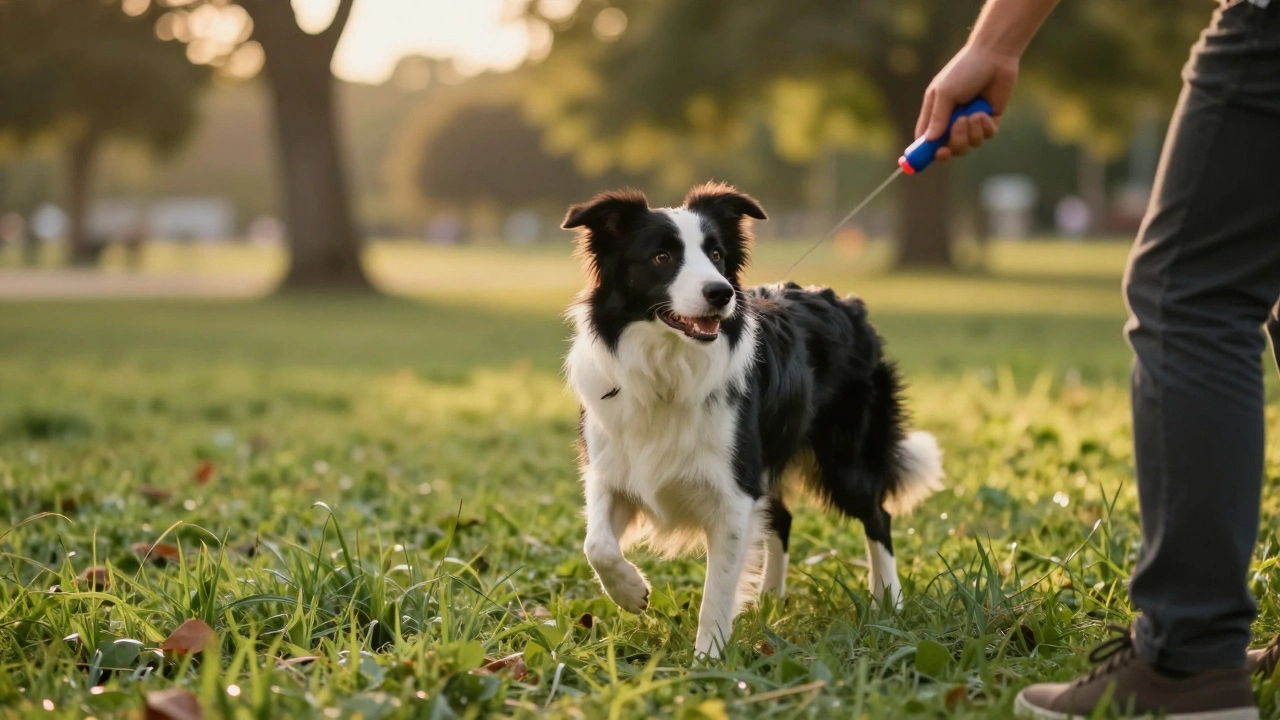
This timeframe allows enough time to warm up, review known commands, introduce one or two new concepts, and cool down with a game or free play. However, "adult" doesn't mean "infinite focus." Breeds matter immensely here. A Border Collie might happily train for twenty minutes straight, driven by their work ethic. A Bulldog might lose interest after seven minutes, preferring to nap instead. You must tailor the length to your individual dog’s personality and energy levels.
It is also crucial to distinguish between training and practice. Training involves teaching something new or refining a behavior that isn't yet solid. Practice is reinforcing what they already know. You can practice commands during walks, meals, and playtime indefinitely. But dedicated training sessions-where you are actively shaping behavior-should stick to that ten-to-fifteen-minute window to maintain high engagement.
Breed Differences: Working Lines vs. Companion Breeds
Not all dogs are created equal when it comes to training stamina. Genetic predispositions play a massive role in how long a dog can hold attention. Working breeds, such as German Shepherds, Labrador Retrievers, and Herding dogs, were bred for jobs that require sustained focus and cooperation with humans. These dogs often thrive on longer sessions, sometimes up to twenty minutes, provided the content remains engaging and challenging.
Conversely, sighthounds like Greyhounds or independent breeds like Huskies may struggle with traditional sit-stay-down routines. They often prefer movement-based training or shorter, high-energy bursts. Forcing a Husky into a twenty-minute obedience drill is likely to result in rebellion. Instead, break their training into five-minute segments interspersed with running or scent work.
| Dog Category | Recommended Session Length | Frequency | Focus Area |
|---|---|---|---|
| Puppy (Under 6 Months) | 1-5 Minutes | 4-6 Times Daily | Name, Sit, Come, Socialization |
| Companion Breed (e.g., Pug, Basset) | 5-10 Minutes | 2-3 Times Daily | Manners, Leash Walking, Recall |
| Average Adult Dog | 10-15 Minutes | 1-2 Times Daily | Obedience, Tricks, Impulse Control |
| Working/Herding Breed | 15-20 Minutes | 1-2 Times Daily | Complex Sequences, Agility, Jobs |
Understanding these differences prevents you from comparing your dog to someone else’s. Your dog’s ideal session length is unique to their genetics and current life stage.
Signs Your Session Has Run Too Long
You don’t need a stopwatch to know when to stop. Your dog will tell you. Learning to read these body language cues is essential for effective training. If you ignore these signs, you risk damaging the trust and enthusiasm you’ve built.
Watch for subtle indicators first. Is your dog blinking excessively? Do they suddenly turn their head away when you give a command? Are they licking their lips repeatedly (a calming signal)? These are early warnings that your dog is feeling pressure or losing focus. If you see these, shorten the session immediately.
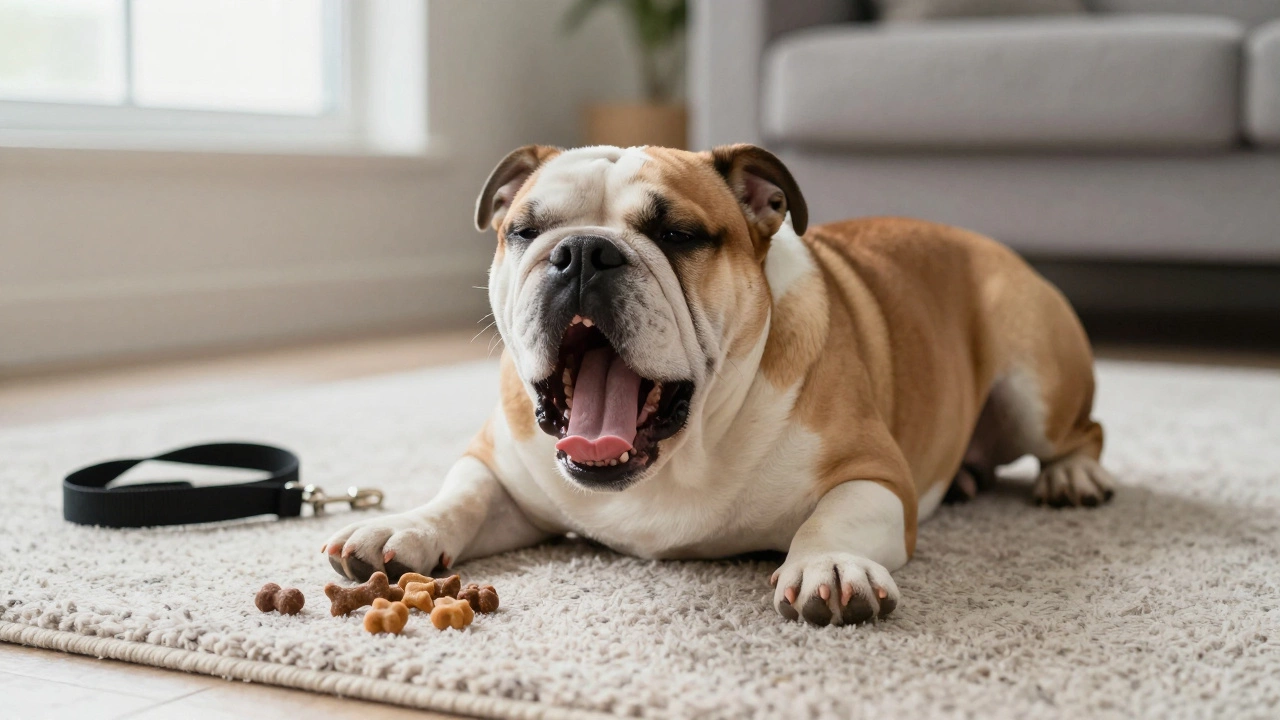
More obvious signs include yawning, scratching, lying down, or walking away. Some dogs may become frustrated and start barking or snapping at toys. If your dog starts making mistakes they previously had mastered, it’s not a regression-it’s fatigue. Their brain is full. Pack up the treats, end with a successful command, and try again later. Remember, you can always add another session tomorrow, but you can’t undo a negative experience caused by overtraining.
Optimizing Your Training Environment
The length of your session is also dictated by where you are. A quiet living room allows for longer, more focused work because there are fewer distractions. Move to the backyard, and that fifteen-minute session might drop to ten. Go to a busy park, and you might only get five minutes of solid work before your dog is tracking squirrels.
This is why context matters. When introducing new behaviors, keep sessions short and environments boring. As the behavior becomes stronger, you can increase the duration and gradually add distractions. This process, known as proofing, requires careful management of time and intensity. If you rush this step, your dog will fail in real-world scenarios, leading you to believe they never learned the command in the first place.
Use high-value rewards in distracting environments to extend focus briefly, but don’t expect miracles. A treat worth more to the dog (like hot dog slices) can buy you extra seconds of attention, but it won’t replace proper conditioning. Always adjust your expectations based on the environment’s difficulty level.
Structuring the Perfect Session
To maximize those precious minutes, structure matters. Don’t just wander aimlessly through commands. Have a plan. A well-structured session typically follows this flow:
- Warm-up (1-2 minutes): Start with a command your dog knows well. This builds confidence and gets their brain into "work mode."
- New Material (5-10 minutes): Introduce the new behavior or refine a tricky one. Keep repetitions low and success rate high.
- Review (2-3 minutes): Go back to older commands to reinforce them. This prevents forgetting.
- Cool-down/Game (1-2 minutes): End with something fun, like a tug game or a chase, unrelated to the formal training. This releases tension and ends on a high note.
This structure ensures you cover all bases without burning out your dog. It also helps you track progress over time. If you notice your dog struggling with the "New Material" section consistently, it might be too hard, or the sessions are too long. Adjust accordingly.
Can I train my dog for an hour if they seem interested?
No, even if your dog seems interested, an hour is too long for focused training. What looks like interest is often just anticipation of food or play. After 15-20 minutes, cognitive fatigue sets in, leading to slower responses and errors. Break the hour into four 15-minute sessions spread throughout the day for better retention and less stress.
Should I train my dog every day?
Yes, daily short sessions are ideal. Consistency reinforces neural pathways faster than sporadic long sessions. Even 5 minutes a day yields better results than 30 minutes once a week. On days when you’re short on time, just do a quick review of known commands to maintain the habit.
What if my dog loses interest halfway through?
End the session immediately. Forcing them to continue creates negative associations. Try switching to a higher-value reward or a different type of exercise (like physical play) to re-engage them. If they still disengage, pack up and try again later. Note the time to adjust future session lengths.
Is clicker training different regarding session length?
Clicker training can sometimes allow for slightly longer sessions because the marker sound provides clear, instant feedback, keeping the dog engaged. However, the fundamental rule remains: stop before they get bored. Overuse of the clicker without sufficient rewards can lead to "clicker fatigue," so keep sessions crisp and rewarding.
How does age affect training duration in senior dogs?
Senior dogs may have shorter attention spans due to cognitive decline or physical discomfort. Reduce session lengths to 5-10 minutes and focus on comfort and mental stimulation rather than new tricks. Ensure the training surface is soft to protect joints, and use larger, easier-to-chew treats if dental issues are present.