Dog Flight Toilet Risk Calculator
Assessment Result
Recommended Action Plan:
You’ve booked the tickets. You’ve packed your bags. But there’s one nagging question keeping you up at night: how will your dog handle a six-hour flight without an accident? It’s a valid worry. We all know that dogs don’t have the bladder control of humans, and they certainly can’t ask for a bathroom break mid-air. If you’re planning a long-haul journey with your furry companion, understanding the logistics of their toilet needs is just as important as picking the right seat.
The short answer is that most dogs will hold it in, but not all of them can or should. For shorter flights, your dog likely won’t need to go. For longer journeys, especially those exceeding eight hours, the strategy changes completely. This isn't just about cleanliness; it's about your dog's health and comfort. Let’s break down exactly what happens when your dog needs to pee on a plane, what you can do to help, and why the cabin might not be the best place for a very long trip.
Can Dogs Really Hold It In?
Yes, most healthy adult dogs can hold their urine for a significant amount of time. The general rule of thumb among veterinarians is that a dog can hold it for roughly seven hours per month of age until they are two years old, after which they can typically hold it for 8 to 10 hours. So, a fully grown Labrador on a five-hour flight from London to New York is physically capable of waiting.
However, "capable" doesn't mean "comfortable." Stress plays a huge role here. Flying is stressful for many dogs. The noise, the pressure changes, and the unfamiliar environment can trigger anxiety. Anxiety often leads to accidents, even if the dog was previously house-trained. Conversely, some dogs become so focused on calming down that they forget to go until it’s too late.
How long can a dog hold its bladder during a flight?
Most healthy adult dogs can hold their bladder for 8 to 10 hours. However, puppies, senior dogs, or anxious dogs may need relief sooner. Always plan for breaks if the flight exceeds 6 hours.
The Cabin vs. Cargo: Where Does Your Dog Sit?
This is the critical decision point. Where your dog travels determines everything about their toilet routine. Most airlines allow small dogs (usually under 15-20 lbs including carrier) to travel in the cabin under the seat in front of you. Larger dogs must travel in the cargo hold as checked baggage or freight.
If your dog is in the cabin, you are responsible for managing their needs. You cannot take them to the lavatory. Airlines strictly prohibit pets in restrooms due to hygiene and safety regulations. This means if your dog needs to go, they must go in their carrier. This is where preparation becomes non-negotiable.
If your dog is in the cargo hold, the situation is different. They are in a climate-controlled area separate from passengers. Attendants check on them periodically, but they do not let them out to walk. For very long flights, some airlines offer layover programs where the dog is taken out for a supervised potty break and water refill during a stopover. You need to check this specific service with your airline before booking.
| Feature | In-Cabin Travel | Cargo Hold Travel |
|---|---|---|
| Bladder Control Needed | High (Must hold for duration) | High (Unless layover program used) |
| Toilet Solution | Pee pads in carrier | Layover break or holding |
| Owner Supervision | Direct | None during flight |
| Best For | Small breeds, calm dogs | Large breeds, crate-trained dogs |
Essential Gear for In-Flight Relief
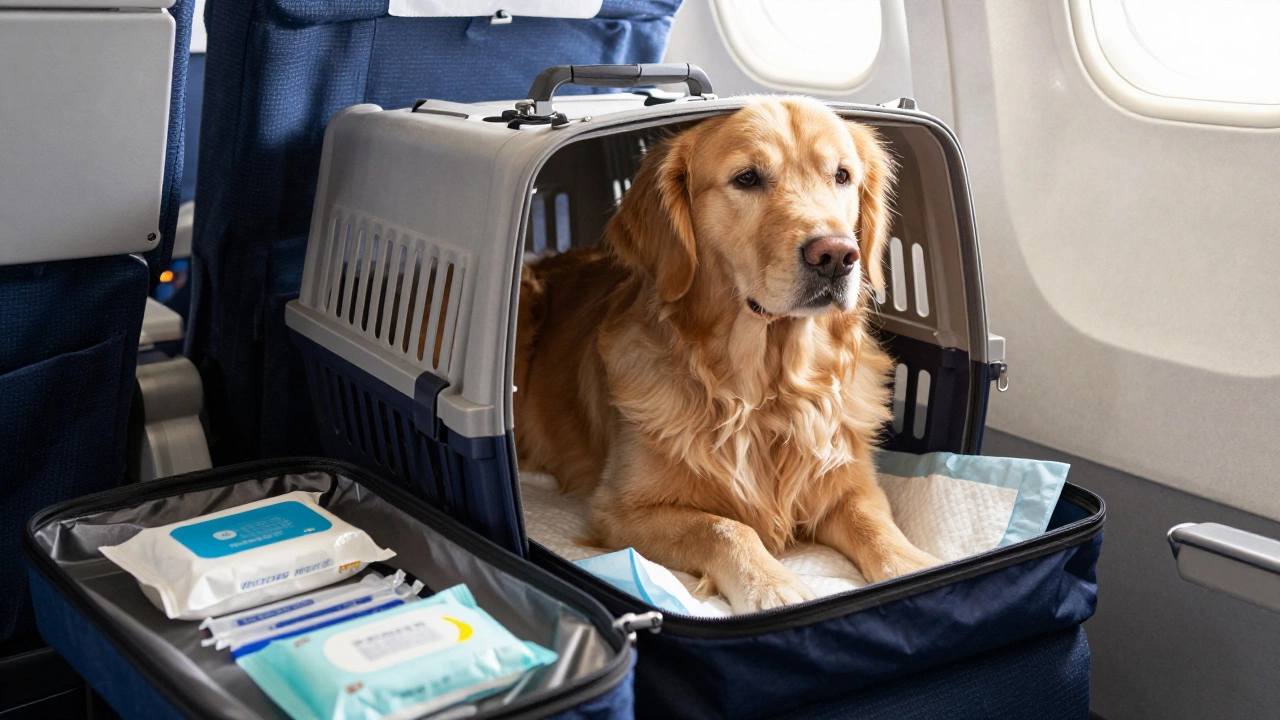
If you are traveling with your dog in the cabin, you need a kit. Relying on hope is not a strategy. Here is what you must pack:
- Absorbent Pee Pads: Don’t use cheap ones. Buy high-absorbency puppy pads or specialized vet bed liners. Place at least two in the bottom of the carrier. One for absorption, one for backup if the first leaks through.
- Disposable Wipes: Accidents happen. Have unscented wipes ready to clean any mess immediately. Strong scents can upset your dog further.
- Plastic Bags: For disposing of used pads. Seal them tight to contain odor.
- Familiar Blanket: A piece of fabric with your scent helps reduce anxiety, which indirectly helps bladder control.
Before you board, line the entire floor of the carrier with these pads. Make sure there is no space between the pads where urine could seep through to the hard plastic bottom. If your dog has an accident, it stays contained. If they don’t, the pads provide a comfortable surface.
Timing Is Everything: Pre-Flight Routine
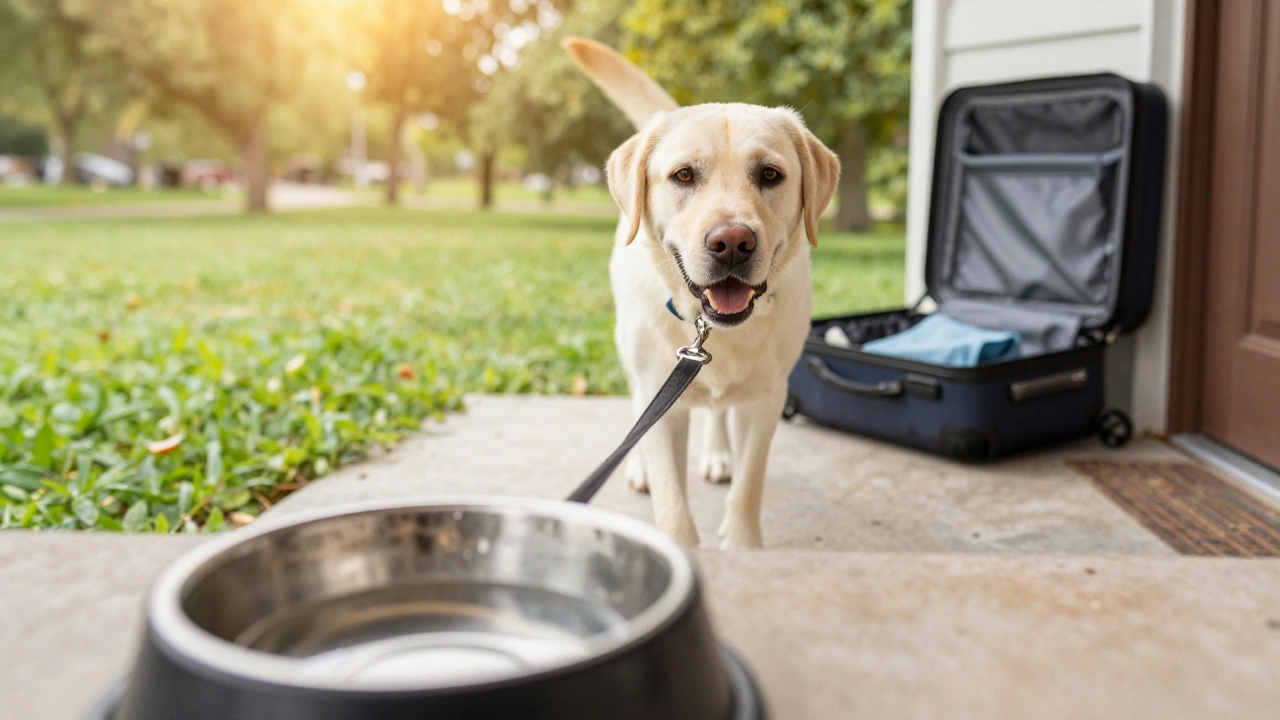
The best way to manage toilet needs on a flight is to ensure your dog empties their bladder and bowels thoroughly before you even get to the airport. Start this process at home.
- Limit Water Intake: About 4 to 6 hours before your flight, start reducing your dog’s water intake. Do not deprive them entirely, but offer smaller amounts. This prevents a full bladder at boarding time.
- Light Meal Only: Feed a light meal 6 to 8 hours before departure. A heavy meal increases the likelihood of needing to defecate. Avoid treats within 3 hours of the flight.
- The Final Walk: Take your dog for a vigorous walk 1 to 2 hours before you leave for the airport. Encourage them to go completely. Use a command like "go potty" to reinforce the behavior.
- Airport Bathroom Break: Once you arrive at the terminal, find a designated pet relief area. Many major airports have these near security checkpoints. Let your dog go again right before you head to the gate. This double-emptying strategy significantly reduces the risk of an in-flight accident.
Managing Needs During the Flight
Once you are airborne, your role shifts to observation and comfort. Keep your dog’s carrier under the seat in front of you. Do not remove the dog from the carrier during the flight unless instructed by crew members (which is rare). Removing the dog causes stress and disrupts the cabin airflow designed for their safety.
If you notice your dog sniffing intensely, circling, or whining, they may need to go. At this point, you can gently encourage them to relieve themselves on the pad inside the carrier. Speak calmly. Some owners carry a small spray bottle with a bit of their dog’s previous urine (yes, really) to spray on the pad. The scent triggers the instinct to go. This is a pro tip used by frequent pet travelers.
For long-haul flights over 8 hours, consider breaking the journey if possible. A direct flight might seem convenient, but a flight with a long layover allows you to take your dog to the airport’s pet relief zone. This gives them a chance to stretch, drink water, and empty their bladder properly. Check if the airline allows you to keep your dog with you during a layover. Most do, provided you stay in the secure area.
Special Considerations for Puppies and Seniors
Puppies and senior dogs operate on different rules. A puppy under 6 months old simply cannot hold it for a long flight. Their bladders are tiny, and their control is still developing. If you must fly with a young puppy, choose a flight under 4 hours. For anything longer, consider ground transport or delaying the trip until the puppy is older.
Senior dogs may have arthritis, making it painful to stand on slippery surfaces, or incontinence issues. They may need more frequent breaks. Consult your veterinarian before flying with an elderly dog. They may recommend medication to help with anxiety or bladder control. Never sedate your dog for air travel without explicit veterinary approval. Sedation can interfere with breathing at high altitudes and is dangerous.
What If There Is an Accident?
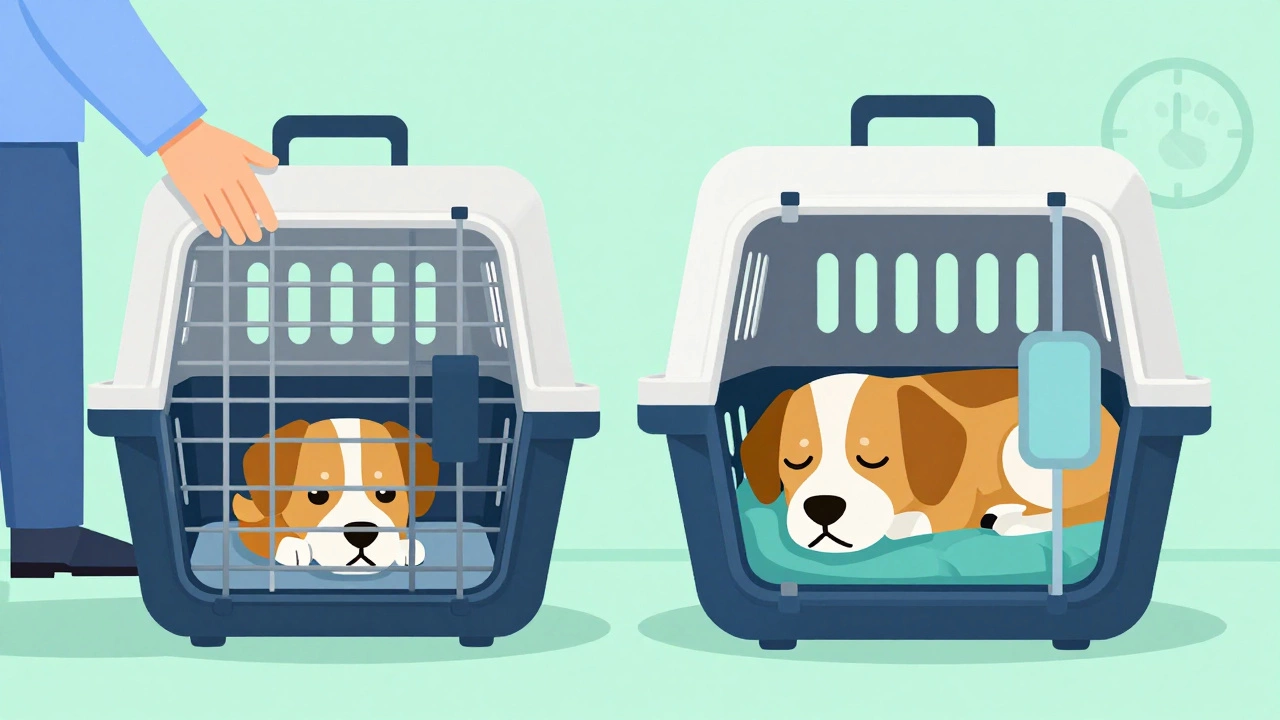
It happens. Even with perfect preparation, stress can cause an accident. Stay calm. Your dog can sense your frustration, which will only increase their anxiety. Quickly replace the soiled pad with a fresh one. Use your wipes to clean any residue from the carrier floor. Dispose of the waste in the sealed bag. Offer your dog reassurance. Do not scold them. Scolding associates the carrier with negative experiences, making future travel harder.
If the smell is strong, open the window shade if possible to let in fresh air, though cabin air circulation is usually sufficient. Focus on comforting your dog. A gentle hand on their head or a quiet voice can help them settle back down.
Choosing the Right Airline
Not all airlines are created equal when it comes to pet travel. Before you book, research their specific policies. Look for airlines that:
- Allow larger carriers in the cabin (giving your dog more room).
- Have clear protocols for pet emergencies.
- Offer layover programs for cargo pets.
- Have good reviews from other pet owners.
In the UK and Europe, airlines like British Airways and Lufthansa have well-established pet travel services. In the US, Delta and JetBlue are often cited for their pet-friendly policies. Always call the airline directly to confirm current rules, as they can change frequently.
Final Thoughts on Pet Travel Comfort
Traveling with a dog on a long flight requires patience, preparation, and a bit of flexibility. By understanding your dog’s limits, packing the right supplies, and timing their pre-flight routine correctly, you can minimize stress and accidents. Remember, the goal is not just to get from point A to point B, but to ensure your dog arrives happy and healthy. With the right approach, your furry friend can become a seasoned traveler, ready for whatever adventure lies ahead.
Can I take my dog to the airplane bathroom?
No, airlines strictly prohibit pets in lavatories. This is a safety and hygiene rule. Your dog must relieve themselves in their carrier using absorbent pads.
Should I give my dog water before a long flight?
Yes, but limit intake 4-6 hours before the flight. Dehydration is dangerous, but a full bladder increases the risk of accidents. Offer small sips rather than a full bowl.
Is it safe to sedate my dog for air travel?
Generally, no. Sedation can affect breathing and heart rate at high altitudes. Only use medication prescribed by a veterinarian specifically for travel anxiety, and never self-medicate.
Do airlines offer potty breaks for dogs in cargo?
Some airlines offer layover programs where dogs are taken out for exercise and potty breaks during long stops. This is not standard for all flights, so you must request it when booking.
What size carrier do I need for in-cabin travel?
The carrier must fit under the seat in front of you. Dimensions vary by airline, but typically around 18x14x8 inches. Ensure your dog can stand, turn around, and lie down comfortably inside.