
Puppy Potty Training: Simple Steps for House Training Your New Dog
When you bring home a new puppy, one of the first things you’ll need to tackle is puppy potty training, the process of teaching a young dog where and when to eliminate indoors or outdoors. Also known as house training, it’s not about punishment—it’s about routine, timing, and reading your pup’s cues. Most puppies can start learning this as early as 8 weeks old, and with consistency, many are reliably trained within 4 to 8 weeks. The key isn’t magic tricks or expensive tools—it’s showing up at the right moments and rewarding the right behavior.
Successful puppy crate training, using a crate as a safe, den-like space to help control accidents and build bladder control plays a big role. Crates work because dogs naturally avoid soiling where they sleep. Pair that with a strict puppy potty schedule, a timed routine that takes the puppy outside after waking, eating, playing, or napping, and you’re setting them up for success. Most puppies need to go out every 1 to 2 hours during the day, and always right after meals or playtime. Missing those windows? That’s when accidents happen—not because your puppy is being stubborn, but because their tiny bladders just can’t hold it longer.
It’s also important to know what not to do. Yelling, rubbing their nose in it, or punishing accidents won’t teach them anything except to fear you—or worse, to hide their accidents. Instead, interrupt a mid-floor pee with a calm "Oops!" and immediately take them outside. If they finish outside, give them a treat and praise like they just won a prize. That’s the moment they learn what you want. Cleaning up accidents with enzymatic cleaner is just as critical—regular cleaners leave scent trails that tell your puppy it’s okay to go there again.
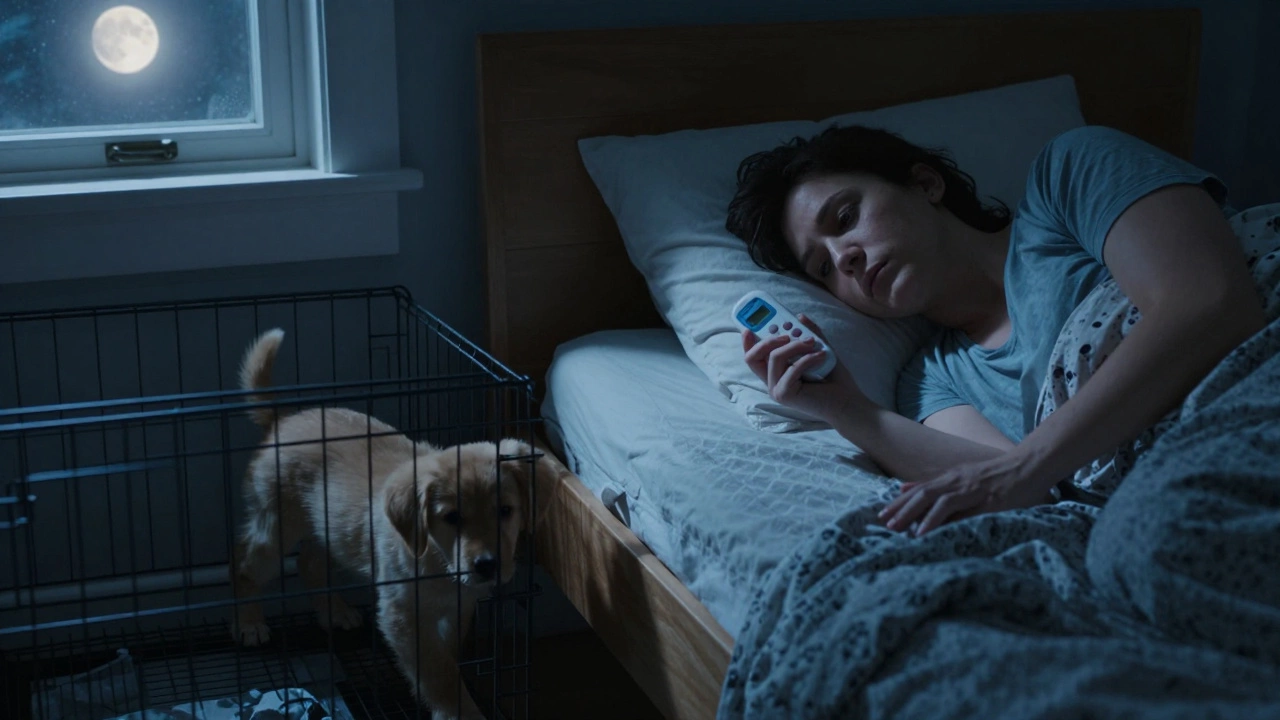
Some breeds pick it up faster than others, but every puppy responds to the same basics: schedule, supervision, and positive rewards. You’ll see progress faster if you stick to the same exit door, same spot in the yard, and same cue word like "go potty." And don’t forget nighttime—puppies under 12 weeks often can’t sleep through the night without a bathroom break. Setting an alarm to take them out every 4 hours helps avoid soaked carpets and broken sleep.
Below, you’ll find real advice from dog owners and trainers who’ve been through this. Whether you’re dealing with a stubborn 10-week-old who still pees on the rug, or you’re wondering if your puppy’s accidents are normal, these posts break it down without fluff. You’ll learn how to interrupt accidents safely, why crate training works, what to do when your puppy won’t go outside, and how to handle setbacks without losing patience. This isn’t theory—it’s what actually works in homes across the UK.
 4 December 2025
- Morgan Ainsworth
- 0 Comments
Should I Wake Up in the Middle of the Night to Let My Puppy Pee?
You don't need to wake up every time your puppy cries at night. Learn how to tell real potty needs from normal puppy behavior and train them to sleep through the night without constant interruptions.
View More