
Puppy Potty Schedule: What Works for House Training Your Dog
When you bring home a new puppy, one of the first things you’ll need is a solid puppy potty schedule, a structured plan for when and where to take your puppy outside to relieve themselves. This isn’t just about avoiding messes—it’s about teaching your pup self-control, building trust, and setting them up for lifelong good habits. A consistent routine reduces stress for you and your dog, and it’s the single most effective way to prevent indoor accidents. Without a clear schedule, your puppy won’t know what’s expected, and that leads to confusion, frustration, and more clean-up than you bargained for.
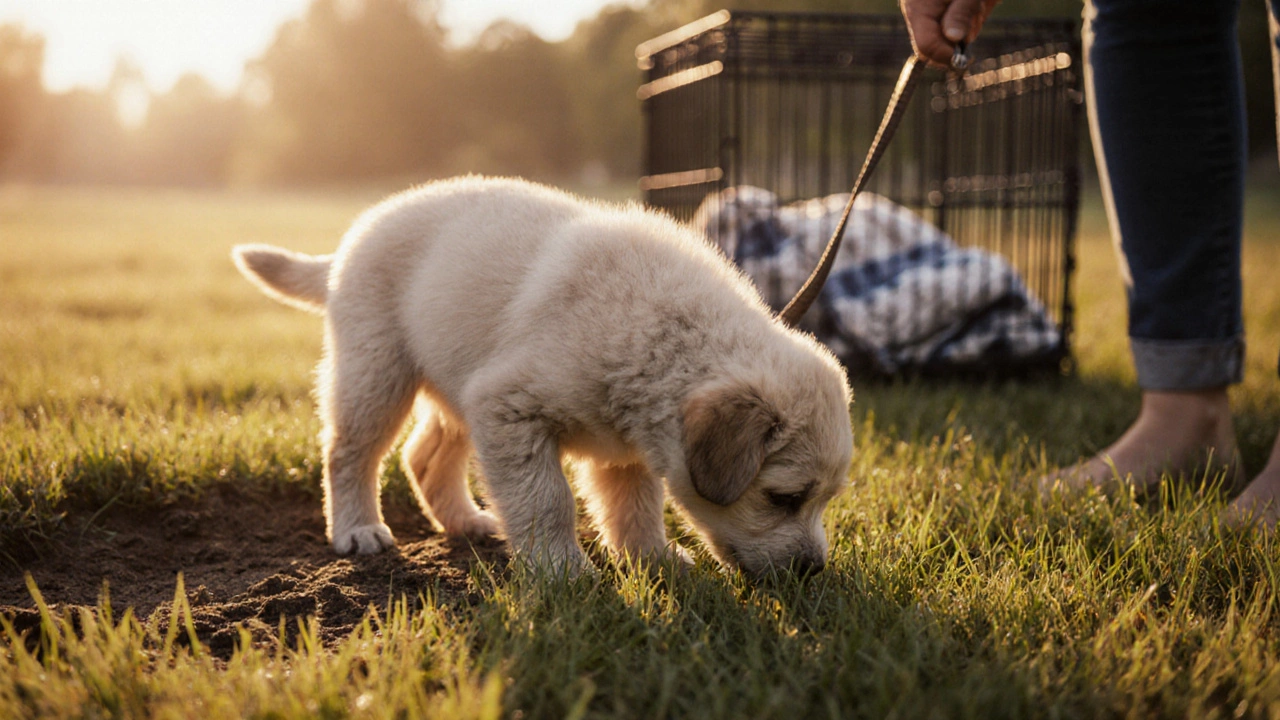
Most puppies can hold it for about one hour per month of age, so a 10-week-old pup needs to go out every 2–3 hours. That means you’ll be heading outside first thing in the morning, after every nap, after meals, after playtime, and right before bed. house training puppy, the process of teaching a young dog to eliminate outdoors on command works best when you stick to this rhythm. Missing a window—even once—can undo progress. Puppies don’t have the same bladder control as adult dogs, and they won’t ask politely when they need to go. You have to be the one to read the signs: sniffing, circling, whining, or suddenly stopping play. The key is not waiting for them to signal, but taking them out before they get the urge.
Timing isn’t the only factor. puppy bathroom routine, the daily pattern of feeding, walking, and potty breaks that shapes your puppy’s behavior needs to be predictable. Feed your puppy at the same times each day—this helps regulate when they need to go. Take them to the same spot outside every time, so they associate that area with peeing. Use a simple cue like "go potty" and reward them immediately after they finish. Consistency turns actions into habits. And if they have an accident inside? Don’t yell. Just clean it up with an enzymatic cleaner and keep moving. Punishment doesn’t teach them where to go—it just teaches them to hide.
Many owners think their puppy is "trained" after a few clean days. But a puppy accidents, unintended indoor urination or defecation during the house training phase can still happen at 6 months if the schedule slips. That’s why routines matter more than age. Even after your pup seems reliable, keep the schedule going for at least six months. Gradually extend the time between breaks only when you’re sure they’re holding it consistently. Nighttime accidents are common, so plan for a final potty trip right before bed and one first thing in the morning—even if you have to wake up.
What you’ll find below are real, tested strategies from dog owners and trainers who’ve been through it. You’ll see how to handle setbacks, what to do when your puppy won’t go outside, how to adjust the schedule for busy days, and how to stop the cycle of accidents before it becomes a habit. These aren’t theory-based tips—they’re the things that actually work in homes across the UK. No fluff. No magic tricks. Just clear steps, honest advice, and practical fixes for the messy, real-life moments of raising a puppy.
 27 November 2025
- Morgan Ainsworth
- 0 Comments
Can an 8-Week-Old Puppy Be Potty Trained? Yes, Here’s How
Yes, an 8-week-old puppy can be potty trained. Start with a strict schedule, use a crate, take them out often, and reward success. Patience and consistency beat punishment every time.
View More