
Positive Reinforcement Training: What It Is and Why It Works for Dogs
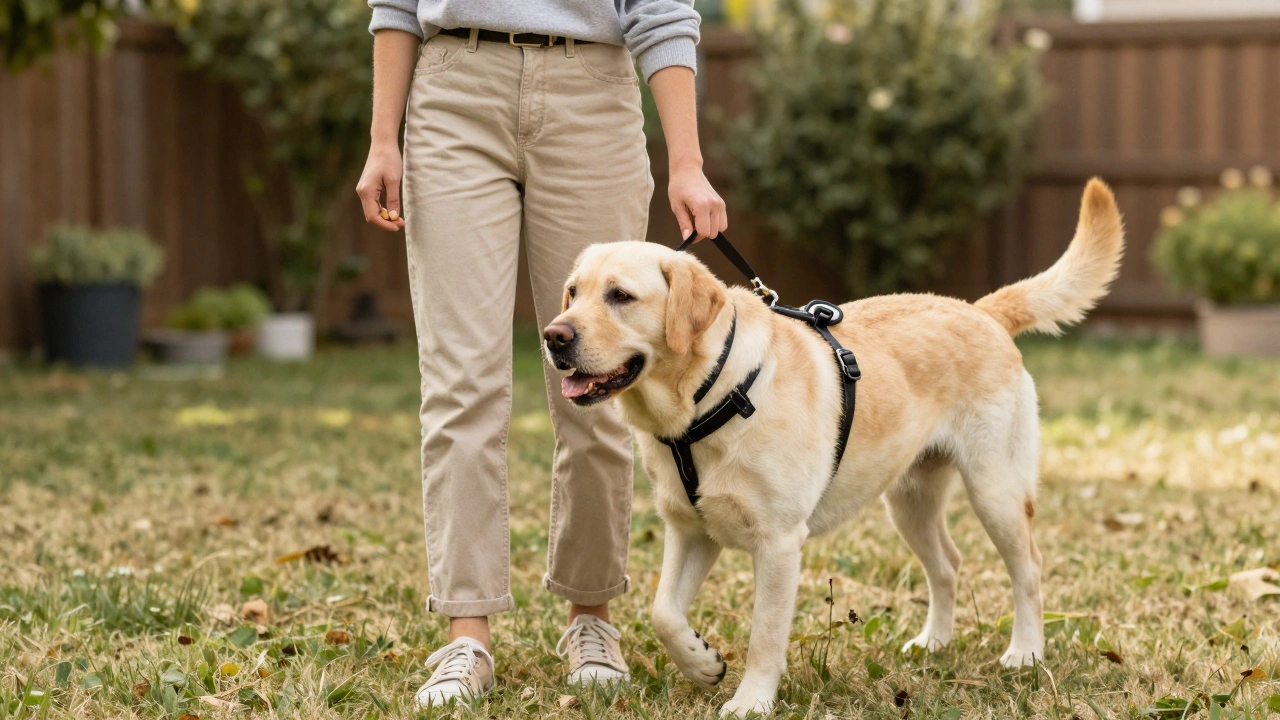
When you hear positive reinforcement training, a dog training method that rewards desired behaviors to encourage repetition. Also known as reward-based training, it’s the most effective, science-backed way to teach dogs anything—from sitting quietly to walking nicely on a leash. This isn’t about bribing your dog with treats. It’s about clear communication. Every time your dog does something you like—a calm greeting, coming when called, staying put—you give them something they value: a treat, a toy, praise, or even a game. Over time, they learn that good choices lead to good outcomes.
It works because dogs are motivated by results, not guilt. Unlike shock collars or yelling, which create fear or confusion, positive reinforcement training builds confidence. Your dog doesn’t worry about getting it wrong—they get excited about getting it right. This method is used by professional trainers, service dog programs, and even zoos because it’s reliable and humane. And it’s not just for gundogs. Whether you’ve got a nervous rescue or a hyper puppy, this approach helps them feel safe while learning. You’ll also see fewer behavior problems down the line. Dogs trained this way are less likely to bark out of anxiety, chew from boredom, or bolt at the door—they’re engaged, not scared.
What makes it different from other methods? It doesn’t punish mistakes. Instead, you ignore unwanted behavior and catch your dog being good. That’s it. No yanking leashes, no loud noises, no dominance games. Just patience and timing. You’ll notice your dog starts offering behaviors on their own—like sitting before you even ask—because they’ve learned that being smart pays off. This is why so many posts here talk about potty training puppies, stopping indoor peeing, or teaching recall without force. They all rely on the same principle: reward the behavior you want, and the rest fades away.
Some people think it’s slow. But when you’re building trust, speed doesn’t matter. What matters is that your dog learns without stress. That’s why you’ll find guides here on feeding schedules, grooming routines, and even crate training—all tied back to this idea. Consistency and kindness win every time. You don’t need fancy tools. You need to watch your dog, time your rewards, and stay calm. And if you’re wondering whether vibrating collars or shock devices have a place? They don’t belong in a positive reinforcement system. Those tools work through fear. This method works through connection.
Below, you’ll find real-life examples of how this training style shows up in everyday dog care—from potty training an 8-week-old pup to choosing the right chew toy to keep them focused. You’ll see how it connects to grooming, boarding, and even travel. Because when your dog understands what’s expected, everything else gets easier. No magic tricks. No quick fixes. Just clear, kind, proven ways to build a better relationship with your dog.
 1 December 2025
- Morgan Ainsworth
- 0 Comments
What Is a Humane Alternative to a Shock Collar? Effective, Kind Training Methods
Discover humane, science-backed alternatives to shock collars that actually train your dog without fear or pain. Learn which tools work best for pulling, barking, and other common issues.
View More