
Humane Dog Collar: Safe, Effective Choices for Training and Daily Use
When you hear humane dog collar, a training or control device designed to guide behavior without pain or fear. Also known as positive reinforcement collar, it non-shock collar, it’s meant to help your dog learn—not to punish them. Many pet owners still believe dogs need shock or prong collars to behave, but that’s not true. In fact, the UK’s animal welfare groups and veterinary associations strongly recommend humane alternatives. These collars work by using vibration, sound, or gentle pressure to get your dog’s attention. They don’t hurt. They just say, "Hey, pay attention." And that’s enough.
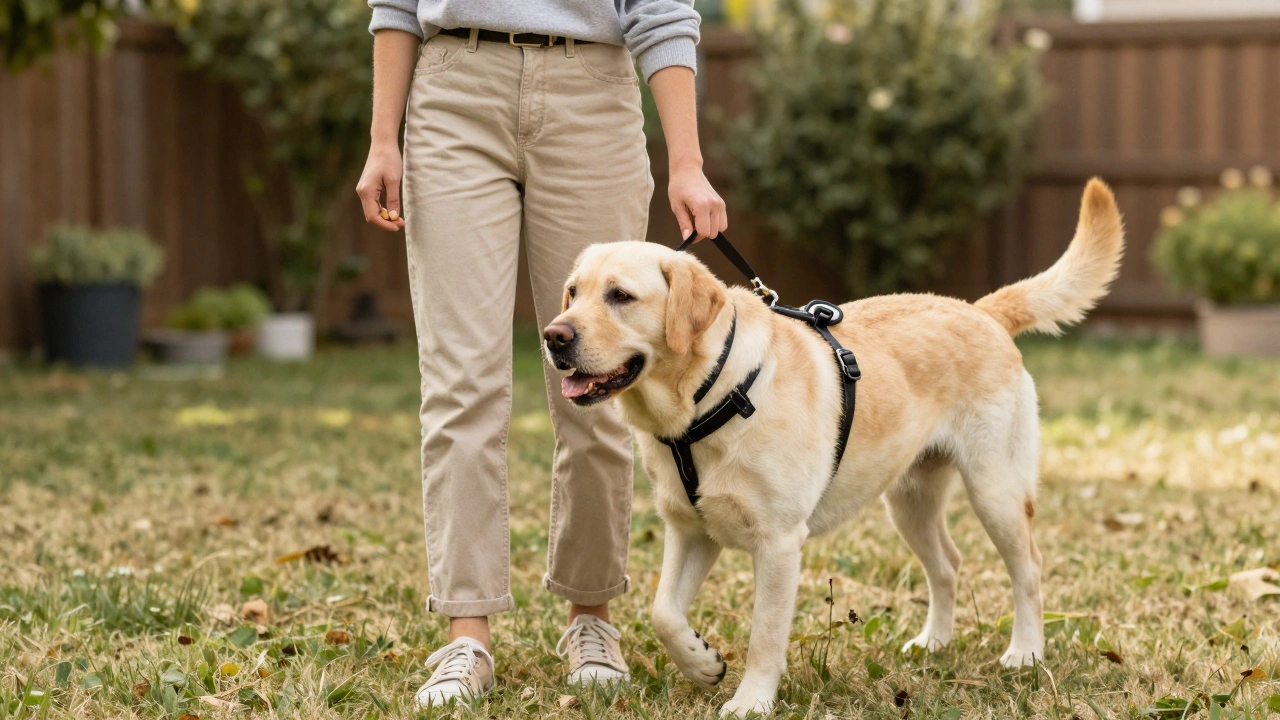
Not all collars labeled "humane" are created equal. A vibrating dog collar, a collar that delivers a gentle buzz to redirect behavior is one of the most trusted options. It’s especially useful for dogs that are hard of hearing or easily distracted. Unlike shock collars, which cause stress and can damage trust, vibration collars help dogs focus without fear. Another type is the head halter, a strap that gently guides a dog’s head to control direction. It’s great for walks, especially if your dog pulls. And then there’s the martingale collar, a limited-slip collar designed for dogs with narrow heads like greyhounds. It’s not a training tool, but it’s safe for everyday use and stops dogs from slipping out. These are the tools real dog trainers in the UK use—not because they’re trendy, but because they work without breaking the bond between dog and owner.
What you avoid matters just as much as what you choose. A collar that chokes, zaps, or digs into the neck isn’t just cruel—it’s dangerous. It can cause nerve damage, thyroid issues, or even long-term anxiety. Your dog doesn’t need pain to learn. They need clarity, consistency, and a little patience. The best humane collars are adjustable, lightweight, and made from durable materials like nylon or biothane. They should fit snugly but not tight—you should be able to slip two fingers under it easily. And they should never be left on unattended. That’s not just bad practice; it’s a risk.
When you pick a humane dog collar, you’re not just buying equipment. You’re choosing a way to communicate. You’re saying your dog deserves respect, not fear. You’re saying training should build confidence, not break it. That’s why the posts below cover everything from how vibrating collars actually work, to when to replace a worn-out collar, to which breeds benefit most from certain styles. You’ll find real advice from people who’ve used these tools—no fluff, no hype. Just what works, what doesn’t, and why.
 1 December 2025
- Morgan Ainsworth
- 0 Comments
What Is a Humane Alternative to a Shock Collar? Effective, Kind Training Methods
Discover humane, science-backed alternatives to shock collars that actually train your dog without fear or pain. Learn which tools work best for pulling, barking, and other common issues.
View More