
Dog Grooming Schedule: What’s Right for Your Dog’s Coat and Health
When it comes to keeping your dog clean and comfortable, a proper dog grooming schedule, a consistent routine of brushing, bathing, and trimming tailored to your dog’s needs isn’t optional—it’s essential. A dog that’s groomed regularly doesn’t just smell better; their skin stays healthy, mats don’t form, and you catch problems like ticks, rashes, or lumps early. This isn’t about making your dog look pretty for the camera—it’s about their well-being. And yes, the right schedule depends on whether your dog has a short coat like a Labrador, a curly one like a Poodle, or a thick double coat like a Husky.
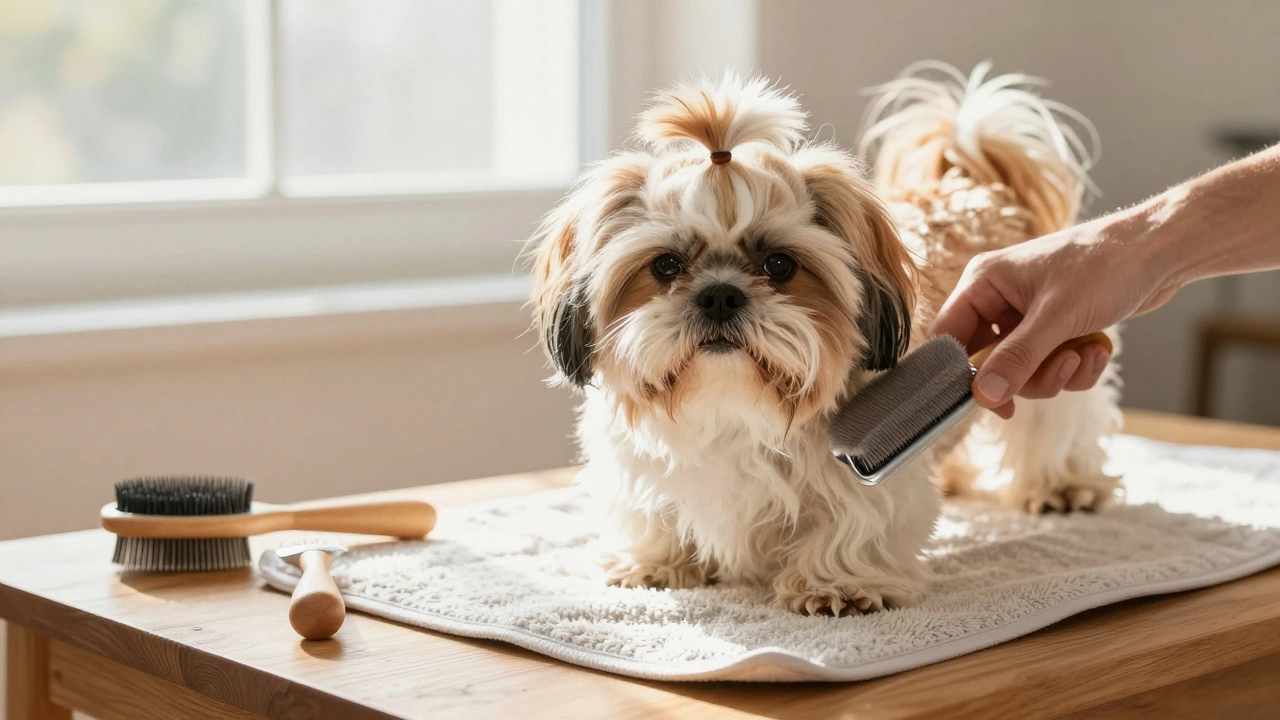
Most people think grooming means a bath every few weeks, but that’s just one part. dog grooming frequency, how often you brush, trim nails, clean ears, and bathe your dog varies wildly. A Shih Tzu might need brushing every single day to prevent tangles, while a Beagle can go weeks between full sessions. Nail trimming? Every 3–4 weeks for most dogs. Ears? Check them weekly, especially if your dog has floppy ears. And bathing? Too often strips natural oils; too little lets dirt and odor build up. For most dogs, a bath every 6–8 weeks is enough—unless they roll in mud or have skin issues.
dog coat care, the daily and weekly habits that maintain your dog’s fur and skin health starts long before you reach for the shampoo. Brushing isn’t just for looks—it spreads natural oils, removes dead hair, and stimulates blood flow. If you skip it, your dog sheds more, gets hot spots, or develops painful mats that need professional cutting. And don’t forget the tools: a slicker brush for long hair, a rubber curry comb for short coats, and a metal comb to check for tangles under the fur. A good grooming kit costs less than one vet visit for a skin infection caused by neglect.
Some dogs need professional help. If your dog has a curly or corded coat, or if you’re not confident trimming around the eyes or paws, a professional dog grooming, a service provided by trained groomers using specialized tools and techniques every 4–8 weeks makes sense. But even if you go to a pro, you still need to brush at home. Groomers can’t fix a month’s worth of mats in one visit—they can only cut them out, and that’s painful for your dog. The best routine combines home care with occasional professional touch-ups.
Seasons matter too. Dogs with thick undercoats shed heavily in spring and fall. During those times, daily brushing cuts down on fur on your couch and prevents overheating. In winter, don’t skip grooming—salt and dirt from roads stick to paws and can cause cracks. In summer, long hair traps heat. A light trim can help without exposing skin to sunburn.
There’s no one-size-fits-all dog grooming schedule. But if you pay attention to your dog’s coat, skin, and behavior, you’ll know when something’s off. Scratching more than usual? A bath or brush might help. Fur looking dull? Maybe they need better nutrition or more brushing. Stiffness after grooming? Their nails might be too long. The goal isn’t perfection—it’s consistency. A little time every day beats a big session once a month.
Below, you’ll find real advice from dog owners and groomers on how to build a routine that works—whether you’re brushing a Chihuahua at home or preparing a Golden Retriever for a show. You’ll learn what tools actually work, how to spot problems early, and when to call in a pro. No fluff. Just what your dog needs to stay clean, calm, and healthy.
 1 December 2025
- Morgan Ainsworth
- 0 Comments
How Often Should Dogs Get Groomed? A Practical Guide for Every Breed
Learn how often to groom your dog based on coat type, breed, and lifestyle. Avoid health problems with a simple, practical grooming schedule that works for every dog.
View More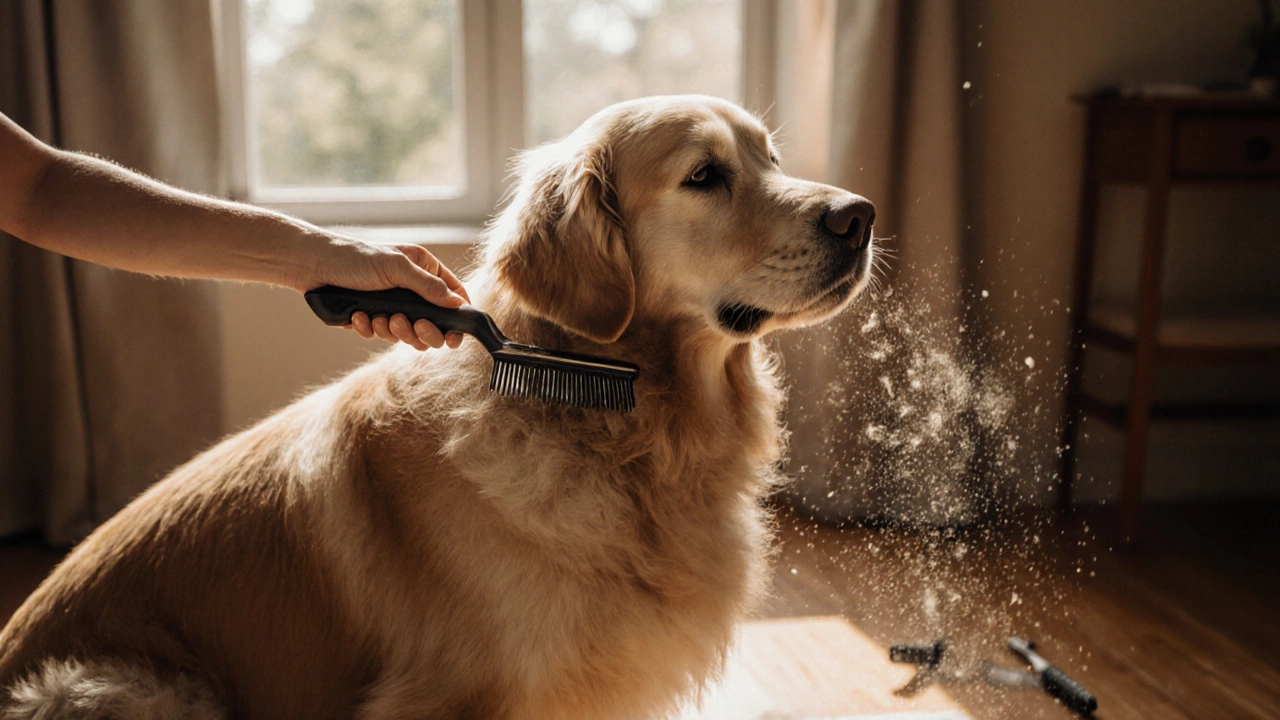 3 November 2025
- Morgan Ainsworth
- 0 Comments
How Often Do Dogs Need Grooming? A Practical Guide for Every Breed
Learn how often different dog breeds need grooming based on coat type, season, and lifestyle. Get practical tips for brushing, bathing, nails, ears, and when to see a professional.
View More