
Wet vs Dry Cat Food: What Every Cat Owner Should Know
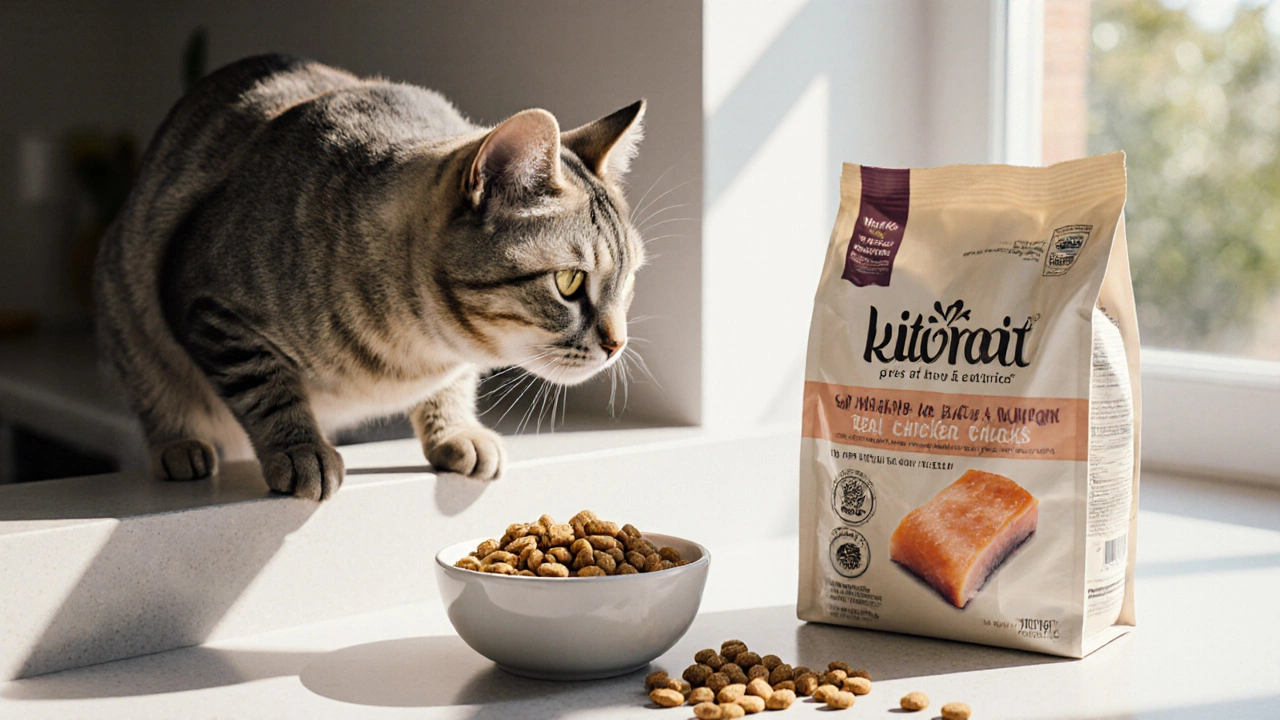
When choosing wet vs dry cat food, the decision between moisture‑rich canned meals and low‑moisture kibble. Also known as canned vs kibble, it shapes a cat’s overall health. Wet cat food, canned or pouched diets that usually contain 70‑80% water mimics the natural prey a cat would eat in the wild, while Dry cat food, also called kibble, holds about 10‑12% moisture offers convenience and longer shelf life. Both options tie back to cat nutrition, the balance of protein, fat, vitamins and minerals a cat needs daily. Understanding how these pieces fit together helps you avoid common pitfalls like dehydration or excess calories.
Key Factors That Influence the Choice
First, moisture content matters. Cats are descended from desert hunters, so they instinctively seek water‑rich prey. Wet food delivers that water straight to the bowl, supporting kidney health and urinary comfort. Dry food, on the other hand, requires you to provide fresh water separately, which some cats simply ignore. Second, protein quality. Both wet and dry formulas can boast high‑quality animal protein, but wet meals often list meat as the first ingredient, while dry kibble may rely on meat meals or plant‑derived proteins to meet cost targets. Third, cost and storage. A bag of dry food typically stretches further in price and stays fresh for months, whereas cans or pouches can add up quickly and need refrigeration after opening.
Another crucial element is taurine. This amino acid is essential for cats; without it they can develop heart disease and vision problems. Most commercial cat foods, wet and dry, add synthetic taurine, but the level can vary. Wet diets sometimes contain higher natural taurine because they use whole meat, while dry formulas may need extra supplementation to hit the same levels. Checking the label for "taurine" helps you verify that the food meets the minimum 0.1% requirement for adult cats.
Play‑time and feeding habits also tip the scales. Wet food’s strong aroma and soft texture make it appealing to picky eaters or older cats with dental issues. Dry food’s crunchy bite can help scrape plaque off teeth, offering a mild dental benefit. If your cat is a fast eater, you might combine both: a morning scoop of kibble for dental action and an evening portion of wet food for hydration and flavor.
From a health‑monitoring standpoint, mixing can give you clearer insight into weight changes. Because wet food provides fewer calories per gram, you can serve larger portions without overfeeding. Dry food’s dense calories mean you need to measure carefully to avoid unwanted weight gain. Tracking the number of cans versus cups of kibble each day lets you adjust portions based on activity level, age, and any medical advice from your vet.
Convenience plays a big role in daily life. Dry food doesn’t spoil quickly, making it ideal for busy households, travel, or multiple‑cat homes where you need to leave food out for hours. Wet food needs a cooler environment once opened, and leftovers should be tossed after 24‑48 hours to prevent bacterial growth. Some owners use automatic wet‑food dispensers that keep meals chilled, but those add extra cost and maintenance.
Lastly, consider environmental impact. Canned meals require more packaging material—usually metal or foil—and heavier transport due to water weight. Dry kibble uses less packaging per calorie and is lighter to ship, reducing carbon footprint. If sustainability matters to you, weigh these factors alongside your cat’s preferences.
All these pieces—moisture, protein, taurine, cost, convenience, and environmental concerns—connect back to the central question of which diet best supports your cat’s unique needs. Below you’ll find articles that dive deeper into specific aspects, from vet‑recommended brands to feeding schedules and how to transition between wet and dry safely. Use them as a roadmap to craft a balanced feeding plan that keeps your feline healthy, happy, and satisfied.
 12 October 2025
- Morgan Ainsworth
- 0 Comments
Can Cats Survive on Dry Food Only? A Complete Guide
Discover if cats can live on dry food only, learn essential nutrients, choose quality kibble, and manage hydration for a healthy feline diet.
View More