
Vibrating Dog Collars: What They Are, How They Work, and When to Use Them
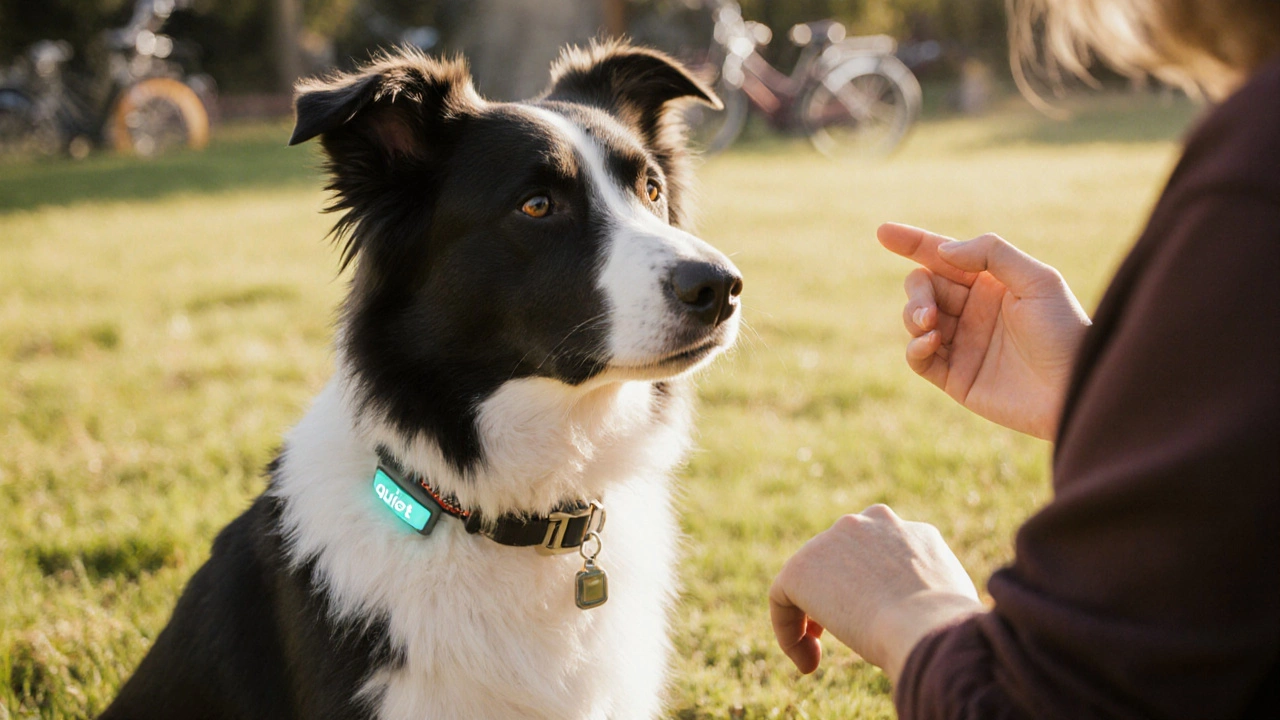
When you hear vibrating dog collars, a type of training device that uses gentle vibration instead of shock to get a dog’s attention. Also known as vibration collars, they’re designed to communicate with your dog without pain—making them a popular choice for owners who want results without fear. Unlike shock collars, which deliver electric pulses, vibrating dog collars rely on touch. A light buzz on the neck tells your dog, "Hey, pay attention," or "Stop that," without causing discomfort. This makes them especially useful for deaf dogs, sensitive breeds, or households that prefer positive reinforcement methods.
These collars often work with a remote control, letting you trigger the vibration from a distance. That means you can correct a dog who’s chasing a squirrel across the park, or redirect a puppy who’s about to jump on the guest. They’re not magic—they don’t replace training—but they give you a clear, consistent signal when words alone aren’t enough. Many professional trainers use them alongside treats and praise to build reliable recall or stop unwanted barking. The key is timing: the vibration should happen right as the behavior starts, not after. If you wait too long, your dog won’t connect the buzz to the action.
Related tools like positive reinforcement dog training, a method that rewards desired behaviors to encourage repetition work best when paired with vibrating collars. Think of the vibration as a cue, not a punishment. For example, if your dog ignores you when off-leash, a quick vibration gets their attention, then you reward them with a treat when they turn back. Over time, they learn that listening = good things. This approach builds trust, not resistance. You’ll also see these collars used in dog behavior correction, the process of safely reducing unwanted actions like lunging, pulling, or excessive barking, especially when traditional verbal commands aren’t enough.
Some people worry vibrating collars are cruel. But if used correctly—low setting, short bursts, paired with rewards—they’re no more invasive than tapping someone on the shoulder to get their attention. The real problem isn’t the tool. It’s the user. If you’re using it to scare your dog, or leaving it on for hours, you’re missing the point. These aren’t punishment devices. They’re communication tools. And like any tool, they work best when you understand how to use them.
You’ll find plenty of stories online about dogs who finally came when called after years of ignoring their owners. Or deaf dogs who learned to respond to hand signals and vibrations together. These aren’t miracles—they’re results. And they happen when you focus on clarity, consistency, and kindness. That’s what this collection is about: real experiences, practical tips, and honest advice on using vibrating dog collars without falling into common traps.
Below, you’ll find posts that cover everything from how to choose the right collar for your dog’s size and temperament, to what to do if your dog seems scared of the vibration. You’ll see how they compare to other training tools, and why some vets and trainers recommend them while others don’t. There’s no one-size-fits-all answer. But with the right approach, vibrating dog collars can be a quiet, effective part of your training toolkit—without the shock, without the stress, and without the guilt.
 5 November 2025
- Morgan Ainsworth
- 0 Comments
Do vibrating dog collars work? Here’s what actually happens when you use them
Vibrating dog collars can work for training-but only if used correctly. Learn how they function, when they help, and why they’re safer than shock collars. Real results from UK dog owners and science.
View More