
Veterinarians: Your Go‑To Resource for Dog Health, Grooming, Training & Travel
When working with veterinarians, licensed professionals who diagnose, treat, and prevent animal illnesses. Also known as vet, they are the go‑to source for dog health, keeping your canine fit and happy, guide pet grooming, coat care, ear cleaning, nail trimming, influence dog training, positive reinforcement and safe collar use, and advise on pet travel, airline rules, carrier size, and health certificates.
Why veterinarians matter starts with prevention. A yearly wellness exam lets a vet spot joint wear, dental plaque, or skin infections before they become costly problems. This proactive check‑up is a cornerstone of dog health because early detection often means simpler treatment and a longer, happier life for your pet.
Nutrition is another arena where vets add real value. They can tell you whether a supplement like fish oil or pumpkin is right for your dog’s diet, explain safe dosage, and warn against over‑supplementation. For puppies, they recommend age‑appropriate multivitamins; for seniors, they suggest joint‑support formulas that match the animal’s activity level.
When it comes to pet grooming, veterinarians diagnose underlying issues that regular brushing can’t fix. Skin allergies, hormonal imbalances, or ear infections often show up as itching or odor. A vet’s treatment plan—whether a medicated shampoo or a dietary tweak—makes home grooming more effective and prevents flare‑ups.
Training isn’t just about obedience; it’s also about safety. Vets can evaluate whether a dog’s temperament suits a particular training collar or if a harness would reduce strain on the neck. By combining behavior assessment with medical insight, they help you choose tools that reinforce learning without risking injury.
Planning a trip? Veterinarians issue health certificates, update vaccinations, and advise on parasite preventatives that airlines require. They also help you pick the right carrier size and teach you how to manage anxiety‑inducing travel stress, turning a potentially chaotic journey into a smoother experience.
Legal questions about service dogs often circle back to the vet’s paperwork. A veterinarian’s health statement can confirm a dog’s ability to perform assistance tasks, which is crucial when owners face requests for proof. Knowing the right documentation protects both the handler and the animal’s rights.
Emergencies happen without warning. Knowing when to call the vet versus handling a minor injury at home can save a life. Vets train owners in basic first aid—like controlling bleeding or recognizing signs of heatstroke—so you’re prepared until professional help arrives.
Choosing the right vet is a personal decision. Look for a practice that offers both routine care and specialized services like orthopedics or dermatology. Ask about their experience with specific breeds, their approach to pain management, and how they handle after‑hour emergencies. A good rapport builds trust, making each visit smoother for you and your dog.
Below you’ll find a curated set of articles that dive deeper into each of these topics. From supplement timing guides to grooming checklists, training collar debates, and travel safety tips, the collection reflects the broad expertise veterinarians bring to everyday pet ownership. Explore the posts to get practical, vet‑backed advice you can use right away.
 15 October 2025
- Morgan Ainsworth
- 0 Comments
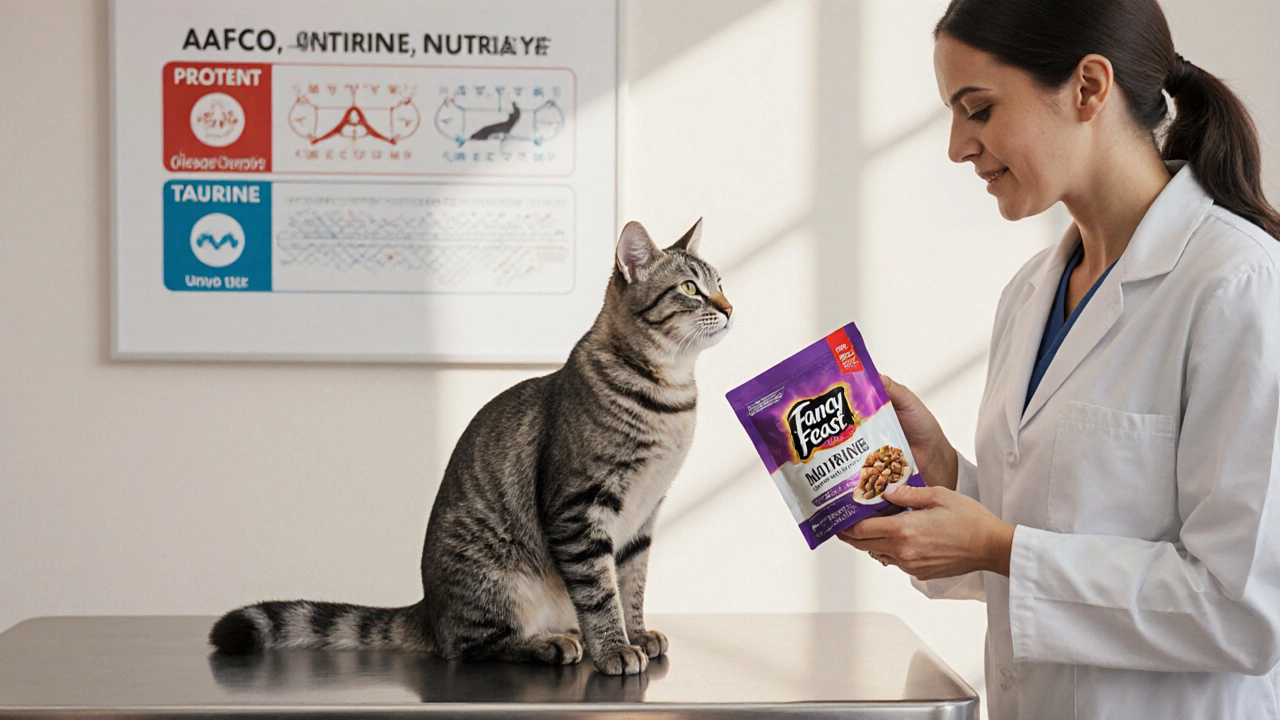
Why Veterinarians Recommend Fancy Feast Cat Food
Veterinarians back Fancy Feast for its protein, taurine, and moisture levels. Learn the nutritional reasons, compare it with other premium brands, and get feeding tips for healthy cats.
View More