
Shaving Dogs: What You Need to Know Before You Cut
When you think about shaving dogs, the act of cutting or trimming a dog’s coat down to the skin for comfort or aesthetics. Also known as dog hair removal, it’s often done in summer to help dogs stay cool—but it’s not always the right move. Many owners assume a shorter coat means a happier, cooler dog. But that’s not true for most breeds. A dog’s coat isn’t just fur—it’s insulation. It protects against sunburn, bugs, and even cold snaps. Shaving it off can do more harm than good.
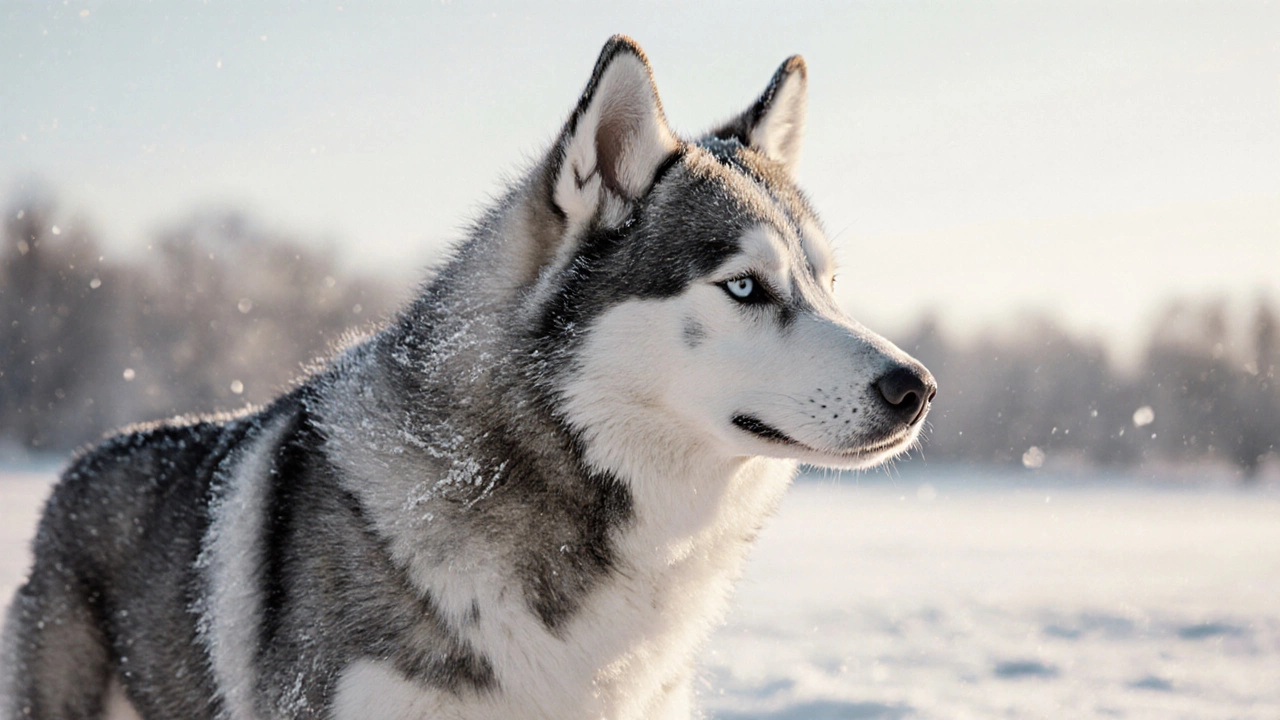
Not all dogs need shaving. double-coated breeds, dogs with a thick undercoat and a longer topcoat, like Huskies, Golden Retrievers, and German Shepherds should never be shaved. Their undercoat traps air to keep them warm in winter and cool in summer. Shaving removes that natural climate control and often leads to patchy, uneven regrowth—or worse, no regrowth at all. Even grooming frequency, how often a dog’s coat is brushed, bathed, and trimmed, matters more than a full shave. Regular brushing removes loose fur, prevents matting, and keeps the coat healthy without cutting into the skin.
Some dogs, like Poodles, Bichons, or Shih Tzus, do benefit from light trimming. Their hair grows continuously and can tangle easily. But even then, it’s about professional dog grooming, skilled trimming by someone who understands coat structure and skin safety, not a buzz cut. A pro knows how much to take off without exposing sensitive skin. And they’ll never shave a double-coated dog down to the skin—because they know the risks.
What about dogs with matted fur? If your dog’s coat is tangled into knots, shaving might be the only safe option. But even then, it’s a last resort. A good groomer will try to brush it out first. Matted fur traps moisture and dirt, which can cause skin infections. Shaving removes the problem—but doesn’t fix the cause. That’s why regular brushing and checking for tangles are more important than waiting for a crisis.
And don’t forget sunburn. Dogs with thin coats or light skin—especially on their bellies and ears—can get burned in summer. Shaving them makes that worse. Instead, use dog-safe sunscreen, keep walks early or late, and provide shade. A short trim helps, but a full shave doesn’t. Your dog’s skin needs protection, not exposure.
There’s also the issue of coat texture. After shaving, some dogs grow back coarse, wiry fur—or none at all. That’s permanent. You can’t undo it. And if your dog gets cold in winter, they’ll suffer more without their natural insulation. Many owners regret shaving after seeing how their dog looks or behaves afterward.
So what should you do instead? Brush daily during shedding season. Bathe with a de-shedding shampoo. Use a deshedding tool like a FURminator. Keep your dog cool with fans, cooling mats, and fresh water. And if you’re unsure, ask a professional groomer—not a YouTube tutorial. Most of those videos show quick fixes that ignore long-term health.
The posts below cover everything you need to know about keeping your dog’s coat healthy without reaching for the clippers. You’ll find guides on how often to groom, what tools actually work, which breeds need special care, and why that ‘summer cut’ might be doing more damage than you think. No fluff. Just real advice from people who work with dogs every day.
 18 November 2025
- Morgan Ainsworth
- 0 Comments
What Dogs Should Not Get Haircuts? Essential Breeds to Avoid Trimming
Some dogs shouldn't get haircuts - shaving their coat can cause heatstroke, sunburn, and permanent fur damage. Learn which breeds to avoid trimming and what to do instead.
View More