
puppy chew toys
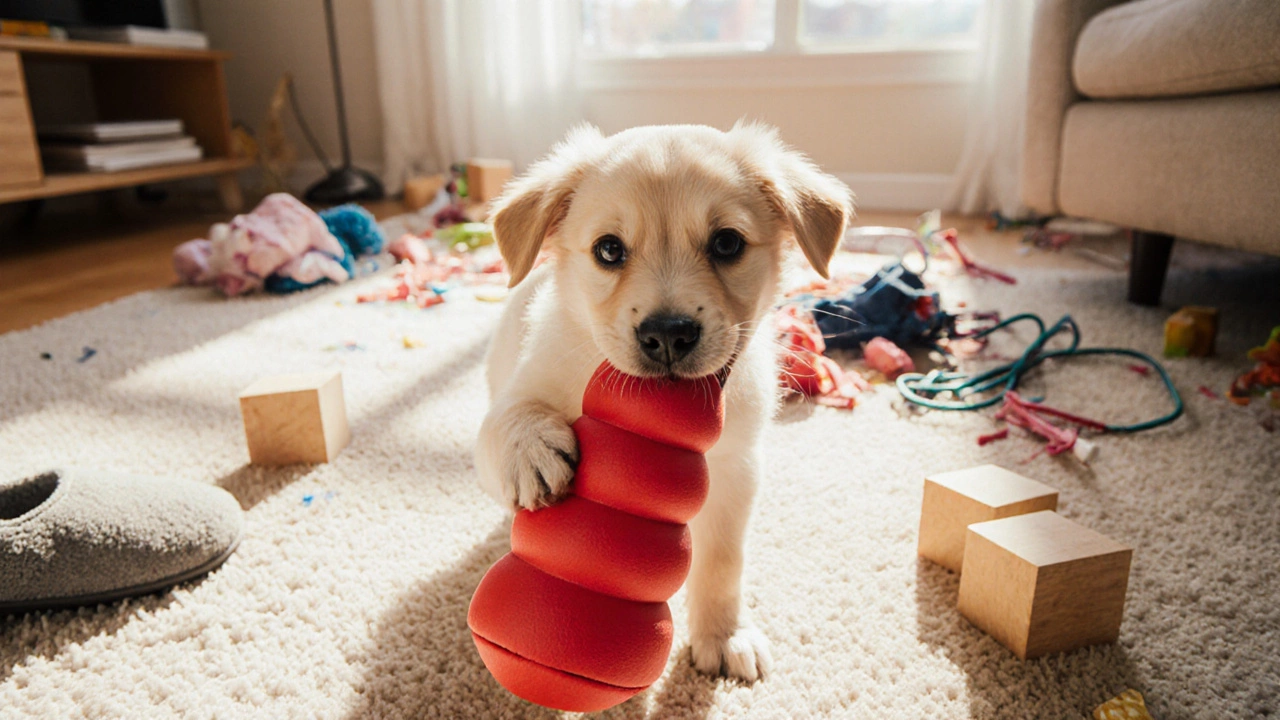
When you’re picking puppy chew toys, durable, safe items made to satisfy a puppy’s urge to bite and to soothe sore gums. Also known as teething toys, they play a big role in puppy training, teaching basic commands and good habits to a young dog and support dental health, keeping teeth clean and gums strong. A well‑chosen chew toy can turn a destructive nibble into a constructive outlet, which is something we see echoed in posts about interrupting indoor accidents, building good habits, and easing anxiety. In short, the right chew toy is a small tool that backs up big training goals.
Why chew toys matter for growing pups
If you’re hunting for the perfect puppy chew toys, start by thinking about the stage your dog is in. During teething, the period when baby teeth fall out and adult teeth push through, puppies crave something to chew on – it relieves pain and helps the new teeth clean themselves. A chew toy that’s soft enough for baby gums but tough enough for emerging adult teeth hits that sweet spot. At the same time, chew toys double as training aids. For example, using a toy to reward a successful house‑training cue (like “go potty”) reinforces the behavior without extra treats, a tactic highlighted in our guide on interrupting indoor peeing. Interactive chew toys with squeakers or crinkly parts also keep a pup’s mind busy, cutting down on boredom‑driven chewing on furniture. The best picks are made from non‑toxic rubber or nylon, sized appropriately for the breed, and free of small parts that could be swallowed.
Beyond calming gums, chew toys directly impact dental health, preventing plaque buildup and strengthening gums. The chewing action scrapes away food particles, acting like a natural brush. Pair that with regular vet‑approved dental chews and you’ve got a simple routine that many owners in our supplement timing article swear by for long‑term gum health. Safety is non‑negotiable: always inspect a toy for cracks, replace it when it shows wear, and supervise younger pups until you’re confident they won’t break pieces off. Size matters too – a toy that’s too small becomes a choking hazard, while one that’s too big defeats the purpose of soothing sore gums. When you scroll through the posts below, you’ll find deeper dives into how chew toys fit into house‑training plans, which materials are safest for teething, and the best ways to use toys as positive reinforcement during basic obedience sessions. Whether you’re a first‑time puppy parent or a seasoned handler looking for fresh ideas, this collection gives you practical, bite‑sized advice you can start using today.
 21 October 2025
- Morgan Ainsworth
- 0 Comments
Veterinarian‑Recommended Puppy Chew Toys: Safe Options & Buying Guide
Discover which chew toys veterinarians trust for puppies, why they matter, and how to pick safe, dental‑friendly options for every teething pup.
View More