
Professional Dog Grooming: Tools, Tips, and When to Call an Expert
When you think of professional dog grooming, a comprehensive service that includes bathing, brushing, trimming, ear cleaning, and nail care to maintain a dog’s health and appearance. Also known as pet grooming, it’s not just about making your dog look nice—it’s about preventing skin issues, catching early signs of illness, and keeping them comfortable in their own skin. Many owners assume grooming is just a luxury, but for breeds with thick coats or dogs that spend time outdoors, it’s essential maintenance—like brushing your teeth, but for your dog’s whole body.
Dog grooming tools, specialized equipment like slicker brushes, dematting combs, clippers, and low-noise dryers used by trained groomers to handle different coat types safely. You can’t just use human hairbrushes on a Labrador or a Poodle. A steel comb works for short coats, but a undercoat rake is a must for Huskies or Golden Retrievers shedding twice a year. Clippers need different blades for sensitive areas like the face versus the body. And dryers? A high-velocity one saves hours and prevents damp skin from getting infected. Skip the cheap stuff—bad tools can pull hair, cut skin, or stress your dog out.
Dog grooming frequency, how often a dog needs professional care based on breed, coat type, activity level, and skin condition. A Shih Tzu might need a trim every 4 to 6 weeks. A Border Collie with a medium coat? Every 8 to 12 weeks. A short-haired Beagle? Maybe just a bath and nail trim every 3 months. But if your dog rolls in mud every weekend or has skin allergies, that schedule shrinks. Too little grooming leads to mats, hot spots, and ear infections. Too much can strip natural oils and dry out the skin. It’s a balance—and your groomer should help you find it.
And then there’s the dog grooming schedule, a personalized plan that ties together bathing, brushing, trimming, and check-ups to match your dog’s lifestyle and health needs. It’s not one-size-fits-all. A senior dog with arthritis might need shorter sessions with extra padding. A puppy learning to stand still needs gentle, positive exposure. A hunting dog coming in from the field needs a full clean-down, not just a quick wipe. The best groomers don’t just cut hair—they assess your dog’s condition, ask about behavior changes, and notice if a lump is new or a paw is red. That’s why many owners stick with the same groomer for years.
Some people try to do it all at home. You can handle brushing and nail trims if you’re patient. But if your dog hates the dryer, tenses up around clippers, or has matted fur that’s been ignored for months? That’s when you need a pro. A bad DIY job can hurt your dog and cost more in vet bills later. Professional groomers see dozens of dogs a week. They know how to handle fear, aggression, and tricky coats without stress. They also know when something’s wrong—like a tick hiding under the ear or a lump growing under the belly—and will tell you.
What you’ll find in these posts isn’t just a list of steps. It’s real advice from people who’ve done this work—how to spot early signs of skin problems, why some dogs smell better after grooming than others, how often you really need to bathe your dog, and whether you can make a living doing it. Whether you’re a first-time owner or thinking about becoming a groomer, the tools, timing, and tricks here will save you time, money, and stress.
 19 March 2026
- Morgan Ainsworth
- 0 Comments
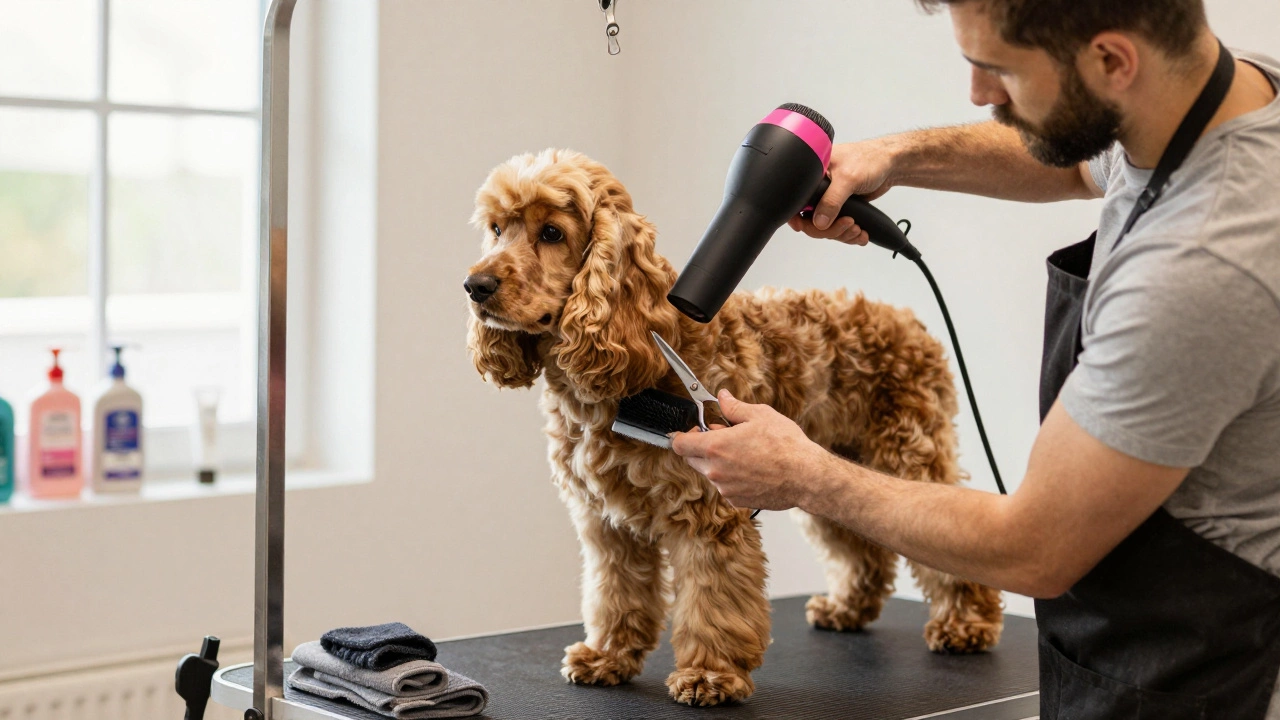
How Much Do Most Dog Groomers Charge in 2026?
In 2026, most dog groomers in the UK charge £25-£40 for small dogs, £40-£60 for medium breeds, and up to £120 for large dogs. Prices vary by breed, coat condition, and location. Regular grooming prevents health issues and saves money long-term.
View More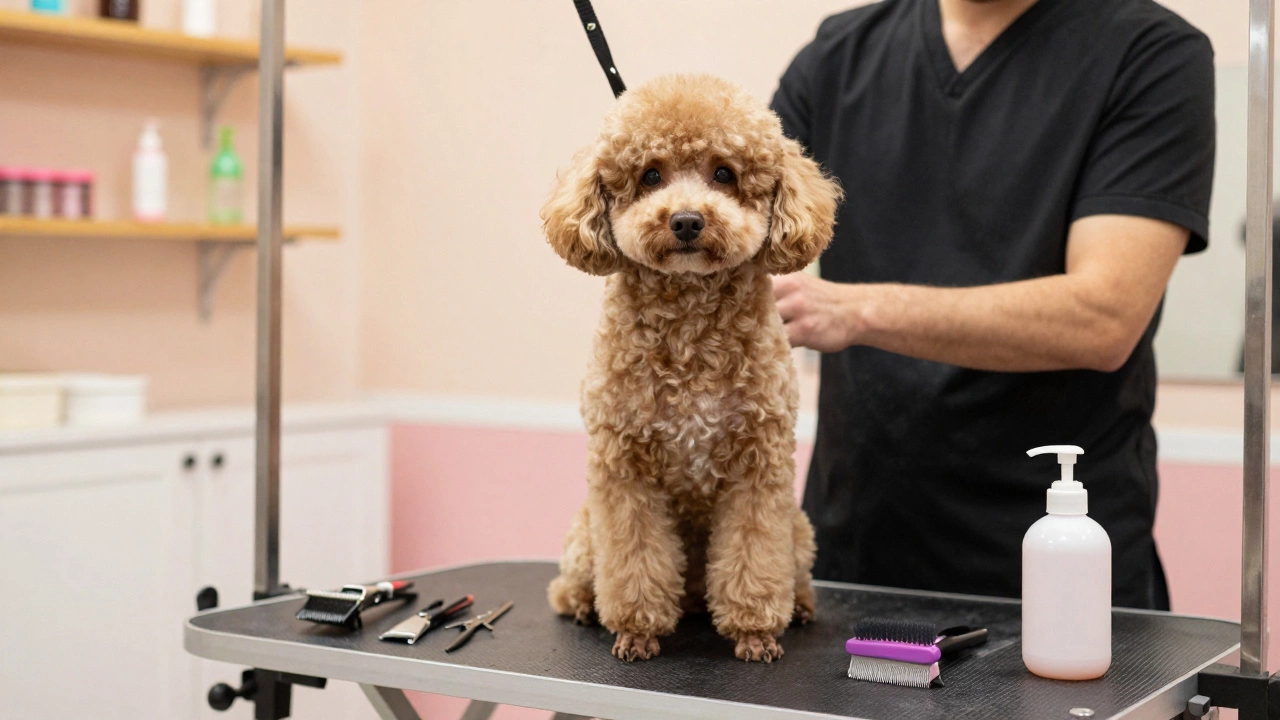 23 February 2026
- Morgan Ainsworth
- 0 Comments
How Much Does the Average Dog Owner Spend on Grooming?
The average UK dog owner spends between £400 and £600 a year on professional grooming, depending on breed and coat type. High-maintenance breeds like Poodles can cost over £800 annually.
View More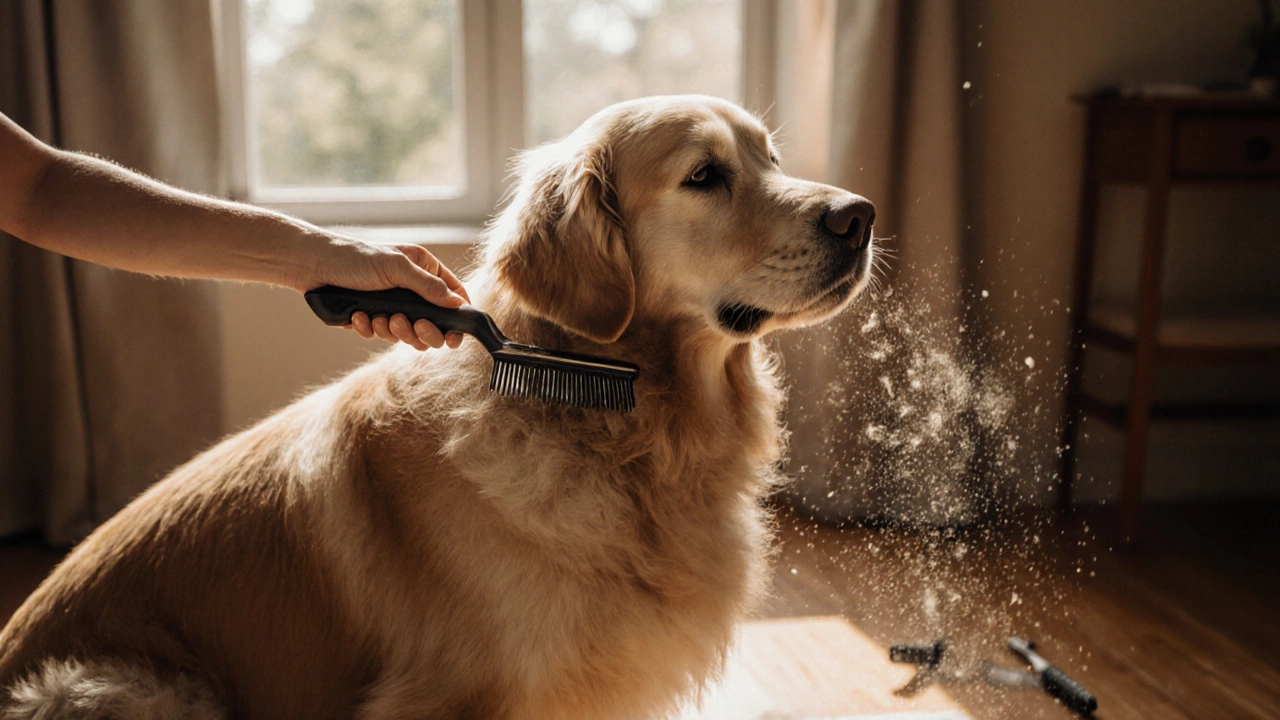 3 November 2025
- Morgan Ainsworth
- 0 Comments
How Often Do Dogs Need Grooming? A Practical Guide for Every Breed
Learn how often different dog breeds need grooming based on coat type, season, and lifestyle. Get practical tips for brushing, bathing, nails, ears, and when to see a professional.
View More